A single false statement, published online to a global audience, can unravel years of built trust and credibility in an instant.
For American executives, public figures, and entrepreneurs, the digital sphere is both a marketplace and a modern courtroom where reputations are tried in the court of public opinion.
This reality makes understanding U.S. defamation laws not merely a legal exercise, but a critical component of strategic risk management.
When a competitor spreads falsehoods about your financial stability or a disgruntled individual launches a smear campaign, the very framework of American jurisprudence offers a potential path to recourse.
The pressing question becomes: how can these complex statutes be navigated to effectively safeguard one’s digital standing?
The Legal Landscape: Slander Versus Libel
The first step in understanding U.S. defamation laws is distinguishing between their two primary forms: slander and libel.
Historically, slander referred to fleeting spoken falsehoods, while libel encompassed defamatory statements in fixed, written form.
In our digital age, this distinction becomes crucial. A viral TikTok video making a false accusation constitutes libel, as much as a traditional newspaper article, because of its permanent and distributable nature.
The law recognizes the profound and lasting damage caused by content that can be screenshotted, shared, and archived.
Consequently, most online defamation cases fall squarely under the umbrella of libel, which is generally treated with greater seriousness by the courts due to its potential for widespread and lasting harm.
The Plaintiff’s Burden: Proving the Core Elements
Successfully pursuing a defamation claim requires clearing a specific, and often demanding, legal hurdle.
The person alleging defamation must prove four key elements. First, that a false statement of fact was presented as truth.
This is a critical starting point; hyperbolic opinions or subjective criticisms are typically protected speech.
Second, that this statement was communicated to a third party—the very essence of “publication” in the digital context, from a social media post to a blog comment.
Third, the plaintiff must demonstrate fault, which can range from negligence for a private individual to actual malice—knowledge of falsity or reckless disregard for the truth—if the plaintiff is a public figure.
This higher standard for public persons is a fundamental pillar of American First Amendment jurisprudence, making it significantly more challenging for celebrities, politicians, and prominent business leaders to win such cases.
Finally, one must provide evidence of actual harm, such as lost business revenue, reputational damage, or emotional distress.
The Digital Defense: Key Legal Strategies and Obstacles
Even with a seemingly clear case, navigating a defamation lawsuit is fraught with complexity. A formidable defense often invoked is the “substantial truth” doctrine; if the core accusation is true, minor inaccuracies may not defeat the claim.
Similarly, statements of pure opinion are protected, though the line between fact and opinion is frequently the central battleground in these lawsuits.
In the online world, Section 230 of the Communications Decency Act often shields platforms like Google, Yelp, and Facebook from liability for content posted by their users.
This means your legal action must be directed at the individual or entity that created the defamatory content, not the website that hosts it.
This reality makes the process of identifying anonymous online attackers a critical and often initial phase of litigation.
Frequently Asked Questions
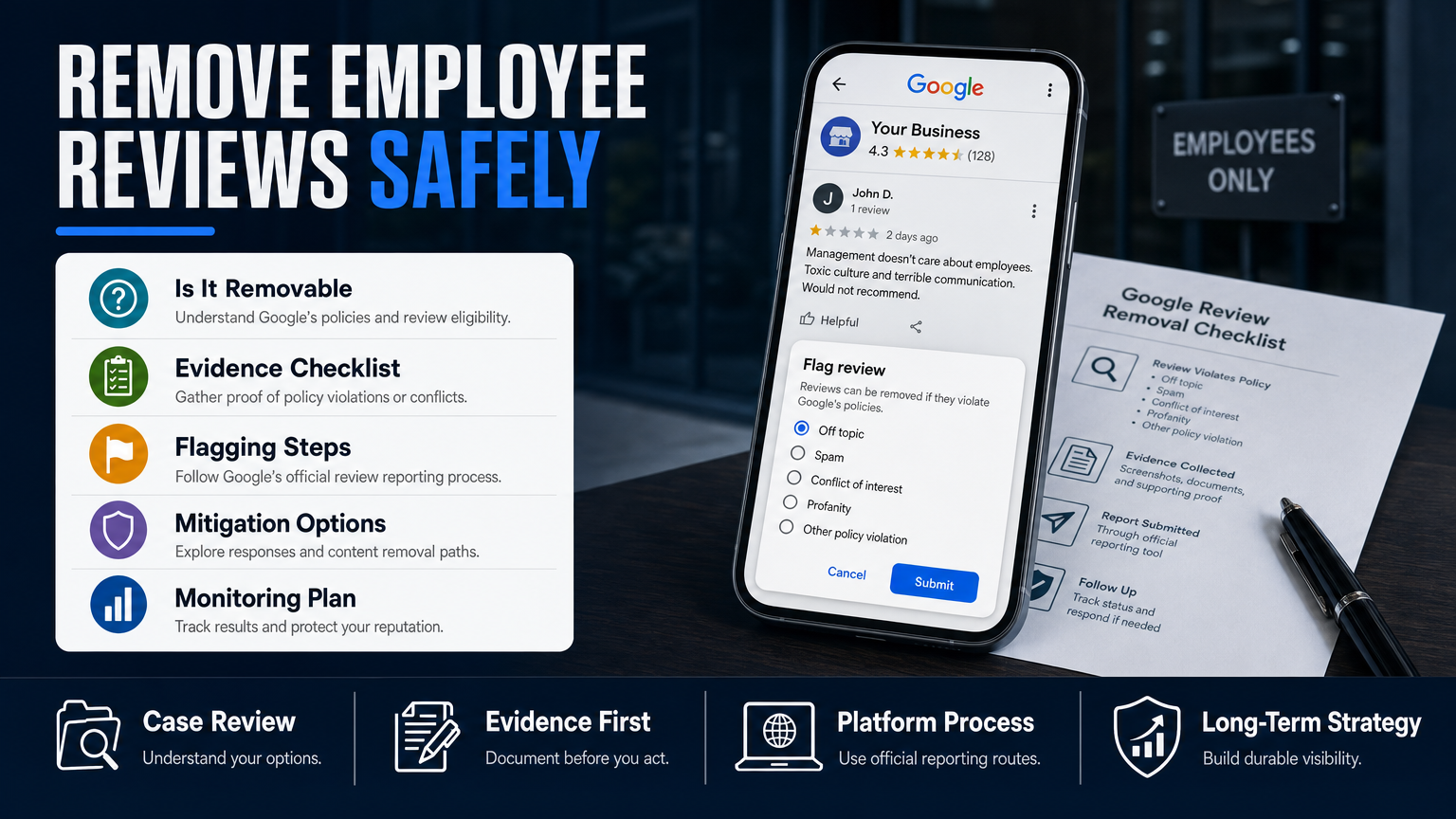
Can I sue for a bad review?
You can only sue if the review contains objectively false statements of fact. A negative opinion, like “this is the worst restaurant I’ve ever visited,” is protected speech.
However, a false statement like “the owner was arrested for theft,” if untrue, could be defamatory.
Are Google reviews considered defamation?
Yes, a Google review can be the basis for a defamation lawsuit if it contains a false statement of fact that causes harm to your business.
The challenge lies in proving the statement is false and that you suffered quantifiable damages as a direct result.
How much can you sue for defamation per year in the U.S.?
There is no set cap. Damages awarded vary dramatically by case and jurisdiction, ranging from nominal amounts to millions of dollars, based on the severity of the harm, the reach of the falsehood, and the defendant’s conduct.
What is the statute of limitations for online defamation?
This varies by state, typically from one to three years. The clock usually starts ticking from the date of the statement’s first publication, though some states have a “single publication rule,” which can affect content that remains accessible online for years.
Is it defamation if the statement is true?
No. Truth is an absolute defense to a defamation claim in the United States. If the statement, however damaging, is provably true, a defamation lawsuit will not succeed.
Ultimately, understanding U.S. defamation laws reveals them as a powerful, though complex, shield.
They are not a tool for silencing critics or erasing legitimate feedback, but a legal recourse for combating demonstrably false and harmful speech.
In an economy where reputation is a primary currency, this knowledge provides a crucial layer of defense.
The most resilient reputation strategy, however, is multifaceted. It combines proactive reputation management—cultivating a strong, positive online presence—with the readiness to enforce your legal rights when malicious falsehoods cross the line.
In the end, the law provides not a guarantee of victory, but the assurance that you do not have to face the digital mob unarmed.
Follow us on social media:
Don’t forget to read our blog. Here is a link to our previous post: Understanding U.S. Defamation Laws: Your Shield for Online Reputation