You’ve just discovered your proprietary e-book, the one that forms the core of your consulting business, posted in its entirety on a stranger’s website, available for free.
Or perhaps a competitor has lifted the unique product photography from your online store.
This moment of discovery sparks a critical question for American creators and businesses: what legal tool can you use to swiftly remove this stolen content from the internet?
The answer often lies in a powerful, yet frequently misunderstood, mechanism: the DMCA takedown request.
Understanding when and how to use a DMCA takedown request is not just about legal compliance; it’s about actively defending your intellectual property in a digital economy where content is a primary asset.
The Foundation: What the DMCA Actually Protects
The Digital Millennium Copyright Act (DMCA) serves as a critical shield for copyright holders in the United States.
It is essential to recognize that a DMCA takedown request is specifically designed to address copyright infringement.
This means it applies to your original creative works fixed in a tangible medium—your written articles, your software code, your photographs, your videos, and your original designs.
It does not, however, protect facts, ideas, or systems.
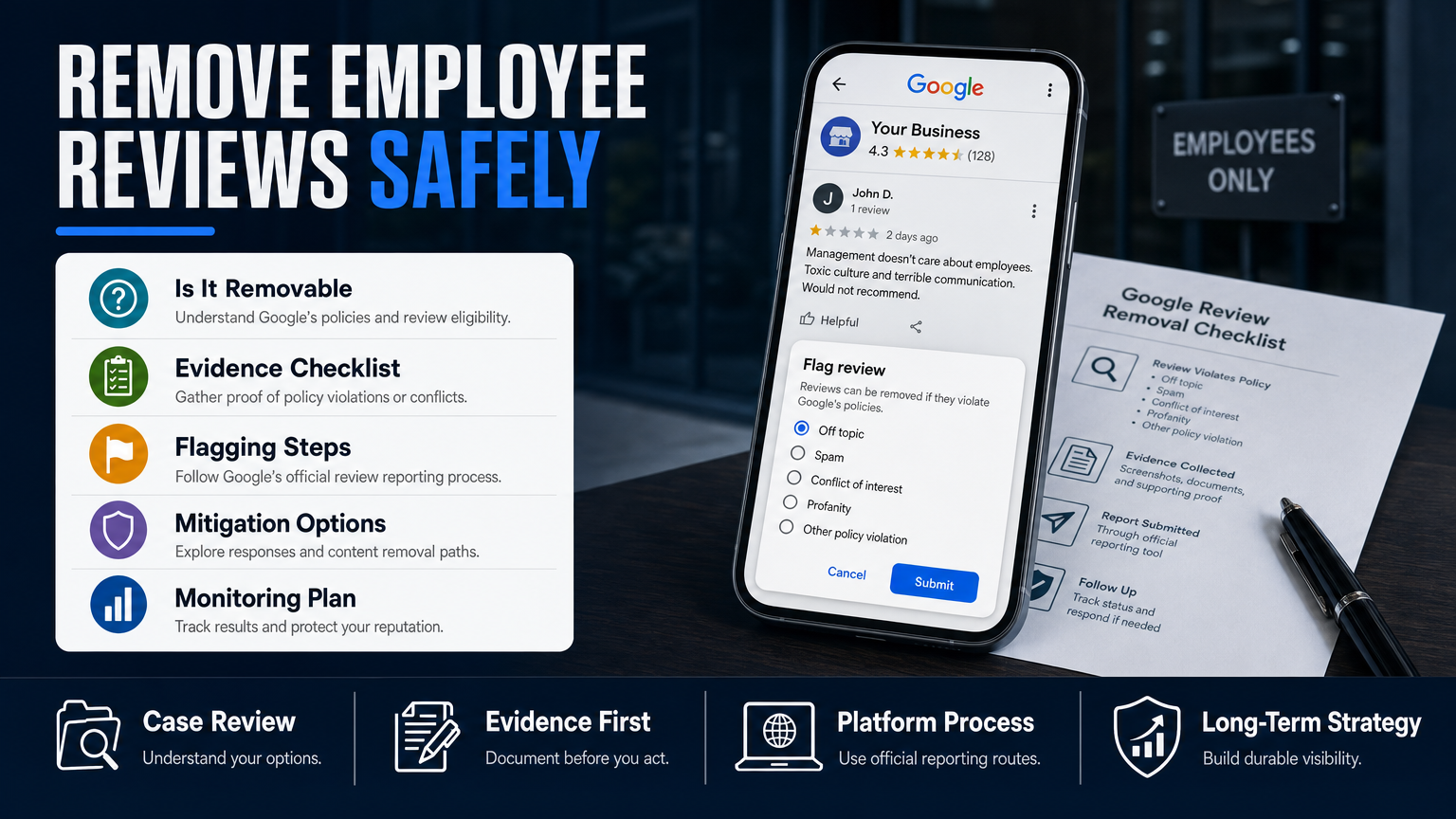
A common point of confusion arises with negative reviews or defamatory text; these are not copyright issues and thus fall outside the scope of the DMCA.
Consequently, the first and most crucial step is accurately identifying whether the unauthorized use of your material constitutes a true violation of your copyright, as defined by U.S. law.

The Strategic Moment: When to Deploy a Takedown
Determining the precise moment to initiate a DMCA takedown request involves both legal and strategic consideration.
The most straightforward scenario is when your copyrighted work is reproduced in full without permission, such as a blog article scraped by another site.
But the digital landscape is often grayer.
What about a social media influencer using your product photo without a license?
Or a website that excerpts a small, but crucial, part of your report?
The legal concept of “fair use” creates a complex battlefield.
While a full reproduction is a clear violation, uses for criticism, commentary, or news reporting may be protected.
Therefore, before filing, a strategic assessment is required: is the use likely to be considered fair, or is it clearly infringing?
Filing a bad-faith claim against a legitimate fair use can expose you to legal liability, making discernment paramount.
The Practical Execution: How to File Correctly
The process of how to use a DMCA takedown request is formalized to ensure legitimacy.
It is not a simple complaint but a legal notification.
To be effective, your notice must be sent to the designated agent of the website’s hosting service or platform and include several specific elements.
You must identify the copyrighted work you claim is infringed.
You must also pinpoint the infringing material, ideally with a direct URL.
Perhaps most importantly, you must include a statement, made under penalty of perjury, that you have a good faith belief the use is not authorized.
This formal requirement separates a DMCA takedown request from a casual customer service email and grants it its legal force, compelling the service provider to act to maintain their own safe harbor protections under the law.

Navigating the Counter-Notice: The Other Side of the Coin
What happens after you file is just as critical.
The DMCA process is designed to be balanced, which means the alleged infringer has the right to submit a counter-notice if they believe the removal was mistaken.
This counter-notice asserts their right to use the material, often claiming fair use or challenging the originality of the work.
Upon receiving a valid counter-notice, the platform is generally required to restore the content within 10-14 business days, unless you inform them that you have filed a lawsuit to stop the infringement.
This step elevates the dispute from an administrative takedown to a federal court case, a significant escalation that requires serious consideration of legal costs and the strength of your copyright claim.
Frequently Asked Questions
What is the difference between a DMCA takedown and a content removal request?
A DMCA takedown is a specific legal process for copyright infringement, while a content removal request is a broader term that can refer to asking a platform to remove content for violating its community guidelines (e.g., hate speech, harassment), which are not necessarily copyright issues.
Can I file a DMCA takedown for a Google review?
No. A Google review is a user’s original text. You cannot claim copyright over someone else’s opinion, even if it is negative and harmful. Other avenues, like reporting it for policy violations, must be pursued instead.
How long does a DMCA takedown usually take?
Most reputable platforms and web hosts act on a properly filed DMCA takedown request within 24 to 48 hours. The speed is one of its key advantages over lengthier legal proceedings.
What happens if someone files a false DMCA claim against me?
You can file a counter-notice. If the claim was knowingly false, you may have grounds to sue the original filer for damages resulting from the wrongful takedown, protecting you from malicious use of the system.
Do DMCA takedowns work internationally?
The DMCA is U.S. law, but its principles are echoed in other countries’ laws.
Furthermore, most major international platforms and hosting companies with a presence in the U.S. will honor a valid DMCA takedown request to maintain their legal standing globally.
The DMCA takedown request is ultimately a testament to the value of creation in the American digital economy.
It is a tool that empowers the individual photographer as much as the multinational corporation, providing a relatively swift and accessible means to defend one’s work.
Yet, its power is matched by its responsibility.
Wielding it effectively requires a clear-eyed understanding of its purpose—combating copyright theft, not silencing opposition.
In the end, the most robust digital strategy combines a readiness to use such legal instruments with a foundational commitment to creating and sharing original work that strengthens your reputation, making the need for takedowns the exception rather than the rule.
Follow us on social media:
Don’t forget to read our blog. Here is a link to our previous post: DMCA Takedown Request: Your 5-Step Copyright Shield