How Negative Google Results Impact High-End Medical Practices
Corporate Reputation Management for medical practices risks have emerged as a significant threat to elite medical professionals in the modern digital age. For high-end medical practices, reputation is the primary driver of patient acquisition. When a potential patient searches for a specialist, they are not just looking for credentials; they are searching for trust. In 2026, a practice’s financial valuation is inextricably linked to its digital footprint. When defamatory content, false claims, or malicious reviews appear in search results, they do not just hurt feelings—they devalue intellectual property and erode patient trust. Establishing a robust Corporate Reputation Management protocol is now a fundamental requirement for risk mitigation and clinical asset protection.

The Anatomy of a Digital Reputation Crisis
A digital reputation crisis often follows a predictable, yet destructive, technological path. It begins with the initial publication of negative content, which is often amplified by search algorithms that prioritize controversial narratives. Once this content gains traction, it is indexed by major search engines. In 2026, the speed of this indexation is near-instantaneous. The true danger lies in the “persistence factor.” Unless addressed through professional fake news removal services, this information becomes a permanent fixture in your practice’s search results, potentially haunting your referral pipeline for years to come.
The anatomy of a digital reputation crisis is made more complex by the interaction between social media and search engines. A negative review or defamatory post on a social media platform can quickly go viral, generating a significant volume of traffic and engagement. Google and other search engines interpret this activity as a signal of relevance, leading to the indexing and ranking of this content in a prominent position in search results.
Furthermore, the crisis can be exacerbated by “search fatigue.” Potential patients who are researching a medical practice can quickly become discouraged by the presence of negative content and abandon their search entirely. This means the practice loses not only the patient who was deterred by the negative content, but also all potential patients who were discouraged by the mere presence of the crisis.
Why Traditional PR Fails in the Modern Medical Sector
Traditional marketing strategies often focus on brochures or public rebuttals. In a digital ecosystem driven by search algorithms, these methods often fail because they lack the technical capability to suppress negative results. When a medical practice attempts to “argue” with a digital mob, they inadvertently provide more engagement to the content, which signals to Google that the topic is relevant, thereby boosting its visibility. Executives and clinic owners must shift toward a technical strategy focused on de-indexing and content dilution, ensuring that negative narratives are systematically pushed down by authoritative, verified information.
Traditional PR often relies on creating positive narratives and managing media coverage. However, these strategies are ineffective at addressing user-generated negative content and search algorithms. Negative content online can be persistent and difficult to remove, even with significant PR efforts.
Furthermore, traditional PR often lacks the technical expertise necessary to navigate the complex landscape of search engine optimization and online reputation management. Medical practices need a more specialized approach that combines traditional PR with advanced technical strategies to protect and enhance their digital reputation.
The Data-Driven Approach to Reputation Architecture
Successful Corporate Reputation Management in 2026 relies on a data-driven technical architecture. This includes sophisticated auditing of digital assets, granular analysis of search sentiment, and precise content de-indexing. To perform this correctly, one must follow industry standards, including the Google Search Central Guidelines on removing sensitive content, which acts as the primary external regulatory reference for search behavior. By aligning your strategy with these technical standards, you ensure that your efforts to safeguard your clinical narrative are not only effective but also compliant with platform policies.
The data-driven approach to reputation architecture allows medical practices to identify and prioritize the most critical reputation threats. By analyzing search sentiment and the visibility of negative content, practices can develop targeted strategies to address these threats and mitigate their impact.
Furthermore, the data-driven approach allows medical practices to track the effectiveness of their reputation management efforts. By monitoring changes in search sentiment and the visibility of positive content, practices can adjust their strategies as needed to ensure they are achieving the desired results.
Navigating the Intersection of Legal and Technical Solutions
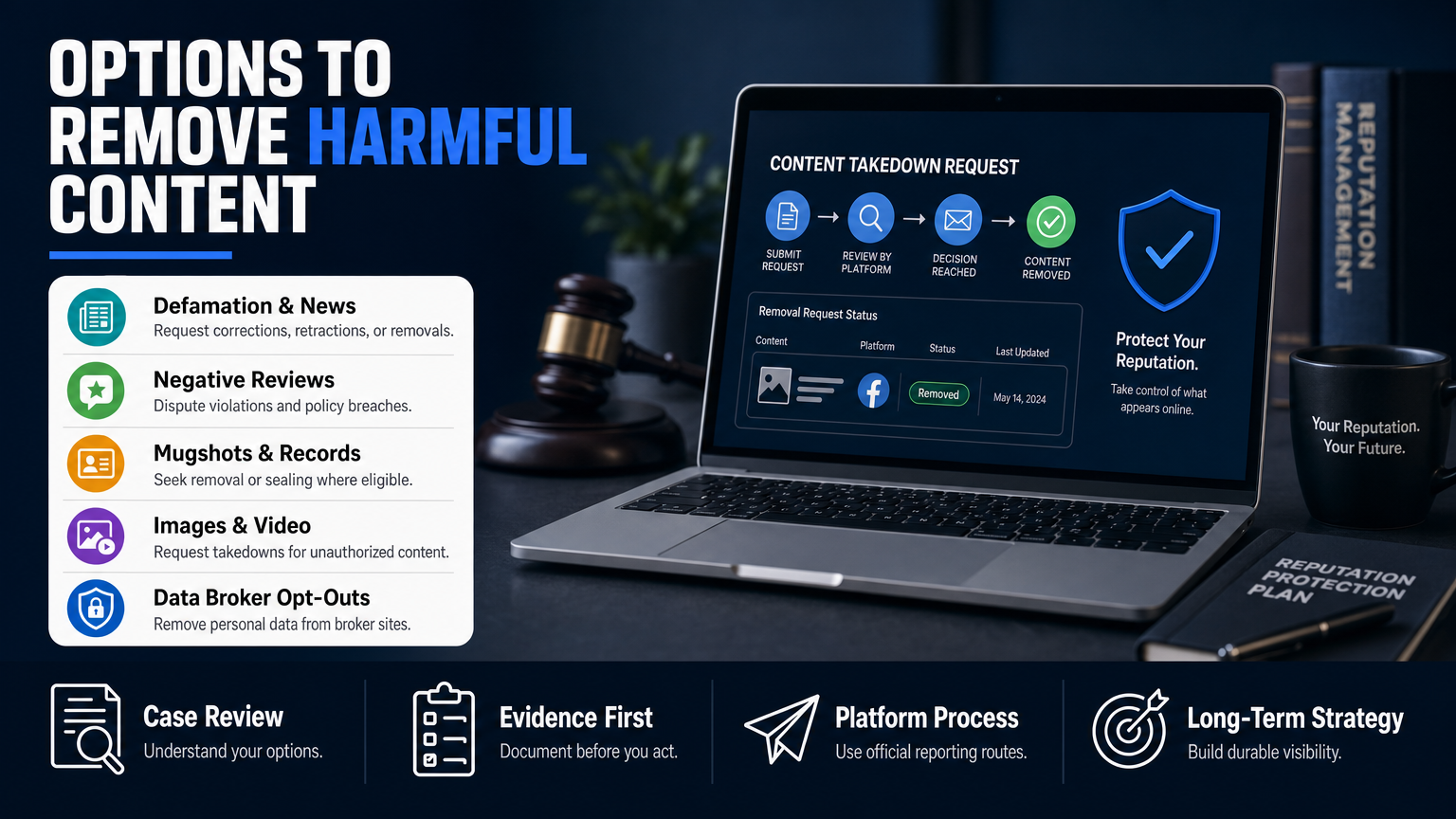
There is often confusion regarding when to involve legal counsel and when to utilize technical reputation firms. While legal teams are essential for addressing clear defamation or intellectual property theft, they are often unable to manage the algorithmic nature of search results. In many cases, specialized court record removal services are more effective at protecting your brand than litigation, which can be slow and draw additional media attention to the harmful content you are trying to suppress.
The intersection of legal and technical solutions requires careful consideration of the risks and benefits of each approach. Litigation can be expensive and time-consuming, and it does not always guarantee the removal of negative content.
Furthermore, litigation can attract additional media attention, which can exacerbate the reputation crisis. Medical practices must carefully weigh the potential benefits of litigation against the risks before proceeding.
The Psychology of Online Prejudice in Healthcare
When a high-end medical practice appears in search results alongside negative commentary, it creates an immediate psychological barrier. Patients often equate the digital visibility of a grievance with the quality of medical care, regardless of the validity of the claims. This “online prejudice” forces surgeons, dermatologists, and boutique clinic owners to engage in proactive Corporate Reputation Management to ensure that their clinical excellence is the first thing a prospective patient encounters. The complexity of these scenarios requires a sophisticated approach, as traditional medical marketing does not account for the algorithmic weight of negative sentiment.
The psychology of online prejudice in healthcare is complex and multifaceted. Patients often rely on online reviews and other user-generated content to make informed decisions about their medical care.
Furthermore, patients are often influenced by “negativity bias,” meaning they are more likely to remember and give weight to negative information than positive information. Medical practices must understand the psychology of online prejudice to develop effective strategies to mitigate its impact.
Building Sustainable Digital Resilience
Building long-term digital resilience requires a fundamental shift in how medical leadership perceives the internet. Rather than viewing the search landscape as a static information repository, executives must treat it as a dynamic environment that necessitates constant active curation. This involves the strategic deployment of high-authority content that acts as a digital bastion against volatility. By consistently producing verifiable clinical evidence, sophisticated white papers, and peer-reviewed testimonials, a practice can effectively preempt negative indexing, ensuring that your Corporate Reputation Management efforts result in a search landscape where facts dominate fiction.
Building sustainable digital resilience requires an ongoing commitment to online reputation management. Medical practices must regularly monitor their digital reputation and respond in a timely manner to any potential threats.
Furthermore, medical practices must invest in the creation of positive, authoritative content that can help protect and enhance their digital reputation. This content may include blog posts, articles, videos, and other resources that demonstrate the practice’s expertise and commitment to clinical excellence.
The Operational Cost of Digital Neglect
Furthermore, the operational implications of failing to manage this space extend far beyond patient acquisition. When a practice allows misinformation to propagate, it inevitably invites scrutiny from stakeholders and investors who perform digital due diligence. The cost of inaction is magnified across the entire business lifecycle, transforming a minor public relations annoyance into a systemic threat to enterprise value. Clinical directors must integrate digital integrity into their standard operating procedures, ensuring that every touchpoint—from intake forms to executive publications—is optimized for clinical excellence and digital resilience. If your practice is currently facing damaging coverage in the press, utilizing a professional news articles removal service is a critical operational step.
The operational cost of digital neglect can be substantial and affect every aspect of the business. Medical practices may lose patients, employees, and business partners due to a damaged digital reputation.
Furthermore, medical practices may face legal and regulatory challenges due to digital neglect. Practices must understand the operational risks associated with digital neglect and take steps to mitigate them.
Advanced Sentiment Analysis and Predictive Mitigation
True excellence in Corporate Reputation Management requires the implementation of predictive mitigation strategies. This involves utilizing advanced sentiment analysis tools to identify emerging clusters of negative discourse before they reach critical mass. By monitoring specialized forums, social media threads, and niche medical directories, a practice can detect the early signals of a potential reputation threat. This proactive stance allows for the immediate deployment of authoritative, verified content that redirects the search narrative, effectively neutralizing a potential crisis in its nascent stage. One such proactive measure involves utilizing Google auto-complete suggestions management to ensure that search queries related to your clinic lead to neutral or positive associations rather than inflammatory ones. This data-driven foresight is what separates market-leading institutions from those perpetually struggling to repair their image in the aftermath of a digital incident.
Advanced sentiment analysis allows medical practices to identify the underlying causes of negative sentiment. By understanding the complaints and concerns of patients, practices can take steps to address them and improve the patient experience.
Furthermore, advanced sentiment analysis allows medical practices to track changes in search sentiment over time. By monitoring trends in search sentiment, practices can adjust their strategies as needed to ensure they are achieving the desired results.
Mitigating the Impact of Algorithmic Amplification
Search engine algorithms are designed to prioritize high-engagement content, which unfortunately often includes controversial or inflammatory claims against medical professionals. When a practice is subject to an influx of negative interaction, the algorithm may inadvertently elevate this content to the top of search results, assuming it holds high public interest. Counteracting this requires a sophisticated understanding of digital architecture. Rather than attempting to engage with the negative content—which only provides the engagement signals the algorithm craves—the strategy must focus on the aggressive promotion of high-authority, clinical-grade assets. By flooding the search landscape with verifiable data, peer-reviewed research, and institutional credentials, a practice forces the algorithm to re-evaluate the relevance of the negative content, systematically diluting its visibility until it is relegated to non-indexed pages.
Mitigating the impact of algorithmic amplification requires a deep understanding of how search algorithms work. Practices must focus on creating content that is highly relevant, authoritative, and engaging, which can help to improve their search engine rankings and suppress negative content.
Furthermore, medical practices must be careful not to engage with negative content in a way that provides it with more engagement signals. Instead, they should focus on creating positive, high-quality content that will naturally outperform negative content in search results.
The Strategic Importance of Institutional Thought Leadership
Beyond defense, the most effective Corporate Reputation Management strategy is a powerful offense through institutional thought leadership. Medical practices that position themselves as academic and operational authorities are inherently more resilient to digital volatility. When a practice regularly publishes proprietary research, clinical white papers, and expert analysis on emerging medical technologies, it establishes a high barrier to entry for defamatory content. Potential patients and stakeholders are far more likely to trust the voice of a clinic that consistently demonstrates clinical superiority through transparent, verified expertise. By transforming the practice into a primary source of high-quality information, you shift the narrative away from speculative rumors and toward the actual clinical outcomes and professional standards that define your brand’s integrity.
Institutional thought leadership is a long-term investment that can pay off in terms of increased patient trust and brand equity. By positioning themselves as thought leaders, medical practices can differentiate themselves from their competitors and attract more patients who are seeking high-quality care.
Furthermore, institutional thought leadership can help to protect and enhance a practice’s digital reputation over time. By consistently demonstrating their expertise and commitment to excellence, medical practices can build a strong and resilient brand that is better able to withstand any digital challenges.
Frequently Asked Questions
Why does my medical practice rank for negative terms?
Search engines prioritize content that generates high engagement. If a negative post receives many views or clicks, Google’s algorithm interprets this as a signal of high relevance, pushing it higher in the results.
Can I legally remove all negative content from Google?
While you can remove content that violates legal statutes, the most efficient path for corporate protection is often technical de-indexing and content displacement, which focuses on suppressing the visibility of the content.
How long does a reputation restoration strategy take?
The timeline varies based on the severity of the content, but most professional Corporate Reputation Management frameworks show significant improvements in search visibility within 90 to 180 days of systematic intervention.
Should I respond to a negative review in a medical context?
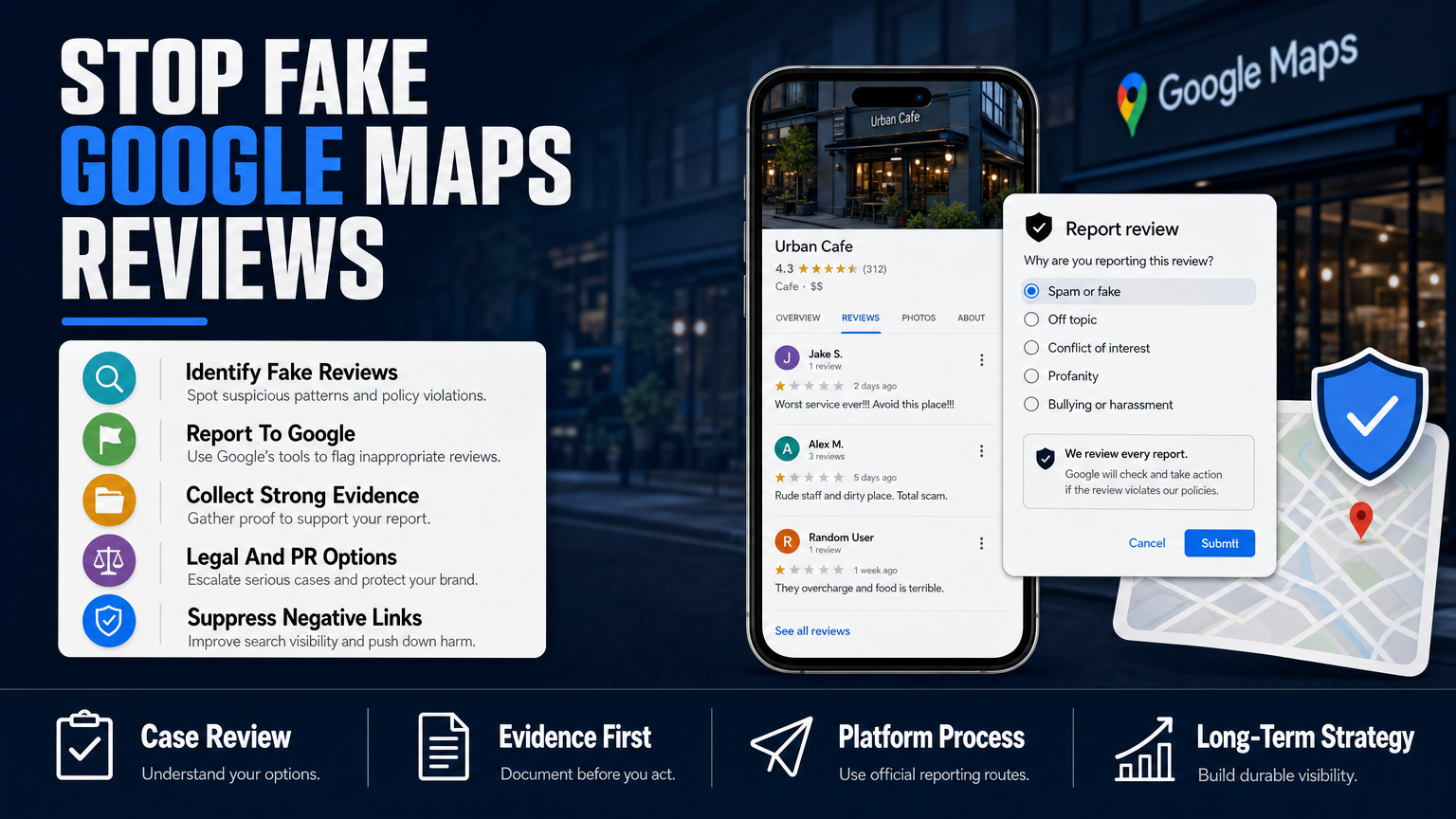
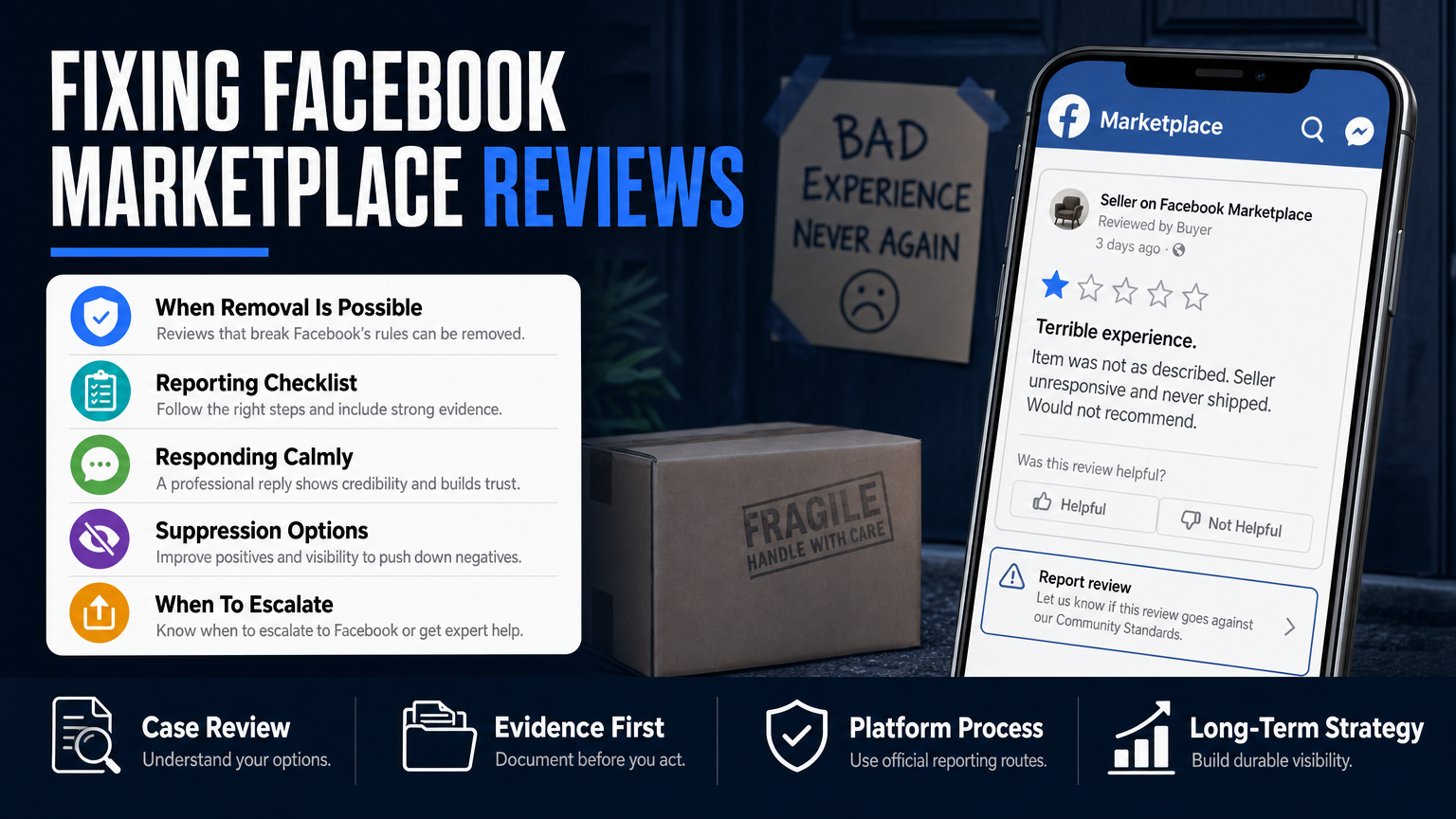
Responding requires extreme care to remain HIPAA-compliant. It is often better to consult with a reputation specialist to craft a response that protects your legal interests while addressing the patient’s concerns.
Corporate reputation is a dynamic asset that requires constant, professional stewardship. It is not something that happens in the background; it is built, maintained, and defended daily. As we move further into 2026, the practices that thrive will be those that view reputation management as a core operational competency rather than a luxury. By deploying sophisticated technical strategies, your practice can remain resilient, ensuring that your clinical integrity is defined by your outcomes, not by the unverified narratives of the internet.