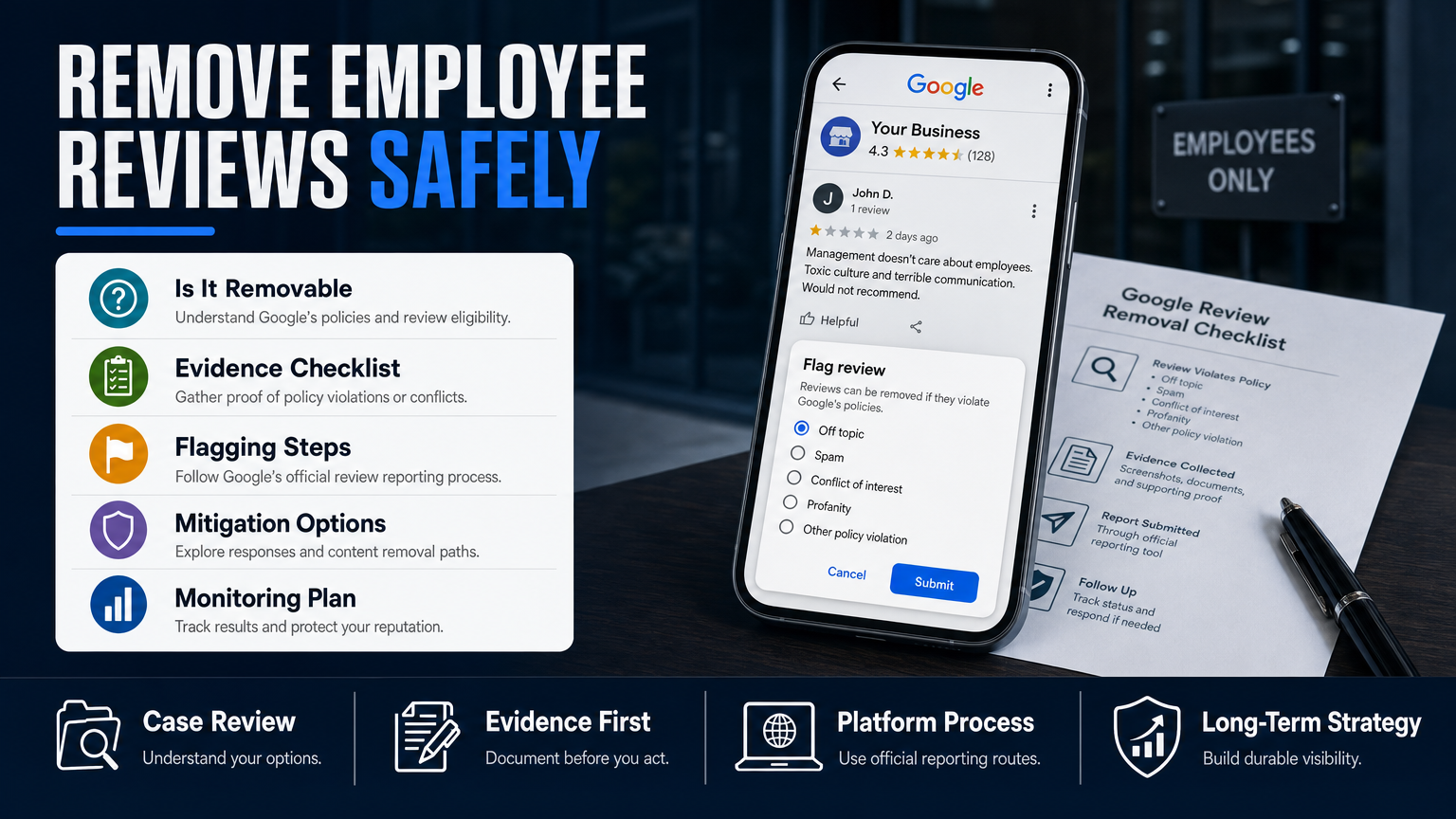

Remove old news articles and take back control of your name, your future, and your peace of mind.
It only takes one outdated headline to overshadow years of personal growth, business results, or public service.
But is it fair that a mistake, a controversy, or even a misleading report continues to follow you long after the facts have changed?
And if the internet never forgets, is there any realistic way to bury or remove old news articles without harming your credibility?
These questions have become urgent for business leaders, executives, public figures, and everyday professionals.
In the United States, Google has turned search results into a public resume, while in Mexico, reputation is still heavily influenced by media relationships and political interests.
Yet in both countries, a single link can damage trust, freeze opportunities, or sabotage a career.
That is why knowing how to remove old news articles is no longer a luxury—it is a survival skill.
The Economic and Social Cost of Outdated News
The impact of negative press goes far beyond embarrassment.
In the U.S., investors Google executives before funding projects, voters research candidates before supporting campaigns, and consumers check companies before spending money.
One outdated accusation or sensationalized local story can sabotage negotiations, hiring decisions, loan approvals, and strategic partnerships.
Even if the issue was resolved years ago, the internet has no context, and algorithms do not care about fairness.
Meanwhile, in Mexico, news often circulates with political intention.
When old content resurfaces during elections, business disputes, or public debates, it can shift public perception overnight.
This cross-border similarity reveals a powerful truth: online narrative controls real-world opportunity.
Therefore, removing old news articles—or at least burying them—is a matter of economic self-defense.
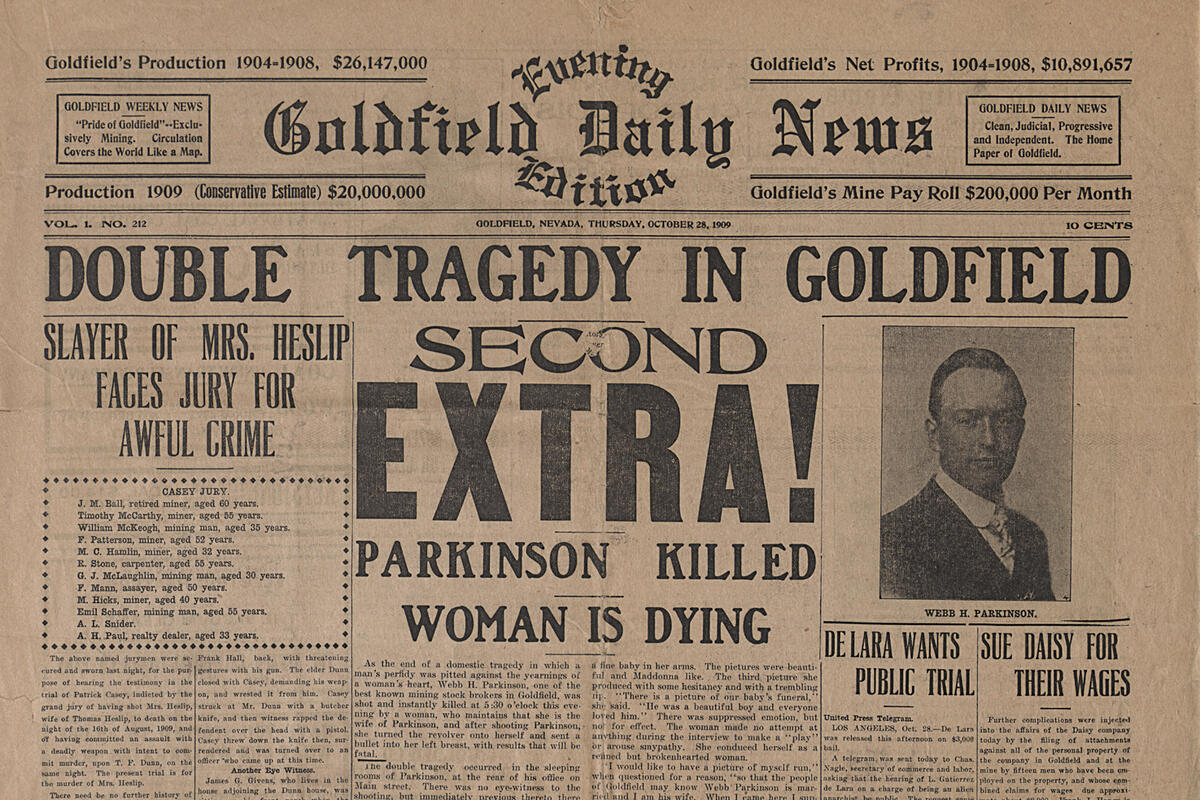
Why Removing Old News Is So Difficult
Many professionals assume they can simply “ask the newspaper to delete it.”
But in the U.S., the First Amendment protects published information, and most media outlets refuse to erase content even when it is outdated or disproven.
So what can you do when a harmful headline keeps ranking on page one?
If deletion is unlikely, the strategic alternative is suppression: publish stronger, optimized content that outranks the negative link.
Over time, this pushes the old article down to pages where almost no one will see it.
Search behavior matters here. Studies show that 90% of Americans never scroll past page one of Google.
If you remove old news articles from page one—even if they still exist online—you have effectively neutralized their impact.
How Suppression Works in Practice
To suppress outdated press, reputation agencies combine SEO, content creation, media outreach, and legal tools.
The goal is to generate positive, authoritative material that Google considers more relevant.
When that happens, harmful links lose visibility and credibility.
In Mexico, this approach is especially effective because digital ecosystems are smaller and easier to influence.
In the U.S., results take longer, but the strategy remains the same: flood page one with accurate, current, and positive information that reflects who you are today—not who you were in a crisis years ago.

Frequently Asked Questions
- Can I legally remove old news articles from Google?
Only in cases involving privacy violations, defamation, or outdated personal data. Otherwise, suppression is the best route. - How long does suppression take?
Most cases take three to six months, depending on the strength of the original news source. - Will journalists cooperate if I request removal?
Rarely. U.S. outlets avoid deleting archives to protect journalistic integrity. - Can one old article really hurt my future?
Yes. Employers, banks, partners, and voters form opinions through online searches.
Does suppression really work long-term?
Yes, if you maintain ongoing positive content and keep your digital presence active.
A Final Reflection
The internet has given society an endless memory but has taken away forgiveness.
Still, you are not powerless. If a headline from your past is blocking your future, you can remove old news articles from the narrative that defines you.
In both Mexico and the United States, reputation is now a strategic asset.
Protect it, invest in it, and update it—just as you would update your business, your skills, or your public profile.
Your name deserves context, and your story deserves a second chance.
Follow us on social media:
Don’t forget to read our blog. Here is a link to our previous post: DMCA Takedown Request: Your 5-Step Copyright Shield