
The Long-Term Impact of Negative Search Results on Doctors
The Long-Term Impact of Negative Search Results on Doctors is a critical concern in today’s digital-first healthcare landscape, where a physician’s professional identity is increasingly defined by the trail of information left online. In the modern medical environment, a doctor’s reputation is no longer confined to the four walls of their clinic or the accolades on their office wall; instead, it is shaped by patient reviews, news coverage, and social media commentary. For medical professionals, whose entire practice is built upon the foundational pillars of trust, authority, and patient confidence, the emergence of negative search results is not merely an inconvenience—it is a significant, long-term threat to their career trajectory. When a prospective patient conducts a “due diligence” search and encounters inflammatory content, unfounded allegations, or biased reviews, the psychological impact on their decision-making process is immediate and often irreversible. This article explores how these digital scars persist, the economic and professional erosion they cause over time, and why doctors must treat their online presence as a critical component of their medical practice rather than an afterthought.

The Fragility of Medical Reputation in the Digital Age
The trust dynamic between a doctor and a patient is uniquely delicate, built upon a foundation of vulnerability and high expectations. When a physician’s reputation is challenged publicly, the fallout is rarely contained. The Long-Term Impact of Negative Search Results on Doctors goes far beyond the surface level of a low star rating; it fundamentally alters the patient’s perception of safety, competence, and reliability long before the first consultation has even been considered. In an era where patients frequently use Google as their primary diagnostic and referral tool, a single negative news report or a series of coordinated, disgruntled reviews can act as a permanent filter through which all future patient interactions are filtered.
This environment is particularly hazardous because of the asymmetry between negative and positive feedback. Patients who are motivated by frustration or perceived slights are highly likely to document their experiences online, whereas satisfied patients, who represent the vast majority of a successful practice, often feel no need to proactively praise their physician. This imbalance creates a skewed digital reality that can plague a doctor for decades. Because search engines prioritize content that generates high levels of user engagement—clicks, shares, and long reading times—even outdated, inaccurate, or resolved complaints can remain at the top of the results pages. Consequently, The Long-Term Impact of Negative Search Results on Doctors creates a perpetual state of reputational vulnerability that demands constant monitoring and strategic management, as the digital ecosystem does not naturally forgive or forget.
Furthermore, the mental health implications for physicians facing this digital scrutiny are profound and often overlooked. Constantly living under the shadow of a negative digital narrative can lead to defensive medicine, increased stress, and a significant diminishment of professional satisfaction. When a doctor feels that their hard-earned credentials and decades of patient care are being unfairly undermined by an unvetted or malicious online presence, the erosion of their confidence can subtly affect their clinical decision-making. By understanding The Long-Term Impact of Negative Search Results on Doctors, one recognizes that this is not just about marketing; it is about preserving the mental and professional well-being of the medical community in a digital age that rarely offers a clean slate.
Algorithmic Bias: Why Negative Content Remains Visible
Search engine algorithms are complex, but their goal is straightforward: to provide “relevant” information that captures user attention. Unfortunately, in the context of professional profiles, “relevant” is frequently interpreted as “high engagement.” Because human psychology is naturally wired to pay more attention to negative content, reviews that express anger, fear, or sensationalized allegations receive significantly more clicks and shares than neutral or balanced feedback. This creates a powerful, self-reinforcing cycle where the search engine algorithm continues to promote negative content to anyone searching for that doctor’s name, cementing its position at the top of the search engine results pages (SERPs). The Long-Term Impact of Negative Search Results on Doctors is significantly exacerbated by this algorithmic bias, as it inherently favors the sensational over the factual.
This algorithmic bias is particularly damaging when combined with the lack of rigorous quality control on many high-authority review platforms. Unlike a medical peer-review process, which requires objective evidence, online review sites are often highly susceptible to manipulation, spam, or simply inaccurate patient accounts that are presented as definitive truths to the public. When these platforms have high domain authority, their content becomes the primary source of information for the general public, effectively overriding the physician’s official clinical website and peer-reviewed accomplishments. The Long-Term Impact of Negative Search Results on Doctors here is clear: the physician’s expertise is effectively sidelined by a few lines of text from an unverified source, a dynamic that is difficult to disrupt without advanced technical intervention.
Additionally, features such as Google’s “Autocomplete” and “People Also Ask” can further complicate the issue by proactively suggesting negative associations. If a doctor’s name becomes associated with specific negative terms due to a viral incident, these features may automatically prompt those terms to anyone searching for the doctor, creating a subconscious bias before the user even clicks a result. Breaking this cycle requires a sophisticated, high-level understanding of search engine optimization (SEO) and digital reputation management. Doctors must recognize that The Long-Term Impact of Negative Search Results on Doctors is sustained by these automated systems, and counteracting them involves actively displacing negative associations with new, accurate, and high-quality information that the algorithms will eventually learn to prioritize.
Economic Consequences and the Future of Private Practice
The economic fallout from a tarnished digital reputation is substantial and often measurable. When a practice’s digital presence is compromised, the conversion rate from online discovery to actual appointment booking drops significantly. Patients who are already apprehensive about a health issue are highly unlikely to schedule a visit with a physician whose digital presence raises even a single red flag. Analyzing The Long-Term Impact of Negative Search Results on Doctors reveals that the lost revenue is not merely a one-time event; it represents a lifetime of lost potential, as a single patient who is turned away by a negative search result could have become a long-term advocate for the practice and a source of future referrals.
Moreover, the financial consequences extend well into the realms of recruitment and professional partnerships. Physicians looking to bring on associates, expand their private practice, or seek hospital affiliations may find their ability to negotiate hampered by their online presence. Partners and hospital administrators, who are increasingly mindful of their own institutional reputations, perform thorough digital background checks on all potential collaborators. A negative search result that hasn’t been properly managed can become a major friction point, delaying business deals or causing lucrative partnerships to fall through entirely. The Long-Term Impact of Negative Search Results on Doctors is, therefore, a core business risk that directly correlates with the overall valuation of the practice.
Finally, the rising costs of mitigation must be factored into the business plan of any successful practice. As the landscape of online reputation management becomes increasingly complex, doctors often find themselves needing to invest significantly in professional services, legal consultations, and strategic content creation to reclaim their narrative. This is an unavoidable business expense in the current climate, yet it is one that many medical professionals are ill-equipped to manage independently. Relying on a “crisis-driven” approach means that a physician is always reactive, spending more time and money on damage control rather than focusing on the growth and optimization of their clinical services. A proactive approach to managing The Long-Term Impact of Negative Search Results on Doctors is essentially an investment in the long-term financial security and stability of the practice.
Strategic Frameworks for Professional Reputation Recovery
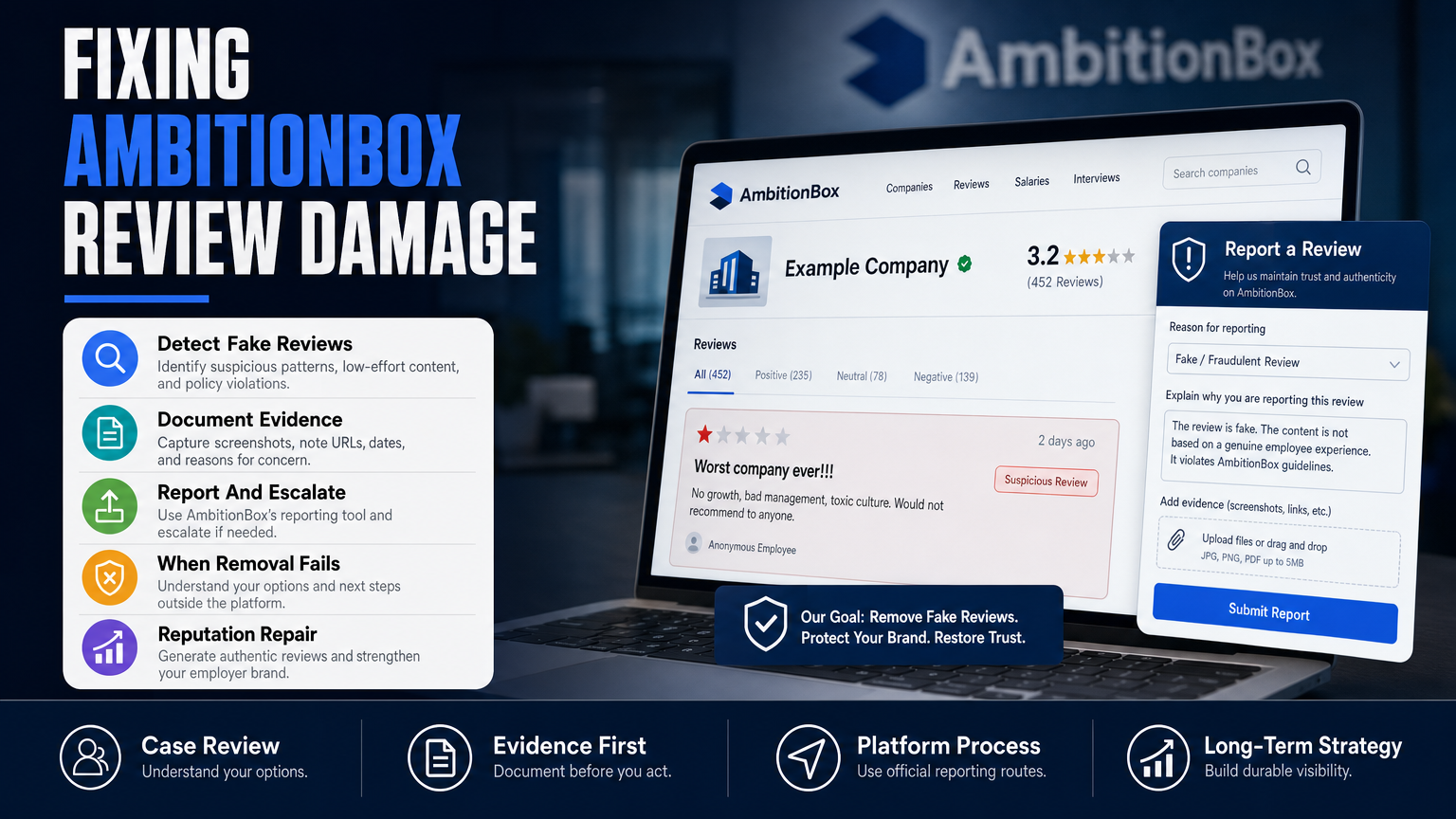
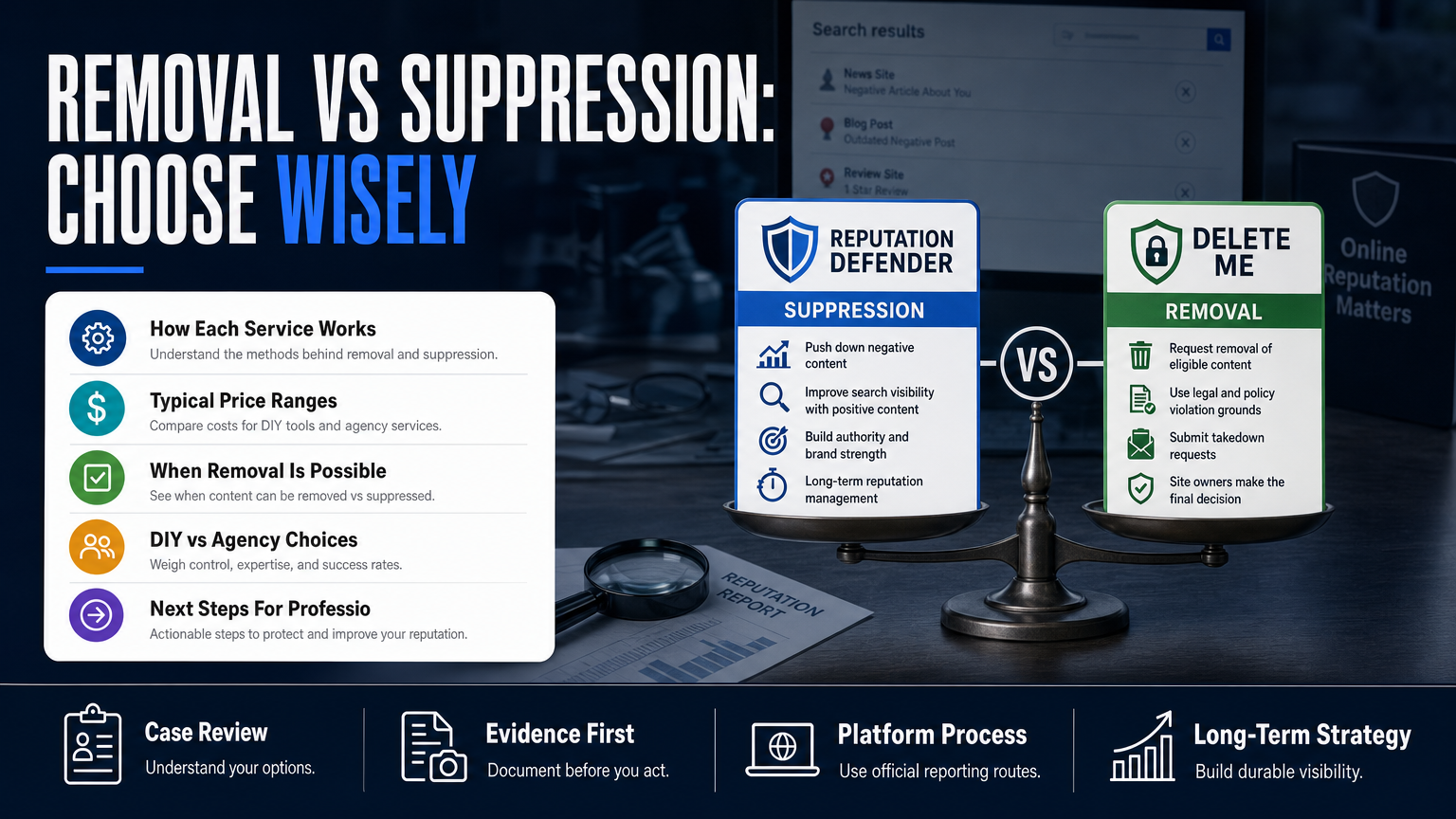
Recovering from The Long-Term Impact of Negative Search Results on Doctors is not a process of “erasing” the past, but rather one of strategic narrative building and digital dominance. The first essential step for any medical professional is a comprehensive audit of their current digital footprint, identifying the most damaging results, the sources of these results, and the ways in which they are being surfaced by search engines. This audit provides the baseline for a long-term recovery strategy, allowing the doctor to move away from reactive panic and toward a structured, evidence-based approach. By utilizing professional reputation repair services, physicians can address the most egregious cases of defamation or algorithmic bias with the precision needed to regain control.
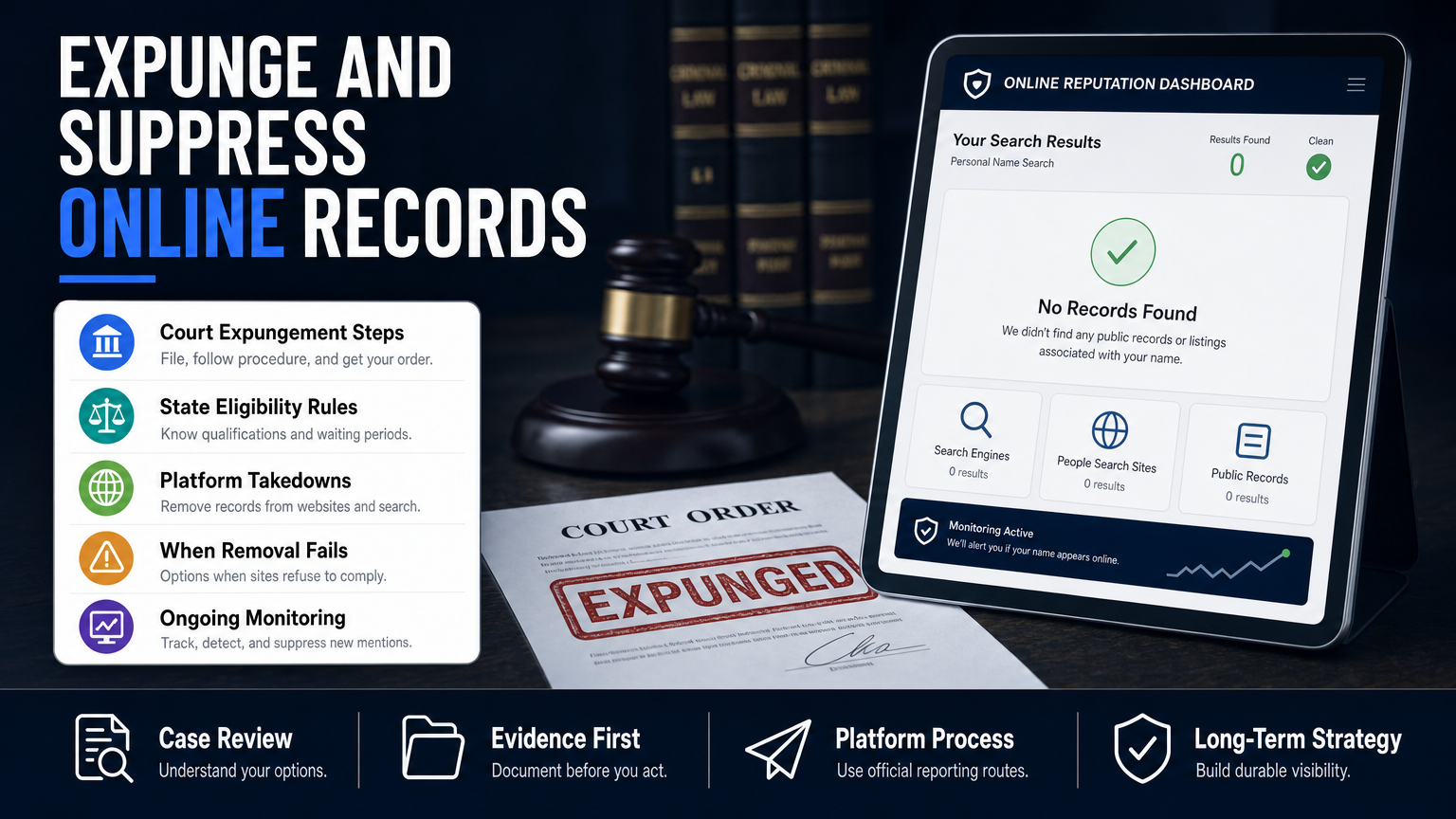
Once the initial audit is complete, the focus must shift to building a “digital fortress” around the doctor’s name. This involves creating and maintaining high-quality, authoritative content that is designed to rank highly on search engines. This includes clinical articles, educational blog posts on health topics, contributions to professional medical journals, and verified profiles on reputable medical directories. By flooding the search landscape with professional, accurate, and positive information, the physician can effectively dilute the influence of negative content. Recognizing The Long-Term Impact of Negative Search Results on Doctors early allows for a transition from being a victim of the search results to being the primary author of one’s own professional narrative.
It is also crucial to engage with feedback in a professional, compliant, and empathetic manner. When a negative review does appear, there are often ways to address it that demonstrate a commitment to patient satisfaction without violating privacy laws. Knowing how to handle these interactions publicly is a delicate skill, but it is a key component of a robust digital reputation strategy. Furthermore, leveraging established protocols for flagging content that violates platform policies is essential. By consistently using content removal services, doctors can ensure that false or demonstrably damaging information is dealt with according to the rules of the platforms. Ultimately, managing The Long-Term Impact of Negative Search Results on Doctors is a long-term commitment to professional excellence and digital clarity.

Protecting Your Legacy Through Proactive Management
A doctor’s professional legacy is built over a lifetime of dedicated study and thousands of patient lives impacted. It is a tragedy when this life’s work is overshadowed by a misleading digital incident that has been amplified by an automated algorithm. Proactive management of your online reputation is the ultimate safeguard for that legacy. It is about taking the initiative to shape the public’s perception rather than leaving it to the chance of an unmoderated review section. This work is not just for the present—it is for the future, ensuring that the excellence of your work is protected for years to come.
The risks of inaction are simply too high in the current digital landscape. The longer a negative narrative persists, the more deeply it becomes embedded in the fabric of your online identity, making it exponentially harder and more expensive to rectify. By choosing to act proactively, you are asserting control over your professional journey and ensuring that your skills, your ethics, and your dedication to your patients are the primary elements that define you. This is a commitment to the integrity of the medical profession itself, as it helps to maintain the public trust that is so vital to the health of our communities.
When you invest in your digital reputation, you are investing in the health of your practice. A physician who is recognized for their authority, compassion, and reliability will always attract the right patients and the right partners. This is not about building a superficial brand; it is about ensuring that your digital footprint accurately communicates the clinical excellence that you strive to achieve every single day. The impact of understanding and mitigating The Long-Term Impact of Negative Search Results on Doctors extends to the very core of your practice, supporting the stability, growth, and long-term success of the work you do.
FAQ
How does The Long-Term Impact of Negative Search Results on Doctors affect my practice?
It primarily affects new patient acquisition, can hinder professional partnerships, and may influence hospital privileges by damaging the overall perception of reliability.
Can I ignore these results?
Ignoring them is a strategy for decline. It allows the negative narrative to become more deeply embedded in your online identity, making it significantly harder to rectify in the future.
What is the best way to counteract this?
The most effective approach is to build a “digital fortress” of high-quality, authoritative content that displaces negative results, combined with professional monitoring.
The Long-Term Impact of Negative Search Results on Doctors is a reality that cannot be ignored in today’s digital age. As algorithms continue to prioritize engagement and sensationalism over factual accuracy, the reputation of even the most dedicated and skilled physicians remains at risk of distortion. However, this is not a permanent sentence. Through a strategic, proactive, and persistent approach to managing your digital footprint, you can effectively counteract these negative influences, protect your economic interests, and ensure that your professional narrative remains firmly under your control. Your commitment to clinical excellence should be matched by a commitment to your online reputation, preserving the legacy you have worked a lifetime to build. By addressing the Long-Term Impact of Negative Search Results on Doctors today, you ensure that your digital presence reflects the true quality of the care you provide.
Take Control of Your Reputation Today
Don’t let a distorted digital narrative dictate your practice’s future. Your reputation as a medical professional is built on trust, and defending that trust in the digital age requires a specialized, proactive strategy.
Our team specializes in helping physicians and medical practices identify vulnerabilities, manage their digital presence, and build a footprint that accurately reflects their clinical excellence. Take the first step toward reclaiming your online authority.