How Local Crime Pages Turn Ordinary Incidents Into Viral Content
In today’s digital landscape, understanding the mechanics of how information spreads is the first step in protecting your professional narrative, especially when dealing with a digital reputation strategy that needs to withstand the volatility of social media. The rise of local crime pages has fundamentally changed how community incidents are reported, shared, and perceived by the public, shifting the paradigm from objective news gathering to subjective, narrative-driven storytelling that often ignores the presumption of innocence. What often begins as a simple, verified report from a local police department is frequently hijacked by page administrators who prioritize sensationalism over factual reporting, stripping away the context necessary to understand the reality of a situation. By using aggressive language, speculative theories, and emotionally charged imagery, these platforms transform ordinary incidents—like a minor traffic dispute, an accidental misunderstanding in a store, or an unsubstantiated noise complaint—into viral content that spreads across regional feeds within mere hours. This phenomenon is not merely a byproduct of citizen journalism; it is a calculated, persistent effort to drive engagement metrics such as shares, comments, and reactions, which ultimately benefit the page owner’s monetization efforts while simultaneously putting the reputation of innocent individuals at severe, potentially irreversible risk. When an ordinary incident becomes the subject of a viral crime post, the lack of due process becomes glaringly apparent, as the court of public opinion often acts as judge, jury, and executioner long before any official investigation is concluded, leaving the subject of the post to deal with the fallout of a digital stigma that persists far longer than the truth itself.

The Algorithmic Hunger for Sensationalism
The core engine driving the success of local crime pages is the social media algorithm, which inherently favors content that provokes a strong, immediate emotional reaction, whether that be fear, anger, or moral indignation. When an administrator posts about a “suspicious individual,” a “dangerous altercation,” or “thieves in the neighborhood,” they are not just sharing news; they are triggering a primal “fight or flight” response in their audience, ensuring that users feel compelled to share the warning with their own networks. This psychological hook is deliberate; it ensures that users who might otherwise scroll past a mundane local update stop, read, and engage with the content, thereby fueling the platform’s visibility and dominance in local feeds.
As the comments section fills with rampant speculation, vitriolic outrage, and anecdotal “evidence” from neighbors who were not even present, the algorithm rewards the page with higher reach and increased impressions. This visibility pushes the content to more people who are equally likely to engage, creating a self-reinforcing ecosystem where the accuracy of the information becomes secondary to the volume of the noise generated. Unfortunately, this creates a toxic feedback loop where the more sensational and unverified a post is, the more successful it becomes in terms of reach, leaving almost no room for nuanced, responsible, or verified journalism in the local sphere.
The danger of this algorithmic hunger is that it incentivizes the removal of nuance. Complex situations that require careful reporting are flattened into black-and-white morality plays where the page administrator can position themselves as the savior of the neighborhood. This binary framing is highly attractive to users who want quick, digestible content that reinforces their existing biases or fears about the safety of their surroundings.
Furthermore, the pressure to be “first” leads many administrators to bypass basic verification steps. Instead of checking with authorities or seeking comments from the involved parties, they prioritize speed to ensure their post captures the early-adopter engagement wave. This race to the top of the feed inherently sacrifices truth at the altar of viral velocity, ensuring that by the time the actual facts emerge, the false narrative has already become the community’s consensus.
Ultimately, users are trained to respond to these triggers, creating a cycle where high-emotion content becomes the only currency that matters. Business owners and professionals caught in this crossfire often find that their years of reputation building are decimated in a single post that successfully manipulates this algorithmic preference for high-engagement, high-outrage material.
The Systematic Erosion of Privacy in the Digital Age
Privacy has effectively become a secondary concern in the relentless pursuit of viral fame, as many local crime pages routinely publish names, photos, residential addresses, and even employment information of individuals involved in minor incidents without their consent or legal verification. This exposure goes far beyond the public record, as it archives these incidents in a permanent, easily searchable digital format that can be accessed by future employers, landlords, clients, or acquaintances through a simple Google search. When private citizens become “content,” they lose the ability to control their own narrative, forced instead to exist in a public space defined entirely by the skewed, often malicious perspective of a crime page administrator.
The permanence of this digital footprint is one of the most challenging aspects of modern online life; once information is indexed by search engines, it becomes a shadow that follows an individual through every stage of their professional and personal development. This permanent exposure acts as a barrier to professional growth, as hiring managers or business partners who perform basic due diligence may encounter these viral threads and draw biased conclusions before the individual has a chance to present their side of the story.
Moreover, the digital nature of this exposure means that the original post can be re-shared, quoted, or screenshot months or even years later, reviving the incident exactly when it should have been forgotten. The lack of a “right to be forgotten” in the context of these private pages means that individuals are effectively sentenced to a lifetime of digital scrutiny. The erosion of this boundary between private life and public content is not an accident; it is the fundamental feature that makes these pages attractive to their audience.
This vulnerability is exacerbated by the lack of clear guidelines or legal repercussions for page admins who disclose sensitive information. Many administrators operate under the guise of “public interest,” using that shield to excuse the reckless dissemination of private data. Consequently, the individual victim is left to navigate a minefield of privacy violations, often discovering that their personal information has been shared with thousands of strangers within a matter of minutes.
Ultimately, the digital age has commodified privacy, turning sensitive personal details into assets that drive traffic to these local pages. Protecting one’s own data has thus become an active, defensive process rather than a default expectation, forcing individuals to constantly monitor their presence and intervene whenever their personal information is weaponized for the sake of an engaging, but harmful, viral story.
Analyzing the Economic Motives Behind the Page
It is absolutely crucial for the public and business owners to recognize that many of these local crime pages are not maintained by neutral observers, concerned citizens, or local journalists, but rather by individuals looking to aggressively monetize their local influence. Whether through direct ad revenue, brand sponsorships, selling promotional posts, or simply selling access to the page’s massive, captive audience, the administrator has a direct financial incentive to keep the “crime” content flowing and the engagement metrics consistently high. This motive fundamentally shifts the focus of the page from serving the community to exploiting local anxieties for pure profit.
By recognizing that these pages operate as businesses rather than news outlets, those who find themselves caught in a viral cycle can better understand that the aggression, mockery, and public shaming directed at them is a product of a cynical business model, not a reflection of their actual conduct, personality, or professional integrity in the community. The incentive structure dictates that the page must be “busy,” and if there are no actual crimes, the page will often inflate the importance of mundane disturbances or present them as looming threats.
The financial model also discourages any form of accountability or correction. If an admin deletes a post that is proven to be false, they lose the engagement revenue that the post generated, and they risk signaling to their audience that they are subject to external pressure. Therefore, they are often incentivized to double down, ignoring corrections or banning users who point out factual errors to maintain the integrity of their content stream.
This commercialization of local anxiety is a modern plague, turning the neighborhood experience into a spectator sport where the players—the community members—are not even aware that they are being used for profit. When you understand that these admins view a viral post about an incident involving you as a successful financial transaction, you can better detach your personal worth from the viral narrative they are spinning.
Therefore, professional survival requires a clear-headed approach that acknowledges these economic realities. Engaging in debates with the page admins is counterproductive because it only provides them with more interaction, which they monetize. Instead, a successful reputation defense involves strategic, legal, or platform-level interventions that bypass their business logic and target the underlying infrastructure that allows them to profit from your reputation.
The Devastating Impact of Speculation on Personal Narratives
When a crime page turns an ordinary incident into a viral story, the comment section often devolves into rampant speculation, where users invent motives, create false chronologies, and insert details that never existed in the original, official police report. This toxic, uncontrolled environment is where the real, long-term damage to personal and business reputation occurs, as casual observers take these baseless, anonymous rumors as established, undeniable facts. Managing this requires a proactive, highly technical approach because once a false narrative takes hold, it becomes extremely difficult to correct the record.
The speculative nature of these comments provides a veneer of credibility to the post, as multiple users “confirming” rumors—even if those rumors are fabricated—gives the original sensationalist claim an appearance of community consensus. This crowd-sourced defamation can be incredibly difficult to counter, as you are not just fighting the original post but the collective imagination of hundreds or thousands of commenters who are invested in the drama.
This collective storytelling often results in the creation of a “digital reputation” that has little to do with the individual’s real-life actions. For a business owner, this can mean a sudden decline in customer trust, as clients might see these viral threads and mistakenly believe the business is associated with illicit activity or poor service. The damage is compounded by the fact that many of these commenters feel no responsibility for the harm they cause, operating with the anonymity that social media provides.
Furthermore, this speculative environment often feeds into a broader climate of fear, where the mere association with a “crime” post is enough to stigmatize an individual in the eyes of their peers. The lack of evidentiary standards means that anyone can be accused of anything, and the burden of proof is effectively reversed; the individual is often forced to prove their innocence in a court of public opinion that has no interest in hearing the truth.
If your name, image, or company brand is being dragged through this process, it is vital to assess whether you need immediate, professional intervention to remove Instagram content or handle other platforms effectively. Understanding the need for a digital reputation strategy is essential because waiting for the “truth to come out” rarely works in the viral era.
When Digital Harassment Becomes a Community Norm
A dangerous and often overlooked outcome of the viral nature of these pages is the normalization of digital harassment, where community members feel emboldened to attack, threaten, or doxx individuals they perceive to be “wrongdoers” without needing any proof. The administrator of the page often encourages, facilitates, or ignores this behavior by failing to moderate comments or by participating in the vitriol themselves, creating a digital space where abuse is not only tolerated but actively celebrated as “community justice.”
For a victim, this can manifest as a terrifying, relentless experience where every notification represents a new, creative threat or insult, leading to significant psychological distress and genuine safety concerns. The harassment is often not limited to the online space; it can spill over into real-world encounters, where individuals report being followed, verbally abused in public, or having their businesses boycotted by neighbors who have been primed by the online narrative.
The normalization of this behavior creates a chilling effect on the entire community, where people are afraid to stand up for the truth or even participate in local discussions for fear of becoming the next target. The page admin effectively acts as a gatekeeper of social standing, determining who is worthy of community support and who is to be ostracized, all while benefiting from the increased activity that the harassment generates.
Addressing this type of coordinated, community-led harassment often requires much more than just ignoring the noise or responding in kind. It may necessitate the immediate use of professional facebook content remove tactics to protect your physical safety, your mental health, and your digital image from further degradation by online mobs who are driven by the admin’s inflammatory content.
This situation requires an recognition that your personal safety and professional standing are at risk. Relying on the goodwill of community members is insufficient when that goodwill has been poisoned by a malicious narrative. Taking decisive action is not just about clearing your name; it is about reclaiming your autonomy in a space where that autonomy is being actively stripped away.
Identifying and Fighting the Spread of False Information
The viral nature of these posts makes them a fertile breeding ground for false information, which spreads much faster than any subsequent correction, retraction, or clarification ever could. Because these pages often lack any editorial oversight, fact-checking procedures, or accountability, they frequently misidentify individuals, misinterpret the legal status of an event, or present incomplete stories that paint the subject in the worst possible light.
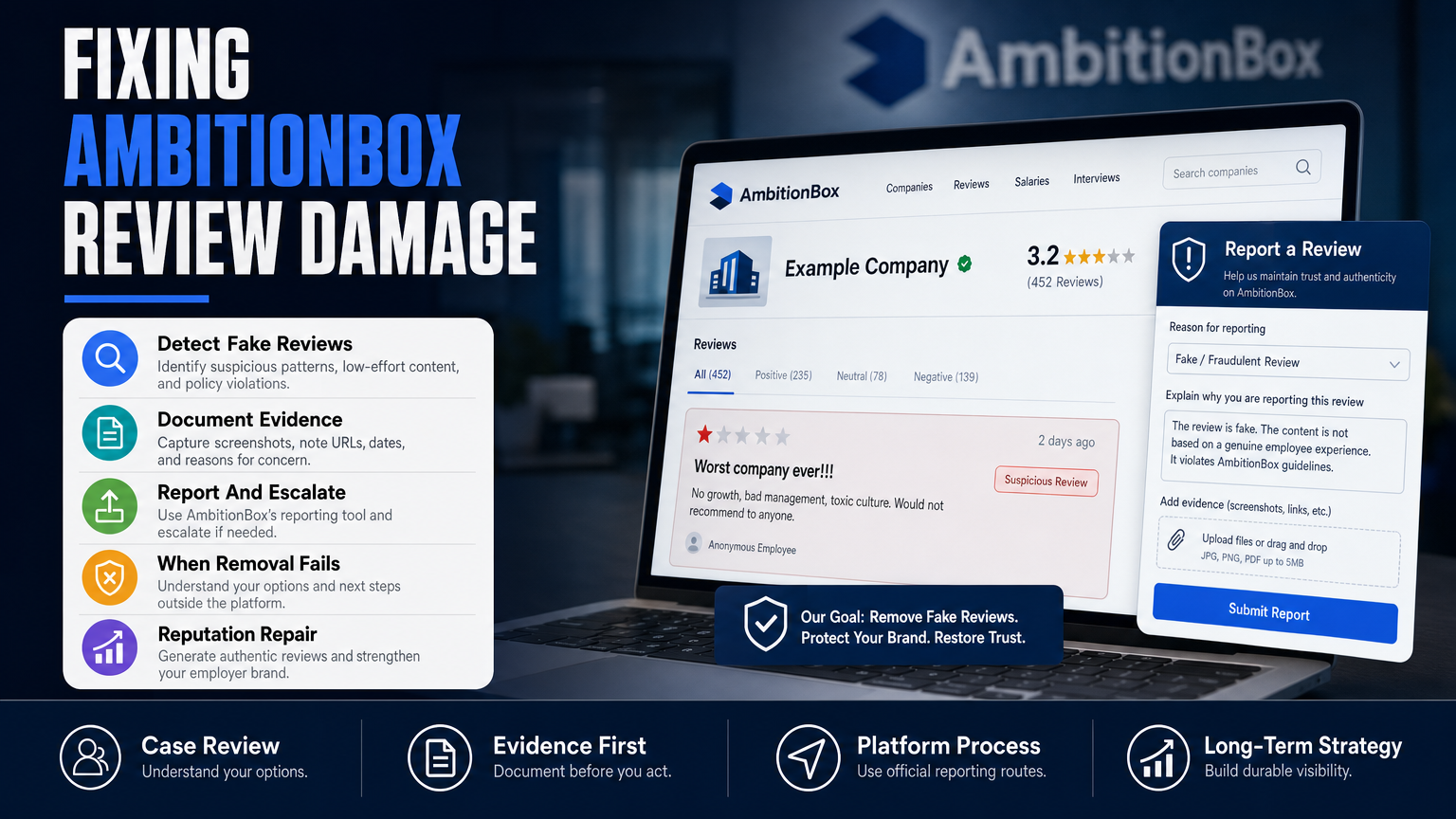
When this happens, it is important to take decisive, evidence-based action to mitigate the damage. This often involves documenting every aspect of the false reporting, from the initial post to the most damaging comments, and utilizing fake news removal services to address the spread of malicious, defamatory content across the web.
The difficulty in fighting false information lies in the speed at which it circulates. By the time you identify a false post, it may have already been shared into dozens of private groups, forwarded in text messages, and become the topic of conversation at local businesses. Tracing the trajectory of this misinformation is a complex but necessary task for any comprehensive reputation strategy.
Moreover, simply issuing a “correction” on the original page is often ineffective, as the admin can simply delete your comment or mock your attempt at setting the record straight. True remediation requires attacking the visibility of the content itself, forcing the platforms to acknowledge the policy violations that occur when false information leads to defamation or harassment.
Taking back control means you must be strategic. Instead of just fighting individual comments, you must work to neutralize the primary source of the misinformation. This requires patience, expert knowledge of platform guidelines, and a willingness to utilize professional tools to ensure that false information is dismantled before it becomes a permanent fixture of your online identity.
Strategic Frameworks for Reclaiming Your Online Presence
Reclaiming your online presence after an ordinary incident has been unfairly sensationalized requires a strategic, sustained, and multi-faceted effort to push down negative results and highlight high-quality, positive, accurate information. This is not an overnight process or a simple “click and fix” situation, but rather a long-term commitment to reshaping how others perceive you when they search for your name or your business brand.
By establishing your own authoritative platforms, curating your social media footprint to reflect your actual professional accomplishments, and utilizing professional services to address the most damaging content, you can successfully navigate these difficult digital crises. It is about creating a “digital shield” that ensures your actual identity is what appears in search results, rather than the distorted mirror held up by a local crime page.
This strategy involves proactive SEO, where you fill the search engine results pages with content that you control—professional bios, high-quality media mentions, and verified business profiles. When your own content is strong and well-optimized, it becomes much harder for a sensationalist crime post to dominate the first page of results, effectively isolating the damage.
Furthermore, consistency is key. You must continuously maintain your digital assets so that they remain relevant and high-ranking. This is an investment in your long-term success, ensuring that temporary viral incidents have minimal impact on your career or business trajectory.
Remember that your reputation is your most valuable business asset; managing it proactively, anticipating potential risks, and having a plan in place is the most effective way to ensure that you are not defined by the viral, shortsighted whims of a local crime page administrator who views your life as nothing more than engagement fodder.
FAQ
Can I force a crime page to delete a post about me?
While you can formally request removal, page owners are often unresponsive or demand payment. Professional services are usually required to navigate platform policies.
Should I engage in the comments to defend myself?
Generally, no. Engaging often triggers the algorithm, giving the post more reach and visibility, and provides more content for the mob to latch onto.
How does a crime page affect my search results?
These pages often have high domain authority, meaning their posts can appear on the first page of Google search results for your name for years, creating a lasting digital scar.
The transformation of ordinary incidents into viral content by local crime pages is a modern, high-stakes challenge that requires a sophisticated understanding of digital media dynamics and professional reputation management. By recognizing the underlying financial and algorithmic motives of these platforms and taking a proactive, strategic approach to your own online identity, you can protect yourself from the volatility and cruelty of the court of public opinion.
If you find yourself in the center of such a viral storm, remember that you are not powerless; clear, decisive, and calculated actions—ranging from targeted content removal to strategic narrative building—can help you regain control. Always prioritize your long-term reputation over temporary emotions, and do not hesitate to seek professional guidance when the situation escalates beyond your capability to manage it alone.
Take Control of Your Narrative Today
Don’t let a viral post by an irresponsible local crime page define your future or damage your professional credibility. Your digital reputation is your most valuable asset, and it requires a proactive, expert-driven digital reputation strategy to defend it against algorithmic exploitation and community speculation. If you are currently facing a digital crisis or want to ensure your online footprint remains clean and accurate, our team of specialists is ready to assist you.
We provide discreet, high-impact solutions to remove malicious content and restore your brand’s integrity. Take the first step toward reclaiming your online presence by contacting us for a confidential assessment.