
The Hidden Risk of People-Search Sites Like Spokeo and Whitepages
For most people, a quick search on Spokeo or Whitepages is a curiosity; for a professional or a business leader, it is a significant hidden risk. These “people-search” sites act as massive data aggregators, pulling together disparate threads of your life—home addresses, relative connections, court records, and contact details—into a single, public profile. The danger lies in the lack of verification. When these platforms publish unverified or outdated data, they don’t just expose your privacy; they create a permanent “digital liability” that can undermine your professional credibility and personal safety.

The Mechanism of Risk: How Aggregation Distorts Reality
People-search sites do not create data; they scrape it. However, the way they assemble this information is where the reputational damage begins. By stripping away the context of public records, they present a version of “you” that is often fragmented and misleading.
1. The “Guilt by Association” Trap
Platforms like Whitepages often list “possible relatives” or “associates.” If a distant relative or a former business partner has a negative digital footprint, their records can appear linked to your profile. In the eyes of an automated algorithm or a casual searcher, this creates a proximity to scandal or legal trouble that has nothing to do with your actual conduct.
2. Outdated Records as Current Truth
A common hidden risk is the persistence of “zombie data.” A legal matter that was resolved years ago or an old address in a less-than-ideal neighborhood can remain at the top of your Spokeo profile. Because these sites prioritize data volume over data accuracy, the burden of “correcting the record” falls entirely on you, often after the professional damage has already been done.
3. The Invitation to Doxing and Harassment
Beyond reputation, there is a physical security risk. By making your home address and family members’ names available for a small fee, these sites provide a roadmap for malicious actors. For high-profile individuals, this exposure can lead to targeted harassment or “doxing,” which quickly spills over into professional forums and social media, creating a full-blown reputation crisis.
Strategic Defense: Neutralizing the Aggregators
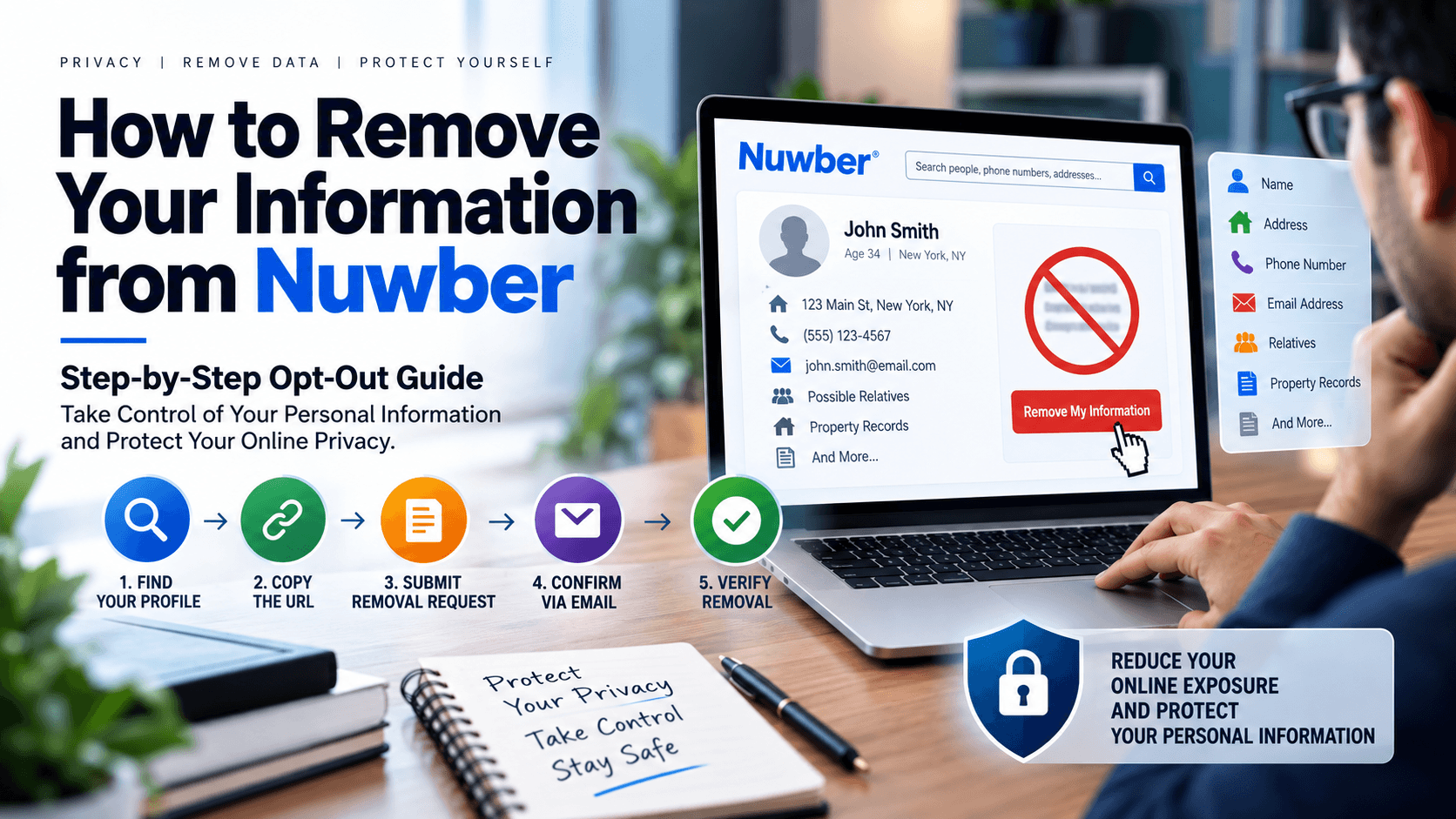
Systematic Opt-Out Management The first line of defense is a rigorous opt-out strategy. Sites like Spokeo and Whitepages are legally required to provide a path for data removal, but they often hide these links or require multiple verification steps. A successful defense involves not only removing the primary profile but also monitoring the “shadow sites” that buy data from the larger aggregators to ensure the information does not reappear weeks later.
Narrative Over-Optimization Since new data broker sites emerge constantly, the most sustainable solution is to out-rank them. By building a network of “Verified Narrative Assets”—such as a high-authority personal website, specialized industry profiles, and active professional media—you can ensure that when someone searches for you, the first 10 results are controlled by you, effectively burying the people-search results where they can no longer influence public perception.
Digital Footprint Minimization Moving forward, reducing the “data leaks” that feed these sites is essential. This includes tightening privacy settings on professional registrations, using secondary addresses for public filings when legal, and conducting regular audits of what information is being pulled into the public domain.
Frequently Asked Questions (FAQ)
-
Why is my information on Spokeo if I never signed up? Spokeo and similar sites scrape public records, social media, and marketing databases. You don’t have to sign up for them to find and publish your data.
-
Does removing my name from Whitepages remove it from Google? Removing the source profile will eventually cause the link to disappear from Google, but it can take several weeks for the search engine to “de-index” the deleted page.
-
Are these sites accurate? Often, no. They frequently mix up individuals with similar names or fail to update records after legal resolutions, which is why they pose such a high reputational risk.
The hidden risk of sites like Spokeo and Whitepages is that they turn your private life into a public commodity. In an era where information is weaponized, leaving your “digital dossier” to chance is a strategic error. Protecting your story means taking active control of the data that defines you.
Don’t let a data scraper tell your story. If Spokeo or Whitepages are exposing your private details or distorting your professional image, it’s time to take control. Contact Your Reputation for a comprehensive removal strategy and reclaim your digital boundaries today.