When Your Personal Data Becomes Public: Reputation Fallout from Data Broker Sites
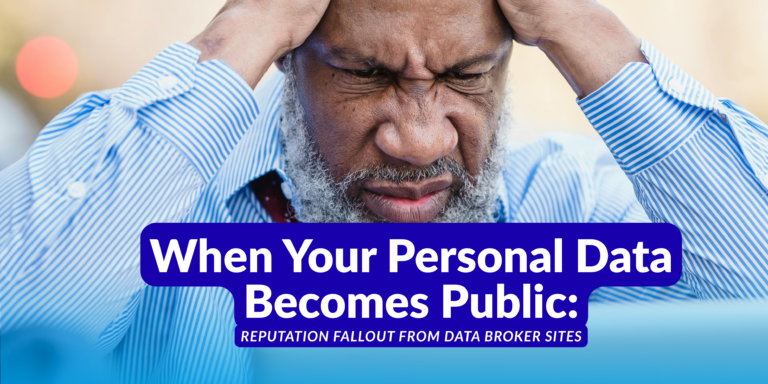
In the digital economy, your personal information is a high-value commodity. While we often focus on social media presence, a more silent and pervasive threat exists: Data Brokers. These companies crawl public records, social media, and online purchases to build comprehensive profiles on private individuals. But the problem isn’t just privacy—it’s the reputation fallout. When your personal data, from home addresses to past legal filings, becomes public and easily searchable, it creates a distorted narrative that you no longer control. Understanding this “fallout” is the first step toward reclaiming your digital boundaries.
The Invisible Aggregators: How Data Brokers Shape Your Story
Data brokers operate in the shadows, yet their impact is visible on the first page of your search results. Sites like Whitepages, Spokeo, and MyLife aggregate fragmented data points into a single “reputation score” or profile that often contains inaccuracies or outdated information.
1. The Erosion of Context
A data broker site might list a 10-year-old minor infraction alongside your current home address and estimated income. To an observer—whether a potential business partner or a recruiter—this lack of context paints a misleading picture. In the world of online reputation, professional achievements can be easily overshadowed by the raw, unvetted data these sites prioritize.
2. The Security-Reputation Link
When your personal data is public, you are not just at risk of identity theft; you are at risk of “reputation hijacking.” Malicious actors can use the information found on data broker sites to craft convincing narratives against you, utilizing your own history to lend credibility to false claims. The exposure of your personal life creates a vulnerability that can be exploited in professional circles.
3. Search Engine Dominance
Because data broker sites have high domain authority, they often rank at the top of search results for your name. This means that before someone sees your professional website or your LinkedIn, they see a digital dossier compiled by an algorithm. This “digital shadow” becomes your de facto identity in the eyes of the public.
Reclaiming the Narrative: Strategic Removal and Suppression
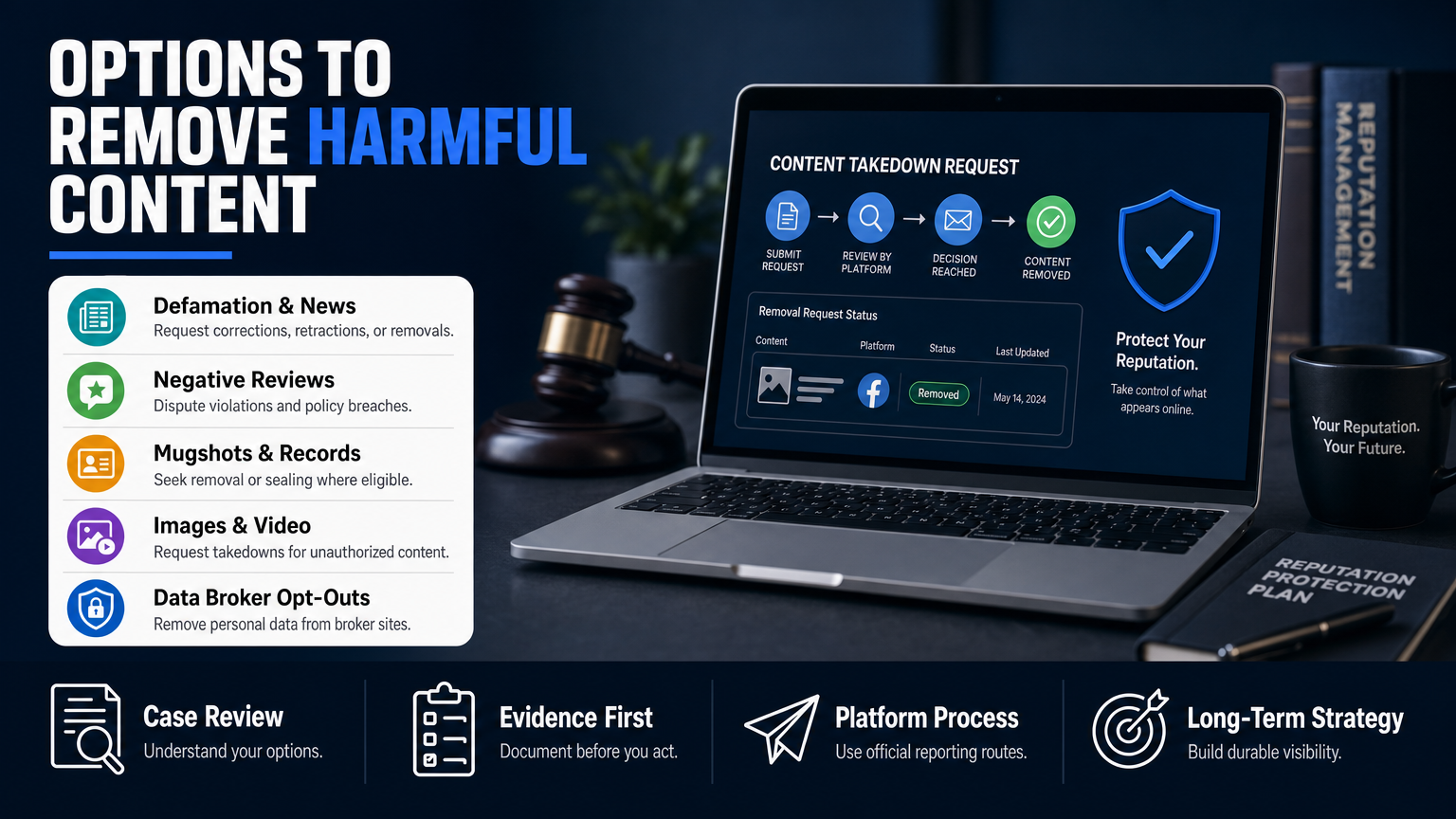
The Systematic Opt-Out Process Managing the fallout starts with a systematic removal strategy. Most data brokers are legally required to offer an “opt-out” process, but these are intentionally designed to be cumbersome. To effectively clear your name, you must identify the primary brokers feeding the secondary sites and remove the data at the source. This is not a one-time task; data brokers often “re-scrape” information, requiring consistent monitoring to ensure your profile remains private.
Building a Professional Buffer Since you cannot always delete every trace of data immediately, the most effective defense is a “buffer” of high-authority, positive content. By creating and optimizing your own digital assets—such as a personal brand site, professional portfolios, and verified social profiles—you push the data broker results to the lower pages of search engines. This ensures that the first thing people see is the story you have chosen to tell, not the data a broker has chosen to sell.
Legal and Technical Hygiene For high-profile individuals, the reputation fallout from data brokers may require legal intervention or advanced technical “de-indexing” strategies. Ensuring that your data is not being used to calculate “reputation scores” on third-party platforms is essential for maintaining professional standing in an increasingly transparent world.
Frequently Asked Questions (FAQ)
Is it legal for data brokers to sell my information? In most jurisdictions, yes. They aggregate information that is considered “public record,” though privacy laws like GDPR and CCPA are beginning to give users more power to opt out.
-
Can I remove my data from all broker sites at once? There is no “magic button.” It requires individual requests to each major broker, or using a professional service to manage the ongoing removals.
-
Do data broker sites affect my credit score? While they are different from credit bureaus, the “reputation scores” some brokers generate can influence how others perceive your reliability and financial standing.
Your personal data should not be a public spectacle. When data brokers turn your life into a searchable dossier, the reputation fallout can be devastating. Protecting your reputation in 2026 requires more than just good PR; it requires a proactive defense against the silent aggregators of your digital life.
Your personal information is your business—keep it that way. If data broker sites are distorting your story or exposing your private life, Your Reputation can help. Contact us today for a full Privacy & Reputation Audit and take back control of your digital identity.