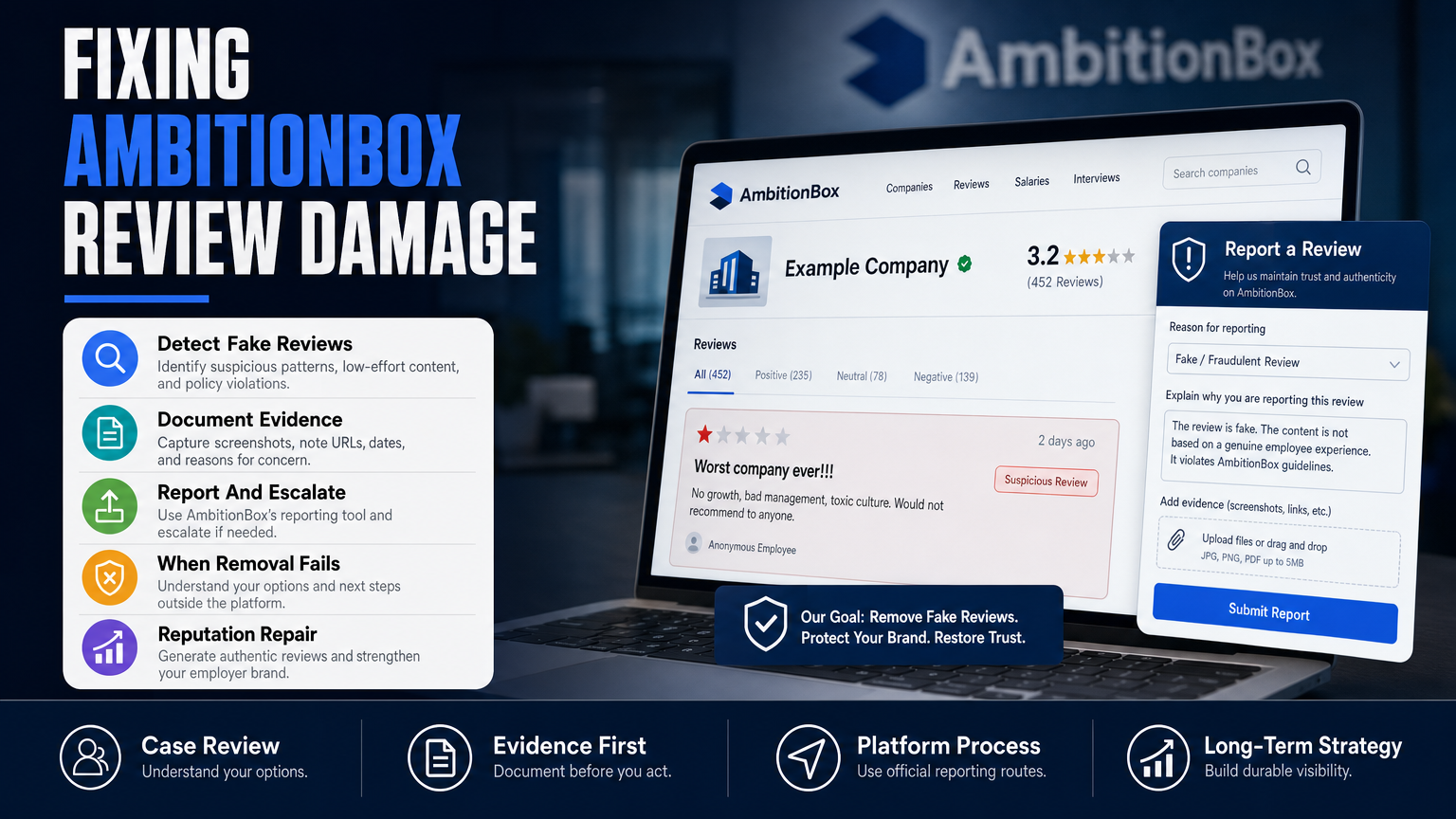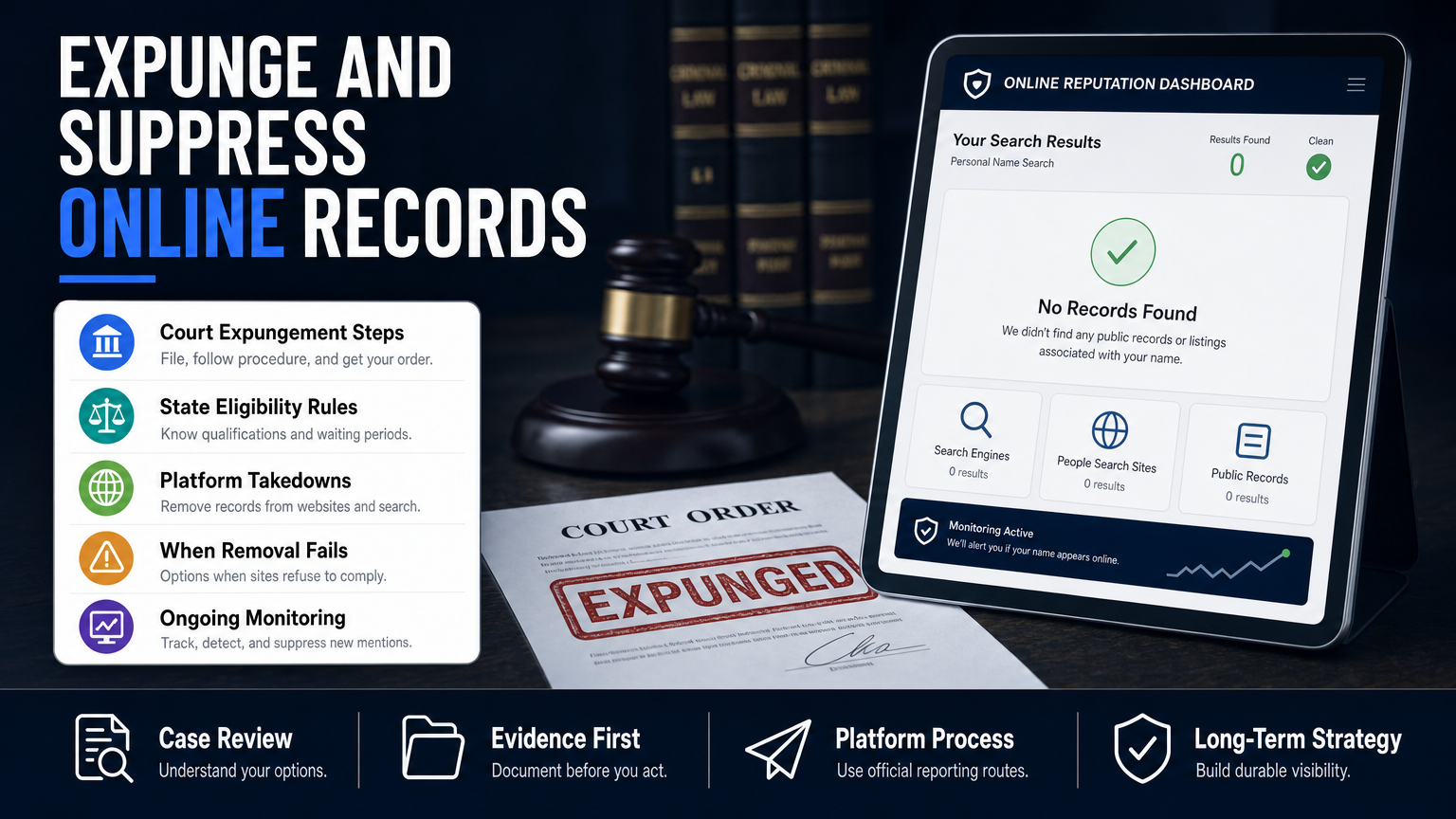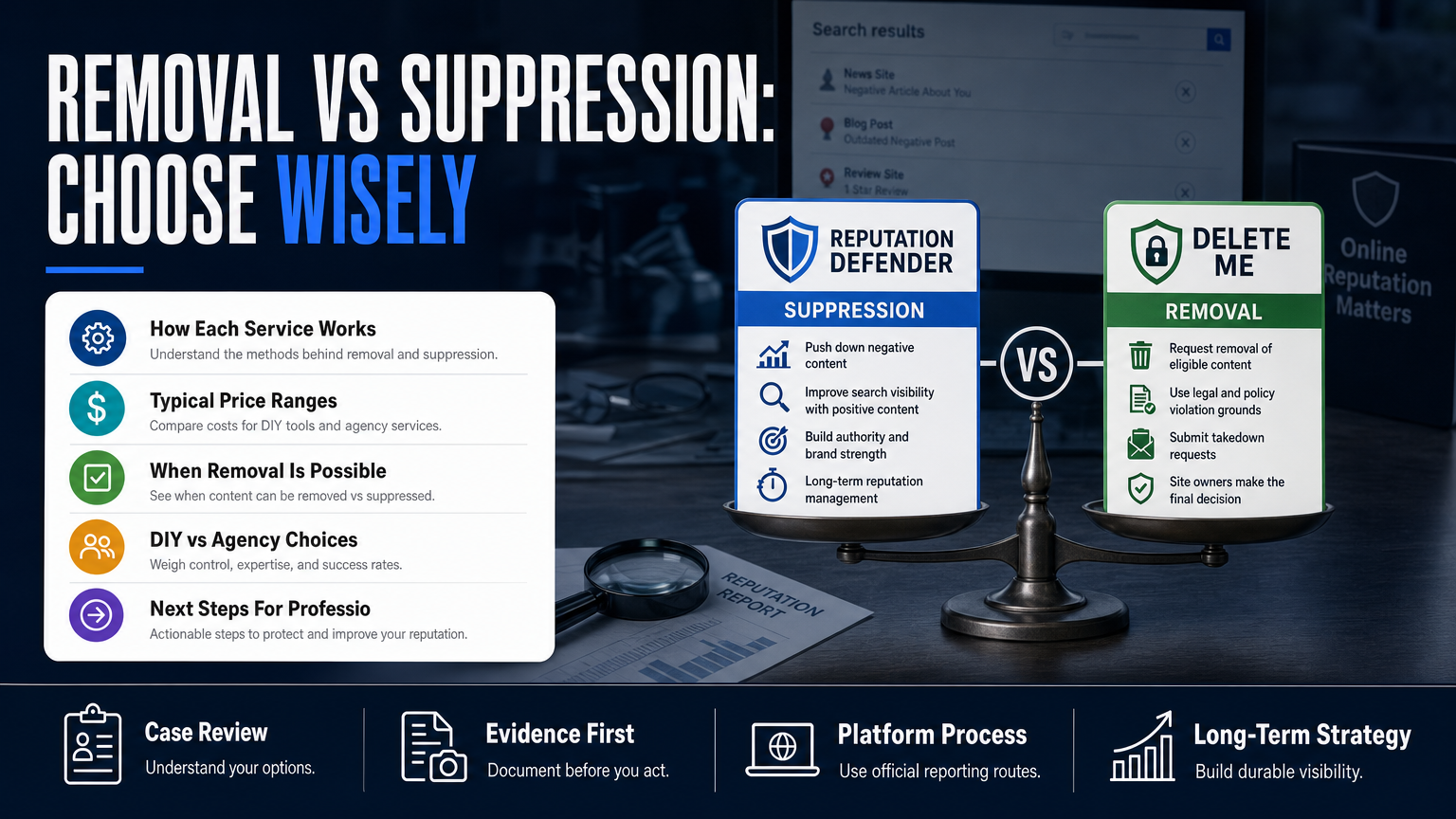

Quick answer: why reputation management is important
Reputation management matters because search results, reviews, news, profiles, and social content influence trust before customers, employees, investors, or partners make decisions.
It improves accuracy, exposes service problems, protects privacy, supports conversion and recruiting, and prepares organizations to respond consistently during crises.
Why is reputation management important? Reputation management helps businesses and professionals build trust, improve online visibility, attract more customers, and protect their brand from negative content. A proactive reputation strategy strengthens credibility, supports long-term growth, and ensures potential customers find accurate, trustworthy information when searching online.
Introduction
Every day, people search online before deciding who to hire, where to shop, or which company they can trust. Whether you’re a business owner, CEO, doctor, attorney, real estate professional, or entrepreneur, your online reputation has become one of your most valuable business assets.
So, why is reputation management important in today’s digital world?
The answer goes far beyond responding to negative reviews. Reputation management is about shaping how customers, search engines, AI-powered search tools, investors, and business partners perceive your brand. A strong reputation builds confidence, increases conversions, improves search visibility, and creates long-term business opportunities.
On the other hand, a poor online reputation can reduce customer trust before someone even visits your website. A single negative article, fake review, or outdated search result may influence buying decisions, damage credibility, and affect future growth.
This guide explains why reputation management matters, how it works, and why businesses that invest in proactive reputation management are better positioned for long-term success.
Table of Contents
- What Is Reputation Management?
- Why Is Reputation Management Important?
- How Online Reputation Influences Customer Decisions
- Benefits of Professional Reputation Management
- Step-by-Step Reputation Management Process
- Real Business Example
- Common Reputation Management Mistakes
- Best Practices for Building a Strong Reputation
- Expert Reputation Management Tips
- Reputation Management vs Crisis Management
- Conclusion
- Frequently Asked Questions
What Is Reputation Management?
Reputation management is the ongoing process of monitoring, improving, and protecting how individuals and businesses are perceived online.
It combines several strategies, including:
- Search engine optimization (SEO)
- Online review management
- Brand monitoring
- Digital public relations
- Content marketing
- Search result suppression
- Executive reputation management
- Social media reputation management
The objective isn’t simply to remove negative content. Instead, it’s to ensure that accurate, trustworthy, and authoritative information becomes more visible across search engines, AI search platforms, review websites, news articles, and social media.
Professional reputation management also helps businesses prepare for future challenges instead of reacting only after a crisis occurs.
Why Is Reputation Management Important?
The internet has fundamentally changed how trust is built.
Before contacting a business, most people research online. They read reviews, browse social media, search Google, compare competitors, and increasingly ask AI tools such as ChatGPT, Gemini, and Microsoft Copilot for recommendations.
This means your digital reputation influences purchasing decisions long before someone fills out a contact form.
A strong reputation can help you:
- Increase customer trust
- Generate more qualified leads
- Improve conversion rates
- Strengthen brand authority
- Attract media opportunities
- Build investor confidence
- Support recruitment efforts
- Improve customer retention
- Protect long-term business value
In contrast, an unmanaged reputation can lead to lost revenue, declining search visibility, and reduced customer confidence.
Simply put, your reputation often becomes your first impression—and first impressions matter.
How Online Reputation Influences Customer Decisions
Today’s consumers rarely make decisions without researching first.
Consider a typical buying journey:
- A potential customer searches your business on Google.
- They review your website and social profiles.
- They check your Google Business Profile.
- They read customer reviews.
- They compare competitors.
- They may even ask an AI assistant about your company.
Within minutes, they have formed an opinion about your brand.
If search results contain positive content, recent reviews, industry recognition, and consistent messaging, trust naturally increases.
However, if customers encounter outdated information, unresolved complaints, or misleading search results, they may choose a competitor before contacting you.
This is one of the primary reasons why reputation management has become an essential part of modern digital marketing.
The Business Benefits of Reputation Management
Professional reputation management provides value far beyond crisis recovery.
Some of the most significant business benefits include:
Higher Customer Trust
People prefer businesses with credible online reputations.
Positive reviews, accurate information, and consistent branding help reduce uncertainty and encourage purchasing decisions.
Better Search Visibility
Search engines reward authoritative, high-quality content.
A strong digital presence makes it easier for potential customers to discover your business while reducing the impact of outdated or negative search results.
Increased Revenue
Trust directly influences conversions.
Businesses with stronger online reputations often experience higher inquiry rates, increased customer retention, and improved sales performance.
Stronger Brand Authority
Industry expertise, positive media coverage, and consistent messaging position your business as a trusted leader rather than just another competitor.
Long-Term Competitive Advantage
Unlike paid advertising, reputation management creates lasting value.
The authority you build today continues supporting your business long into the future.
Step-by-Step Guide to Effective Reputation Management
Building a positive online reputation doesn’t happen by accident. It requires a consistent strategy, regular monitoring, and a commitment to delivering value to your audience. Whether you’re a local business or a global brand, the following framework can help you establish and maintain a trustworthy digital presence.
Step 1: Audit Your Current Online Reputation
Before making improvements, you need to understand where your reputation stands today.
Start by searching your business name, products, services, and key team members on Google and Bing. Review what appears on the first few pages of search results, including news articles, review sites, social media profiles, and business directories.
A professional reputation audit should evaluate:
- Search engine results
- Google Business Profile
- Online reviews
- News mentions
- Social media presence
- Third-party websites
- Brand sentiment
- Competitor reputation
Knowing your current strengths and weaknesses allows you to build an effective long-term strategy.
Step 2: Monitor Your Brand Consistently
Your online reputation changes every day.
Customers leave reviews, journalists publish articles, bloggers share opinions, and social media conversations evolve constantly. Without regular monitoring, small issues can become major reputation problems.
Monitor:
- Google Search results
- Customer reviews
- Social media mentions
- News coverage
- Industry blogs
- Business directories
Early detection allows you to respond professionally before negative information spreads further.
Step 3: Create Helpful, Authoritative Content
One of the most effective ways to improve your reputation is by publishing content that demonstrates expertise and provides genuine value.
Consider creating:
- Educational blog posts
- Industry guides
- Case studies
- Frequently asked questions
- Executive insights
- Video content
- Customer success stories
High-quality content strengthens your digital authority while helping search engines understand your expertise.
Step 4: Manage Customer Reviews Professionally
Reviews influence purchasing decisions more than ever.
Encourage satisfied customers to leave honest feedback and respond to every review professionally—whether positive or negative.
When responding:
- Thank customers for positive feedback.
- Address concerns calmly and respectfully.
- Offer solutions when appropriate.
- Never argue publicly.
Professional review management demonstrates transparency and builds trust with future customers.
If unfair or policy-violating reviews are affecting your business, our Online Reputation Management service explains how strategic reputation protection can help.
Step 5: Strengthen Positive Search Results
Not every negative search result can or should be removed.
Instead, professional reputation management focuses on increasing the visibility of accurate, helpful, and authoritative content.
This may include:
- Optimizing your website
- Publishing expert resources
- Improving business profiles
- Building authoritative backlinks
- Enhancing local SEO
- Expanding digital PR efforts
These activities help reinforce positive brand signals over time.
A Real-World Example
Imagine a successful real estate agency that receives several negative reviews after a temporary customer service issue.
Although the problem is resolved internally, those reviews continue appearing in search results, discouraging prospective clients.
Instead of reacting defensively, the agency implements a structured reputation management strategy.
Over the following months, they:
- Improve customer communication
- Request honest feedback from satisfied clients
- Publish neighborhood market reports
- Optimize their Google Business Profile
- Create educational buying guides
- Strengthen local SEO
- Monitor online mentions consistently
As more positive, authoritative content appears online, customer trust increases, branded search results improve, and new inquiries begin to grow again.
This example illustrates an important lesson: reputation management isn’t about hiding criticism—it’s about building enough trust that your overall online presence accurately reflects the quality of your business.
Reputation Management vs. Reputation Repair
Many people confuse these two concepts, but they serve different purposes.
| Reputation Management | Reputation Repair |
|---|---|
| Ongoing strategy | Reactive strategy |
| Prevents future issues | Responds to existing problems |
| Builds long-term trust | Restores damaged credibility |
| Continuous monitoring | Crisis-focused actions |
| Strengthens positive visibility | Addresses harmful content |
| Supports business growth | Protects existing reputation |
The strongest brands invest in reputation management before a crisis occurs rather than waiting until their credibility has already been damaged.
When Should You Invest in Reputation Management?
Many organizations wait until negative search results begin affecting sales.
A better approach is to build your reputation before problems appear.
Professional reputation management is especially valuable if you are:
- A business owner
- CEO or executive
- Healthcare provider
- Attorney
- Entrepreneur
- Financial advisor
- Public figure
- Real estate professional
- Marketing agency
- Growing startup
If customers research your name before making decisions, your online reputation deserves continuous attention.
Protect Your Search Results Before Problems Grow
Negative search results rarely disappear on their own.
Addressing concerns early is usually faster, more affordable, and more effective than responding after reputation damage becomes widespread.
If harmful search results are affecting your business, our Remove Negative Search Results service explains how ethical strategies can improve your online visibility while strengthening trustworthy content.
Likewise, if you’re interested in understanding realistic timelines for online reputation recovery, our guide How Long Does Reputation Management Take? provides a detailed explanation of what businesses should expect throughout the process.
Common Reputation Management Mistakes to Avoid
Many businesses unintentionally damage their online reputation by reacting emotionally or waiting too long to take action. While every reputation challenge is different, several common mistakes appear repeatedly across industries.
Avoiding these pitfalls can save both time and resources.
Ignoring Negative Reviews
One unanswered review may seem insignificant, but a pattern of ignored feedback sends the wrong message.
Customers appreciate businesses that acknowledge concerns professionally and demonstrate a willingness to improve. Even when you cannot satisfy every customer, responding respectfully shows transparency and accountability.
Reacting Emotionally
Negative comments can feel personal, especially for business owners and executives.
However, public arguments, defensive responses, or aggressive replies often create more reputational damage than the original complaint.
Instead:
- Stay professional.
- Verify the facts.
- Respond politely.
- Move sensitive discussions offline whenever possible.
Professionalism always leaves a stronger impression than emotion.
Trying to Hide Legitimate Criticism
Some businesses focus entirely on removing negative content.
In reality, not every critical review or unfavorable article should be removed.
Authentic businesses naturally receive occasional criticism. Responding honestly and improving customer experience usually builds greater trust than attempting to erase every negative mention.
Neglecting Your Digital Presence
Many organizations only update their website or social media profiles once every few months.
Inactive websites, outdated information, and inconsistent branding reduce credibility.
Maintain:
- Updated website content
- Active business profiles
- Accurate contact information
- Current services
- Fresh blog content
- Consistent branding
Search engines and customers both value businesses that remain active online.
Best Practices for Long-Term Reputation Success
Reputation management works best when it becomes part of your ongoing marketing strategy rather than a temporary campaign.
Successful organizations consistently invest in trust-building activities that strengthen their digital presence over time.
Publish Helpful Content Regularly
Educational, experience-driven content demonstrates expertise and improves search visibility.
Consider publishing:
- Industry insights
- Customer guides
- Frequently asked questions
- Research articles
- Case studies
- Success stories
Helpful content supports Google’s people-first approach while providing genuine value to potential customers.
Encourage Authentic Customer Reviews
Satisfied customers are often willing to leave reviews—they simply need to be asked.
Create a simple review request process after successful projects or purchases.
Never purchase fake reviews or offer incentives that violate platform guidelines. Authentic feedback is far more valuable and supports long-term credibility.
Monitor Your Reputation Continuously
Reputation management is an ongoing responsibility.
Use monitoring tools and regular manual searches to identify:
- New reviews
- Brand mentions
- News coverage
- Social discussions
- Search result changes
Early detection allows small issues to be resolved before they become larger reputation challenges.
Keep Your Business Information Consistent
Customers expect accurate information wherever they find your business online.
Regularly verify:
- Business name
- Address
- Phone number
- Website
- Operating hours
- Services
- Social media profiles
Consistency also helps search engines better understand and trust your brand.
Expert Tips from Online Reputation Professionals
After working with businesses across multiple industries, several best practices consistently produce stronger long-term results.
Build Reputation Before You Need It
The best time to strengthen your reputation is before a crisis occurs.
Businesses with established authority often recover much faster when unexpected challenges arise.
Invest in Executive Branding
People increasingly trust people more than companies.
Executives who publish thought leadership articles, participate in interviews, and share professional insights strengthen both their personal credibility and their organization’s reputation.
If you’re responsible for protecting executive visibility, our CEO Reputation Management Guide explores advanced strategies for maintaining leadership credibility.
Focus on Long-Term Trust, Not Short-Term Tricks
There are no ethical shortcuts to building a great reputation.
Avoid services that promise:
- Instant Google removal
- Guaranteed first-page results
- Overnight reputation repair
- Artificial review generation
Sustainable reputation management is built through transparency, expertise, consistency, and genuine customer satisfaction.
Measure What Matters
Instead of focusing on vanity metrics alone, monitor meaningful indicators such as:
- Brand sentiment
- Search visibility
- Review quality
- Customer satisfaction
- Referral growth
- Website engagement
- Conversion rates
- Share of positive search results
These metrics provide a clearer picture of your reputation’s impact on business performance.
Reputation Management Is Becoming More Important in the AI Era
Today’s customers don’t rely solely on traditional search engines.
Many now ask AI platforms like ChatGPT, Microsoft Copilot, Gemini, and other AI-powered search tools for recommendations before choosing a business.
These systems often rely on publicly available, authoritative information when generating responses.
That means businesses with accurate websites, positive reviews, consistent branding, expert content, and strong digital authority are more likely to be represented positively across both traditional search and AI-generated answers.
A proactive reputation strategy doesn’t just improve your Google rankings—it also strengthens how your business is understood across the evolving AI search landscape.
If you’ve ever asked yourself “why is reputation management important,” the answer is simple: your reputation influences every stage of the customer journey. From the moment someone searches your name on Google to the point they decide whether to contact your business, your online presence shapes trust, credibility, and purchasing decisions.
Today’s consumers don’t rely solely on advertisements. They read reviews, compare businesses, visit websites, explore social media profiles, and increasingly use AI-powered search tools to gather information. A strong online reputation ensures they find accurate, trustworthy, and positive information about your brand.
Reputation management isn’t just about responding to negative reviews or removing harmful content. It’s about building lasting credibility, strengthening your digital footprint, improving search visibility, and protecting one of your most valuable business assets—your reputation.
Businesses that consistently invest in their reputation are often better positioned to attract qualified leads, earn customer loyalty, and maintain a competitive advantage in an increasingly digital marketplace.
Whether you’re a business owner, CEO, doctor, lawyer, entrepreneur, or real estate professional, proactive reputation management helps ensure your online presence reflects the quality and professionalism of your work.
Protect Your Reputation Before It Becomes a Crisis
Your reputation isn’t built in a single day—but it can be damaged surprisingly quickly.
Every review, search result, news article, and online mention contributes to how potential customers perceive your business. Waiting until a reputation issue becomes public often makes recovery more difficult and more expensive.
At Your Reputation Agency, we help businesses and professionals take a proactive approach to protecting and strengthening their online reputation. Our customized strategies combine reputation monitoring, search optimization, executive branding, review management, and ethical online reputation management to deliver sustainable, long-term results.
Whether you’re looking to improve your digital credibility, manage negative search results, or build a stronger personal brand, our experienced team is here to help.
If you’re ready to take control of your online reputation, Contact Us for a confidential consultation and discover how a customized reputation strategy can support your long-term success.
Frequently Asked Questions (FAQ)
1. Why is reputation management important for businesses?
Reputation management is important because it helps businesses build trust, improve online visibility, attract new customers, and protect their brand from misinformation, negative reviews, and reputation-related risks.
2. Why is reputation management important for CEOs and executives?
Executives represent the public face of an organization. A strong personal reputation builds confidence among investors, customers, employees, and business partners while strengthening the overall company brand.
3. Can reputation management improve Google search results?
Professional reputation management helps improve the visibility of positive, authoritative content while strengthening your overall digital presence. Although ethical agencies cannot guarantee specific rankings, they can improve branded search performance over time.
4. How long does reputation management take?
The timeline depends on the complexity of your situation. Some businesses notice improvements within a few months, while comprehensive reputation strategies often continue as an ongoing effort to maintain trust and visibility.
5. Is reputation management only for businesses with negative reviews?
No. Many successful organizations invest in reputation management before problems occur. A proactive strategy helps build authority, strengthen customer trust, and reduce future reputation risks.
6. What industries benefit most from reputation management?
Almost every industry benefits, especially:
- Healthcare
- Legal services
- Financial services
- Real estate
- Professional consulting
- Technology
- Hospitality
- E-commerce
- Local businesses
- Executive leadership
7. How does AI search make reputation management more important?
AI-powered search platforms increasingly summarize information from trusted online sources. Businesses with strong digital authority, consistent branding, and helpful content are more likely to be represented accurately in AI-generated responses.
8. When should I hire a reputation management agency?
You should consider professional assistance if your online reputation is affecting customer trust, search visibility, sales, recruitment, or overall brand credibility. Starting early is usually more effective than waiting for a reputation crisis.
9. What is the difference between reputation management and crisis management?
Reputation management is an ongoing strategy focused on building and protecting trust over time. Crisis management is a reactive process that addresses sudden reputation issues after they occur.
10. Why choose Your Reputation Agency?
Your Reputation Agency provides ethical, customized online reputation management solutions designed to help businesses, executives, and professionals strengthen their digital presence through search optimization, reputation monitoring, review management, and long-term brand protection.