7 Things Patients Secretly Google Before Choosing a Doctor
In the rapidly evolving digital landscape of 2026, the patient-doctor relationship has fundamentally shifted, making it critical for physicians to understand the 7 Things Patients Secretly Google Before Choosing a Doctor. Before a patient ever steps into an exam room, they are conducting deep-dive investigations into the professional and personal lives of physicians, effectively turning your search results into the ultimate gatekeeper of your practice’s growth.
Patients are now empowered researchers, conducting deep-dive investigations into the professional and personal lives of physicians before committing to an appointment. For a doctor, this means that their “digital storefront”—the first page of Google—acts as the ultimate gatekeeper of their practice’s growth. If you are a medical professional, understanding the seven secrets that patients are searching for is not just a marketing exercise; it is an essential component of reputation protection.

1. Verified Patient Reviews and Ratings
Patients today are highly skeptical of generic star ratings. They are looking for patterns. They are searching for reviews that detail the “hidden” aspects of a practice: the warmth of the reception staff, the accuracy of the billing department, and the doctor’s patience when explaining complex diagnoses.
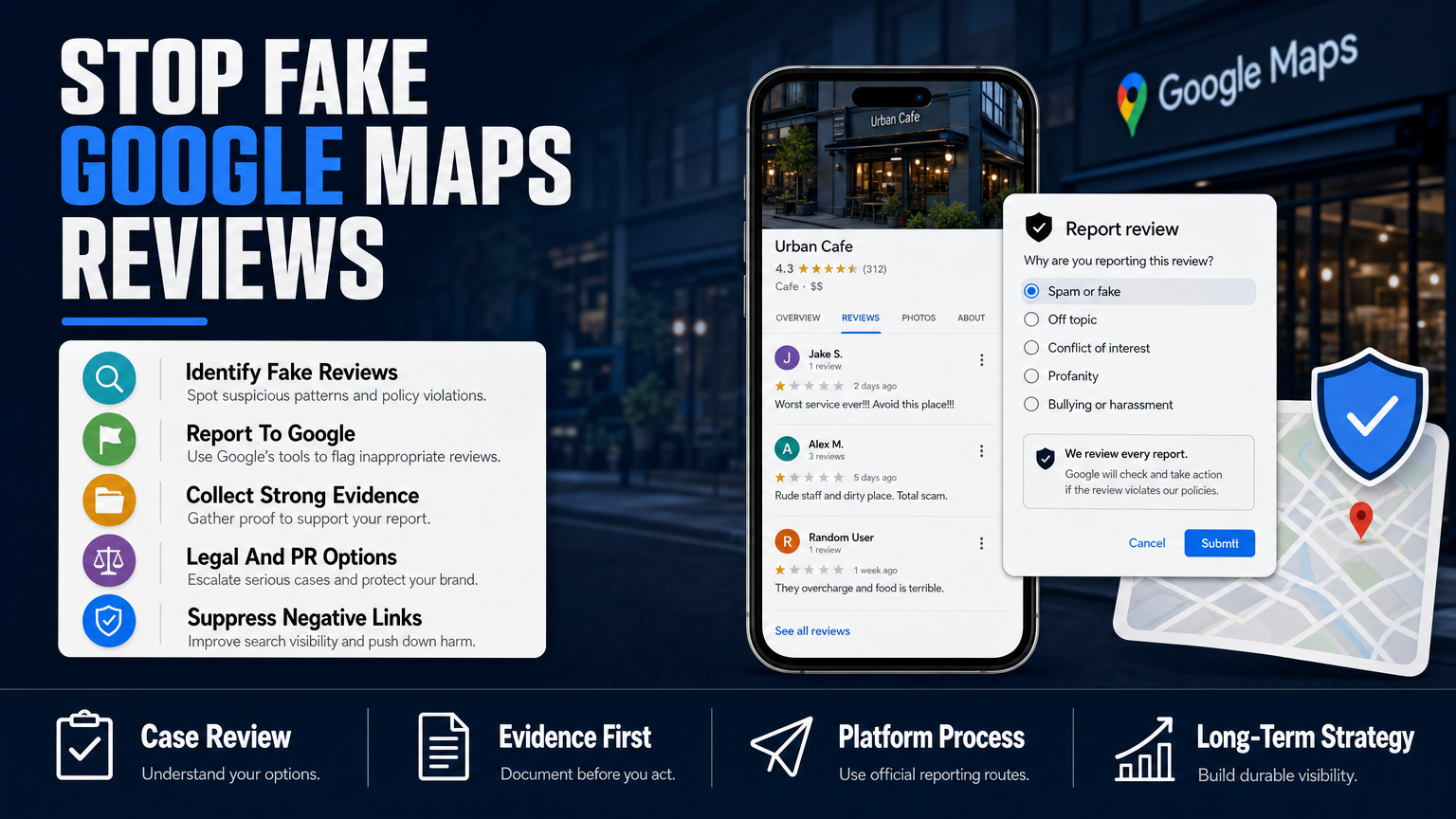
They are effectively performing a risk assessment. If you are currently suffering from a wave of manufactured negative feedback, taking immediate steps toward Negative Review Removal is the most critical move you can make to reclaim your social proof. It is not about silencing criticism, but about ensuring that the digital portrait of your practice accurately reflects your standard of care.
2. Deep Specialization and Clinical Expertise
Patients no longer want a generalist if they have a specific condition. They search for “best doctor for [X] condition” or “specialist in [Y] procedure.” This search is often where misinformation can creep in. Outdated or inaccurate news articles can present a distorted view of your expertise, potentially turning away patients who would have been a perfect match. In these instances, utilizing professional News Articles Removal is necessary to ensure that your digital profile highlights your current clinical focus and expertise rather than stale data.
3. Professional Background, Ethics, and Credentials
The search for legitimacy is the third pillar of patient research. They are scouring the web for board certifications, education history, and any history of disciplinary action. Even a minor, unverified accusation can be blown out of proportion by algorithms that favor sensational content. If you find your professional history cluttered with “fake news” or misrepresented claims, Fake News Removal is the surgical tool required to restore your professional authority and ensure patients find verified facts.
4. Insurance Compatibility and Billing Transparency
The logistical barrier to booking an appointment is almost always insurance. Patients search for “is [Doctor Name] in-network with [Insurance Plan]?” because they are terrified of unexpected out-of-pocket costs. If your digital footprint is polluted with inaccurate autocomplete suggestions that link your name to billing disputes or incorrect insurance info, Google Auto-Complete Management is the precise strategy to redirect these patients to your official, correct practice information.
5. Office Location, Infrastructure, and Accessibility
A doctor can be the best in their field, but if the practice environment is perceived as inaccessible or unprofessional, patients will look elsewhere. They check for parking availability, office aesthetics, and the proximity of the facility to their work or home. If malicious actors have uploaded misleading or harmful images of your facility to drive traffic to a competitor’s site, our Negative Images Removal service is designed to scrub these visual hazards and maintain your brand integrity.
6. Physician Personality and Communication Style
Modern patients want a partner, not an authority figure who talks down to them. They watch videos, look at your Instagram/TikTok presence, or browse your clinic’s website to gauge your personality. If malicious video content has been created to manipulate this perception or damage your character, Negative Video Removal is the intervention you need to protect your visual brand.
7. Affiliation and Hospital Prestige
The final check is the “affiliation test.” Patients look to see if you are backed by reputable hospitals or medical associations. This provides them with a psychological safety net. However, if your affiliation records are muddled by public record inaccuracies, your credibility suffers. We provide specialized Court Record Removal to ensure that your legal and professional record remains clean and aligned with your actual hospital standing.
Mastering Your Reputation: A Comprehensive Strategy
Beyond these seven points, doctors must adopt a long-term “Authority Moat” strategy. This involves a consistent effort to manage your digital footprint so that you are not constantly reacting to individual attacks.
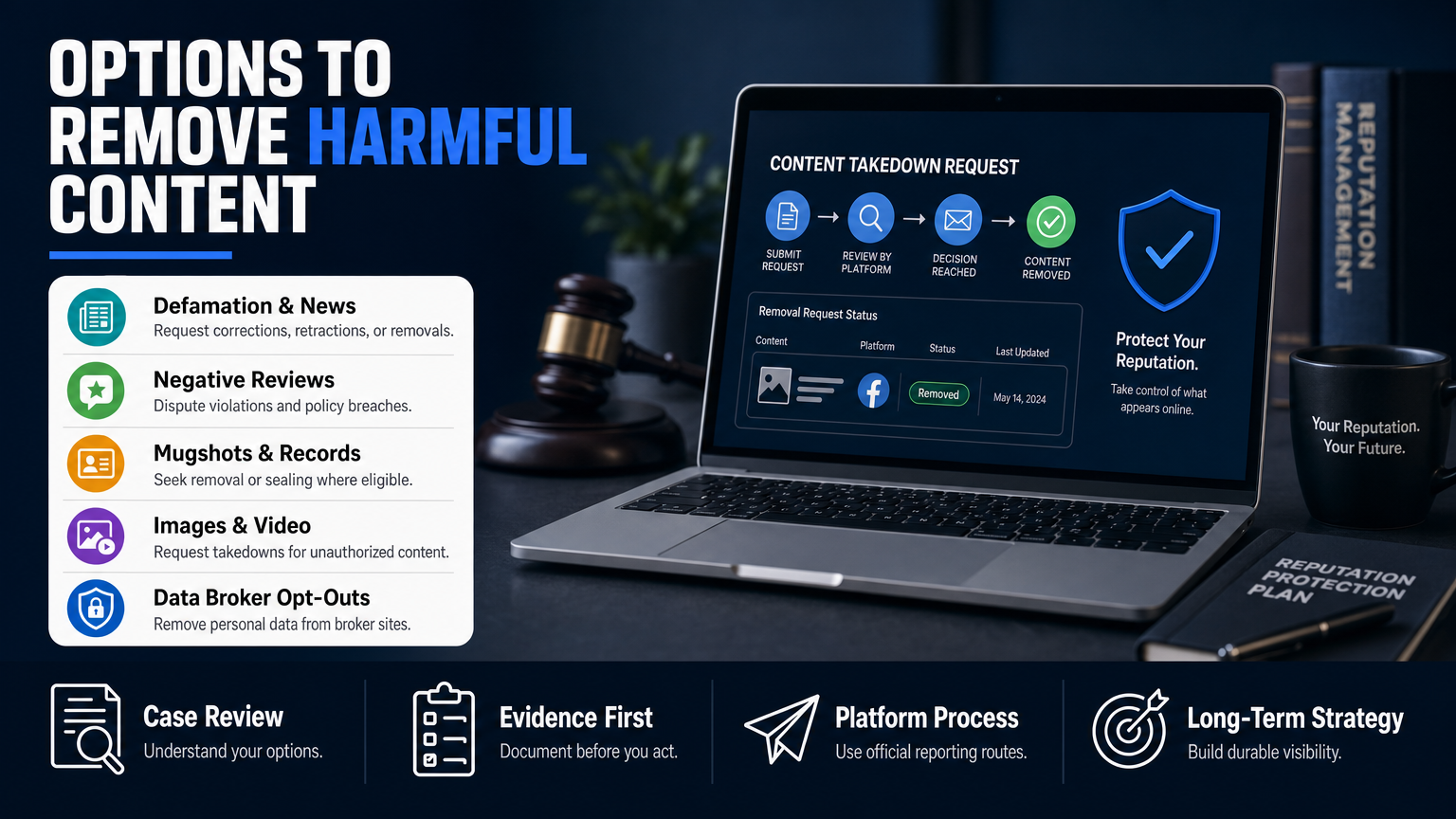
If you are struggling with a persistent negative presence in forums or directories, Google Review Removal allows you to clean up the noise and focus on quality feedback. Furthermore, for high-profile physicians, Police Record Removal—when applicable to old, non-relevant legal matters—and Personal Information Removal are vital for personal privacy and professional peace of mind in a world where data brokers thrive.
The Architecture of an "Authority Moat": Why Modern Medicine Demands Digital Fortification
In the competitive medical environment of 2026, relying solely on your clinical reputation is a high-risk strategy. An “Authority Moat” is the digital equivalent of a fortress—a collection of high-domain authority profiles, personal academic portfolios, and managed industry directories that collectively serve to shield your primary search results from volatility. When patients search for your name, the goal is for them to encounter a highly curated ecosystem of content that you control, rather than the fragmented, unpredictable results generated by third-party review sites or social media pages. This is not merely about burying negative content; it is about establishing such a dominant professional presence that malicious actors find it mathematically and algorithmically impossible to dislodge your narrative from the first page of search results.
Building this architecture requires a deliberate, multi-layered approach that includes active contributions to industry-leading medical journals, the maintenance of professional profiles on platforms that Google inherently trusts, and the consistent publication of insightful, expert-driven content. By creating a steady stream of “freshness” through blogs or digital hubs, you signal to search engine crawlers that your digital presence is active, relevant, and authoritative. This ongoing process of asset creation serves as a natural deterrent, effectively neutralizing potential smear campaigns before they gain momentum by ensuring that your verified professional identity is the primary source of information for both the public and the algorithms alike.
Decoding Patient Behavior: The Psychology of Trust in a Digital-First World
The transition from a patient’s initial symptom awareness to a booked appointment is dictated by a psychological phenomenon known as “Trust Calibration.” Before a patient commits their physical health and financial resources to a physician, they are subconsciously performing a verification process to reduce the perceived risk of their decision. When a patient googles you, they are not just looking for facts; they are looking for consistent signals of competence, empathy, and professional alignment. Discrepancies found across different platforms—such as a polished clinic website contrasted with messy, unaddressed negative threads on social media—can trigger “cognitive dissonance,” causing the patient to lose confidence and pivot to a competitor who presents a more unified and professional digital front.
This patient behavior underscores why proactive reputation management is a necessity rather than an optional marketing expense. If a patient encounters outdated or conflicting data about your practice, they do not pause to verify its validity; they simply move to the next search result. Consequently, the management of your digital narrative is a direct extension of your commitment to patient care. By ensuring that your communication style, credentials, and office values are clearly and professionally articulated across all accessible platforms, you align your digital presence with the high standards of your medical practice. This alignment eliminates the friction of doubt, allowing the patient to feel secure in their choice long before they walk through your doors, ultimately fostering a more trusting and compliant doctor-patient relationship from the outset.

Proactive Risk Management: Navigating the Supply Chain of Digital Information
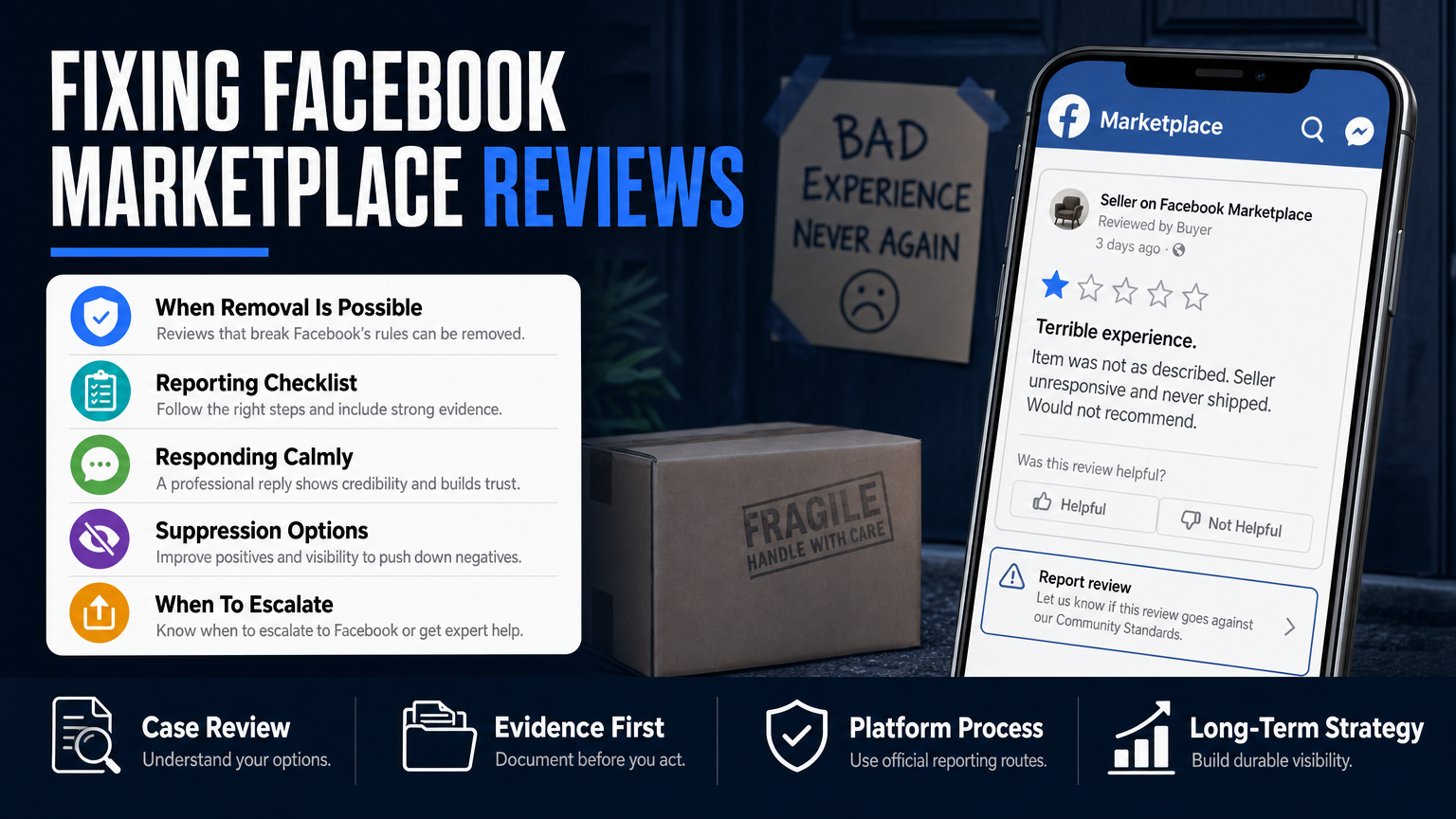
Modern medical professionals must recognize that their reputation is often managed through a complex and often opaque supply chain of third-party data brokers and social media aggregators. Much of the harmful or inaccurate information that surfaces on Facebook or obscure directory sites originates in massive, automated databases that scrape public information, legal records, and association listings. These sites are designed to maximize traffic through sensationalism, often prioritizing high-impact keywords over factual accuracy. If you wait until a crisis occurs to address how this information is being distributed, you are already at a significant disadvantage, as the viral nature of these platforms makes reactive damage control inherently slower than the speed of the original publication.
A proactive approach involves systematic “identity scrubbing” and the continuous monitoring of how your data propagates through these secondary channels. By engaging in a regular audit of your digital footprint, you can identify and suppress the source of misleading data before it is weaponized by bad actors or amplified by social media algorithms. This involves not only formal legal and technical requests to remove outdated records but also a consistent strategy of updating your information across all major professional directories. By effectively managing the “supply chain” of your digital identity, you transform your reputation from a reactive liability into a resilient asset, ensuring that your professional narrative remains secure, accurate, and shielded from the unpredictable dynamics of digital sensationalism in the 2026 information landscape.
Frequently Asked Questions (FAQ)
Why does my digital reputation matter more than my clinical skill?
In the digital age, your reputation is the pre-condition for a patient deciding to trust your clinical skill. If they don’t trust what they find online, they never give you the chance to show your medical ability.
Can I handle this reputation work myself?
Reputation management involves complex SEO, legal knowledge, and platform policy navigation. Professionals who attempt to DIY often inadvertently draw more attention to the negative content.
What if the negative content is true?
Even in cases where there is a factual basis for negative content, legal and technical strategies for displacement and mitigation are usually available to prevent the content from dominating your narrative.
Your digital identity is the digital extension of your medical oath. It is the primary way you express your dedication to patient care to the outside world. By understanding what patients search for and taking proactive steps to curate your presence, you ensure that potential patients find a professional, trusted, and highly-qualified physician. Do not leave your career to chance; take the proactive steps necessary to secure your narrative today.