Protecting Your Medical Reputation: Navigating Online Gossip Groups
In today’s digital landscape, the reputation of a surgeon is no longer built solely within the operating room; it is increasingly defined by the conversations occurring across various online platforms. When a surgeon becomes the subject of discussion in online gossip groups, the immediate impact is a rapid erosion of professional trust that has taken years to cultivate. These platforms often operate with minimal oversight, allowing subjective opinions and unverified anecdotes to spread far faster than factual information. Because medical care is inherently personal and emotionally charged, a single negative comment—even if entirely baseless—can gain significant traction within these digital communities. Protecting your reputation in this volatile space is a critical challenge for modern practitioners who must balance patient privacy with the need to defend their professional integrity.
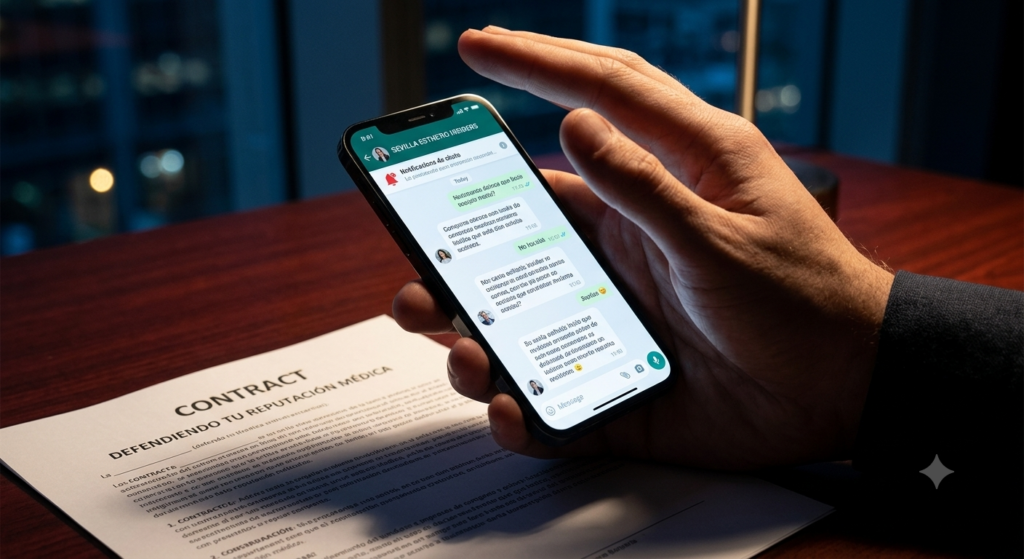
The Immediate Impact of Gossip on Professional Trust
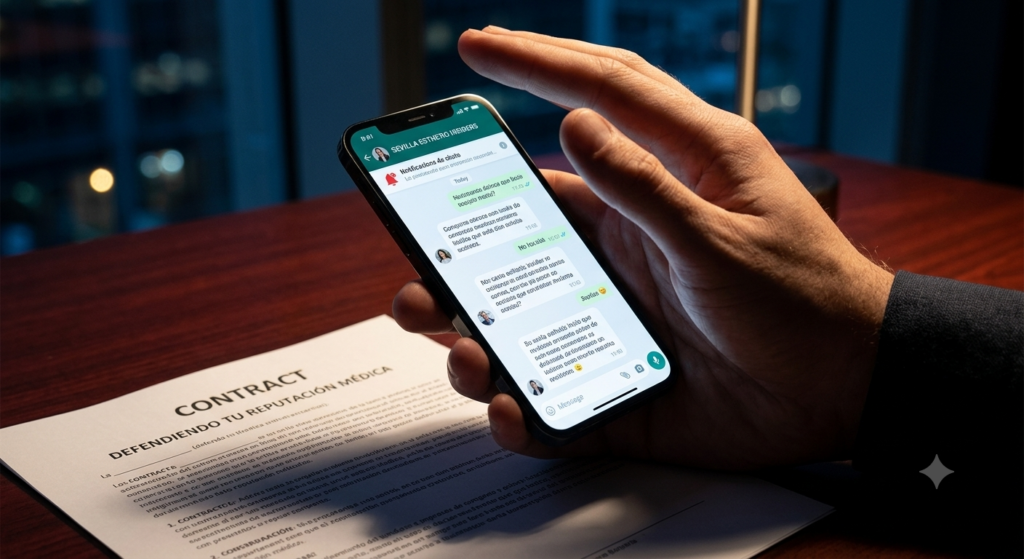
When a surgeon is suddenly mentioned in a gossip group, the rapid dissemination of opinion can cause immediate harm to their standing in the medical community. Because these groups often prioritize speed over accuracy, the narrative surrounding a surgeon can shift from a professional assessment to a highly subjective and emotionally driven critique within minutes. Potential patients, who are often in a vulnerable state, may see these comments and immediately internalize them as objective facts about the surgeon’s competency. This shift in perception is difficult to counter, especially when the surgeon is unaware of the conversation taking place behind closed digital doors.
The lack of context in these discussions is one of the most significant factors that contributes to the degradation of professional trust. Surgeons operate in complex environments where surgical outcomes are influenced by a multitude of variables that are rarely understood by the layperson. Gossip groups rarely account for these nuances, instead opting for a simplified, often distorted, version of events that ignores medical reality. When patients read these accounts, they do not have the clinical knowledge to discern the truth, which leads to a disproportionate level of distrust that can be damaging to the surgeon’s professional standing.
Furthermore, the “social proof” element of these groups amplifies the damage significantly. If one person starts a conversation about a surgical experience, other users are encouraged to add their own anecdotes, which creates an echo chamber of negativity. This collective feedback loop reinforces the original claim and gives it a veneer of credibility that it would not possess in isolation. As more voices join the discussion, the surgeon’s ability to defend themselves becomes increasingly difficult, as the sheer volume of negative engagement can easily overwhelm any attempt at a balanced conversation.
This situation requires an immediate and strategic evaluation of one’s online reputation footprint. It is vital to determine the reach of the gossip and understand the demographic of the group members to craft an appropriate response. Ignoring the issue often allows it to fester and spread to other platforms, including review sites and social media feeds. A proactive stance is necessary to prevent these isolated gossip threads from becoming a permanent feature of your professional identity in the eyes of potential patients.
Ultimately, the goal in these situations is to prevent the gossip from crossing over into the surgeon’s core digital presence. By monitoring mentions and engaging in proactive reputation building, surgeons can mitigate the damage before it impacts their practice’s bottom line. Trust is hard to build but easily lost, and the digital age requires a level of vigilance that was previously unnecessary for medical professionals. Taking control of the narrative early is the most effective way to safeguard your future.
The Mechanics of Viral Negativity in Digital Communities
The mechanics behind why certain stories go viral in gossip groups are rooted in the psychological need for community belonging and shared emotional experiences. When a post about a surgeon is made, it is often designed to trigger a strong emotional response—fear, anger, or empathy—which encourages users to comment and share. Algorithms on these platforms prioritize high-engagement content, meaning that the more people who interact with the negative post, the more visible it becomes. This automated process ensures that even a minor, misunderstood interaction can balloon into a significant reputational crisis.
These digital communities often exist outside the reach of standard professional moderation, creating a vacuum where misinformation can thrive without consequence. Because the participants are often anonymous or operate under pseudonyms, they feel empowered to share critiques that they would never voice in a face-to-face consultation. This lack of accountability leads to a culture of unbridled criticism, where the surgeon’s reputation is treated as public property that can be dissected and discarded. Understanding this infrastructure is key to developing a defense strategy.
The speed at which these posts circulate is a direct challenge to the traditional slow-paced response of medical ethics and professional conduct. While a surgeon is bound by privacy laws and ethical standards that prevent them from publicly discussing patient cases, the gossip group faces no such restrictions. This asymmetry creates a frustrating environment where the surgeon is effectively gagged while their professional character is publicly questioned. Navigating this requires a sophisticated understanding of how to manage public information flows.
Moreover, these groups often cross-reference information with other platforms, such as personal social media accounts or professional medical directories. By aggregating these data points, the gossipers can create a fuller, yet more intrusive, picture of the surgeon’s professional life. This enrichment of negative data makes it increasingly difficult for the surgeon to disassociate themselves from the accusations. The persistence of this data is a technical hurdle that requires expert-level management to address effectively.
To counter these mechanics, it is essential to focus on shifting the search volume away from gossip and toward verified platforms. By ensuring that your professional website, published research, and testimonials are the primary results when your name is searched, you can dampen the visibility of the gossip group posts. This strategy requires a concerted effort to build authoritative content that carries more weight in search engine algorithms. Success in this area is a long-term endeavor that provides a stable defense against future digital attacks.
Why Gossip Groups Often Rank Highly on Search Engines
Search engines are built to provide users with the most “relevant” information based on their queries, and unfortunately, gossip threads often fit this criteria well. Because these platforms have thousands of users frequently interacting with threads, the search engines perceive this content as high-traffic and updated. When a potential patient searches for a surgeon’s name, the algorithms frequently pull these threads to the first page, even if the information contained within them is inaccurate or highly biased. This creates a situation where a patient’s first impression is formed by the loudest, rather than the most professional, voices.
The domain authority of large social media platforms and gossip forums is an insurmountable obstacle for the individual practitioner. When a gossip thread is hosted on a high-authority site, it naturally commands more trust from Google than a personal blog or a smaller medical directory. This is why a simple comment in a private group can eventually dominate the results for your name. It is a fundamental flaw in how search engines currently prioritize data, treating high-volume engagement as a proxy for high-quality information.
This phenomenon is why aggressively managing search results is no longer optional for surgeons. If you do not actively populate the first page of search results with your own curated content, you are essentially leaving that space open for anyone else to occupy. The gossip groups are not intentionally trying to damage your SEO, but they are doing so as a byproduct of their high user engagement. To combat this, you must engage in a digital strategy that treats your name as a brand that requires constant maintenance and protection.
Furthermore, the lack of factual correction on these gossip sites means that once a negative thread starts ranking, it tends to stay there for years. There is no natural mechanism for these posts to “expire” or be removed once the information is proven false. Search engines continue to crawl them, keep them indexed, and serve them to anyone interested in your background. This creates a “long-tail” effect where a minor misunderstanding can continue to influence potential patients well into the future.
Successfully displacing these results requires a robust strategy of positive content generation. You must signal to the search engine that the professional, verified information about your practice is of higher value than the gossip group thread. This is a technical process that involves creating high-authority articles, profiles, and media pieces that outrank the negative content. It is a necessary investment in the longevity of your practice and the health of your professional brand.
The Psychological Impact on the Surgeon
Beyond the professional consequences, being the subject of gossip can take a significant psychological toll on a surgeon. The feeling of being scrutinized by an anonymous mob, unable to provide one’s side of the story due to ethical constraints, can lead to burnout, anxiety, and a sense of professional isolation. Surgeons are trained to focus on precision and patient care, not on navigating the messy, subjective nature of online discourse. This disconnect between one’s professional identity and their digital perception is a common source of deep personal frustration.
The stress of defending one’s reputation can also lead to hyper-vigilance, where the surgeon becomes overly concerned with every minor comment or review. This distraction can take away from the focused, calm mental state required for successful surgery. When the focus shifts from the patient to the digital noise, it can impact the quality of care provided, creating a vicious cycle of further stress and potential for new, legitimate complaints. It is essential to recognize these psychological triggers and seek out support systems that can handle the digital burden.
Furthermore, the strain can affect the entire medical team, not just the surgeon. Gossip that attacks one member of the practice can create a tense working environment, leading to lower morale and higher staff turnover. When patients enter a clinic, they can sense the atmosphere; if the team is distracted by negative online discourse, it can negatively impact the overall patient experience. Protecting the team’s peace of mind is just as important as protecting the surgeon’s reputation.
Engaging with professional reputation management is not just a business decision; it is a wellness decision. By offloading the burden of monitoring and responding to these threats, the surgeon can regain their mental bandwidth. They can return to what they do best, knowing that their professional narrative is being managed by a team that understands the nuances of the digital space. This is a vital component of sustainable long-term success.
Finally, it is important to realize that you do not have to carry this burden alone. The internet is a complex environment, and trying to handle every attack yourself is a recipe for disaster. Relying on experts allows you to maintain a level of distance from the negativity, which is crucial for your personal health. You are a surgeon, an expert in your field; let reputation experts be the ones to handle the digital, ensuring you stay focused on your true mission.
Navigating Legal and Ethical Limitations
Surgeons are uniquely constrained by patient confidentiality and medical ethics, which severely limits their ability to respond to online gossip. In many jurisdictions, confirming or denying whether someone is a patient—even in response to a public post—can be a violation of the law. This creates a “legal trap” where the gossipers can say anything, but the surgeon is legally barred from correcting the record in a public forum. Understanding these boundaries is the first step toward effective digital reputation management.
Because of these limitations, a direct confrontation with the gossip group is almost always a losing battle. Any attempt to “correct” the gossip usually results in the group doubling down on their claims or leaking further, sensitive information in an attempt to prove their point. This is why legal counsel and reputation professionals often advise against direct engagement. Instead, the focus must be on indirect strategies that do not involve public debate but rather focus on controlling the overall digital narrative.
The legal landscape is also difficult to navigate when dealing with anonymous posters. Even if the claims are clearly defamatory, identifying the individuals responsible for the posts can be a multi-year, prohibitively expensive legal undertaking. Most of the time, the gossipers operate under the shield of protected speech, even if that speech is objectively untrue or harmful. This reality makes it even more important to rely on technical removal strategies that do not require the cooperation of the original poster.
Moreover, medical boards and hospital administrations are often uncomfortable with surgeons who are the subject of high-profile online debates, regardless of the truth. This adds another layer of pressure to manage the gossip before it reaches the board’s attention. By proactively cleaning up the digital footprint, you protect your standing not just with patients, but also with the institutions that credential you. This is a critical aspect of maintaining your professional license and your ability to practice.
To effectively navigate this, you need a strategy that understands the difference between what can be legally done and what should be done. It is about playing the long game—minimizing exposure, maximizing positive signals, and ensuring that your professional record remains pristine. Engaging with professionals who understand medical reputation management can provide you with the legal and tactical cover you need to secure your reputation. It is a necessary component of your broader professional strategy.
Proactive Reputation Building as a Defense
The most powerful defense against gossip is a reputation so strong that the gossip cannot gain a foothold. This means actively building a digital presence that highlights your successes, your research, your charity work, and the hundreds of satisfied patients you have treated. When your digital profile is rich with high-quality, verified data, a stray, anonymous comment in a gossip group looks out of place and loses credibility. This is why proactive brand protection is the cornerstone of modern surgical practice.
Start by optimizing your professional profiles on all major medical directories and LinkedIn. Ensure your professional biography is updated, your board certifications are highlighted, and your practice’s mission is clear. These profiles are high-authority and will eventually outrank most gossip threads if they are managed correctly. Furthermore, consider starting a professional blog or contributing articles to medical journals that can be published online, which further boosts your credibility in the eyes of search algorithms.
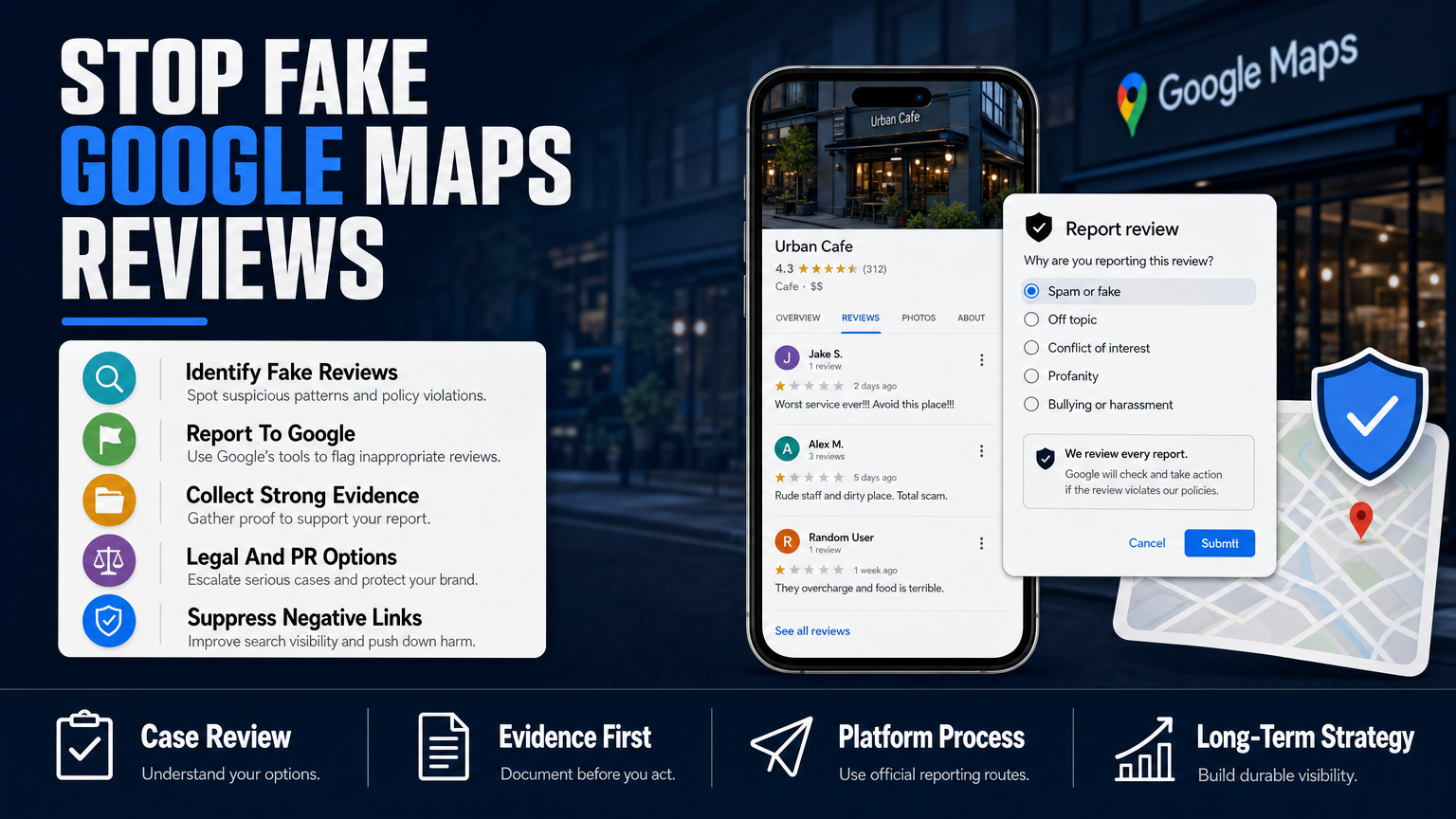
Encouraging satisfied patients to leave reviews on reputable platforms is also a critical defensive maneuver. While you cannot influence what happens in gossip groups, you can influence your presence on Google Reviews, Healthgrades, and other patient-focused sites. When potential patients see a consistent pattern of positive, detailed feedback, they are less likely to believe the baseless claims of an anonymous gossip thread. Managing this feedback loop is a key part of our reputation management services.
Additionally, consider building a content pipeline that features videos of you discussing surgical procedures, answering common patient questions, and providing educational content. Video is highly favored by search engines and creates a personal connection that text-based gossip can never replicate. By putting a human face to your medical practice, you demystify your work and build a sense of trust that gossipers cannot easily dismantle. It is about creating a narrative that is impossible to ignore.
Finally, realize that your reputation is an asset, not a static condition. It requires ongoing maintenance, just like the medical equipment in your operating room. By making proactive reputation building a standard part of your practice management, you ensure that you are never caught unprepared. When you take control of your story, you make it much harder for others to write a negative one for you. This is the ultimate goal of effective reputation management.
The Importance of Professional Reputation Management Services
Trying to manage a complex online reputation while maintaining a demanding surgical schedule is nearly impossible. Reputation management is a full-time, highly technical discipline that involves SEO, content strategy, legal analysis, and community management. When you engage with specialized reputation services, you are not just outsourcing a task; you are gaining a partner who understands the specific vulnerabilities of a medical practice. This allows you to stay focused on your patients while professionals handle the digital front.
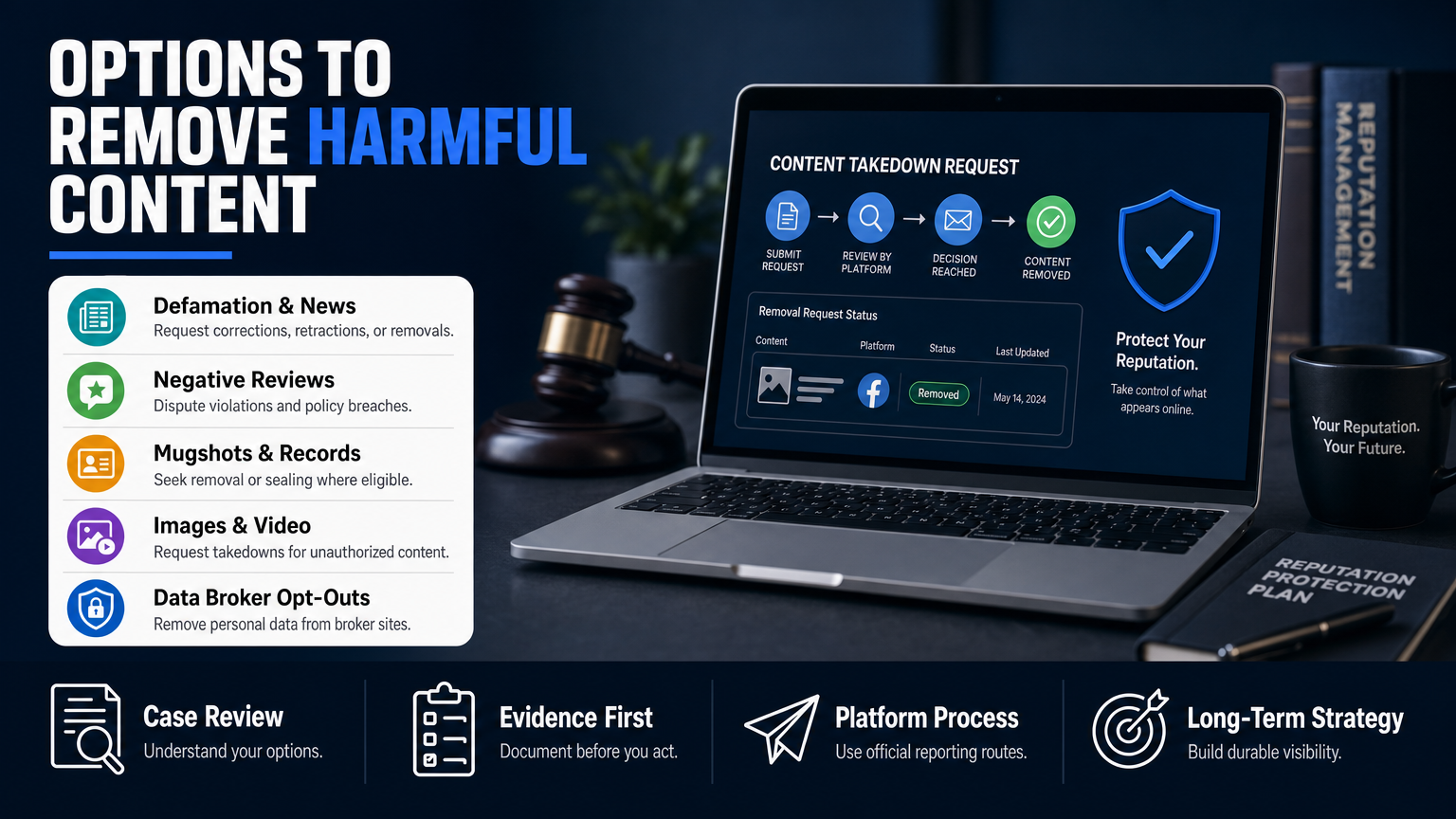
Experts in this field have the tools to monitor the web for mentions of your name in real-time. They can catch a negative thread in a gossip group while it is still in its infancy, allowing them to implement containment strategies before the issue goes viral. They also have the technical expertise to handle de-indexing requests and to ensure that your verified information is what shows up in search results. These are things that an individual simply cannot do on their own.
Moreover, professional services provide a buffer between you and the negativity. They can handle the communication with platform administrators, engage with search engines on your behalf, and provide you with a clear roadmap of what is happening. This removes the emotional burden from your shoulders, allowing you to maintain your focus on your professional duties. It is a strategic necessity for any surgeon who wants to protect their career in the 21st century.
The cost of these services is often a fraction of the potential financial loss caused by a damaged reputation. When you consider the value of a single surgery or a new patient acquisition, the return on investment for reputation protection is clear. It is an insurance policy for your career, ensuring that your life’s work is not jeopardized by an anonymous, malicious, or simply misinformed post. The long-term security provided by these services is invaluable.
Ultimately, your reputation is your most important professional asset. Protecting it requires a level of sophistication that only dedicated professionals can provide. By choosing to work with experts, you are showing a commitment to your practice and to the patients who rely on your expertise. It is a decision that pays dividends in both professional security and personal peace of mind.
Taking Control of Your Online Narrative
The digital age has fundamentally changed how surgeons are perceived, making online reputation an essential aspect of professional practice. While the rise of gossip groups and unverified online discussion presents a real challenge, it is not an insurmountable one. By understanding the mechanics of these platforms, acknowledging the psychological impact, and adopting a proactive strategy of reputation building and expert management, you can effectively navigate the digital landscape. You must remain in control of your narrative, ensuring that your career is defined by your skills and outcomes, not by anonymous whispers.
Consistency and strategic action are the keys to long-term success in this environment. It is not about reacting to every single negative comment, but about building an ecosystem of truth and professionalism that makes the negative content irrelevant. By focusing on your patients, your outcomes, and your professional credibility, you create a standard of excellence that speaks for itself. This is the best defense against any form of digital negativity.
Remember, you are a professional who has dedicated your life to the service of others. Your work has a real-world, tangible impact on the lives of your patients, and that is a reality that gossip cannot change. Stay committed to your standards, keep your professional narrative clear and authoritative, and use the reputation tools available to you to ensure that your online presence reflects the reality of your success. Your digital shadow should be as impressive as your professional life.
As you move forward, continue to view your online reputation as a dynamic, evolving asset. Regularly audit your presence, stay informed about the latest trends in digital privacy, and remain ready to adapt your strategy as needed. For comprehensive support and expert guidance in protecting your practice, be sure to rely on the professional services that can provide you with a clear and effective roadmap for success. You have the power to define your digital future.
Finally, take comfort in the fact that your reputation is ultimately in your own hands. By making a proactive commitment to your digital image today, you are laying the foundation for a career that is resilient against any online challenge. Our team is dedicated to supporting you in this mission, providing the expert intervention needed to restore and protect your professional legacy. Together, we can ensure that your name remains synonymous with the exceptional surgical care you provide.
Ready to take control of your digital identity?
Do not let anonymous gossip or outdated records define your professional future. Contact our team today for a confidential consultation and discover how we can help you systematically address and mitigate the visibility of negative online content. Together, we can restore your professional image and ensure your online presence accurately reflects the expertise and care you bring to your medical practice.