
Eliminating Booking Photos: How Syndication Pushes Records Across Multiple Websites
In today’s digital landscape, the permanence of arrest records has become a significant barrier for individuals attempting to maintain a professional online identity. As arrest data flows from local law enforcement archives to interconnected databases, it creates a digital footprint that is often difficult to erase without a comprehensive, strategic approach. The rise of these automated syndication networks necessitates a professional approach to eliminating booking photos, ensuring that your past legal incidents do not permanently define your future professional or personal opportunities. By understanding the underlying mechanics of how these images propagate across the web, you can begin to regain control of your personal reputation and mitigate the long-term impact of these invasive digital records.

The Rise of Booking Photo Syndication Networks
In the digital age, arrest records have transitioned from local government archives to globally accessible databases. Booking photo syndication networks are essentially a collection of interconnected websites that automatically ingest public arrest data from sheriff’s offices and police departments. Once an image is posted to a primary data source, these syndication scripts crawl the new entry and mirror it across dozens of secondary sites simultaneously. This automated process ensures that a single arrest record can populate multiple search results within hours, drastically increasing the public visibility of an individual’s most vulnerable moment. This rapid dissemination creates a digital footprint that is both persistent and nearly impossible for the average person to scrub on their own without specialized eliminating booking photos assistance. We often see that clients struggling with these issues also require professional support to remove negative reviews that may be compounding their online reputation problems.
The business model behind these syndication networks is built on traffic volume and the exploitation of public records. By flooding the internet with high-volume search terms like arrest records and booking photos, these sites capture significant organic traffic from search engines. This traffic, in turn, drives advertising revenue that sustains the infrastructure of the network. Because these sites operate under the guise of public information, they are often protected by broad legal interpretations, which makes it challenging for victims of this syndication to force their removal. The sheer scale of these networks means that even if one site is successfully challenged, the mirror sites continue to host the information indefinitely. Managing such a widespread footprint often involves the same rigorous strategies we use in our google review removal service.
For many individuals, the realization that their arrest record is being syndicated is a sudden and distressing event. It often occurs long after an incident has been resolved or even after charges have been dropped. The lack of context provided by these sites—which rarely update or remove entries when cases are dismissed or expunged—means that the digital damage continues indefinitely. This syndication process effectively strips the individual of their privacy, turning a public record into a permanent digital anchor that affects personal, professional, and social lives for years to come. The social stigma attached to these images is often intensified by their omnipresence across the web, requiring urgent attention to your broader online profile.
The Technical Infrastructure of Data Scraping
The technical infrastructure that enables booking photo syndication is highly efficient and, unfortunately, very difficult to dismantle. These networks utilize automated web scrapers—programs designed to crawl the websites of law enforcement agencies, jail rosters, and government courts. By constantly monitoring these sources, the scrapers can detect a new booking entry the moment it is posted. The data, including the booking photo, full name, age, and charges, is then pulled directly into the syndication network’s central database. This automated ingestion eliminates the need for manual data entry, allowing these websites to grow to massive proportions with minimal overhead costs, ensuring they remain profitable and operational.
Once the data is ingested, it is cross-referenced with other publicly available databases to enrich the profile. This can include scraping property tax records, social media profiles, and professional listings to build a more comprehensive identity around the arrest record. The more information the system can aggregate, the higher the site’s authority becomes in search engine rankings, which further pushes the booking photo content to the top of Google results. This automated enrichment creates a digital profile that is not only invasive but also highly persistent, making it an incredibly potent tool for damaging an individual’s online reputation for years. Dealing with these indexed profiles requires specialized tools to manage the digital landscape.
The decentralization of these networks is another technical obstacle. Instead of hosting all images on a single server, syndication networks often distribute data across various servers and host providers. This makes it difficult for legal interventions to target the entire network at once. If one server is taken down due to a copyright claim or a terms-of-service violation, the network can easily restore the data from a backup on a different host. This technical resilience ensures that booking photos remain accessible to the public despite the efforts of victims to have them removed from the internet.
Furthermore, the use of Content Delivery Networks (CDNs) allows these sites to serve their content quickly and reliably to users all over the world, while simultaneously masking the origin of the data. By layering their infrastructure behind CDNs, these syndication networks can protect themselves from direct attacks and avoid being easily traced to their administrators. This sophistication explains why standard methods of website removal are often ineffective. It is not just a single web page that needs to be addressed, but an entire ecosystem of scraping bots and mirrored servers that function in perfect coordination around the clock to stay active. Managing these automated threats requires expert-level technical knowledge.
To effectively combat this infrastructure, one must understand how the information is being distributed and indexed by search engines. This requires a technical response that focuses on de-indexing the content and attacking the root of the data source. For those struggling with this, understanding the importance of professional intervention is crucial. Managing these automated threats requires expert-level technical knowledge and a strategic long-term plan. Our team utilizes specialized methods to disrupt these syndication patterns, helping you reclaim your digital space from these invasive scraping technologies.
Why Arrest Photos Rank High on Search Engines
Arrest photos consistently dominate search engine results pages due to a combination of high-volume keywords and the domain authority of the syndication websites. Search engines are designed to prioritize content that is frequently searched, and unfortunately, booking photos and arrest records are high-interest queries. Because these syndication networks populate their websites with vast amounts of metadata—names, charges, and geographic location—they are effectively optimized for Google’s search algorithms. When someone searches for an individual’s name, these sites frequently rank in the top three positions because the search engine perceives the information as highly relevant and updated. Proper eliminating booking photos strategy must account for these high rankings.
The “Google effect” amplifies the harm significantly. By appearing at the top of a search query, a booking photo becomes the primary reference point for anyone looking up an individual. Whether it is a recruiter, a colleague, or a friend, the first impression is often tainted by the arrest photo. This visibility is not accidental; these sites are built specifically to capitalize on search trends. They use internal linking structures and optimized page titles that leverage the name of the individual to ensure that they are the primary source of information, regardless of the actual outcome of the case or the validity of the claims.
Moreover, these syndication networks employ black-hat SEO tactics to maintain their dominance. By linking multiple mirror websites to each other, they create a backlink network that boosts the domain authority of each individual site. This ensures that even if one site drops in the rankings, another site in the network will take its place. This constant fluctuation keeps the arrest record present on the first page of search results for extended periods. The system is designed to be self-sustaining, making it nearly impossible for an individual to displace the negative content with positive or neutral information through manual effort alone.
The permanence of these results is particularly damaging because search engines rarely re-crawl and update records unless there is a significant signal of change. Because these syndication sites often remain active for years, search engines continue to treat the old arrest information as fresh and relevant. The lack of distinction between a person who was convicted and one who had their charges dropped contributes to the persistence of these negative results. The algorithms simply do not have the context to distinguish between active legal issues and long-resolved misunderstandings. This leaves victims trapped in an outdated digital reality that they have no direct way to correct.
To combat this level of visibility, a proactive and aggressive SEO strategy is required. It is not simply about removing one image, but about creating new, authoritative content that can compete for search engine rankings. Displacing a booking photo from the first page of results is a technical challenge that involves leveraging high-quality, professional assets. Developing a robust digital presence is your strongest defense against these intrusive indexing practices. Our specialists work to ensure that your name is associated with professional content rather than these damaging automated snippets
The Impact of Monetization and Pay-to-Remove
One of the most insidious aspects of booking photo syndication networks is the monetization model, specifically the “pay-to-remove” schemes. These sites provide a platform for personal information to be exposed and then effectively hold that information hostage. When a person contacts the site administrators to request the removal of their booking photo, they are often directed to a third-party service that charges a significant fee to process the removal request. This practice has been heavily criticized and even outlawed in some jurisdictions, as it borders on extortion. It remains a widespread business model that continues to plague innocent individuals who just want their privacy back.
The fee structure for these services is typically exorbitant, and there is absolutely no guarantee that the information will be removed from the entire network. In fact, many victims report that even after paying a fee to one site, their image appears on another site within the same syndication network a few weeks later. This cyclical process allows the network to continue profiting from the same individual multiple times. The websites rely on the desperation of their victims, knowing that an individual will often pay any price to protect their personal or professional reputation from further public scrutiny or embarrassment at work. Genuine eliminating booking photos should not be an extortion business.
Furthermore, these sites collect additional data from people who engage with them to request removal. When an individual verifies their identity, provides contact information, or initiates a payment, they are potentially feeding even more data back into the network. This information can be sold to other data brokers or used to target the individual for future scams or solicitations. Engaging with these pay-to-remove services is rarely a permanent solution and often exposes the victim to a higher risk of identity theft or further online exploitation. This only serves to make the victim’s long-term digital footprint even more vulnerable.
The psychological impact of being forced to pay for the removal of one’s own identity is profound. It can lead to feelings of powerlessness and humiliation. Many people choose not to engage with these sites at all, fearing the risks of payment and the potential for being scammed. Unfortunately, this silence only allows the syndication networks to continue their operations unchecked. The industry exploits the imbalance of power between the individual and the automated network, making it difficult for the average person to find a safe and effective pathway to removal.
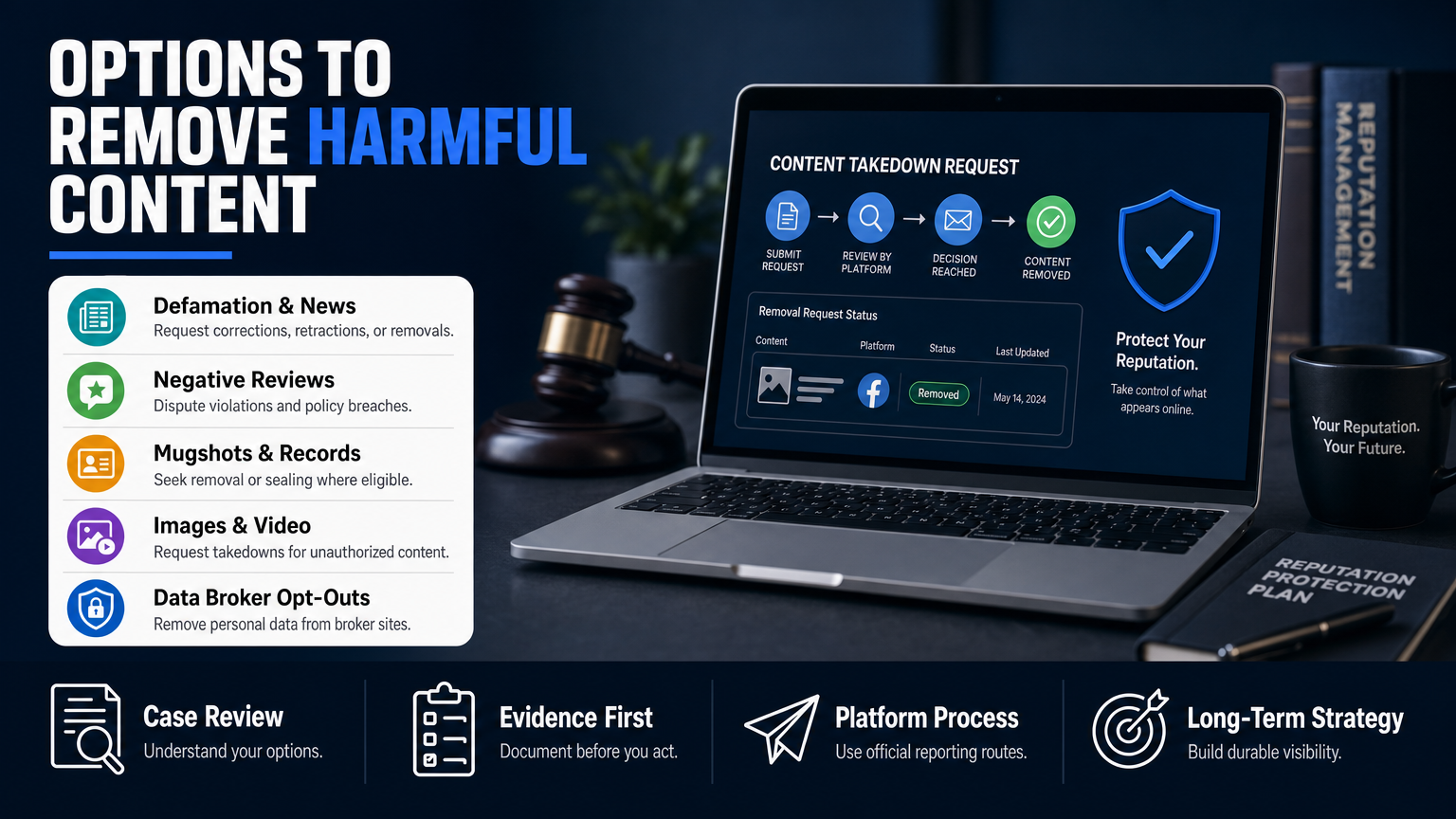
Instead of falling victim to pay-to-remove schemes, it is far more effective to utilize established, professional channels to address these issues. If you are struggling with content that is negatively impacting your personal life, it is important to seek legal and reputation management professionals who can advocate on your behalf. We offer proven strategies to remove your personal information from data brokers without falling into these traps. Professional intervention is the only way to ensure that your removal efforts are actually effective and safe. Avoiding the common pitfalls associated with extortionate removal sites is essential for your long-term success
Legal Challenges and the Right to Privacy
The legal landscape surrounding booking photo syndication is incredibly complex and varies significantly by country and even by state. In the United States, booking photos are generally considered public records, which gives websites the right to republish them under the First Amendment. This is the primary hurdle that most legal teams face when attempting to force a removal. Because the information is technically public, syndication networks argue that they are simply acting as informational tools. This makes it nearly impossible to sue for defamation, provided the information is factually accurate, even if it is outdated or misleading.
However, the tide is beginning to turn. Several states have passed laws specifically targeting the “pay-to-remove” model, declaring it an illegal business practice. These laws have provided a new avenue for advocates to challenge the legality of these websites. While this does not mean that the booking photos will disappear entirely, it does restrict the ability of these networks to profit directly from the removal of content. These legal victories have provided a framework for forcing compliance, but enforcing these laws is still a slow, laborious, and costly process.
Another legal angle that is being explored is the protection of personal data. As more attention is placed on data privacy, there are efforts to restrict how brokers can synthesize and use public information for profit. By framing the syndication of arrest records as an invasive data-privacy issue rather than a free-speech issue, legal professionals hope to create new precedents. This approach focuses on the harm caused by the aggregation of data, arguing that the public interest in access to records is outweighed by the right to an individual’s personal privacy. Rehabilitation after a legal incident has been cleared should be a priority.
Despite these developments, the reality for most people is that legal action is a last resort. The costs associated with hiring an attorney to issue takedown notices across dozens of different websites are prohibitive for most individuals. Furthermore, because these syndication networks often use anonymous registration and offshore hosting, identifying the parties responsible for legal service is a challenge. This technical and legal obfuscation makes it nearly impossible for individuals to obtain any form of accountability. They are left to manage the repercussions in the digital space until a more unified legal standard is established.
Understanding these limitations is essential for managing expectations. While there is no “magic bullet” in the legal system, being informed about your rights is the first step toward reclaiming control. Having a comprehensive understanding of the legal risks and the limitations of takedown requests is vital to navigating this stressful situation effectively. You should ensure you do not waste resources on paths that are unlikely to result in the permanent removal of your arrest photos. Professional legal guidance can help you navigate these complex hurdles more effectively.
Protecting Your Personal Brand and Digital Footprint
Protecting your personal brand in the face of booking photo syndication requires a proactive, multi-layered approach to digital hygiene. You must first understand that your digital footprint is not just what you post, but everything that is indexed about you across the entire internet. This includes records from data brokers, social media, and public databases. The best defense is to minimize the amount of personal information that is publicly available online. Making it harder for these automated scraping bots to cross-reference and build a detailed profile around your name is critical.
Regularly auditing your presence on popular people-search engines is a critical component of this maintenance. By searching for your name on major platforms, you can identify where your information is exposed and initiate the formal opt-out or removal processes provided by these sites. While these processes are often intentionally tedious, they are the only way to remove your listing from their public-facing search results. This routine should be performed quarterly, as these websites frequently re-scrape government portals and your information may reappear months after an initial removal. Constant vigilance is necessary to ensure your privacy and manage how search engines populate suggestions.
In addition to monitoring, it is highly recommended to build and maintain a strong, positive online presence. This acts as a buffer against negative results. When you have multiple professional profiles—such as a personal website, a LinkedIn profile, a professional blog, or articles in reputable publications—you dominate the first page of Google search results for your name. This makes it much harder for a syndicated booking photo to gain visibility or be the first thing a recruiter sees. By creating high-quality, relevant content, you effectively “push down” the negative results.
Privacy settings on social media should also be treated with the utmost seriousness. Ensure that your profiles are locked down and that you do not share sensitive information—such as your home address, workplace, or personal email—that can be used by data brokers. By limiting the data points available to these scraping bots, you force them to be less accurate, which can sometimes prevent them from correctly identifying you. This helps in associating your records with your public identity, thereby protecting your personal brand from unwanted digital associations. Prioritizing privacy is a core pillar of professional reputation management.
Alternatives to Aggressive Removal Tactics
When faced with the pervasive nature of booking photo syndication, it is important to consider alternatives to aggressive, singular removal tactics. Oftentimes, trying to fight every individual website is a futile effort that leads to wasted time and increased frustration. Instead, focus on strategies that diminish the relevance of the negative results in the eyes of search engine algorithms. This includes generating new, high-authority content that is directly linked to your professional identity. This helps to signal to Google that the newer, positive information is more valuable and accurate than the old booking entry that has haunted your search results.
Engagement with public advocacy or professional bodies can also act as an effective counter-narrative. By becoming a visible and respected figure in your industry, you create a reputation that far outweighs any single negative search result. When your peers, clients, and colleagues associate your name with professional contributions rather than a search result snippet, the overall impact of the negative record is greatly diminished. This is a long-term approach that focuses on building an unassailable professional legacy. In the modern digital age, your career is constantly being evaluated online, making this reputation protection essential.
Additionally, addressing the psychological impact of the records is a crucial part of the process. It is important to remember that these sites are automated, profit-driven entities, not accurate reflections of your character or your worth. Many professionals have successfully weathered the challenge of booking photo exposure by focusing on their work and continuing to provide exceptional value to their clients and communities. By maintaining focus on your goals, you can minimize the weight that you personally assign to these digital artifacts. This is a powerful way to mitigate their real-world impact on your daily life and your future aspirations.
You may also consider participating in public discussions regarding data privacy. By sharing your experience anonymously and contributing to the broader conversation about the need for better data-broker regulations, you help influence the societal change that will eventually curb these syndication practices. This constructive outlet can help you transition from a victim of the system to an advocate for privacy, which is a far more empowering position. It is a way to turn a negative experience into a broader contribution to digital rights and professional safety. Future generations benefit from the advocacy of those who speak out today.
If you need expert guidance on how to reframe your online presence and take control, our team is dedicated to providing confidential support. Avoiding the pitfalls of scams and ineffective tactics is essential for your long-term success. We offer professional solutions if you need to remove negative reviews or simply want to clean up your digital presence. We are committed to helping you build a new digital narrative that reflects the true value of your contributions and your personal character. Professional assistance provides a roadmap for sustainable reputation restoration.
Taking Control of Your Online Narrative
The persistence of booking photo syndication is a clear reminder that digital privacy is not a passive state, but an active pursuit. While the technology behind these networks is sophisticated and their reach is extensive, they are not an insurmountable obstacle to a successful professional life. By understanding the infrastructure that supports them, the legal environment that surrounds them, and the strategies that can effectively diminish their relevance, you can navigate this challenge with confidence. Taking control of your online narrative is about more than just eliminating booking photos. It is about building a presence that is defined by you, not by an automated record that holds no context.
Consistency and patience are your greatest allies in this journey. The process of improving your digital reputation will not happen overnight, but through diligent maintenance and a strategic approach, the impact of these records will diminish over time. Focus your efforts on generating authentic content and leveraging high-authority professional platforms. By doing so, you will ensure that when someone searches for your name, they are met with a professional summary of your expertise, contributions, and personal character. This is far better than an outdated or misleading booking photo from the past that provides zero context.
Remember that you are not alone in this challenge. Many high-profile professionals have successfully navigated their digital reputations and emerged stronger on the other side. The key is to remain informed, to seek professional support when necessary, and to refuse to let an automated system define your potential. Your career is built on the substance of your work, your skills, and the relationships you build—not on a digital snippet that lacks context and humanity. Protecting your professional legacy is a vital investment in your future and one that is entirely within your reach if you act now.
As you move forward, keep in mind that the landscape of the internet is constantly evolving, and your strategy should evolve with it. Regularly monitoring your footprint, adapting to new data-broker practices, and maintaining an authoritative presence will ensure that you remain ahead of any potential challenges. For comprehensive resources and expert advice on how to secure your professional future, be sure to use our specialized services. Our experts are ready to provide the specialized guidance you need to succeed. Professional support ensures you stay ahead in an increasingly complex digital world.
Finally, remember that the most effective way to address the issue of syndicated data is to remain committed to your goals and your professional reputation. If you feel overwhelmed or are unsure about the best path forward, our team is here to support you in restoring your professional image. We can help you manage your reputation, whether that means we need to remove negative reviews or tackle complex data aggregation issues. Together, we can take the necessary steps to ensure that your digital identity accurately reflects the true nature of your professional accomplishments. This allows you to move past these digital hurdles with grace and professional resilience.
Ready to take control of your digital identity? Do not let automated records define your professional future. Contact our team today for a confidential consultation and discover how we can help you systematically address and mitigate the visibility of outdated personal records. Together, we can restore your professional image and ensure your online presence accurately reflects who you are today.