The Review Hostage Crisis: What to Do When a Customer Demands a Refund for a 5-Star Rating
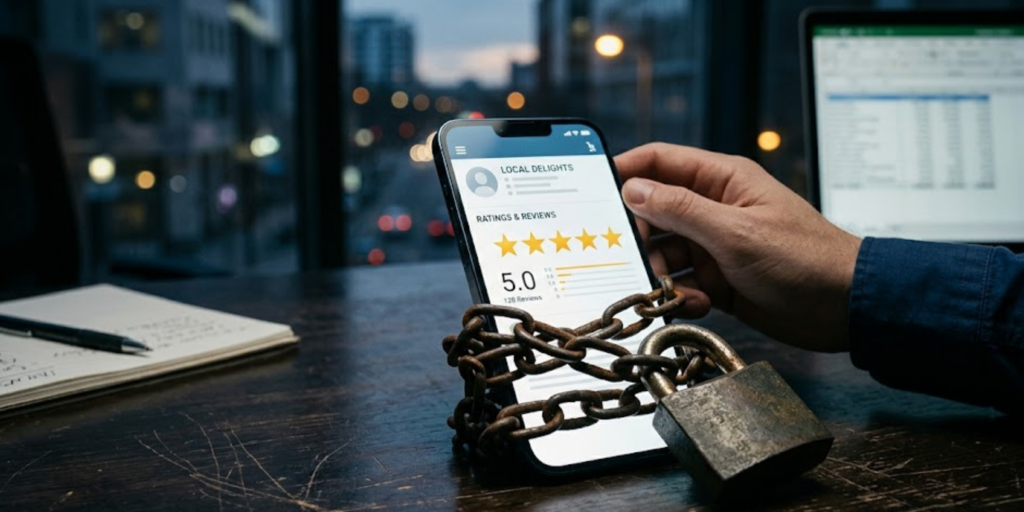
It starts with a message or a phone call. A customer claims they are unhappy with a service—often for a minor or even non-existent reason—and then comes the ultimatum: “Give me a full refund, or I’ll post a 1-star review on Google and Yelp.” This is the Review Hostage Crisis, a form of digital extortion that puts business owners in an impossible position: pay the “ransom” and encourage the behavior, or refuse and watch your hard-earned rating take a hit.
1. Recognizing the Extortion Pattern
Review extortion is a violation of the Terms of Service (ToS) of every major platform, including Google, Yelp, and TripAdvisor. However, the Review Hostage Crisis is difficult to prove unless you have a clear paper trail. Attackers often use vague language to avoid detection, but the core remains the same: the promise of a positive review (or the removal of a negative one) in exchange for financial gain.
2. Why You Should Never Pay the "Ransom"
While it’s tempting to issue a quick refund to protect your stars, paying the ransom is a short-term fix that creates long-term vulnerability.
-
The Escalation Risk: Once a business is marked as “compliant” to extortion, it often becomes a target for coordinated attacks.
-
Platform Penalties: If Google detects that you are “buying” the removal of reviews through refunds, your business profile could be the one suspended for review manipulation.
-
Loss of Credibility: As we noted in our analysis of the Trustpilot Pay-to-Play Problem, authenticity is your strongest shield. A managed reputation is better than a manipulated one.
3. The Protocol: How to Neutralize the Threat
When you are facing a Review Hostage Crisis, you must move from a defensive mindset to a forensic one:
-
Preserve the Evidence: Immediately save screenshots of all communications (emails, DMs, texts) where the demand is made. This is your “smoking gun” for platform appeals.
-
The “By-the-Book” Response: Respond professionally but firmly. State that you take customer satisfaction seriously but cannot participate in review manipulation as it violates platform policies.
-
Strategic Escalation: Instead of using the standard “Report” button, use the platform’s specific Extortion Reporting channels, providing the evidence you’ve gathered to ensure a manual review by a human moderator.
FAQ
Is review extortion illegal? Yes. In many regions, this falls under criminal extortion or consumer fraud. While small cases are rarely prosecuted, having the legal backing to flag these reviews as fraudulent is essential for your digital defense.
What if they already posted the 1-star review? If you have proof of the demand for money prior to the post, the review is much easier to remove. Platforms are very strict about “Review Bombing for Hire” and extortion patterns.
How does Your Reputation manage these crises? We act as your intermediary. We handle the communication and the technical reporting to the platforms, ensuring that the extortion attempt is documented and the fraudulent content is purged without you having to negotiate with “hostage-takers.”
The Review Hostage Crisis thrives on fear—the fear that one person’s click can ruin your reputation. But with the right documentation and a technical defense strategy, you can turn the tables. At Your Reputation, we ensure that your business isn’t a victim of digital blackmail. We protect your stars, so you can focus on your service.
Are you being blackmailed for a 5-star review? Don’t pay the ransom. Protect your business integrity and learn how to remove extortion-based reviews the right way.