Quick answer: protect your digital footprint
Protect your digital footprint by limiting unnecessary public data, securing accounts, reviewing app permissions, removing stale profiles, opting out of data brokers, and monitoring name and image searches.
Use unique passwords and multifactor authentication, keep professional information accurate, verify links before sharing credentials, and preserve evidence of impersonation or harassment.
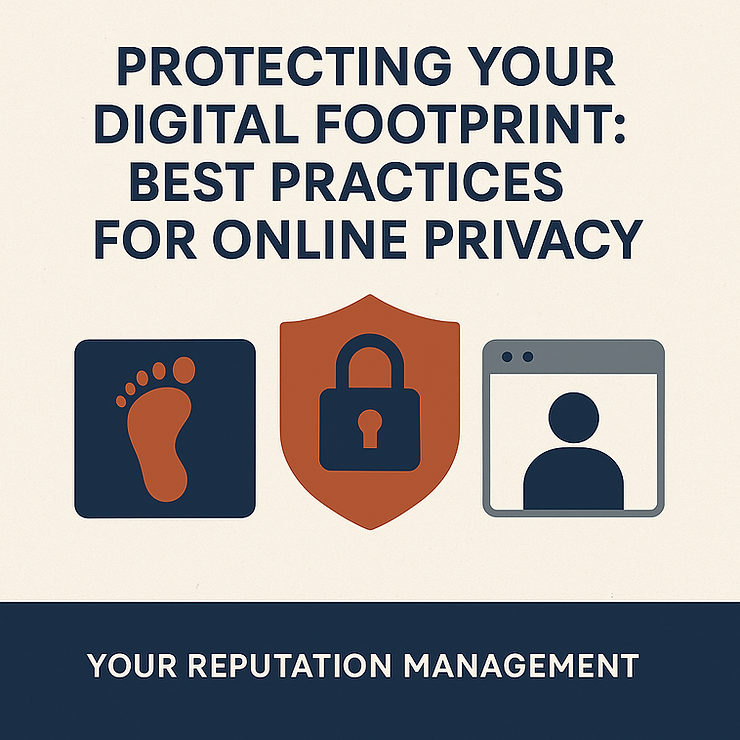
In today’s hyperconnected world, Protecting Your Digital Footprint is essential for maintaining both privacy and a positive online presence.
Every time you browse the internet, make a purchase, or post on social media, you leave behind a trail of personal information. While much of this is harmless, data brokers often collect and sell your information—exposing you to privacy risks, spam, identity theft, or reputational damage.
To take control, start with a digital audit.
Search your name on Google and review what’s publicly visible. Remove old posts, outdated profiles, and unnecessary personal details. Strengthen your privacy settings on social media and professional platforms, and avoid oversharing information that could be used against you.

Additionally, consider using encrypted communication tools, secure browsers, and VPNs to reduce tracking and protect sensitive data. Enable two-factor authentication and regularly update your passwords to shield your accounts from unauthorized access.
One of the most effective steps toward Protecting Your Digital Footprint is removing your personal information from data broker websites.
These platforms collect and distribute your data without permission, making it accessible to advertisers, spammers, and cybercriminals. Your Reputation Agency offers a reliable and comprehensive service to locate and remove your data from these sources, helping you regain control of your online identity.
Your digital footprint speaks volumes about who you are. By taking proactive measures, you not only improve your privacy and security but also shape a more professional, trustworthy online image. Don’t wait for a data breach or online smear—act now to protect what matters most.
How to Audit Your Digital Footprint
A digital footprint includes the information you publish intentionally and the data created as you use websites, apps, devices, and online services. Begin with a private-browser search for your full name, common name variations, email address, phone number, usernames, and professional affiliations. Review the first several pages of results, image results, social profiles, directory listings, and cached references. Record anything inaccurate, overly personal, outdated, or inconsistent with the identity you want customers, employers, and partners to see.
Review privacy and account security
- Use a unique password for every important account and store passwords in a reputable password manager.
- Turn on multifactor authentication, preferably with an authenticator app or security key.
- Remove unused applications that still have access to Google, Apple, Microsoft, or social-media accounts.
- Limit public visibility of birthdays, addresses, family relationships, travel plans, and personal contact details.
- Install security and browser updates promptly so known vulnerabilities are corrected.
If an account may have been compromised, change its password, review active sessions, and check recovery information immediately. The Federal Trade Commission’s IdentityTheft.gov resource provides recovery guidance when exposed information is being used fraudulently.
Reduce Unnecessary Personal Data
Strong digital footprint protection also requires reducing the number of places that expose your information. Opt out of legitimate people-search and data-broker sites, close abandoned accounts, and request corrections from directories that display old addresses or employment details. Use a separate email address for newsletters and shopping accounts so your primary contact information is less widely distributed.
Removal is not always permanent. Data brokers may rebuild profiles when they receive new public records or commercial data, so keep a simple log containing the website, profile URL, submission date, and outcome. Recheck high-priority sources every few months and after a move, name change, new business filing, or major public event.
Manage What Search Results Communicate
Privacy cleanup is only one side of your online presence. Search results may still lack accurate, authoritative information about your work. Maintain complete professional profiles, publish useful expertise on websites you control, and keep business listings consistent. Our guide to checking what Google says about your business provides a repeatable way to examine branded results, reviews, images, and third-party mentions.
Avoid creating dozens of thin profiles simply to occupy search results. A smaller collection of accurate, well-maintained pages is more credible and easier to secure. Correct false information at its source whenever possible, and use search-engine removal tools only when the result meets the platform’s current eligibility requirements.
A Practical Digital Footprint Protection Schedule
- Monthly: Search your name and primary brand terms, review account alerts, and check recent app permissions.
- Quarterly: Revisit data-broker opt-outs, update public profiles, and remove information you no longer need to share.
- Annually: Complete a full account inventory, close dormant accounts, rotate recovery codes, and review your most visible search results.
- After an incident: Preserve screenshots and URLs, secure affected accounts, document the timeline, and seek qualified legal or security guidance when appropriate.
Frequently Asked Questions
Can I erase my digital footprint completely?
Usually not. Public records, lawful reporting, archived material, and data held by other organizations may remain available. The practical goal is to reduce unnecessary exposure, correct inaccuracies, strengthen account security, and make trustworthy information easier to find.
How often should I review my online presence?
For most people, a quarterly review is a useful baseline. Executives, public-facing professionals, and anyone dealing with harassment or identity theft may need more frequent monitoring.
Take Control of Your Online Presence
Digital footprint protection works best as an ongoing routine rather than a one-time cleanup. Combine careful sharing, strong security, data-removal requests, accurate professional content, and regular monitoring. These habits reduce avoidable exposure while helping the online record reflect who you are today.
Build a Positive and Trustworthy Digital Presence
Protecting your digital footprint is not only about removing unwanted information—it is also about building a trustworthy online presence. Make sure your website, professional profiles, social media accounts, and business listings present accurate and consistent information. Publish useful content that demonstrates your expertise and gives search engines reliable sources about who you are and what you do.
If you discover harmful, outdated, or misleading information in search results, document the page and evaluate whether it can be corrected or removed at the source. For more complex reputation issues, professional guidance can help you create a practical strategy for protecting your online identity.
If you need personalized help reviewing your online presence, visit our Contact Us page to discuss your situation with our reputation management team.
Protect Your Online Reputation Before Problems Escalate
A strong digital footprint strategy should be proactive, not reactive. Regularly search your name, brand, company, or professional identity and look for new reviews, mentions, images, profiles, or potentially damaging content. Early detection gives you more time to respond before unwanted information becomes highly visible in search results.
For individuals and businesses facing persistent negative content, privacy concerns, or reputation threats, a structured reputation management strategy may be necessary. The right approach can combine content development, search visibility improvements, monitoring, and appropriate removal or correction requests.
Your online reputation can influence trust, professional opportunities, and customer decisions. If you want expert assistance protecting and improving your digital presence, you can contact Your Reputation Agency to discuss your specific reputation concerns.