
How TruthFinder and People Search Sites Aggregate Data: What You Need to Know
In the modern digital age, our professional and personal lives are increasingly intertwined with vast, interconnected databases. When you search for your name on Google, you may be surprised to encounter detailed profiles on sites like TruthFinder, Intelius, or Whitepages. These platforms, known as “people search sites,” have fundamentally changed how information about individuals is accessed, centralized, and sold. Understanding how these platforms operate is the first step toward reclaiming your Digital Footprint and ensuring that your professional reputation remains untarnished by outdated or inaccurate public data.

The Mechanics of Data Aggregation
At its core, data aggregation is the process of collecting information from disparate sources and consolidating it into a single, searchable index. These sites do not merely display public data; they use sophisticated web-crawling algorithms that scour thousands of websites, government portals, and social media platforms simultaneously. By linking fragmented pieces of data—such as a maiden name, a childhood address, and a current professional title—they create a comprehensive Digital Footprint dossier. This process transforms decentralized public records into a high-utility, commoditized product that anyone with an internet connection can purchase.
The technology behind this is highly automated, utilizing scrapers that operate 24/7 to monitor your Digital Footprint. These scrapers extract text and structured data from across the web, effectively “reading” pages in a way that standard search engines do not, specifically focusing on personal identification markers. This constant harvesting ensures that even if you haven’t updated your information in years, the system eventually finds and pulls in new data points that expand your Digital Footprint.
Once the data is scraped, it is cleaned and normalized to better map your Digital Footprint. A single person might be listed as “John Doe” on one site, “J. Doe” on another, and “Jonathan Doe” on a government registry. The aggregation engine recognizes these as the same entity, merging the entries into a master profile. This normalization process is what makes these sites so powerful and, conversely, so invasive for the average user trying to manage their Digital Footprint.
Furthermore, these platforms utilize massive relational databases that can handle petabytes of information to track your Digital Footprint. The cost of storage and computing power has dropped significantly, allowing these companies to maintain historical records that go back decades. They don’t just care about who you are today; they are interested in who you were twenty years ago, as historical data is often the key to unlocking current contact information within your Digital Footprint.
Finally, the output of this aggregation is a user-friendly dashboard that visualizes your Digital Footprint. They take complex raw data and present it as a clean report, complete with maps, family trees, and potential criminal records. By commoditizing this information, they have created an industry that profits from the lack of standardized digital privacy laws, turning your personal history into a searchable product for anyone willing to pay a small fee to see your Digital Footprint.
The Role of Public Records and Government Portals
A significant portion of the information found on people search sites originates from legitimate government sources that feed into your Digital Footprint. Property deeds, marriage certificates, criminal records, and professional licensing information are technically classified as public records, intended for transparency and civic accountability. These records exist to ensure that the public can verify business transactions, property ownership, and legal status, which is a cornerstone of a functional democratic society that impacts your Digital Footprint.
However, while these records have always been public, they were historically difficult to access without visiting physical government offices or requesting files via mail. In the past, the “privacy through obscurity” model meant that unless someone had a specific reason to look for your records, your Digital Footprint was essentially invisible. These data aggregators have digitized these archives, making them instantly accessible via an intuitive search bar, which effectively removes the friction that once acted as a natural privacy barrier for the average citizen managing their Digital Footprint.
This transition from physical archives to instant digital access has created a gap between intent and reality regarding your Digital Footprint. Government agencies intended for these records to be accessible for specific, usually legitimate, administrative purposes. However, they did not foresee a world where these records would be scraped en masse by third-party companies and packaged for mass-market consumption. The resulting commodification of these records has outpaced the development of digital privacy protections, leaving your Digital Footprint exposed.
Moreover, many of these government portals have lax security or are improperly configured, making them easy targets for automated extraction tools that map your Digital Footprint. While most of the data is technically “public,” the way it is aggregated creates a privacy nightmare. When a single site can pull your property history, voting registration, and tax liens, they gain a holistic view that no single government department ever intended for a private company to hold as part of your Digital Footprint.
Ultimately, the issue is not that the data is public, but that it is no longer contextual regarding your Digital Footprint. When a person looks at a physical document in a county clerk’s office, there is a process and a cost involved. When they pull it up on a people search site, the lack of context leads to dangerous misinterpretations. This is why understanding the flow of government data to private aggregators is vital for any professional concerned about their public Digital Footprint.
Third-Party Data Brokers and the Commercial Ecosystem
Beyond government records, a large volume of the data populated on these sites is purchased from third-party data brokers who constantly expand your Digital Footprint. These brokers specialize in harvesting information from online shopping habits, subscription services, survey participation, and even location data from mobile applications. This ecosystem operates in the shadows of the internet, where your personal preferences and historical movements are bought, sold, and traded in real-time, drastically increasing your Digital Footprint.
Data brokers are essentially the middlemen of the internet economy that track your Digital Footprint. They collect data from retailers, credit card companies, and insurance providers, then bundle that data to sell to marketing agencies, political campaigns, and—crucially—people search sites. They utilize cross-device tracking, which links your desktop activity to your mobile behavior, ensuring that they can build a profile even if you use different emails or handles across platforms to hide your Digital Footprint.
When a people search site integrates this commercial data with public records, the resulting profile becomes incredibly detailed, forming a complete Digital Footprint. It often includes not just your name and address, but your estimated income, interests, social connections, and contact history. This combination of commercial and government data creates a 360-degree view that is often more accurate than what the individual might have shared publicly themselves, further complicating your Digital Footprint.
This commercial ecosystem thrives on the fact that users often unknowingly consent to this data sharing when they click “accept” on long, convoluted terms of service agreements that authorize the tracking of their Digital Footprint. Most people do not realize that by participating in a loyalty program or downloading a free game, they are contributing to the very datasets that will eventually be used to populate their profiles on aggregation sites. The sheer scale of this data collection is designed to be invisible to your Digital Footprint.
As a result, your reputation is no longer just what you post, but what these brokers deduce about your Digital Footprint. If you are a professional, the data that brokers sell can be used by these aggregators to infer things about your lifestyle or associations that might not be accurate. Protecting your information requires a proactive approach to limiting your exposure in this broader commercial ecosystem, far beyond just managing your public-facing Digital Footprint.
Algorithmic Identity Matching
One of the most complex aspects of these platforms is the use of proprietary algorithms to achieve “identity matching” within your Digital Footprint. Because many people share the same name, these sites rely on multi-factor validation to determine if a specific data point belongs to you. They use unique identifiers—such as age ranges, previous addresses, and family member associations—to link disparate information sets. When an algorithm incorrectly links two different people, it can lead to “data contamination,” where negative information about a namesake appears on your profile, causing potential damage to your professional Digital Footprint.
The algorithms responsible for this matching are often “black boxes,” meaning that even the companies operating the sites sometimes cannot fully explain why a specific piece of data was linked to a specific Digital Footprint profile. These systems are designed to maximize data density, which often leads to a “false positive” bias. They would rather include potentially incorrect data than exclude a record that might be relevant, as more data equates to a more “complete” product for their customers who buy your Digital Footprint.
This algorithmic failure is particularly damaging because it is persistent, damaging your long-term Digital Footprint. Once a piece of erroneous data is linked to your digital identity profile, it can cascade across other aggregation sites that scrape data from one another. This creates a feedback loop of incorrect information that is incredibly difficult to break. You might clear your name on one site, only to find the same error reappearing on another due to the automated synchronization of these databases within your Digital Footprint.
Furthermore, these algorithms often fail to account for common name changes, such as those resulting from marriage or divorce, leading to profiles that are confusing at best and destructive at worst for your Digital Footprint. They may combine the histories of two different people who happened to live in the same zip code, creating a profile that is a mosaic of different lives. This is a common source of professional reputational harm that requires expert intervention to resolve the inconsistencies in your Digital Footprint.
In summary, the reliance on identity matching algorithms means that your digital reputation is hostage to automated processes that do not prioritize accuracy of your Digital Footprint. Understanding that this is an algorithmic error rather than a factual one is the first step toward correcting the narrative. Because these systems are automated, they require specific, targeted actions to force them to “de-link” the incorrect data from your primary identity, thus cleaning your Digital Footprint.
The Impact on Digital Reputation
For executives, healthcare professionals, and business owners, the impact of these aggregated profiles can be devastating to their Digital Footprint. When a potential client, investor, or employer conducts a background search, they often prioritize the information that appears first in search engine results. If a people search site highlights an old, out-of-context court filing or a misleading business record, that information becomes the “truth” in the mind of the viewer, effectively defining your Digital Footprint.
The problem is the lack of context surrounding your Digital Footprint. A person looking at these profiles rarely has the time or expertise to verify the information. They see a “criminal record” or a “lawsuit” and make an immediate, often subconscious, judgment. For those who rely on trust-based industries, this can lead to lost business, failed partnerships, and damage to one’s professional standing that is difficult to recover from, regardless of the reality of their Digital Footprint.
Moreover, the search engine optimization (SEO) power of these sites means they often rank higher than your actual professional biography or LinkedIn profile, overtaking your Digital Footprint. When your name is searched, the aggregator appears in the top three results. This crowds out the positive, curated information you want to present. You are losing control of the first impression before you even have a chance to introduce yourself, as the aggregator dominates your Digital Footprint.
While public record aggregators are a major concern, remember that digital reputation also extends to social media management, where platform-specific content can just as easily be used to misrepresent your professional Digital Footprint. These search sites feed into the broader narrative that the public has about you, and if left unmanaged, the combined effect of negative search results and poorly managed social presence creates a toxic digital environment for your Digital Footprint.
Ultimately, your reputation is your most valuable business asset connected to your Digital Footprint. The existence of these aggregator profiles turns every background check into a potential crisis point. You must view your digital presence as a holistic ecosystem where data aggregation sites, social media platforms, and news archives must be monitored and optimized to ensure that you are always presented in the best possible light via your Digital Footprint.
Navigating the Opt-Out Process
Many people search sites provide an “opt-out” mechanism, which theoretically allows users to request the removal of their information from the public index to improve their Digital Footprint. While this sounds straightforward, the execution is often intentionally laborious, requiring you to navigate multiple forms, verify your identity repeatedly, and wait weeks for processing. These companies design their opt-out processes to be as frustrating as possible to discourage users from pursuing them, as their business model relies on the data remaining available to monetize your Digital Footprint.
Furthermore, opting out of one site is often insufficient because those sites frequently share data with dozens of sister platforms, complicating your Digital Footprint. A request to remove your data from “Site A” may not stop “Site B” from displaying it, even if Site B is owned by the same parent company. This requires a systematic, multi-layered approach to identify all relevant aggregators and execute a coordinated removal strategy across the entire network to truly scrub your Digital Footprint.
The process often involves proving your identity in ways that are themselves invasive to your Digital Footprint. You may be asked for photos of your government ID or other sensitive information, which you are then sending to the very companies you are trying to hide from. It is a catch-22 situation that underscores why many professionals opt to use fake news removal and reputation management services rather than attempting to navigate these treacherous waters alone to fix their Digital Footprint.
There is also the recurring nature of the problem that affects your Digital Footprint. Data aggregators are constantly re-scraping the web. Even after you successfully opt out, your data may reappear months later when the site performs a new crawl of government or broker databases. This is why a “set it and forget it” mentality does not work; you need a strategy for ongoing monitoring and recurring removal requests to maintain a healthy Digital Footprint.
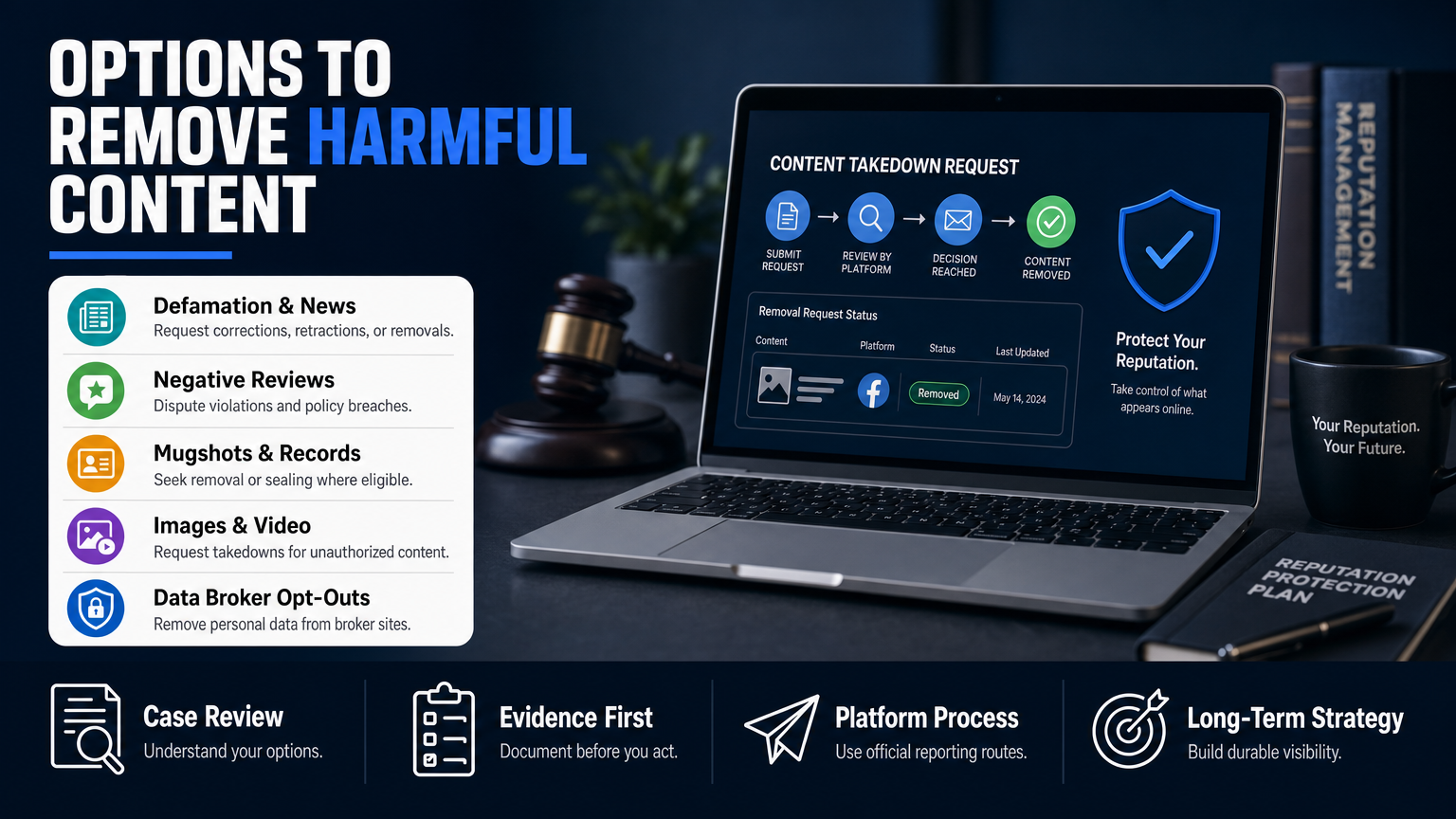
In short, the opt-out process is a war of attrition for your Digital Footprint. It requires persistence, documentation, and a deep understanding of how these companies operate. For professionals whose time is valuable, the DIY approach to removing information from these platforms is rarely the most efficient path. Professional reputation management agencies provide the leverage and expertise required to clear your name and keep it clear in the long run to protect your Digital Footprint.
Strategic Protection for Professionals
Given the permanence of digital data, professionals must adopt a defensive posture regarding their Digital Footprint. This involves regularly auditing your own name to see exactly what is visible to the public. If you find inaccurate information, you must document it, collect evidence of its inaccuracy, and prepare to challenge it through legal or administrative channels. Proactive monitoring is the only way to catch damaging information before it causes professional harm to your Digital Footprint.
Your digital strategy should include the creation of “digital real estate” that you own and control as part of your Digital Footprint. By building high-authority personal websites, blogs, and professional profiles on reputable platforms, you create content that serves as your own curated search results. This makes it harder for aggregator sites to dominate the first page of Google for your name, as they must compete against the high-quality content you are producing to manage your Digital Footprint.
Maintaining professional boundaries online is also essential for your Digital Footprint. This means being mindful of what information is publicly available on your social media and professional networks. The less information you provide that can be easily linked to your identity, the less “fuel” you give these aggregation sites to build a profile about you. Digital hygiene is a critical component of modern career management and your Digital Footprint.
If you encounter specific, targeted misinformation or harassment, you must have a clear response plan to protect your Digital Footprint. This includes dealing with Reddit comments or other forms of public criticism that can quickly escalate if left unaddressed. A professional response, or a removal strategy, is far more effective than an emotional or reactive one. Reputation is about maintaining the narrative, not just reacting to attacks on your Digital Footprint.
Protecting your reputation is not a one-time task; it is an ongoing commitment to monitoring your Digital Footprint. By integrating reputation management into your broader business and career strategy, you ensure that you are presenting a consistent, professional image to the world. It is about controlling the story of your professional life, rather than leaving it to the algorithm of a random data broker that defines your Digital Footprint.
Reclaiming Your Digital Narrative
Ultimately, the goal of understanding data aggregation is to shift the balance of power back to the individual managing their Digital Footprint. While you cannot delete the existence of public records, you can influence how they are perceived by overwhelming them with high-quality, positive content. By creating professional profiles, publishing authoritative articles, and maintaining updated social media presence, you can “drown out” the negative or outdated data found on people search sites. This strategy turns the search results into a reflection of your current achievements, not your past history, improving your Digital Footprint.
Reclaiming your narrative is about consistency for your Digital Footprint. You need to ensure that the information across your LinkedIn, professional bio, and personal website is uniform. When you have a clear, optimized online presence, it provides a “source of truth” for anyone researching you. If a search aggregator does show an old record, a strong, authoritative professional profile will help mitigate its impact by offering a current and accurate context for who you are today, strengthening your Digital Footprint.
Engaging with experts who understand the nuances of digital reputation management can drastically speed up this process of improving your Digital Footprint. Whether you are dealing with Reddit comments or broad-spectrum data exposure, professional assistance can significantly expedite the clearing of your digital name and help restore your professional authority. There is no need to navigate this complex ecosystem alone when there are proven strategies for reclaiming your digital narrative and your Digital Footprint.
The digital landscape is constantly changing, and your reputation management strategy must change with it to protect your Digital Footprint. As search engines evolve and new platforms emerge, you must remain vigilant. The effort you invest in cleaning up and curating your online presence today will pay dividends in your career and business opportunities for years to come. Your name is your brand; take ownership of it to solidify your Digital Footprint.
Finally, remember that the most effective way to manage your reputation is to lead with value and maintain your Digital Footprint. When you are known for your expertise, your contributions, and your professional integrity, people are far more likely to focus on your work than on an outdated record on an aggregator site. Build a digital presence that reflects your highest professional standards, and the rest will follow. Professional assistance can help you bridge the gap between where your Digital Footprint is now and where it needs to be to achieve your long-term goals.
FAQ
Is it legal for these sites to publish my information?
Yes, because they utilize information that is already in the public domain, they are generally protected under freedom of information laws that shape your Digital Footprint.
Why does my profile contain information about people I don't know?
This is often the result of “algorithmic mismatching,” where the site incorrectly links similar data points or family members to your Digital Footprint file.
Can I permanently delete my data?
While you can request removal, it is often a temporary fix; data aggregators frequently re-scrape information from other sources, which may cause it to reappear in your Digital Footprint.
Does this affect my credit score?
No, these sites generally do not have access to your private financial data or credit reports; they focus on public and commercial records to build your Digital Footprint.
Understanding how platforms like TruthFinder and other data aggregators operate is not just a technical necessity; it is a fundamental component of maintaining your professional agency in the 21st century. Your Digital Footprint is a living, breathing entity that evolves with every online interaction, public record filing, and commercial transaction you engage in. By recognizing that these aggregators are essentially automated systems designed to profit from the consolidation of your information, you can move from a state of passive exposure to one of active management. While the landscape of data privacy is complex and often tilted in favor of the data brokers, it is not an invincible fortress. The proactive steps you take today—auditing your information, challenging inaccuracies, and curating your professional presence—will significantly influence the narrative that others encounter when they search for you. Protecting your Digital Footprint is an ongoing commitment to the accuracy and professional integrity of your name, ensuring that you control the story rather than letting a third-party algorithm dictate it for you. Ultimately, you have the power to define your digital identity, provided you are willing to invest the time and strategy required to do so effectively.
Is your Digital Footprint accurately reflecting the professional you are today? Do not let outdated data, inaccurate records, or misinformation on people search sites compromise your hard-earned career progress or business reputation. At Your Reputation, we specialize in comprehensive audit, cleanup, and management services designed to help you regain control of your online presence and project the authority you deserve.
👉 Don’t wait for a background check to reveal an unpleasant surprise