How Google Search Shapes Trust Before the First Appointment
Digital Reputation Management in the modern digital landscape, the journey to professional engagement rarely begins with a personal referral or a physical visit; instead, it starts in the search bar. Google has become the ultimate arbiter of credibility, where a professional’s digital footprint serves as the primary foundation upon which potential clients build their trust before ever scheduling an appointment. This article explores the critical role that search results, online reviews, and brand narratives play in shaping consumer perception, highlighting the necessity for professionals to actively govern their digital presence to ensure their reputation reflects their true expertise and quality of service.

The Evolution of Digital Trust in the Google Search Era
The method by which consumers and patients build trust has undergone a radical transformation over the past decade, moving away from traditional word-of-mouth recommendations to focus almost exclusively on the digital validation provided by search engines. In the past, the reputation of a professional or clinic was built through years of direct local interactions, where prestige was inherited and shared within closed circles. Today, that process which once took months or years has been compressed into microseconds of algorithmic processing. When a person experiences a need—whether medical, aesthetic, or professional—their first instinct is not to consult a family member, but to perform a Google search, placing nearly blind faith that the results on the first page represent the safest, most qualified, and most trustworthy options in the market.
This phenomenon has given rise to what marketing experts call the “Zero Moment of Truth” (ZMOT), a critical decision-making point that occurs long before the user makes a phone call or steps into a business. During this zero moment, the user is not just looking for contact information; they are conducting an exhaustive, multidimensional investigation into the professional’s legitimacy. They evaluate domain authority, message clarity, the presence of educational content, and, above all, any red flags that might indicate a lack of professionalism. If a business fails to dominate this digital space, or if its presence is fragmented and unprofessional, trust erodes instantly, driving the user to click the “back” button and choose the next competitor on the results list.
The anatomy of a search engine results page (SERP) is specifically designed to provide multiple layers of trust validation at a glance. From paid ads at the top, which suggest economic solvency and competitiveness, to the Google Maps “Local Pack” that provides immediate social proof through star ratings and reviews, every pixel on the screen influences consumer psychology. A website that manages to rank organically in the top spots conveys implicit authority; the user assumes subconsciously that if the world’s most complex algorithm considers this site the best answer to their problem, the professional behind the site must be an absolute expert in their field, establishing a high baseline of trust before the first appointment.
However, this algorithmic trust is extremely fragile and highly dependent on the consistency of the information found. The user’s search intent dictates exactly which trust signals they are looking for. For example, someone searching for “preventive treatments” is in a research phase and will look for detailed blog posts, case studies, and medical credentials. On the other hand, someone searching for “aesthetic clinic near me” has a much higher transactional intent and will base their trust almost entirely on star ratings, photos of the premises, and response immediacy. If the digital strategy does not align content with these specific intentions, the user will feel cognitive dissonance, which translates into distrust and, ultimately, the loss of a conversion opportunity.
Mobile search behavior has further intensified the urgency to establish trust instantly and without friction. The vast majority of local service searches are performed on mobile devices, often while the user is on the move or multitasking. In this environment of divided attention, users do not have the patience to navigate slow websites, read endless walls of unstructured text, or hunt for hidden contact information. Mobile trust is built through load speed, flawless responsive design, and instant accessibility to call or booking buttons. If a website looks outdated or is difficult to use on a phone, the user will project that same lack of care and modernity onto the professional services being offered.
It is crucial to understand that the click from the Google results page to the website is only the first micro-conversion in the trust funnel. Once the user lands on the page, the design, User Experience (UX), and information architecture must sustain and amplify the implicit promise made by the search result. Elements such as HTTPS security certificates, professional association badges, clear privacy policies, and detailed team biographies are fundamental. If a user arrives at a page from a high-authority search but encounters a site that looks like it was designed a decade ago, with broken links or generic stock images, the dissonance will destroy any gained trust, proving that ranking cannot exist in a vacuum without a solid foundation of professional web design.
In summary, the evolution of digital trust demands that professionals and brands take total control of their narrative in search results. It is no longer enough to be excellent in professional practice; it is mandatory that this excellence be translated accurately and persuasively into the Google ecosystem. Mastering the first page is not simply a tactic for generating traffic, but the cornerstone of the doctor-patient or provider-client relationship in the 21st century. Trust is earned in the bytes of information that precede the physical handshake, and companies that understand and invest in this reality are the ones securing not just the first appointment, but long-term client loyalty.
The Psychological Impact of Reviews and Social Proof
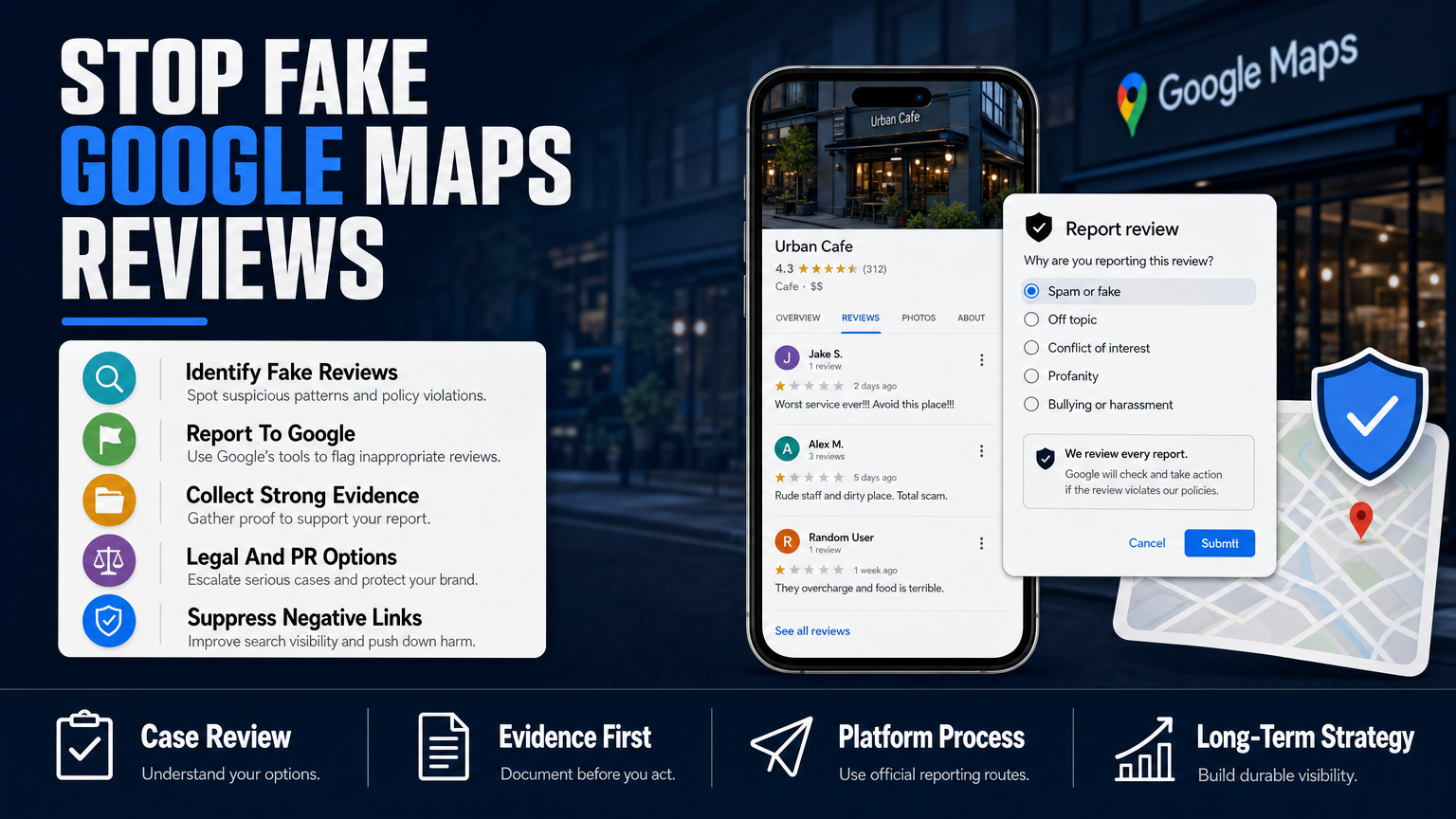
In the Google ecosystem, social proof has become the most valuable currency for acquiring new clients. Psychologically, human beings are programmed to seek group validation, a concept deeply rooted in social psychology. Unfortunately, the review system is frequently subject to abuse. A fake review attack can devastate a business’s average rating overnight. In these critical situations, inaction is not an option. Having a professional Google Auto-Complete Suggestions Management service is fundamental to technically and legally dispute these fraudulent ratings and associations, protecting the profile’s integrity and restoring the truth about the quality of service.
The asymmetry in the perception of reviews is a critical factor that businesses must understand deeply. Numerous consumer behavior studies indicate that a significant volume of positive reviews is required to counter the psychological impact of a single negative review. The human brain suffers from a negativity bias, paying far more attention to danger signals or bad experiences as a survival mechanism. Therefore, a comment detailing poor customer service, excessive wait times, or unsatisfactory results can completely paralyze a purchasing decision, even if it is surrounded by dozens of excellent testimonials. This dynamic makes active reputation management not a luxury, but a non-negotiable operational necessity for any professional practice.
Unfortunately, the review system is not infallible and is frequently subject to abuse, whether due to genuine misunderstandings, unrealistic client expectations, or, worse, defamation campaigns orchestrated by unfair competitors or malicious individuals. A fake review attack can devastate a business’s average rating overnight, destroying years of hard work and impeccable service. In these critical situations, inaction is not an option, as Google’s algorithms will continue to show this information to every potential user. This is where specialized intervention becomes vital. Having a professional Google review removal service is fundamental to technically and legally dispute these fraudulent ratings, protecting the profile’s integrity and restoring the truth about the quality of service.
Beyond the removal of malicious content, the offensive strategy for generating social proof requires a systematic and ethical system to incentivize satisfied clients to share their experiences. Many professionals mistakenly assume that a happy client will leave a review spontaneously, but the reality is that the intrinsic motivation to write a review is often tied to extreme dissatisfaction. To build a robust profile, businesses must implement automated workflows, such as post-appointment emails or SMS messages, that thank the client for their visit and provide a direct link to leave a rating. The key is to reduce the friction of the process to an absolute minimum, making it so sharing a positive testimonial requires no more than a couple of clicks.
The timeliness and frequency of reviews are just as important as the average star rating. A Google Business Profile that has a 4.9-star average but whose last review was three years ago generates suspicion and a sense of stagnation. The modern user assumes that dynamic, successful businesses have a constant flow of clients interacting with them. A continuous influx of fresh reviews signals to prospects that the service quality was not only good in the past but remains at excellence levels in the present. Furthermore, this constant flow of user-generated content is a highly positive ranking signal for Google’s algorithm, improving local visibility in searches.
How a company responds to reviews—both positive and negative—is another fundamental window into its corporate culture and level of customer service. Responding to positive reviews demonstrates gratitude, fosters loyalty, and humanizes the brand. However, it is in responding to negative reviews where trust is truly forged in the eyes of future clients. A professional, empathetic response that seeks solutions rather than excuses, and that invites conflict resolution offline, demonstrates institutional maturity and a genuine commitment to patient satisfaction. Users who read these interactions often value the company’s problem-solving ability more than the original complaint from the dissatisfied client.
In conclusion, managing social proof on Google is a discipline that intertwines human psychology, customer service, and technical SEO. It is not simply about accumulating gold stars on a digital profile, but about actively curating a faithful and positive reflection of the real impact the business has on its clients’ lives. By fostering genuine testimonials, professionally managing public comments, and using advanced tools to defend against defamation, businesses can build an impenetrable wall of trust that will act as the primary conversion engine long before the potential client walks through the door of the first consultation.
The Latent Risk of Forums and Unmoderated Communities
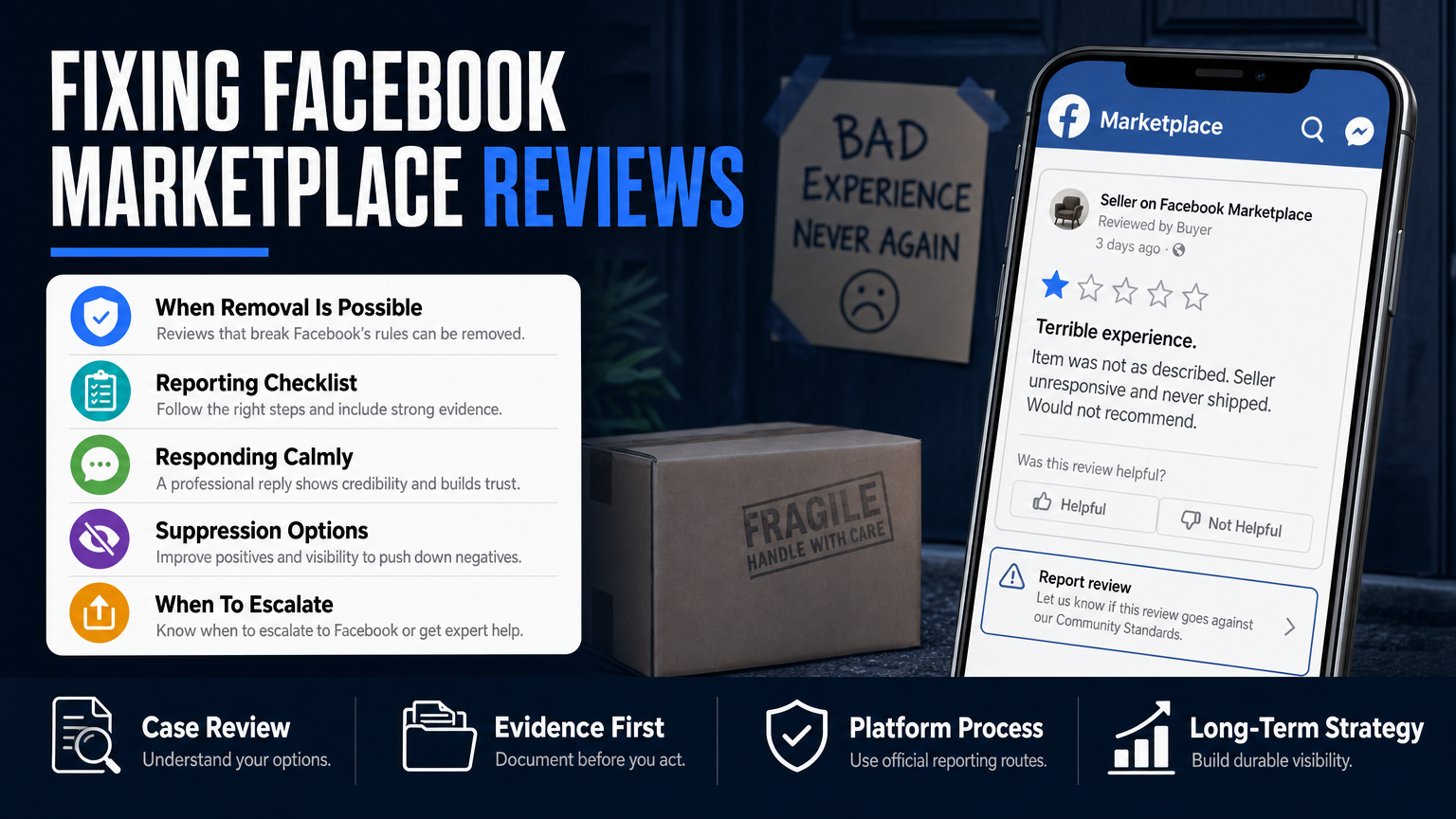
The web contains dark corners where user-generated content flows without restriction. Reddit, in particular, has become one of the most influential platforms for the reputation of brands and professionals. When negative threads gain traction, they become public archives of negativity that are extremely difficult to manage. Because Reddit threads carry high SEO weight, a disgruntled user’s post can remain on the first page of Google for years. When you find your professional standing harmed by problematic content on these platforms, utilizing Facebook Content Removal and similar moderation strategies is a critical step in reclaiming your professional narrative.
Reddit, in particular, has become one of the most influential and, simultaneously, most dangerous platforms for the reputation of brands and professionals. The structure of this platform, based on sub-communities (subreddits) with their own rules and moderators, often creates “echo chambers” where negative biases toward a business can spiral out of control. Because Reddit threads carry high SEO weight, a disgruntled user’s post can remain on the first page of Google for years, constantly damaging the brand’s image. When these threads gain traction, they become public archives of negativity that are extremely difficult to manage without professional assistance, often requiring specific legal or strategic approaches to remove Reddit comments that violate platform policies or target individuals unfairly.
The lack of accountability on these platforms is what makes them so attractive for bad actors and so damaging for legitimate professionals. Unlike a professional review platform where there is some level of verification, forums allow anonymous users to post exaggerated stories, distortions of reality, or outright lies under the guise of “consumer warning.” When a potential client searches for a professional’s name, these threads often appear alongside professional credentials, creating a confusing and damaging mix of information. The user, lacking context, is likely to take the negative Reddit discourse at face value, leading to immediate abandonment of the professional.
Moreover, the “streisand effect” is a constant threat when trying to manage negative content in forums. Direct, aggressive attempts by the professional to fight back or silence the conversation often backfire, drawing more attention to the post and inciting the community to engage further. A sophisticated approach is necessary, focusing on platform-specific guidelines and community standards. Professionals must understand that they cannot simply demand the removal of a post; they must build a case that demonstrates how the content violates specific terms of service, such as harassment, doxxing, or defamation, which requires specialized knowledge of how these unique digital ecosystems function.
The SEO implications of these forum threads are profound because Google treats these sites as highly relevant sources of discussion. When a negative thread occupies the first page of search results, it essentially “steals” the attention that should be directed toward the professional’s own website or positive reviews. This forces the professional into a defensive position where their primary goal shifts from growth to mitigation. To combat this, one must not only address the specific negative thread but also engage in a broader strategy of “burying” the content through the creation and optimization of high-authority positive content that can outrank the negative forum threads in the long run.
Monitoring these unmoderated spaces is a proactive requirement for any brand that values its reputation. It is not enough to search for one’s own name occasionally; one must employ sophisticated tracking tools that alert the business the moment a mention appears on a major forum. Early detection is often the difference between a minor annoyance and a full-blown reputational crisis. Once a negative thread starts to gain momentum, every hour it remains live in the search results compounds the damage, as more users see it and potentially contribute more negative content to the thread.
Ultimately, the goal is to establish a digital presence so robust that even if a negative forum thread exists, it does not define the user’s perception of the professional. However, when the thread poses an existential threat to the business’s credibility, removal is the only viable path. Navigating the legal and administrative complexities of these platforms is rarely a DIY task; it requires a deep understanding of internet law, platform moderation policies, and digital reputation ethics. Only by systematically addressing these vulnerabilities can professionals ensure that their search results reflect their actual level of expertise rather than the whims of anonymous forum participants.
The Critical Role of News Media in Reputation Governance
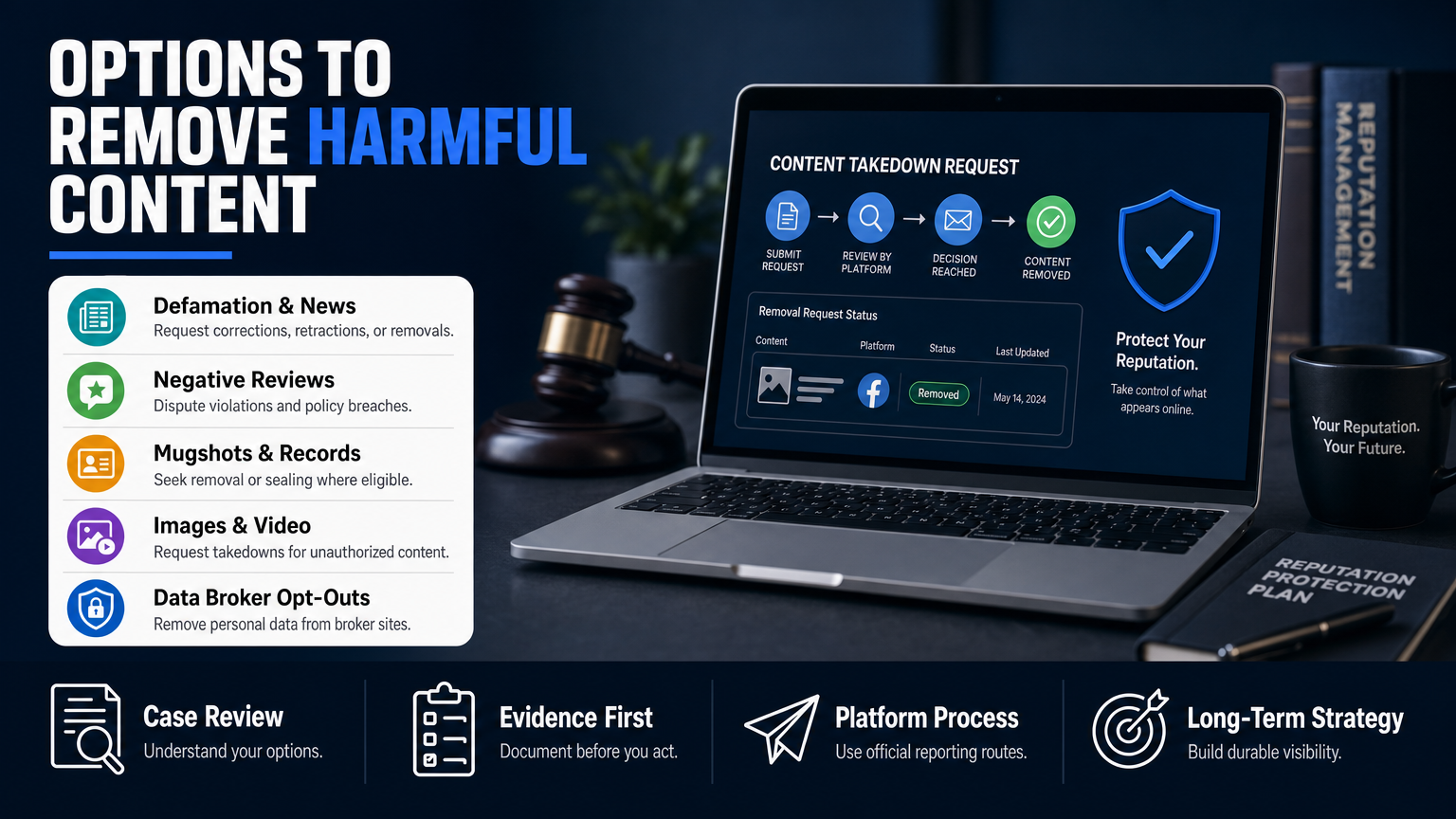
News articles hold a unique position in Google’s ranking hierarchy. Because news sites are perceived as high-authority sources, Google often ranks them above corporate websites. Facing a negative news article requires a departure from standard SEO tactics. Businesses frequently find themselves in a position where they must assess the legal and technical options to utilize Negative Images Removal Services or media cleanup strategies when content contains inaccuracies, violates privacy rights, or is no longer relevant to the public interest.
The permanence of indexed news content is one of the most challenging aspects of modern digital reputation management. Once a news site publishes a story, it is archived by search engines and becomes a static part of the historical record associated with the professional’s name. Unlike a blog post that might fade in relevance over time, news stories carry the weight of “journalistic integrity” in the eyes of Google’s algorithm. This makes these articles exceptionally difficult to suppress, as they are viewed as factual and highly relevant, even if the events described are outdated, resolved, or misrepresented.
Facing a negative news article requires a departure from standard SEO tactics. Because these sites are reputable, you cannot simply request their removal without substantive grounds. Businesses frequently find themselves in a position where they must assess the legal and technical options to remove news articles from internet platforms when they contain inaccuracies, violate privacy rights, or are no longer relevant to the public interest. This process often involves contacting editorial boards, proving verifiable errors, or navigating the complexities of “right to be forgotten” laws where applicable. Each situation demands a customized strategy based on the specific jurisdiction and the nature of the publication.
It is also important to consider that news outlets themselves are now subject to the same SEO pressures as any other business. They want their articles to rank well, and they are constantly updating their headlines and tags to maximize clicks. This means that a negative news article about a professional might be periodically “re-optimized” by the news outlet, keeping it fresh and high-ranking in Google search results indefinitely. This creates a perpetual cycle where the negative content is constantly reinforced by the publication, making it even harder for the professional to move past the issue and rebuild their online image.
Furthermore, the impact of these articles extends beyond just the potential client. Industry peers, potential partners, and even financial institutions may perform a Google search before interacting with the professional. Seeing a negative news story can create immediate doubt about the professional’s long-term stability and character. This impact is far-reaching and intangible, often resulting in missed opportunities that the professional may not even be aware of, as the potential partner simply decides not to engage without offering an explanation.
The proactive approach to news media management involves building relationships and establishing a presence in positive media outlets before a crisis occurs. By consistently contributing expert content, participating in local news, and being featured in industry magazines, professionals can create a “buffer” of positive coverage. When a reputation is built on multiple pillars of high-authority, positive media coverage, the occasional negative piece (if one were to appear) is significantly less damaging and has less relative weight in the overall narrative presented by search results.
In conclusion, managing news media reputation is about balance and high-level negotiation. It requires a sophisticated understanding of how editorial decisions align with search engine rankings. By proactively generating positive, authoritative content and engaging professional services when defamatory or erroneous media content arises, professionals can protect their legacy. The objective is to ensure that when a prospective client searches their name, they are greeted by an accurate, professional narrative that reflects their true contributions to their field, rather than being misled by isolated, archived news stories.
Architectural Integrity: How Your Website Validates Search Intent
Your official website serves as the ultimate “source of truth” in the Google Search ecosystem. When a user clicks through from the results page, the website must immediately validate the user’s search intent through its architecture and information design. Technical performance, such as Core Web Vitals, acts as a silent signal of competence. If a user lands on a site that experiences slow loading times or a “Not Secure” warning, the psychological impact is immediate, leading them to question the professional services being offered.
The first point of validation for search intent is the clear communication of services and expertise. Users rarely land on a website with broad, open-ended curiosity; they usually arrive with a specific problem or goal in mind. If your homepage does not immediately guide them toward the solution they are seeking, they will leave. This is why a well-structured navigation menu and clear, service-specific landing pages are essential. These pages should be crafted not just for search engines, but for human readability, offering clear explanations of procedures, expected outcomes, and the underlying philosophy of your care.
Beyond service descriptions, social proof must be integrated seamlessly into the website’s architecture. This means displaying testimonials, certifications, and awards in prominent, trustworthy locations. When a user sees their search intent echoed in the content of your site, and that content is reinforced by external validation, the “trust loop” is closed. A website that effectively displays these elements signals that the business is transparent, proud of its history, and committed to maintaining its professional standards.
The technical performance of the website also acts as a silent signal of competence. If a user lands on a site from a top-ranking search result and experiences slow loading times, broken images, or a “Not Secure” warning in their browser address bar, the psychological impact is immediate. The user translates the technical failure into a lack of professional quality. In the minds of consumers, a “broken” website is a sign of a “broken” business. Therefore, maintaining the technical integrity of the site through regular updates and security patches is a form of reputation management that is often overlooked but critical.
Mobile responsiveness is not just an SEO requirement; it is a fundamental pillar of user trust. Since the vast majority of first-time visits occur on mobile devices, the site must offer a frictionless experience on small screens. Navigation should be intuitive, buttons should be large enough to tap easily, and text should be legible without needing to zoom. If a user has to “pinch and zoom” to read your service descriptions, they will conclude that your practice is behind the times, leading them to question whether your clinical or professional methods are equally outdated.
Content strategy within the website architecture must also reflect the professional’s role as an authority. Providing blog posts, FAQs, and educational guides demonstrates that your practice is invested in the well-being and education of your clients, not just in making a sale. This educational content is vital for SEO, but more importantly, it serves to lower the barrier of entry for new clients by answering their questions before they even ask them. This positions you as an educator, which is one of the most effective roles for building deep-seated trust before the first meeting.
Ultimately, your website is the final checkpoint before an appointment is booked. It must align perfectly with the expectations set by your search results, social proof, and overall digital presence. By creating a cohesive architecture where every element—from the design to the written copy—reinforces your expertise and reliability, you transform your website from a passive digital brochure into a highly active engine for trust and conversion. When every interaction on the site feels professional and intentional, the user enters the first appointment already feeling a sense of connection and security.
The Long-Term Strategy of Brand Authority
Building a reputation on Google is not a one-time project; it is a long-term commitment to brand authority that requires a strategic, multi-layered approach. Brand authority is the cumulative effect of being consistently present, professional, and helpful in the digital spaces where your target audience spends their time. It involves moving beyond simply trying to “fix” negative search results to actively shaping a dominant, positive, and authoritative online footprint that defines your brand before a potential client even sees your name. This proactive stance is what separates industry leaders from those who are constantly reacting to the online discourse.
The foundation of long-term brand authority is the creation of original, high-quality content that establishes you as an expert. This could include publishing original research, sharing insightful commentary on industry trends, or creating comprehensive guides that solve common problems for your audience. When you consistently produce content that is valued by others, you naturally attract backlinks—links from other reputable websites to your own. These backlinks are the “votes of confidence” that Google uses to determine your authority, and they are incredibly difficult to replicate through short-term SEO tricks.
Engagement across multiple digital channels is another vital component of brand authority. This includes being active on professional networking sites, maintaining a consistent brand voice across all social media, and being featured in reputable industry directories. When your name consistently appears in trusted contexts across the web, it creates a “halo effect” that reinforces your reputation. This multi-channel presence makes it significantly harder for a single negative review or unfair news article to derail your overall digital image, as the sheer volume of positive, authoritative content creates a more balanced and accurate narrative.
Investing in public relations and professional visibility is also key to long-term success. This doesn’t just mean press releases; it means securing guest speaking opportunities, participating in industry webinars, and becoming a contributor to authoritative platforms. When you are positioned as a leader by other institutions and publications, that trust is transferred to you by association. This external validation is a powerful signal to both search engines and potential clients that you are a highly regarded professional who is sought out for your expertise.
However, maintaining this authority requires constant monitoring and adaptation. The digital landscape changes quickly, and what works for your brand today might not be as effective in two years. This is why regular audits of your online presence—checking how you appear in searches, what others are saying about you, and whether your official assets are fully optimized—are necessary. This allows you to identify potential issues early and to pivot your strategy as new platforms and search trends emerge, ensuring that your authority remains resilient over time.
It is also important to remember that brand authority is fragile. It takes years to build a solid reputation but can be damaged quickly by lapses in service, ethical controversies, or a failure to address legitimate client concerns. Therefore, the best reputation management is, and always will be, excellent professional practice. Your digital brand authority should be a mirror of your actual clinical or professional work. If the quality of your services consistently meets or exceeds client expectations, the digital signals of your authority will naturally follow and strengthen.
In conclusion, long-term brand authority is the result of deliberate action, consistency, and a deep understanding of how your target audience perceives you online. By focusing on creating value, building genuine professional relationships, and maintaining a proactive approach to your digital footprint, you create a self-sustaining cycle of trust. When your online presence is built on the solid ground of genuine expertise and consistent service, it becomes a powerful asset that makes attracting new, high-quality clients a much smoother and more reliable process.
Mitigating the Risk of Digital Defamation
Digital defamation represents a specific and dangerous threat to professional reputation, requiring both legal and technical proficiency to address. Unlike a negative review, which is usually a subjective expression of opinion, defamation involves the publication of false information intended to harm a professional’s standing. In the Google Search era, a defamatory statement can be indexed, ranked, and served to hundreds of potential clients, causing real financial and reputational harm. Addressing this requires more than just a complaint; it demands a structured, evidence-based approach to limit the reach of the false narrative and, where possible, secure its removal from the search index.
The first step in mitigating the risk of defamation is recognizing the difference between protected opinion and actionable false information. While users have the right to express their unhappiness, they do not have the right to manufacture facts. When a statement crosses the line into defamation, professionals have a legal and ethical obligation to protect their business and their clients from being misled. This process often begins with careful documentation, capturing timestamps, IP addresses, and the specific content of the defamatory statements before they can be edited or deleted by the source.
Once a defamatory statement has been identified, the immediate goal is to prevent its spread. This involves evaluating the platform’s specific policies against their terms of service. Every major site, from search engines to social platforms, has mechanisms for reporting content that violates their standards, such as harassment or misinformation. Navigating these systems requires a clear, concise presentation of the facts. A professional submission that explains exactly why the content is defamatory and provides proof of the falsehood is significantly more likely to be successful than a frantic demand for removal.
When self-help measures fail, engaging legal counsel or reputation management professionals becomes necessary. There are situations where a court order or formal legal notice is required to force an platform to remove content that is clearly defamatory. This is a complex area of internet law, and it is crucial to work with experts who understand the nuances of the jurisdiction and the specific challenges of enforcing these rights online. Trying to navigate this process without expert guidance can often make the situation worse, potentially triggering further negative attention.
Beyond removal, a strategic response must also focus on containment. This means ensuring that your official digital assets are optimized to push any remaining negative content down in the search rankings. By flooding the first page of Google with high-quality, positive content, you reduce the visibility of the defamatory material. Even if the content remains indexed, its impact is minimized if it is pushed to the third or fourth page of search results, where fewer than 5% of users will ever venture. This is a powerful, passive defense that serves as a necessary partner to active removal efforts.
Furthermore, being proactive is the best way to prevent defamation. This includes monitoring for your name across the web and setting up alerts so that you are notified immediately of any new mention. When you are the first to know about potential misinformation, you have the greatest number of options available to respond. This might include publicly correcting the record, reaching out to the source to resolve a misunderstanding, or, if the misinformation is particularly egregious, taking steps to secure its removal before it gains traction in the search index.
In conclusion, digital defamation is an unfortunate reality of the online world, but it is not a death sentence for a professional reputation. By maintaining a disciplined, strategic, and professional approach to the threat, you can minimize the damage and protect your brand. The goal is to build an online environment where truth and expertise are the dominant signals, making it significantly harder for false information to gain a foothold or influence the decisions of your prospective clients.
Closing the Loop: From Search Result to First Consultation
The ultimate goal of reputation management in the age of Google is to create a seamless transition from the “Zero Moment of Truth” to the first appointment. Every piece of your digital presence—from your search rankings and social proof to your website architecture and brand authority—should work together to lower the user’s anxiety and build their confidence. When a user conducts a search and finds a consistent, professional, and authoritative narrative, the “first appointment” is not an act of faith, but a natural conclusion to an informed decision-making process. The transformation from a curious searcher to a committed client is the result of meticulous digital orchestration.
Closing the loop begins with ensuring that the booking process itself is as frictionless as the search process. A user who is ready to book should be able to do so with a single click, regardless of whether they are on your website, your Google Business Profile, or your social media channels. Every moment of delay in the booking process is a moment where the user might reconsider, search for a competitor, or simply get distracted. By providing instant booking, clear scheduling, and proactive communication, you demonstrate that you respect the client’s time and are fully prepared to provide the service they expect.
Effective communication prior to the first appointment is the next critical link in the chain. Whether through automated emails, intake forms, or personalized messages, every touchpoint should feel professional and welcoming. This communication is the bridge between the digital reputation you have built and the real-world experience of your practice. It sets the tone for the relationship, confirming the user’s decision and building excitement for the upcoming visit. When the client feels properly prepared and informed, they arrive at the appointment feeling already “in the system” and comfortable with their choice.
It is also important to leverage the experience of the first appointment to reinforce the digital reputation. By providing an exceptional in-person experience, you turn a new client into a powerful advocate for your brand. Encourage satisfied clients to share their experience, perhaps by providing a simple, unobtrusive way for them to leave a review after their visit. This creates a virtuous cycle: great service leads to positive reviews, which improve your search rankings, which attract more clients, which provide more opportunities for great service and even more reviews. This cycle is the ultimate objective of an integrated reputation strategy.
Moreover, feedback from the first appointment should be used to improve the digital narrative. If clients frequently ask the same questions or express similar concerns, use those as topics for your blog or educational content. This shows that you are listening and that you are committed to the continuous improvement of your practice. It reinforces your authority and shows that your online presence is a direct reflection of the actual expertise and care you provide in your office.
Finally, the relationship with your client should not end with the first appointment. By staying in touch, providing ongoing value, and maintaining a professional presence in the digital spaces they frequent, you solidify your role as their long-term partner. This is the definition of a brand that has truly mastered the art of reputation in the digital age—a brand that is trusted, respected, and chosen repeatedly because it consistently delivers on the promise it makes in the first search result.
In conclusion, the journey from a Google search to the first consultation is a testament to the power of digital reputation management. It is a journey built on the solid foundation of trust, constructed byte by byte, and maintained with professional consistency. By understanding the psychology of the searcher, optimizing for search intent, and relentlessly focusing on the quality of the client experience, you create a powerful, self-sustaining practice that is well-equipped to thrive in the modern, digital-first world.
Is your digital reputation reflecting your true professional excellence? Don’t let search results hold you back. Take control of your online presence and ensure your authority shines through.