Business Reputation Management: Protecting Your Brand in the Viral Era
In an age where a single smartphone video can reach millions in hours, the boundary between a private professional life and public perception has vanished. We explore the critical strategies needed to defend your brand’s integrity in 2026.
In the modern era, Business Reputation Management has become the primary defense against the sudden, unpredictable volatility of social media virality. When a TikTok video showcasing a minor operational failure goes viral, it serves as a catalyst for a global perception shift. For high-end medical practices, this can translate into an immediate loss of prestige and a decline in new patient acquisition. According to recent research from Harvard Business Review, the speed at which digital sentiment spreads means that traditional public relations are often rendered ineffective.

The psychological impact of such a digital crisis is profound, as the platform’s “relatable” video style makes viewers feel as though they are witnessing an objective truth. When a creator records an unfiltered opinion, the lack of corporate polish is interpreted as authenticity, which the audience trusts implicitly. Unfortunately, this creates a situation where the business owner is forced into a defensive posture, attempting to address a narrative that has already been accepted by millions as fact.
To navigate this, companies must understand that Business Reputation Management is no longer a luxury but an existential requirement. By the time a video reaches a significant view count, the “persistence factor” of the internet ensures that the fallout is not just a temporary annoyance, but a long-term threat to enterprise value. Owners must recognize that the algorithm is indifferent to the truth; it only cares about engagement, which means they must act with technical precision to safeguard their brand equity from being dismantled by a single, poorly managed interaction.
The Viral Vulnerability: Why TikTok is Different
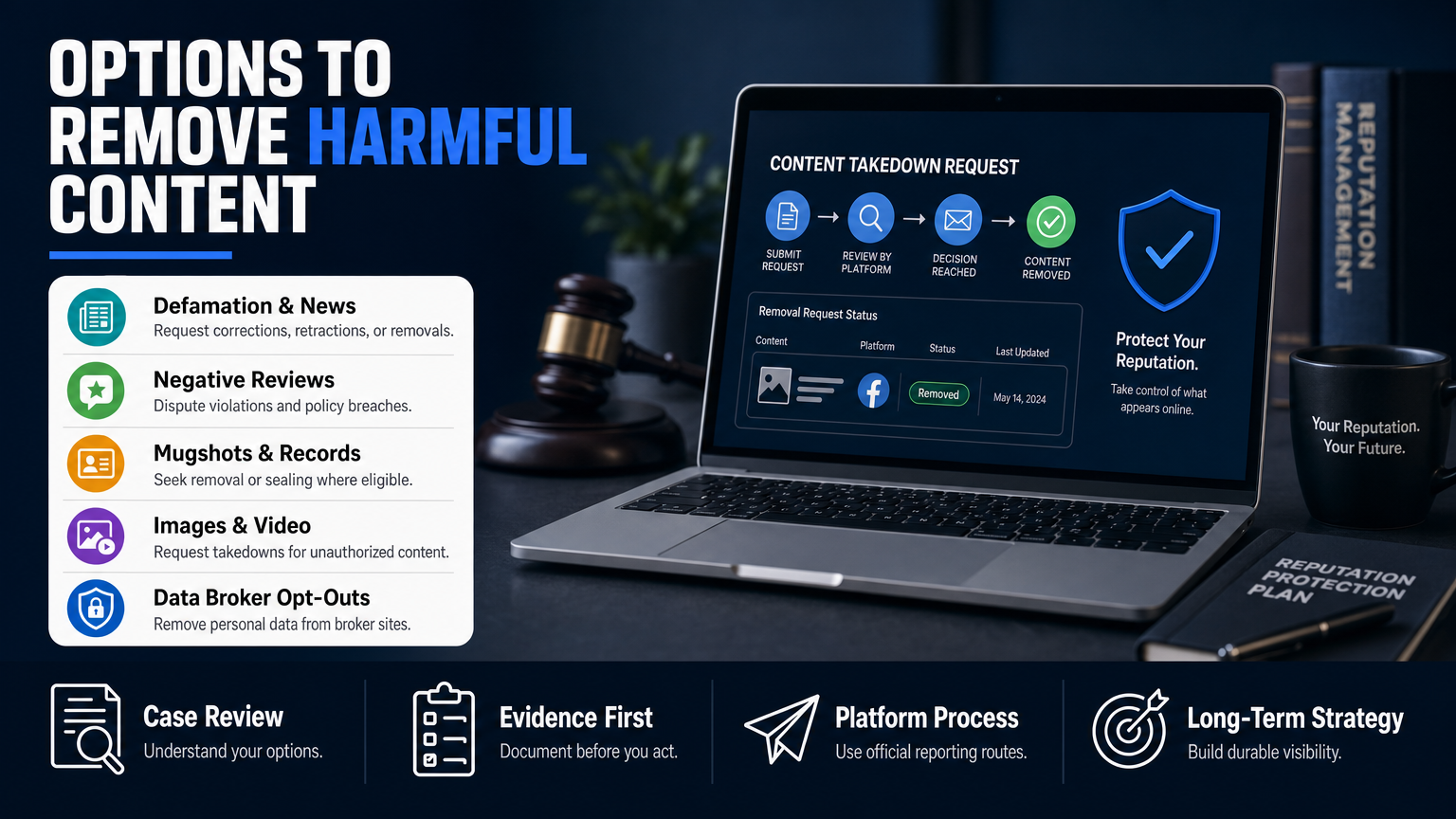
Unlike traditional media, TikTok’s ecosystem thrives on unfiltered content. For a medical clinic, it could be a patient’s subjective account of a consultation. This algorithmic amplification can turn a local incident into a global PR crisis. When damaging content gains traction, it is vital to have an expert plan for news articles removal service to prevent long-term damage from secondary media sources.
This algorithmic amplification can turn a local incident into a global PR crisis within a matter of hours. By the time a business owner realizes what is happening, the video may have millions of views, and the damage—both to revenue and long-term brand equity—is already underway. The nature of these platforms means that once a narrative takes root, it is extremely difficult to displace, as the platform’s design incentivizes further discussion and user commentary.
Ultimately, this vulnerability highlights the inadequacy of traditional reactive PR. To survive in this environment, businesses must adopt a sophisticated approach to Business Reputation Management. This includes monitoring for spikes in negative sentiment and having a pre-planned technical strategy to manage the fallout. Relying on organic growth is no longer sufficient; leaders must be prepared to protect their professional image proactively to ensure that one bad viral experience does not become the defining feature of their brand.
The Financial Fallout of Digital Neglect
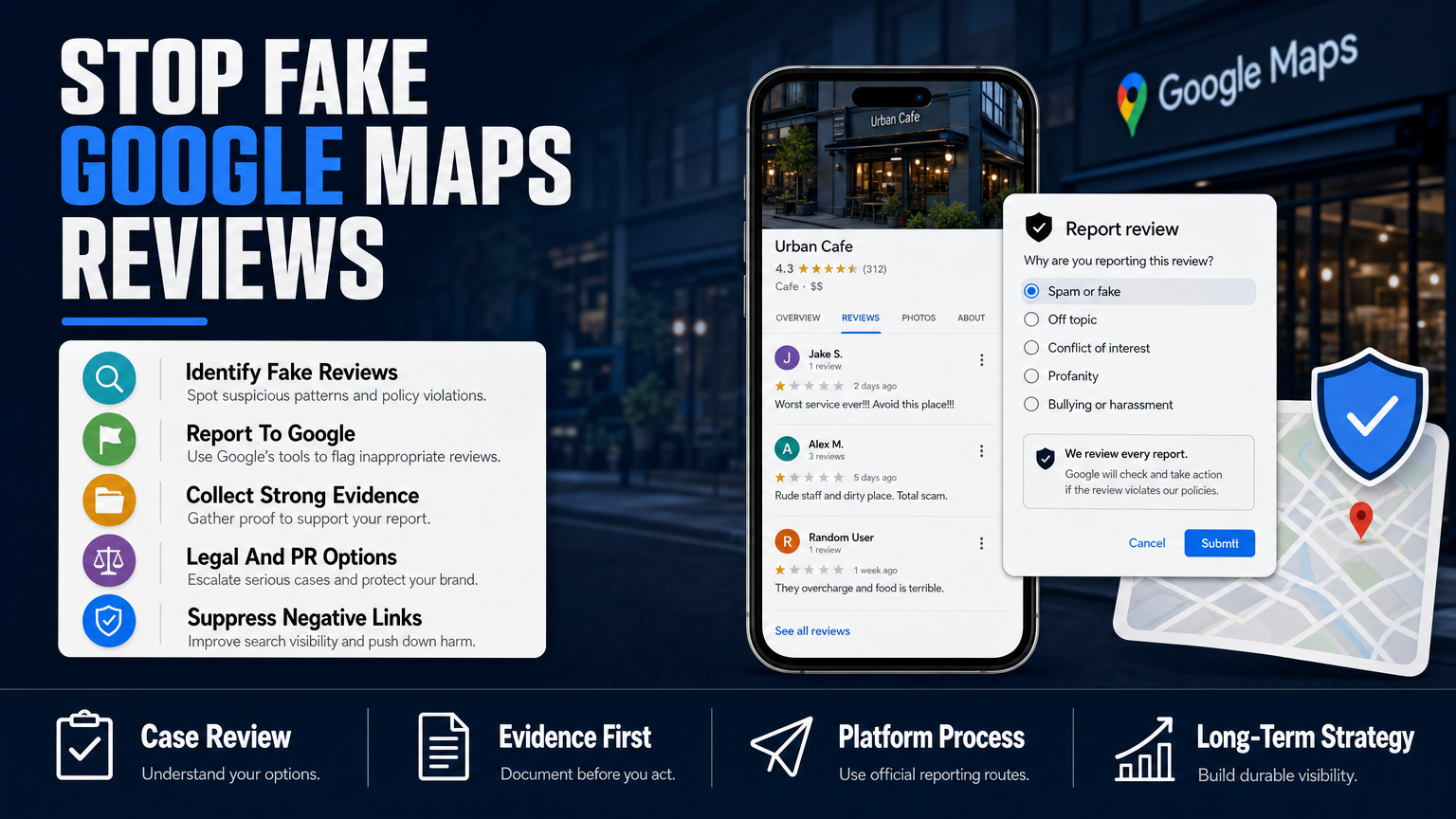
The operational cost of failing to manage a digital crisis is staggering. Once a negative narrative takes hold, it migrates to Google Search, impacting your business reviews. When potential partners perform digital due diligence, these viral events serve as red flags. If your search results are marred by unfair feedback, our remove negative reviews service is designed to restore your professional image.
The financial damage is often twofold: a direct decline in customer traffic and a hidden, long-term erosion of trust. In the medical field, for example, a damaged reputation can lead to a drop in patient referrals, while in the restaurant industry, it can lead to boycotts and a loss of vendor trust. Leaders who ignore this risk often find that they must spend exponentially more to repair their image than they would have spent on preventive measures.
By ignoring these threats, companies leave their enterprise value exposed to the whims of an algorithm. Effective Business Reputation Management necessitates a shift toward a technical strategy focused on content dilution and de-indexing. This approach ensures that while you cannot erase the internet, you can maintain control over your digital narrative and prevent a minor public relations annoyance from escalating into a systemic threat that hampers growth and profitability.
Why Doctors Monitor Their Search Results More Than Ever
The patient-doctor relationship has moved to the transparency of public search rankings. When a patient chooses a new physician, their first point of contact is a Google search. If that search reveals misleading auto-complete suggestions, trust is eroded instantly. Implementing google auto-complete suggestions management ensures that your brand name remains associated with professionalism, not controversy.
The heightened stakes in healthcare make digital monitoring non-negotiable, as medical reputations are uniquely fragile and sensitive to subjective feedback. Unlike a retail experience, a patient’s opinion of a medical consultation is often emotional, influenced by complex factors that are difficult to quantify. When these feelings are amplified online, they can create a distorted version of reality that lingers in search results for years. Physicians who invest in Business Reputation Management understand that they must actively curate their digital presence, ensuring that their online profile serves as a professional, accurate, and reassuring introduction to their practice.
Furthermore, the rise of medical transparency websites and review platforms has forced a shift in how clinics operate. Many doctors now recognize that they cannot rely on their clinical reputation alone to bring in new patients; they must also demonstrate digital proficiency. By monitoring their search results, doctors are not trying to hide from feedback, but rather ensuring that they are represented by the full scope of their work. This proactive stance allows them to address inaccuracies and provide a more balanced narrative, which is critical in an industry where public trust is the most valuable currency.
Proactive Defense: Managing Your Digital Ecosystem
Building a robust digital ecosystem requires a deep understanding of how data flows across the web. You cannot control what people film, but you can manage how it is indexed. Effective defense relies on pillars like controlling search autocomplete and suppressing damaging legal information. If sensitive legal filings are impacting your visibility, our court record removal services provide the technical intervention needed to regain control.
Effective defense relies on three pillars: controlling search autocomplete, mitigating review-bombing, and de-indexing persistent, harmful media. When a negative video trends, it often manipulates search autocomplete suggestions, associating your brand name with damaging keywords. By utilizing specialized management, you ensure that your practice or restaurant maintains a professional profile when potential clients search for you. This creates a protective layer that keeps your official, high-quality content at the forefront of the user experience.
Finally, managing the “feedback loop” is essential. If a viral video is reposted or covered by secondary media sites, it reinforces the negativity. In these instances, Business Reputation Management tactics like de-indexing and content suppression are necessary to break the chain of amplification. By taking these technical steps, you move from a state of constant reaction to a state of strategic control, ensuring your digital footprint reflects your actual expertise rather than a single, viral moment of controversy.
The Architecture of Digital Resilience
Building a resilient digital presence is akin to maintaining a high-end property; it requires consistent, preventative maintenance rather than sporadic repairs. True Business Reputation Management focuses on creating a “moat” of positive, authoritative content around your brand. By regularly publishing high-quality thought leadership, securing verified media placements, and optimizing your official profiles, you create a baseline of trust that makes it harder for a single negative incident to penetrate your reputation.
When your digital ecosystem is built on a foundation of verified, positive information, you are better equipped to weather social media volatility. This architecture does not just exist to suppress noise; it exists to project your professional standards and clinical excellence at all times. By diversifying your online footprint, you ensure that potential patients or customers searching for your name encounter a comprehensive, professional narrative that reflects your expertise.
Moreover, a well-architected digital presence allows you to recover faster. When you have established authority across multiple platforms, search engines are more likely to prioritize your official content over transient, negative viral chatter. Leaders who view their online presence as a strategic asset—rather than a secondary marketing channel—are the ones who remain resilient in the face of the inevitable challenges that the current digital landscape presents.
The Psychology of Digital Trust: Why Patients Search for Validation
The foundation of any medical practice is trust, but in the digital age, that trust is no longer built solely through personal recommendations or word-of-mouth. Today, a doctor’s reputation is subject to the “search-and-verify” behavior of the modern patient. When a person is referred to a specialist or is researching a elective procedure, their next move is almost certainly a search for the physician’s name. This process is driven by a need for psychological safety; they are searching for evidence that their health is in capable hands. If the search results display a clean, professional, and well-managed presence, the patient feels an immediate sense of relief and confidence.
However, the inverse is equally powerful and dangerous. If the search results return a fragmented or hostile digital narrative, that hard-earned trust evaporates instantly. Patients perceive these digital signals as proxies for clinical quality. A series of unaddressed negative reviews or an overwhelming presence of irrelevant, outdated, or inflammatory content is interpreted by the patient as a sign of negligence—even if it is entirely inaccurate or taken out of context. This cognitive bias means that a physician is often judged not by their medical board certification, but by the quality of their top ten search results.
This dynamic places an enormous burden on practitioners to become amateur reputation managers, a role for which most are not trained. The realization that their clinical skill is overshadowed by a digital algorithm leads to significant anxiety among healthcare providers. They begin to understand that the internet acts as a permanent, searchable database of their professional life. This makes proactive monitoring not just a marketing effort, but a fundamental component of professional risk management, designed to protect the very asset that allows their practice to thrive.
Furthermore, the “social proof” element of search rankings cannot be overstated. Patients look for consistency; they want to see the same professional standards across all digital touchpoints. When a doctor takes control of this narrative, they are doing more than just suppressing bad news—they are actively building a wall of credibility that makes it harder for malicious or misleading information to gain traction. This level of digital vigilance is what separates practices that grow despite challenges from those that decline as a result of digital turbulence.
Technical Mechanisms of Search Ranking and Suppression
To truly understand why monitoring is essential, one must move past the surface-level concern of “what people see” and dive into the technical reality of search engine optimization (SEO) and algorithm behavior. Search engines are designed to surface the most relevant content, but relevance is often determined by engagement rather than accuracy. A single viral post can skyrocket in relevance, effectively pushing authoritative, factual, and professional information to the bottom of the page. This is the core challenge that requires technical intervention and deep-domain knowledge.
Professional reputation management involves leveraging complex techniques, including the strategic creation of high-authority content and the dilution of negative signals. The goal is to “flood the zone” with credible, positive information that the algorithm recognizes as more authoritative than the transient noise of a viral complaint. This is a battle of indexing and ranking, where the tools of the trade include content optimization, backlink strategies, and the systematic de-indexing of content that violates platform policies or search guidelines. Without a grasp of these mechanics, doctors are fighting a losing battle against an algorithm that does not understand the nuance of a medical dispute.
Furthermore, managing the digital ecosystem requires continuous monitoring of the “search footprint.” This is not a one-time setup process; it is a live, real-time necessity. Alerts must be set up to catch new reviews, media mentions, or social media threads as soon as they emerge. When a new threat appears, the speed of the response often dictates the level of damage control required. An issue addressed within the first hour of appearing on a platform is significantly easier to contain than an issue that has had weeks to cement itself into the search index.
Finally, the technical side of reputation management is closely tied to the suppression of harmful, misleading, or defamatory content. Suppression is a delicate, often highly technical process that involves communicating with platform moderators, leveraging legal frameworks where applicable, and utilizing SEO to ensure that negative information is displaced by accurate, professional, and helpful content. It is a persistent, disciplined approach that treats digital space as a physical territory to be protected. By mastering these mechanisms, doctors can ensure that their online presence remains a reflection of their true professional caliber.
The Long-Term Impact of Digital Neglect on Enterprise Value
Neglecting one’s digital presence in the medical industry is not merely a marketing failure; it is a profound erosion of enterprise value. Many doctors mistakenly view their practice as a local, physical entity, failing to realize that its economic reach is now inextricably linked to its global digital presence. When a practice is valued—whether for a future merger, an acquisition, or even for attracting high-level medical partners—the digital reputation is one of the first areas subjected to due diligence. A tarnished online record is a direct hit to the valuation, acting as a permanent anchor on growth.
Beyond the immediate financial impact, there is the insidious cost of “opportunity drain.” This refers to the potential patients who perform a quick Google search, see something that causes concern, and move on to a competitor without ever clicking through to the official website. These are invisible losses; you will never know how many patients you lost because of an unmanaged review or a misleading search suggestion. The cumulative effect of these missed opportunities can represent a significant percentage of a practice’s annual revenue, yet it remains almost entirely unquantified by traditional accounting practices.
Moreover, the environment in which we operate is becoming increasingly digital, not less. As new platforms emerge and the reach of review sites expands, the surface area for potential attacks on your reputation grows. A practice that has not established a “moat” of digital authority is essentially living in a house made of glass, exposed to any passing trend or dissatisfied opinion. The cost of building that moat—through professional monitoring and proactive content strategy—is a fraction of the cost of rebuilding a destroyed reputation.
Ultimately, medical professionals must view their online footprint as a long-term capital investment. Just as one would invest in new medical equipment or facility upgrades to ensure the longevity of the practice, one must invest in digital asset management. This ensures that the practice’s reputation is not left to chance or the algorithm, but is instead carefully steered toward growth and stability. Those who recognize this imperative early are the ones who build the most enduring and valuable medical brands in the 2026 digital landscape.
Frequently Asked Questions (FAQ)
How long does it take to see results?
While every case is unique, technical removal and suppression services often show measurable progress within a few months as search engine algorithms re-index your improved digital footprint.
Can I handle a viral crisis on my own?
Attempting to remove content or manage search results without professional technical expertise often draws more attention to the issue. Professional management is recommended for complex cases.
Is it possible to erase information permanently?
While internet permanence is a challenge, our suppression and removal strategies are designed to effectively neutralize the visibility of harmful content.
A viral crisis is not a death sentence, but it is a wake-up call for modern entrepreneurs. Managing your digital reputation is just as important as managing your physical location. By integrating technical suppression, monitoring sentiment, and acting decisively, you can ensure your brand’s integrity remains intact.
Your brand’s digital integrity is its most valuable asset. Do not wait for a viral incident to threaten your livelihood. Contact our team today for a confidential, executive-level reputation audit.