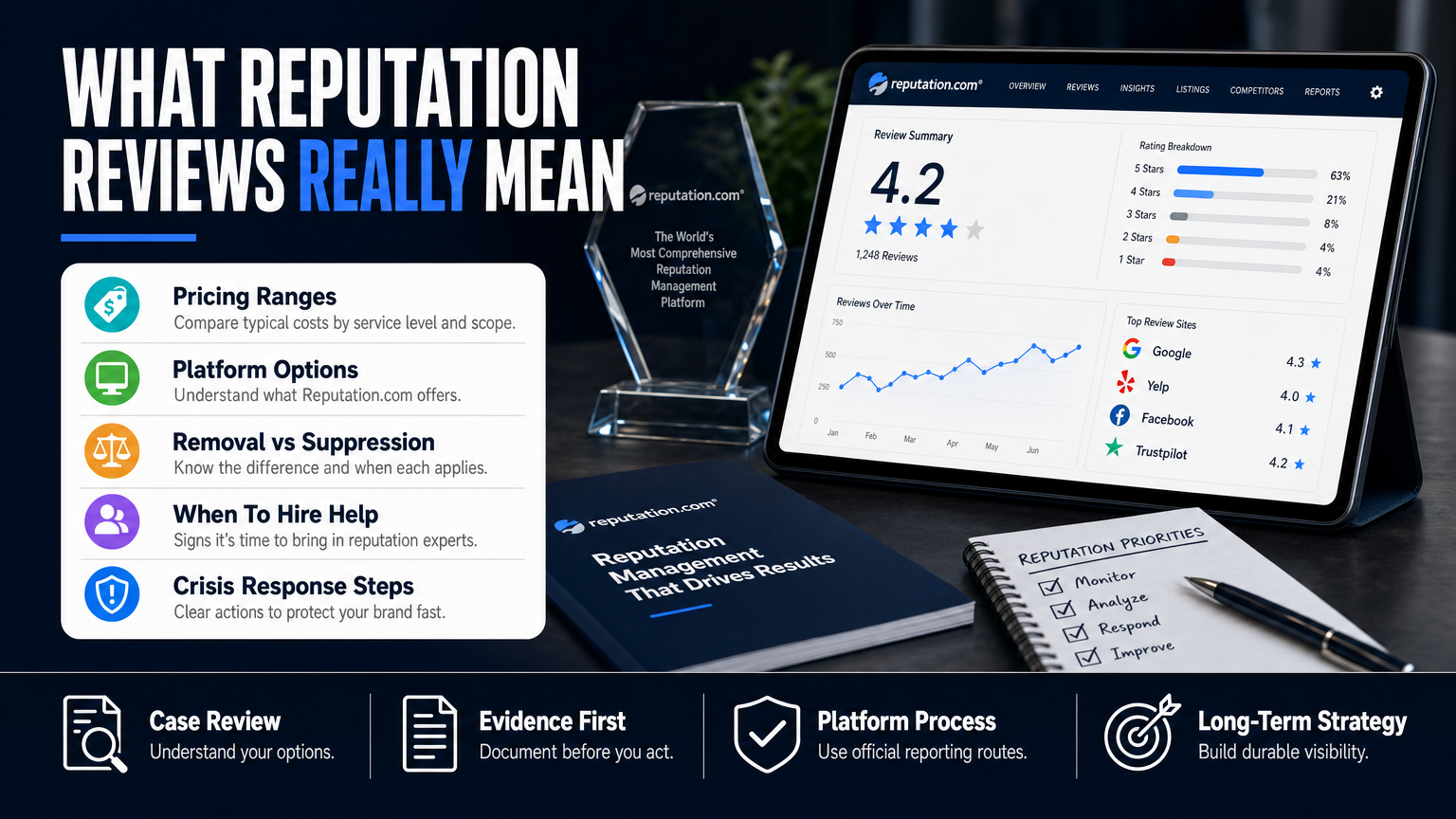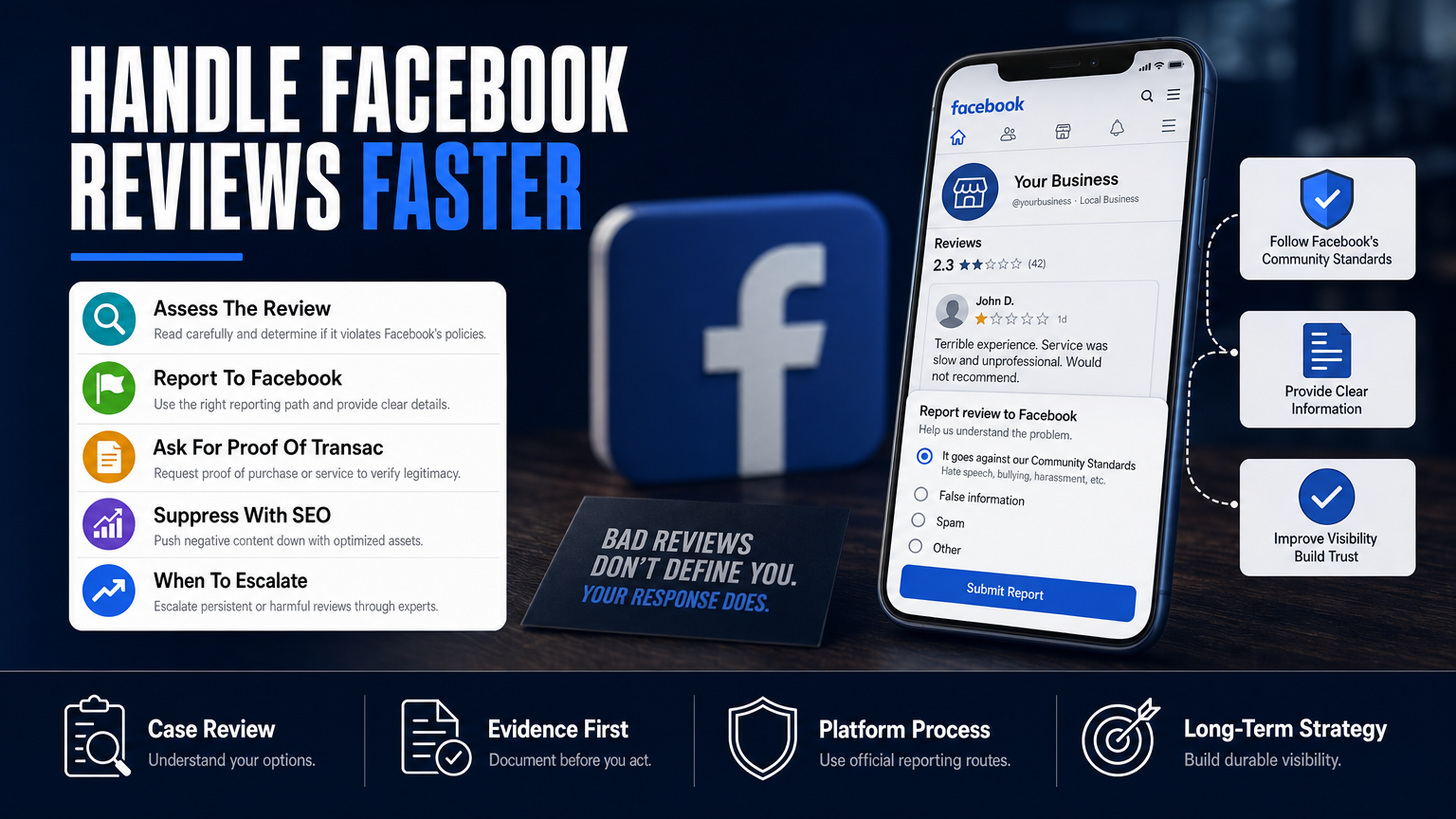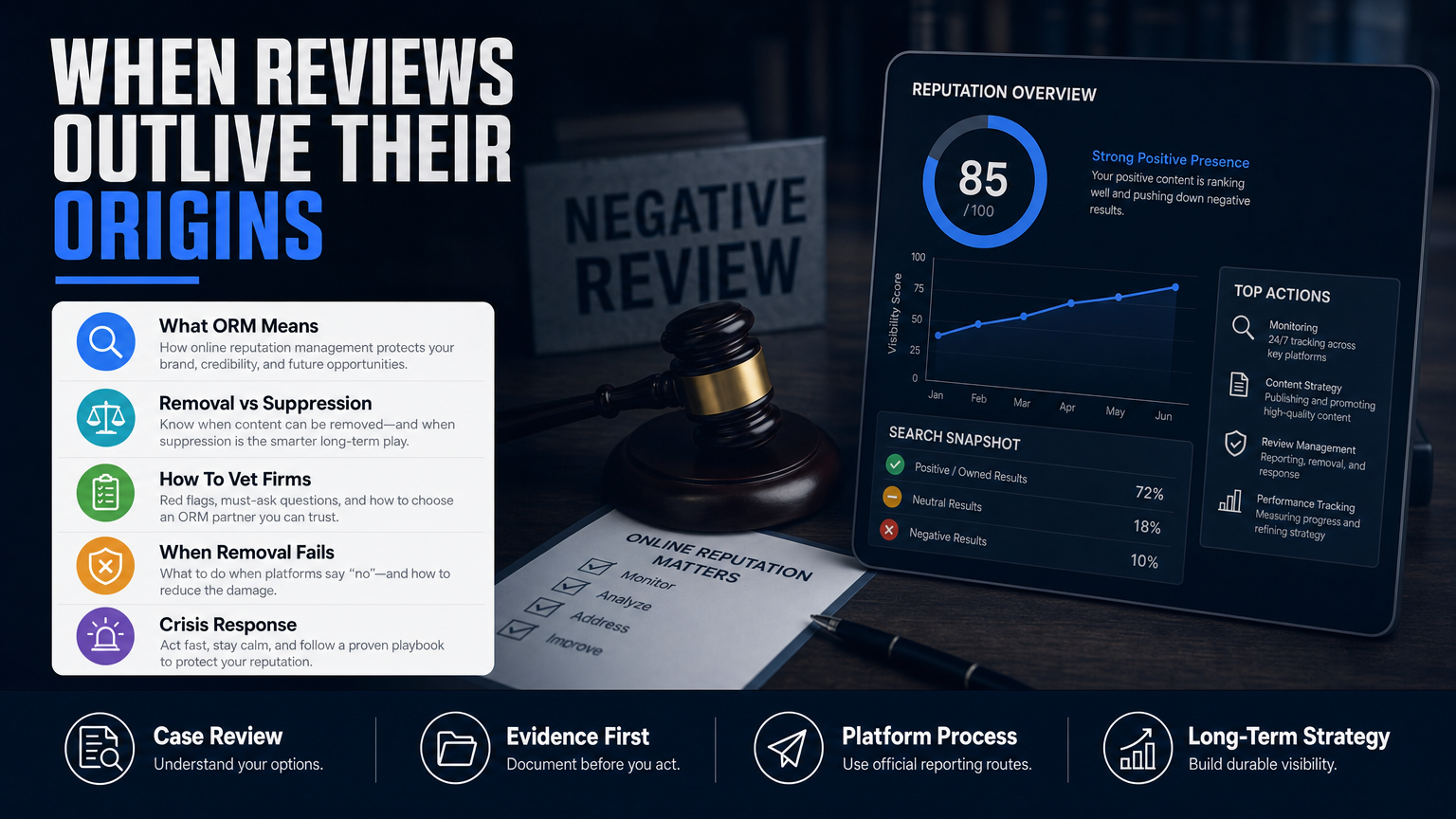
The best tools for monitoring online reputation have become essential armor in the digital battlefield of perception.
Every tweet, comment, or review carries weight, shaping how others see you or your brand. But here’s the question every professional and business owner in the United States should be asking: Who’s really controlling that image—you or the internet?
In an age where one viral post can alter a company’s trajectory, reputation monitoring is no longer optional—it’s survival.
From small businesses in Austin to political figures in Washington, everyone is being judged in real time.
The American marketplace is driven by trust, transparency, and immediacy, which means your digital presence needs constant attention.
Why They Matter?
Understanding the best tools for monitoring online reputation isn’t just about protecting against criticism—it’s about identifying trends, managing crises early, and learning what your audience actually thinks.
In a country where more than 80% of consumers trust online reviews as much as personal recommendations, the data these tools provide isn’t just feedback—it’s fuel for strategy.
Reputation management is intertwined with the U.S. economy’s heartbeat: consumer trust.
In sectors like healthcare, law, real estate, and hospitality, public perception determines profitability. A single negative article or misleading thread on Reddit can cost thousands in lost sales or contracts.
And because American media operates at lightning speed, real-time reputation monitoring has become the difference between managing a crisis—or reacting too late.
What They Do?
The best tools for monitoring online reputation don’t just track mentions; they interpret sentiment, detect fake news, and flag reputation risks before they escalate.
Whether you’re monitoring “John Doe + lawsuit” on Google Alerts or scanning Yelp reviews for customer sentiment, these systems serve as your early warning network.
Artificial intelligence now plays a major role. Platforms like Brand24, Mention, and Sprout Social use NLP (Natural Language Processing) to analyze tone, context, and engagement across platforms.
They don’t just tell you what people are saying—they tell you why they’re saying it and how it’s affecting your reputation.
For small businesses in the U.S., these tools democratize access to data once reserved for large corporations.
A coffee shop owner in Portland can now monitor local chatter about their service, just as a Fortune 500 company tracks national sentiment about its brand.
FAQs
- Why do I need tools to monitor my online reputation?
Because manual tracking is impossible in the digital era. Automated tools catch every mention, tag, or review before it snowballs into a crisis. - Can I manage my reputation without professional help?
Basic monitoring is possible, but professional reputation management ensures deeper insights, content suppression, and crisis response. - Which platforms are most important to monitor in the U.S.?
Google, Facebook, Yelp, Reddit, TikTok, and Glassdoor—these dominate American digital influence and can shape both brand and personal narratives. - How do these tools impact business strategy?
They help predict consumer trends, improve service, and refine marketing based on real-time audience feedback. - What if false or defamatory content appears?
Work with experts like Your Reputation Agency, who specialize in removal, suppression, and recovery strategies to restore credibility fast.
Cultural and Political Context
In the U.S., where social media often doubles as a political arena, reputation management is about more than branding—it’s about survival in a polarized environment.
Businesses and public figures alike face attacks not just from competitors but from anonymous users or misinformation campaigns.
During election seasons or social movements, brands become targets of online activism.
Even neutrality can attract criticism. The best tools for monitoring online reputation allow organizations to detect these waves of sentiment and prepare appropriate responses before misinformation gains traction.
Economically, American consumers wield enormous influence online.
They expect transparency and quick accountability.
When a company fails to respond to public criticism, trust erodes instantly. On the other hand, proactive engagement—guided by data from monitoring tools—can transform critics into advocates.

Real-World Insight
Think about the major U.S. airline that faced public backlash after a viral video showed poor customer service.
Within 48 hours, stock prices dipped, and millions of tweets amplified the outrage.
The lesson? Delay equals damage. With active monitoring, that crisis could have been mitigated before reaching the evening news.
On the flip side, companies like Starbucks or Nike use social listening to anticipate consumer sentiment and shape inclusive campaigns that align with cultural shifts.
Monitoring tools, in these cases, become not just protective shields but instruments of innovation.
Final Reflection
Mastering the best tools for monitoring online reputation isn’t about avoiding criticism—it’s about understanding influence. In the U.S. digital landscape, where every person has a platform, managing perception means managing opportunity.
Data, when interpreted strategically, becomes empowerment. You can’t stop people from talking, but you can decide which conversations define you. Tools like Brandwatch, Talkwalker, or Google Alerts are essential allies, but human expertise—empathy, judgment, and communication—remains irreplaceable.
Your reputation is a living asset, shaped daily by public opinion and algorithmic visibility. Protect it before someone else defines it for you.
At Your Reputation Agency, we combine cutting-edge technology with human insight to monitor, protect, and rebuild your online image—so you can focus on growing your brand with confidence.
Take control of your digital presence today. Because in the world of online perception, silence isn’t neutrality—it’s surrender.
Follow us on social media:
Don’t forget to read our blog. Here is a link to our previous post: Clean Up Your Digital Footprint Before Job Search