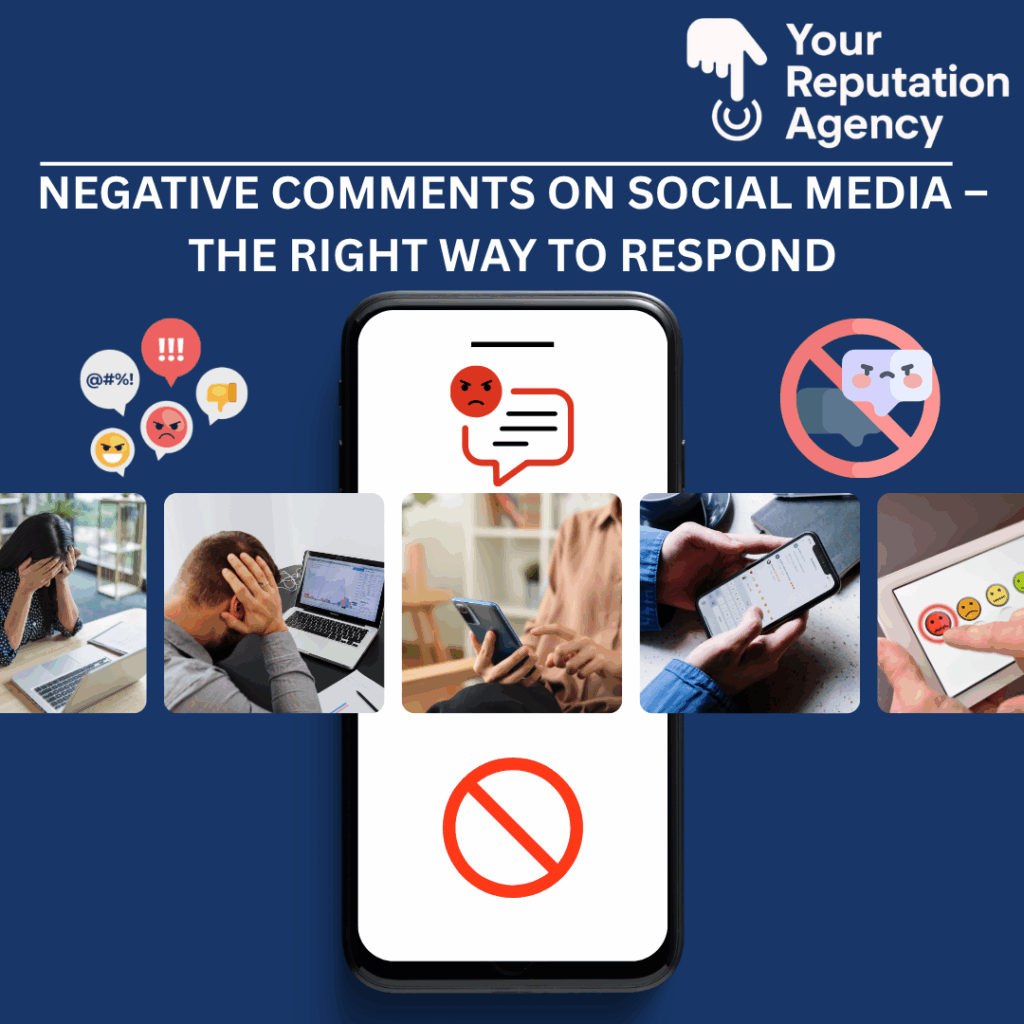
Negative comments on social media have the power to shape public opinion faster than any press release, speech, or marketing campaign.
One sentence, one out-of-context clip, or one angry customer can derail a brand’s narrative in minutes.
The natural reaction is emotional—defend, delete, or ignore. But is that really the right way to respond? In a digital arena where attention fuels judgment and judgment fuels consequence, the question is no longer whether criticism will happen, but how prepared you are to handle it with strategy and emotional intelligence.
In the United States, social platforms are modern public squares. From Wall Street to Washington, public perception moves markets and influences elections. Meanwhile, social outrage trends faster than truth.
The comment section has become a courtroom, and silence is often interpreted as guilt. So how do you respond in a way that protects your reputation instead of destroying it?
Negative Comments on Social Media: Why They Matter
Negative comments on social media matter because perception has become reality. A frustrated customer on TikTok can do more harm than a formal complaint.
A misleading claim on X (Twitter) can move opinion faster than a verified statement. For American consumers, these comments serve as “proof,” even when they lack context. In a polarized country where trust is fragile, the wrong reply can escalate into a PR crisis.
Yet inaction also has a cost. So the real challenge is balance—firmness without aggression, humility without weakness.
Negative Comments on Social Media: Responding with Strategy
Negative comments on social media require strategy, not impulse. Responding immediately out of anger or fear gives critics more fuel.
However, responding too late makes you look evasive. The sweet spot is a response that acknowledges the issue, redirects emotion, and reinforces your values.
A well-crafted reply should focus on clarity, empathy, and facts. Brands that master this tone consistently outperform competitors when navigating digital storms.
Unlike Mexico—where many companies still avoid public confrontation—U.S. audiences expect transparency. Silence is suspicious. Therefore, addressing negative comments on social media is not only about reputation; it is about cultural fluency.
Responding strategically shows maturity, accountability, and control.

Negative Comments on Social Media: FAQs for the U.S. Audience
- Should I respond to every negative comment?
No. Respond to legitimate concerns, but avoid feeding trolls or hostile accounts that want escalation, not resolution. - Can deleting negative comments hurt my reputation?
Yes, if done excessively. Deleting valid criticism can appear defensive or dishonest. - Is it okay to respond privately instead of publicly?
Yes. A calm private message can defuse conflict. Just follow up publicly to show transparency. - Can negative comments affect my business financially?
Absolutely. They influence consumer decisions, brand trust, and even local SEO performance. - Can I take legal action for defamatory comments?
Yes, if the comment is false and damaging. But legal action should be a last resort, not a first reply.
Negative Comments on Social Media: When Narrative Meets Culture
Negative comments on social media often expose cultural tensions. In the U.S., public accountability narratives dominate, and audiences reward brands that admit mistakes, take responsibility, and offer solutions.
In contrast, audiences punish arrogance, sarcasm, and robotic PR phrases. Americans want brands to sound human—even when corporate.
Real cases prove it. When a national food chain responded to criticism with humor and transparency, sales rose and sentiment improved.
Meanwhile, when a well-known tech CEO reacted defensively to online backlash, the company’s stock dipped within 48 hours. The lesson is universal: never let emotion write your response.
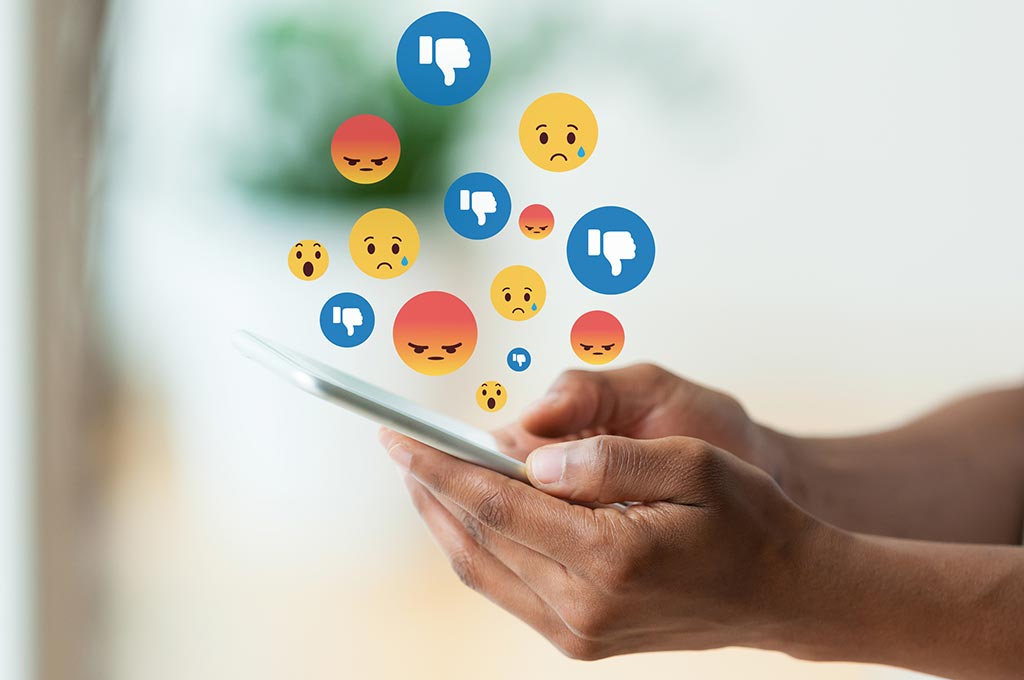
Negative Comments on Social Media: Turning Criticism into Opportunity
Negative comments on social media can become catalysts for improvement. They reveal consumer expectations and vulnerabilities in your public image.
By listening, responding, and adjusting, brands convert critics into advocates. When your audience sees that you respond with professionalism—especially under pressure—they trust you more.
Reputation is not damaged by criticism itself, but by the way it is handled.
Final Reflection
Negative comments on social media are not a threat to fear, but a test of discipline and strategy. You cannot control what people post, but you can control how you respond. In the U.S. business environment—fast, public, emotional, and unforgiving—your voice must be calm, clear, and human.
If you respond with maturity, transparency, and purpose, your reputation will not only survive criticism—it will grow stronger because of it.
If you are experiencing a crisis of negative comments on social media, click on the link below and tell us your problem. We can help you, 100% guaranteed.
Follow us on social media:
Don’t forget to read our blog. Here is a link to our previous post: Removing Negative Reddit Threads – Powerful Reality Check