What to do when you Google your name
You search your name on Google—and something shows up that shouldn’t be there.
- A negative article.
- An outdated record.
- A forum post taken out of context.
The first instinct is simple:
“How do I remove this from Google?”
The reality is more complicated.
Some content can be removed.
Some can’t.
And in many cases, what actually works isn’t what most people expect.
It’s a situation more common than people think—and it can have real consequences quickly.
Here’s what actually happens when negative search results appear, and what you can realistically do about it.
1. First Impressions Are Decided Instantly
When someone searches your name, they form an opinion in seconds.
If the first page of Google shows negative content:
* Trust drops immediately
* Credibility is questioned
* Opportunities quietly disappear
Most people won’t tell you why they passed—they just move on.
2. Job Opportunities Can Disappear Without Explanation
Employers routinely search candidates before interviews.
If they find:
- Negative press
- Arrest records
- Controversial content
You may never get a callback—even if you’re fully qualified.
3. Site Owners Agree to Remove It
If you run a business or deal with clients, search results matter even more.
A single negative result can:
- Create doubt
- Delay decisions
- Kill deals entirely
In high-trust industries, perception often outweighs reality.
4. Negative Content Spreads Across Platforms
One piece of content rarely stays isolated.
It can spread to:
- Aggregator websites
- Forums
- Social media like Facebook and X (Twitter)
This creates multiple listings and makes the issue harder to control.
5. It Becomes Harder to Remove Over Time
The longer content stays online:
- The stronger it ranks
- The more sites may copy it
- The harder removal becomes
Time works against you in most cases.
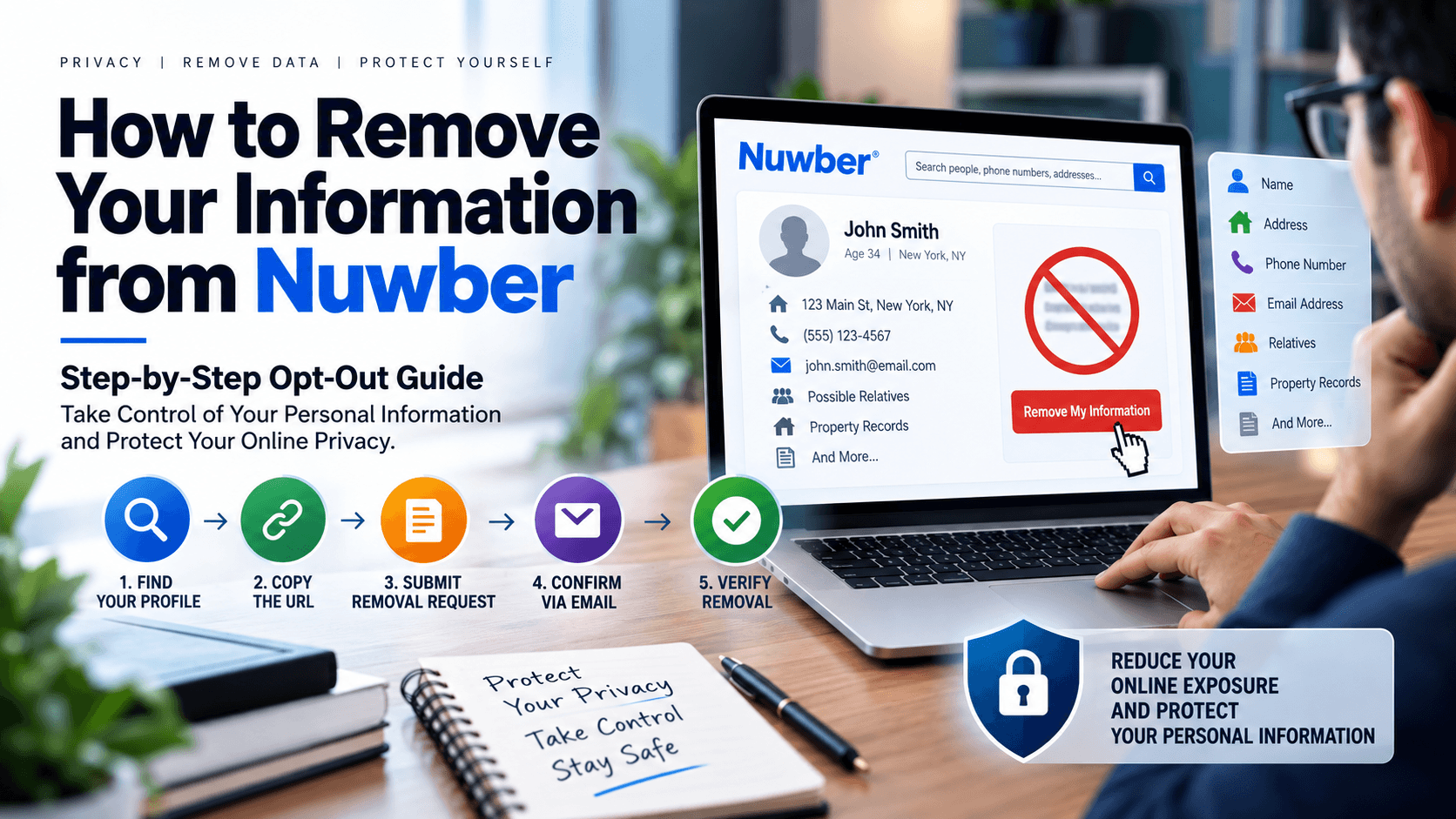
6. Personal Information Can Surface Unexpectedly
Some results reveal more than just articles.
They may include:
- Phone numbers
- Addresses
- Family members
Often sourced from data broker sites like Spokeo or Whitepages
This turns a reputation issue into a privacy concern.
7. Trying to Fix It Alone Usually Doesn’t Work
Most people try:
- Contacting websites directly
- Filing removal requests
- Ignoring the issue
In many cases:
- Requests are ignored
- Content remains indexed
- The problem spreads
Without a structured approach, results are limited.
Why Negative Results Stay on Google
Google doesn’t create content—it indexes it.
Content ranks based on:
- Authority of the website
- Relevance to your name
- Engagement and links
This is why:
- News sites
- Mugshot databases
- High-traffic platforms
Tend to dominate results.
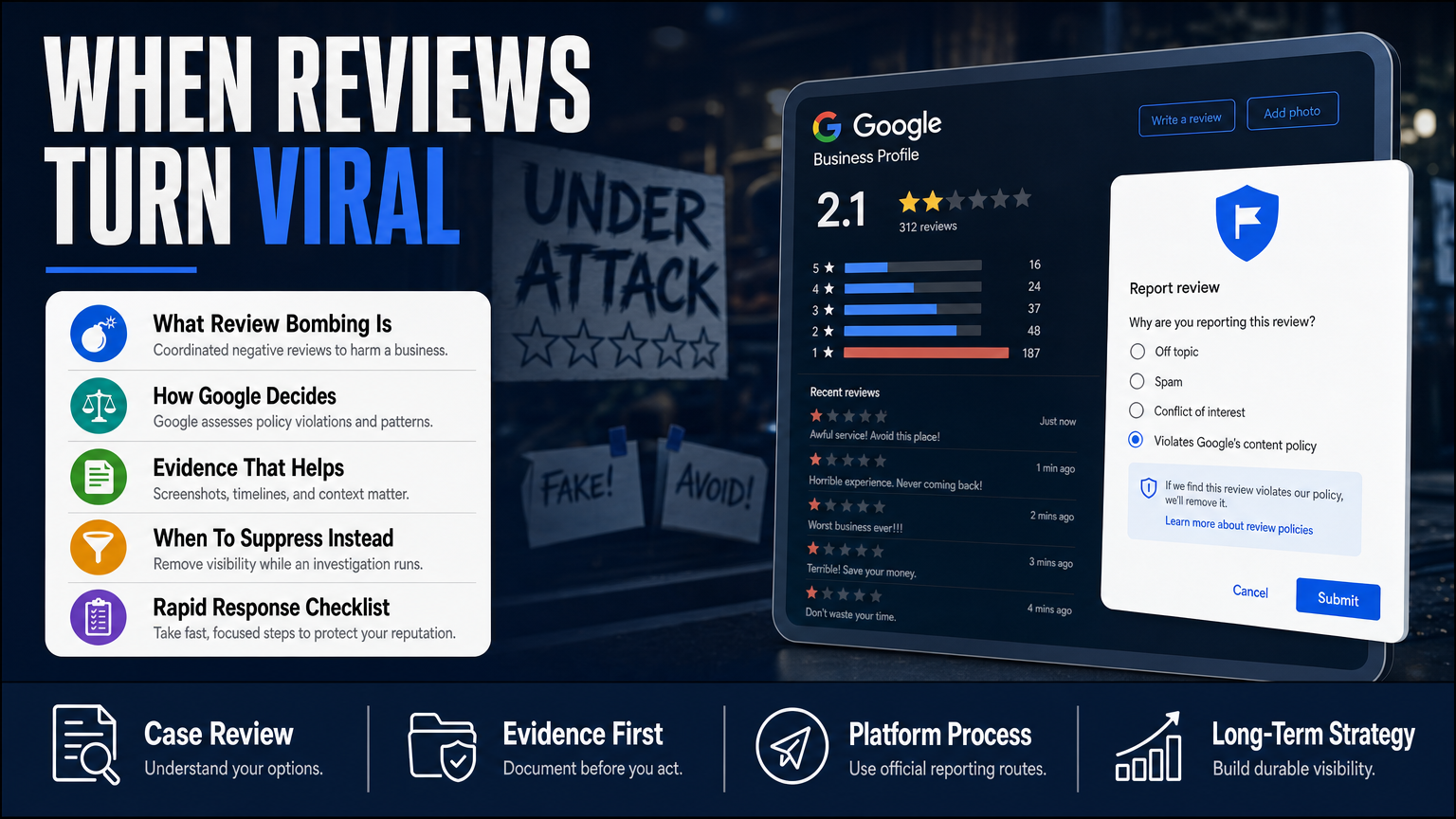
What Actually Works
There are two main approaches:
Removal
- Contacting site owners
- Legal or policy-based requests
Works when content violates rules or laws.
Suppression
- Creating positive content
- Building stronger search results
- Pushing negative content down
Used when removal isn’t possible.
In most cases, both are needed.
What Doesn't Work
Common mistakes include:
- Ignoring the issue
- Using low-quality “quick fix” services
- Filing generic removal requests
These approaches rarely solve the problem.
When a Structured Approach Is Needed
If your situation involves:
- Multiple negative results
- High-authority websites
- Sensitive personal content
A more coordinated strategy is usually required.
FAQ
Can negative results be removed from Google?
Sometimes. If removal isn’t possible, suppression strategies are used.
How long does it take to fix this?
It varies. Some cases take weeks, others longer.
Is it legal to remove information from Google?
Yes, when done through proper channels.
Can I do this myself?
You can try, but complex cases usually require a structured approach.
Conclusion
Finding negative results when you search your name isn’t just uncomfortable—it can affect real opportunities.
The difference between situations that improve and those that don’t usually comes down to one thing:
taking action early
Take the Next Step
If you’re dealing with a situation like this, the first step is understanding what can actually be done.
You can request a confidential assessment to review your case and explore the best available options.