Why Removing a Bad Review Is Harder Than You Think (and Who Profits From It)
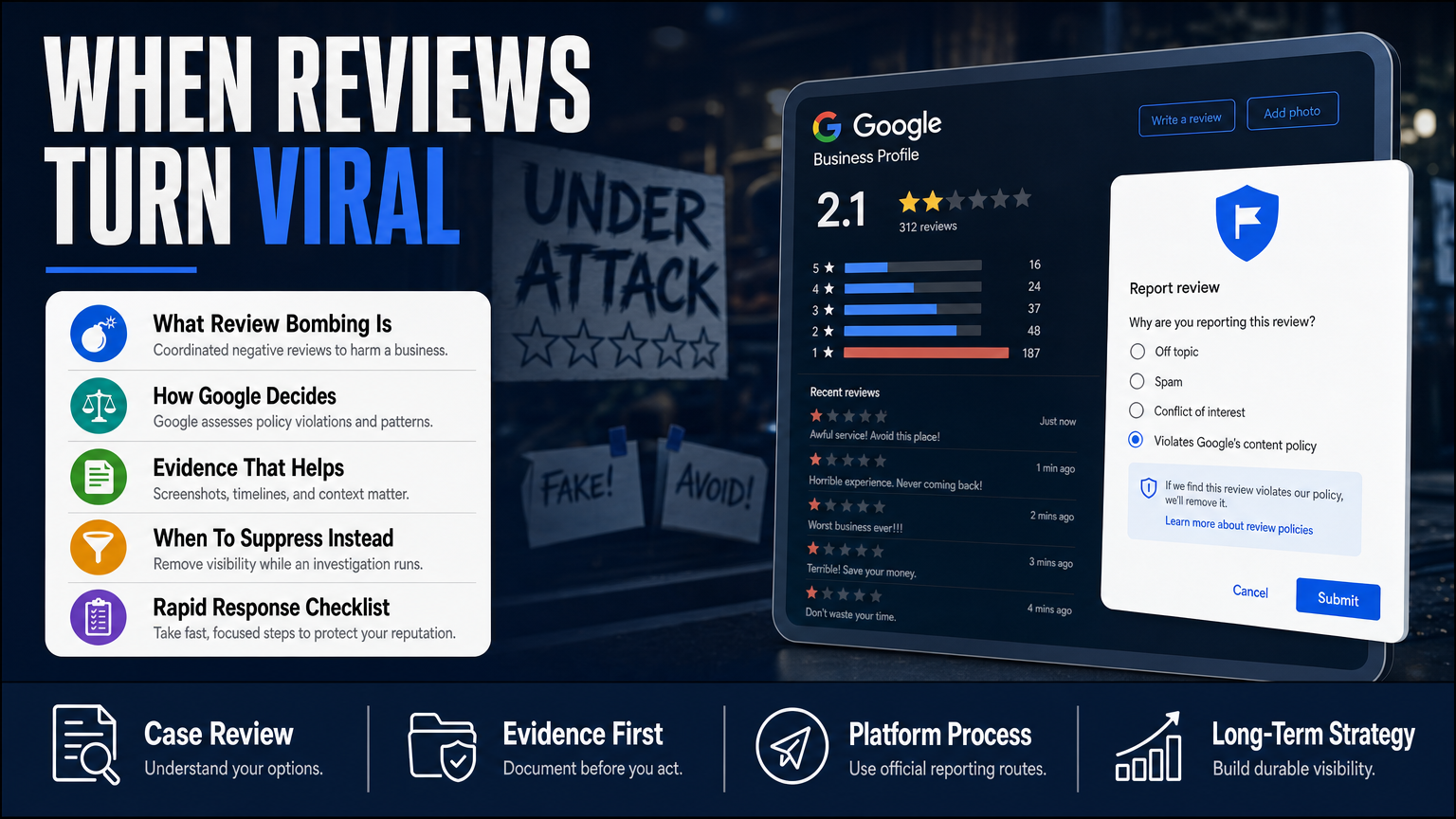
Review removal is not as simple as clicking a button or sending a quick email. While platforms like Google, Yelp, and Trustpilot claim to prioritize authenticity, their complex policies often make deleting a negative comment nearly impossible for the average business owner. This difficulty has created a massive secondary industry where specialized agencies and legal consultants charge thousands of dollars, turning your reputation crisis into their profit center.

The Myth of the “Delete” Button
The biggest misconception is that businesses have control over their own profiles. In reality:
Freedom of Speech vs. Defamation: Platforms often hide behind legal protections (like Section 230 in the U.S.) to avoid responsibility for what users post, labeling almost everything as “opinion.”
The “High Bar” of Evidence: Platforms usually reject removal requests unless you can prove a clear, objective violation of their narrow terms of service. Simply being “unfair” or “untrue” is rarely enough.
The "Algorithm Trap": Why Platforms Want Bad Reviews
It sounds cynical, but negative content generates more engagement than positive praise. When a business receives a scathing 1-star review, it often triggers a back-and-forth in the comments section. For platforms, this increased “time on page” is gold for their advertising metrics.
The Conflict of Interest: Platforms have very little financial incentive to make removal easy. The harder it is to delete a review, the more a business might feel pressured to buy the platform’s “premium” advertising packages to help drown out the negativity.
The Profiteers: Who Wins When You Lose?
Many desperate business owners fall victim to agencies that promise “Guaranteed Removal.” Here is how they actually profit from your crisis:
Reputation “Fixers”: Companies that charge high monthly retainers just to “monitor” or “attempt” removals with no real guarantees.
The Ghostwriting Tactic: Some unethical agencies don’t remove the review; they bury it with hundreds of cheap, bot-generated positive reviews that eventually get flagged, leaving your account in a worse position.
The Legal Trap: Some firms charge exorbitant fees for “Cease and Desist” letters that reviewers often ignore or, worse, post online to cause even more damage.
Why "DIY" Removal Often Backfires
Trying to handle it yourself without a strategy can lead to the Streisand Effect, where trying to hide a review makes it go viral. Furthermore, multiple failed removal attempts can lead a platform to “lock” your profile for suspicious activity, making future legitimate claims harder to process.
Don't fight a losing battle alone
Understanding the barriers to review removal is the first step toward a smarter strategy. If you are struggling with a damaging review and don’t know where to turn, don’t waste your budget on empty promises.
Is your reputation being held hostage? Before you hire an expensive agency or give up hope, get a clear picture of what can actually be done. Contact us today for a full reputation diagnosis and let our experts show you the most effective, ethical path to a clean digital presence.