Influencer Call-Outs: The New Reputation Extortion Tactic?
Influencer reputation management has entered a dark new phase. While “call-out culture” began as a way to hold powerful figures accountable, it has recently evolved into a sophisticated tool for digital extortion. Today, some creators use their massive reachI not to inform, but to threaten businesses: either the brand pays a “collaboration fee” or faces a viral video that could destroy their public image. This rising trend of “reputation extortion” is forcing businesses to rethink how they interact with influencers and how they protect their digital assets.
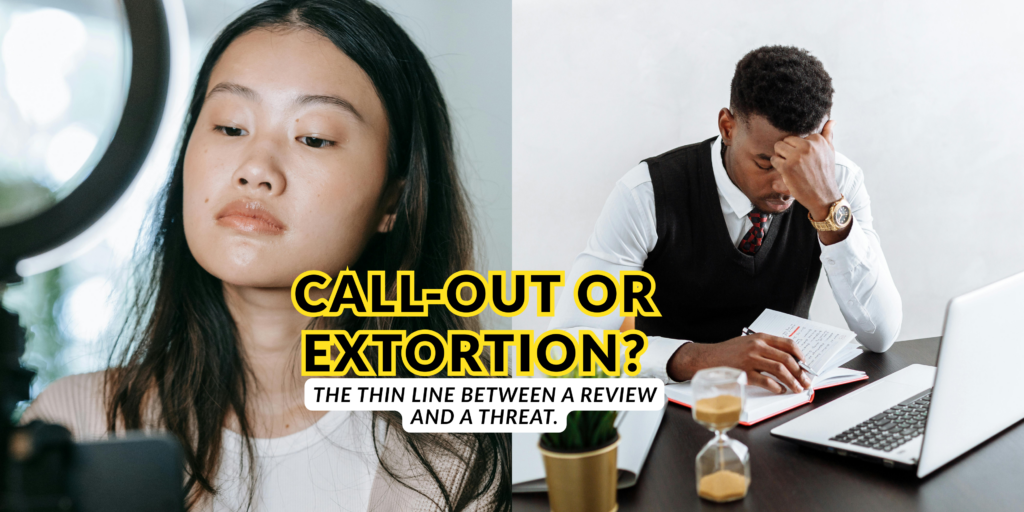
From "Review" to "Ransom"
The line between a negative review and an extortion attempt is becoming increasingly thin.
The “Pay-to-Play” Threat: Brands are reporting instances where influencers demand free products or high payments, hinting that a refusal will result in a “brutally honest” (and likely negative) review to their millions of followers.
Coordinated Attacks: Some influencer networks coordinate their content to target a specific brand simultaneously, creating a wave of negativity that is almost impossible to counter without professional help.
The Psychology of the Call-Out
Why is this tactic so effective? Because influencers have spent years building a “parasocial” relationship with their audience.
The Trust Factor: Followers trust their favorite creators more than any advertisement. If an influencer claims a business is “shady,” the audience accepts it as absolute truth without asking for evidence.
The Algorithmic Boost: Negative content, especially “exposés,” generates significantly more engagement than positive reviews. This incentivizes creators to find (or invent) problems to boost their own metrics.
Proving extortion in the digital world is notoriously difficult.
Opinion vs. Defamation: Influencers often hide behind the “it’s just my opinion” defense. Under current laws, as long as they frame their attack as a personal experience, it is hard to take legal action.
The Speed of Damage: Even if a business wins a defamation lawsuit a year later, the influencer reputation damage is done in the first 48 hours. By the time the legal system moves, the business may already be facing bankruptcy.
How to Defend Your Brand Against Influencer Attacks
You don’t have to be a victim of the “call-out” economy. Protection starts with professional boundaries:
Strict Documentation: Always keep records of every interaction with influencers. If they threaten a negative review because you refused a freebie, that documentation is your “receipt” to clear your name.
Standardized Contracts: Never work with an influencer without a contract that includes non-disparagement clauses and clear deliverables.
Rapid Response Monitoring: You need to know the second a call-out video is posted. Early intervention can stop a local trend from becoming a global crisis.
Frequently Asked Questions (FAQ)
Is it illegal for an influencer to threaten a bad review? While it feels like extortion, it is legally difficult to prosecute unless there is a clear demand for money in exchange for silence. However, sharing these threats publicly can often turn the community against the influencer.
What should I do if an influencer posts a “call-out” video about me? Do not respond emotionally in the comments. Gather your evidence, stay calm, and prepare a factual response. Often, a professional and transparent “counter-story” can expose the influencer’s true motives.
Should I block influencers who ask for free products? Not necessarily. A polite, standardized “No” based on company policy is better. Blocking can sometimes be used by the influencer as “proof” that you are being difficult or “hiding something.”
The New Era of Digital Ethics
The rise of the “Screenshot Economy” and influencer power has created a landscape where a brand’s influencer reputation can be hijacked overnight. However, the same tools used to attack businesses can be used to defend them. Authenticity, documentation, and a proactive defense strategy are the only ways to survive in an era where influence is weaponized. Businesses must move from a strategic posture to an active one, ensuring that their legacy is defined by their service, not by a creator’s viral whim.
Don’t let your brand be held hostage. The world of reputation is volatile, and the tactics are changing every day. You shouldn’t have to navigate these threats alone or live in fear of a single “post” button.
Are you being targeted by a digital creator? Don’t pay the ransom; build a shield. Contact us today for a full reputation diagnosis and let our experts help you manage influencer relations with confidence and security.