
Identifying and removing fake reviews requires evidence, careful policy analysis, and a calm public response. A negative review is not automatically fake; the strongest removal requests show a specific violation such as impersonation, spam, conflicts of interest, harassment, or content unrelated to a genuine customer experience.
In the digital marketplace, online reviews carry significant weight. They influence buying decisions, shape brand perception, and can either build or break your business reputation.
Unfortunately, not all reviews are genuine. Competitors, bots, or disgruntled individuals may leave fraudulent feedback, making it essential to act fast to maintain credibility. Learning how to spot and Remove Fake Reviews is crucial for protecting your business integrity.
The first step is identifying suspicious patterns. Red flags include reviews that are overly negative or vague, posted in bulk over a short period, or coming from accounts with little to no history. Also, check for inconsistencies—if a reviewer has never used your product or service but posts a scathing comment, it’s likely fake.

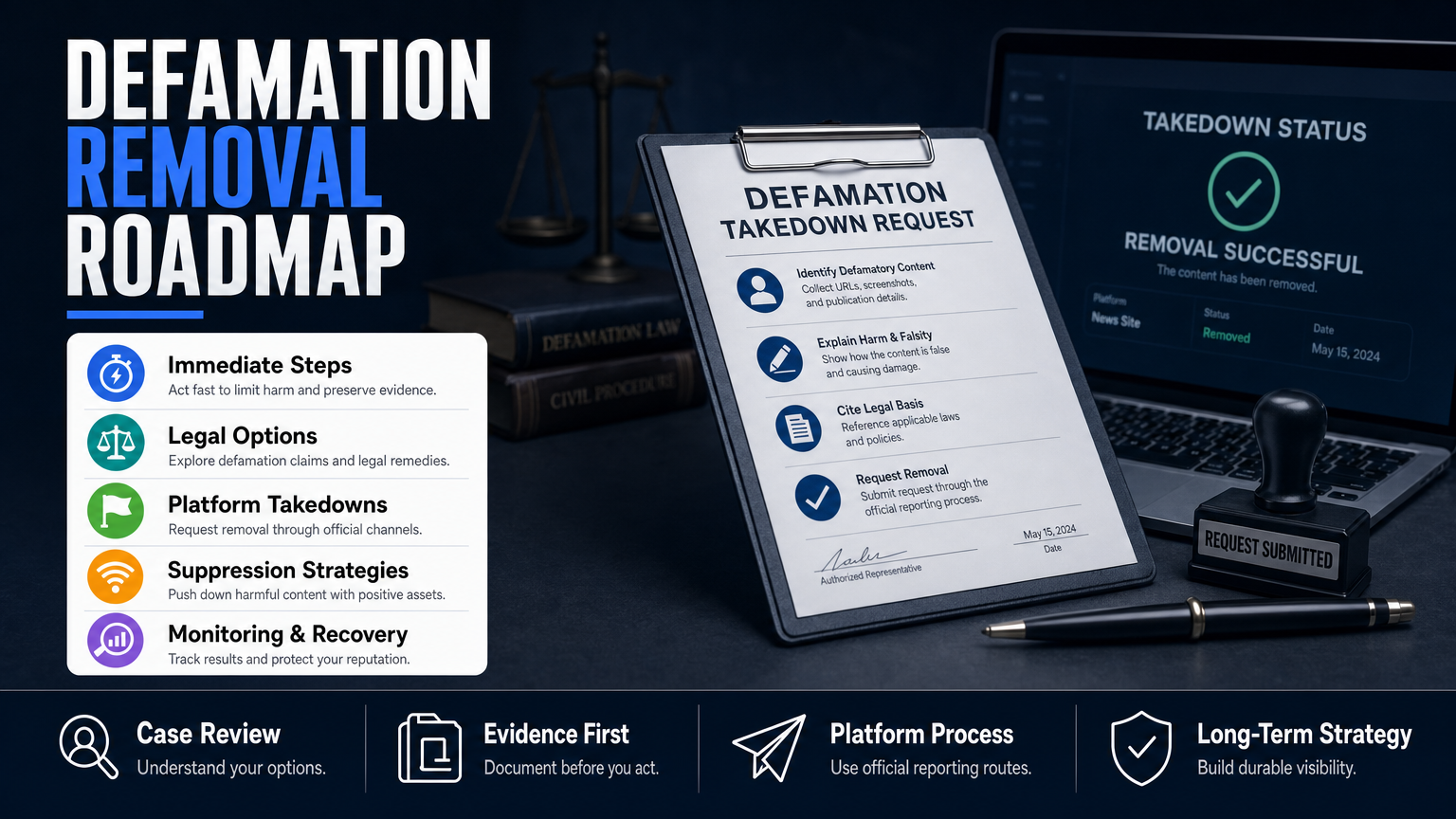
Once identified, document everything. Take screenshots and note the time, date, and content of the review. This will be useful when submitting a report to platforms like Google, Yelp, or TripAdvisor. These platforms have mechanisms to report and Remove Fake Reviews, but the process can be complex and time-consuming.
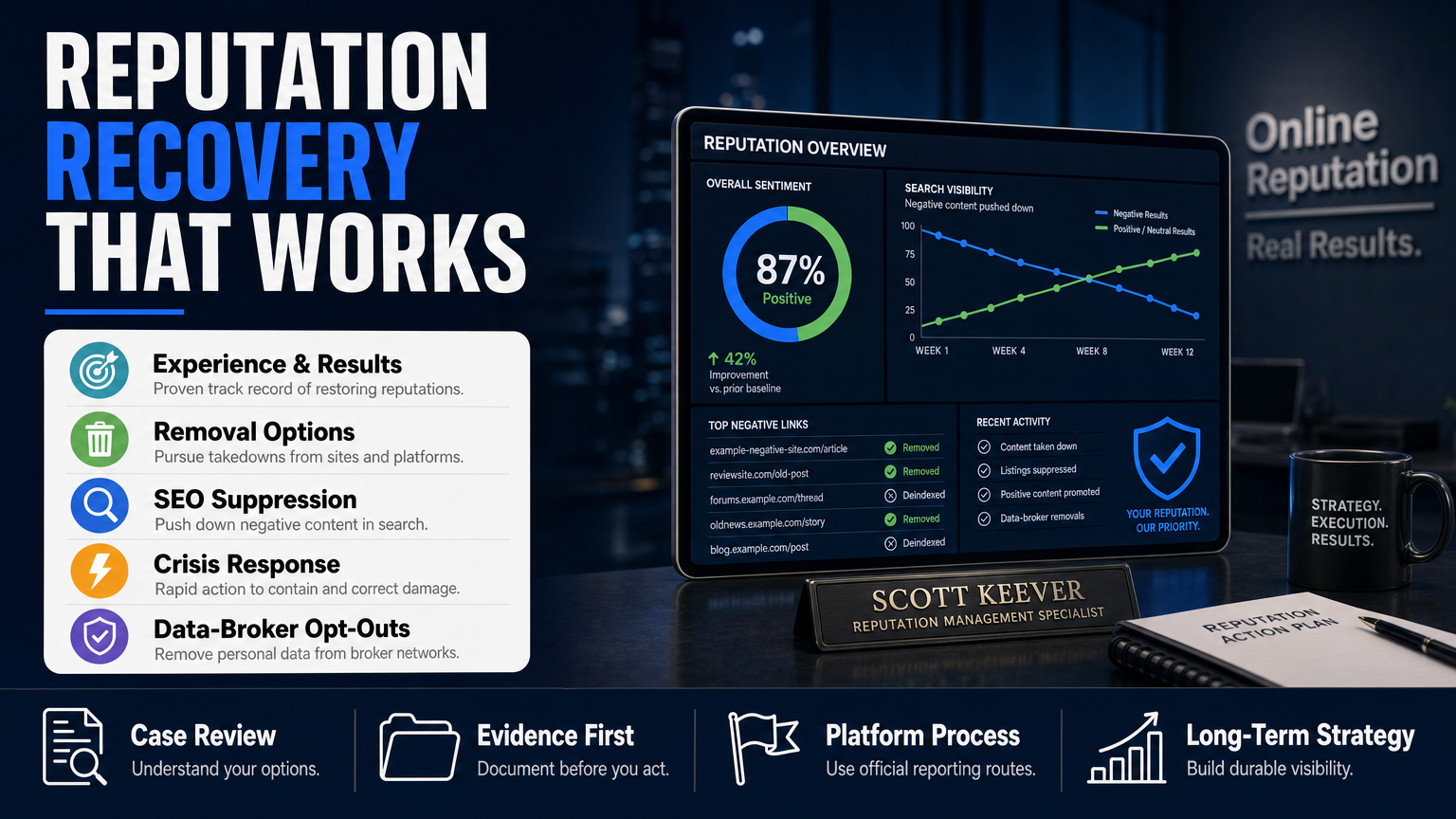
That’s where professional services like Your Reputation Agency come in. Their team specializes in analyzing reviews, filing formal takedown requests, and using proven strategies to restore your online reputation. Whether you’re dealing with a single fake review or a targeted attack, expert help ensures the issue is addressed efficiently and correctly.
Your business deserves to be judged fairly. By staying vigilant and acting decisively, you can protect your digital presence and maintain the trust of your customers. Don’t let fake reviews define your story—fight back with the right tools and support.
Identifying and Removing Fake Reviews Step by Step
- Preserve the review, profile, date, URL, and related activity.
- Check internal records without exposing customer information.
- Compare the review with the platform’s current content policy.
- Report the narrowest accurate violation category.
- Post a short professional response when appropriate.
- Track related accounts for signs of coordinated activity.
- Escalate with organized evidence if the first report is denied.
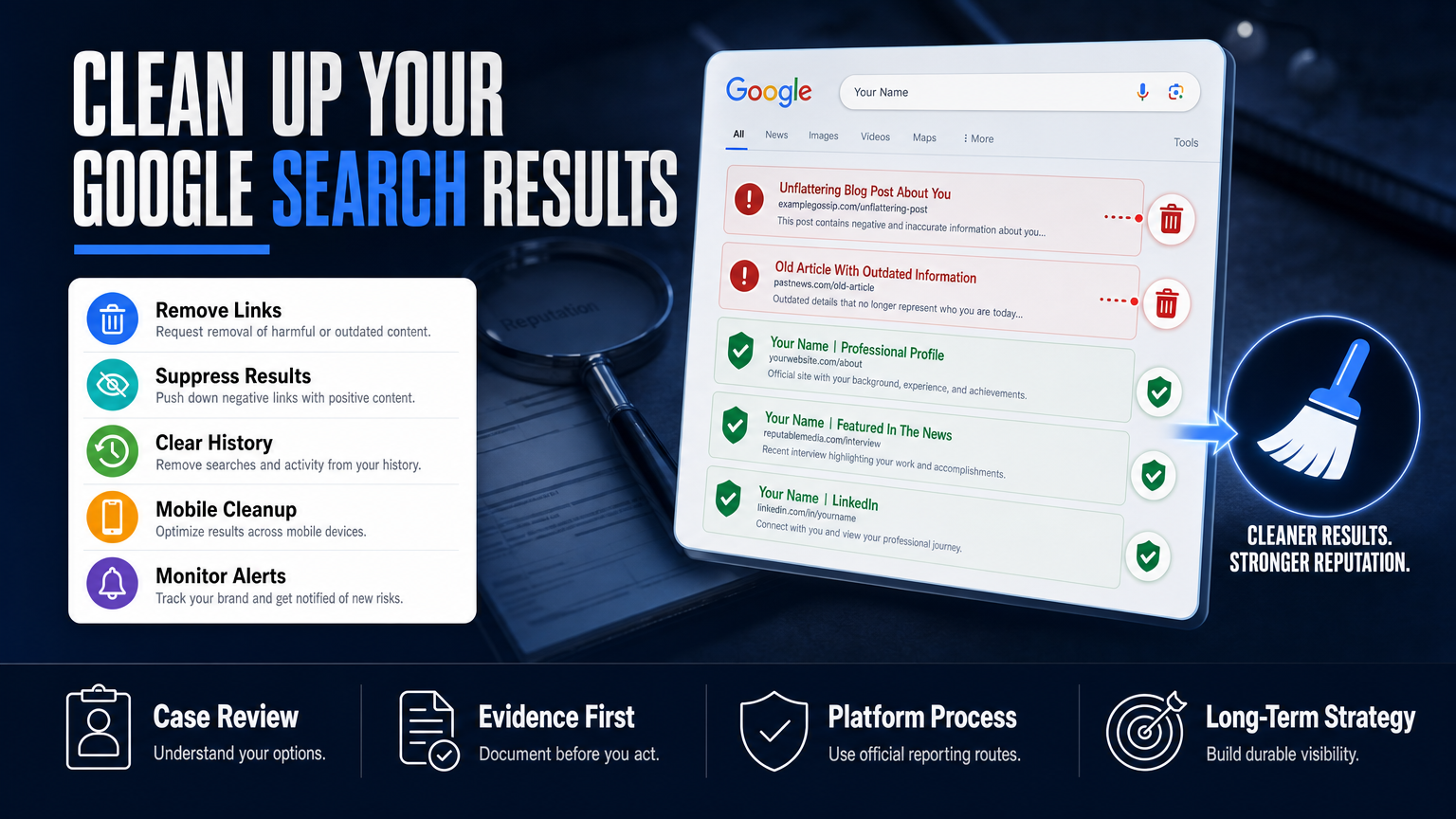
Google explains that businesses should report reviews only when they violate policy, not merely because they are unfavorable. Review the Google Maps user-contributed content policy before escalating. For ongoing monitoring, use our guide to checking what Google says about your business.
What If a Fake Review Is Not Removed?
If a platform declines removal, preserve the decision, respond factually, encourage authentic customer feedback without incentives, and address any operational issues revealed by legitimate criticism. Identifying and removing fake reviews is one part of reputation management; accurate positive information and consistent service also shape what future customers see.