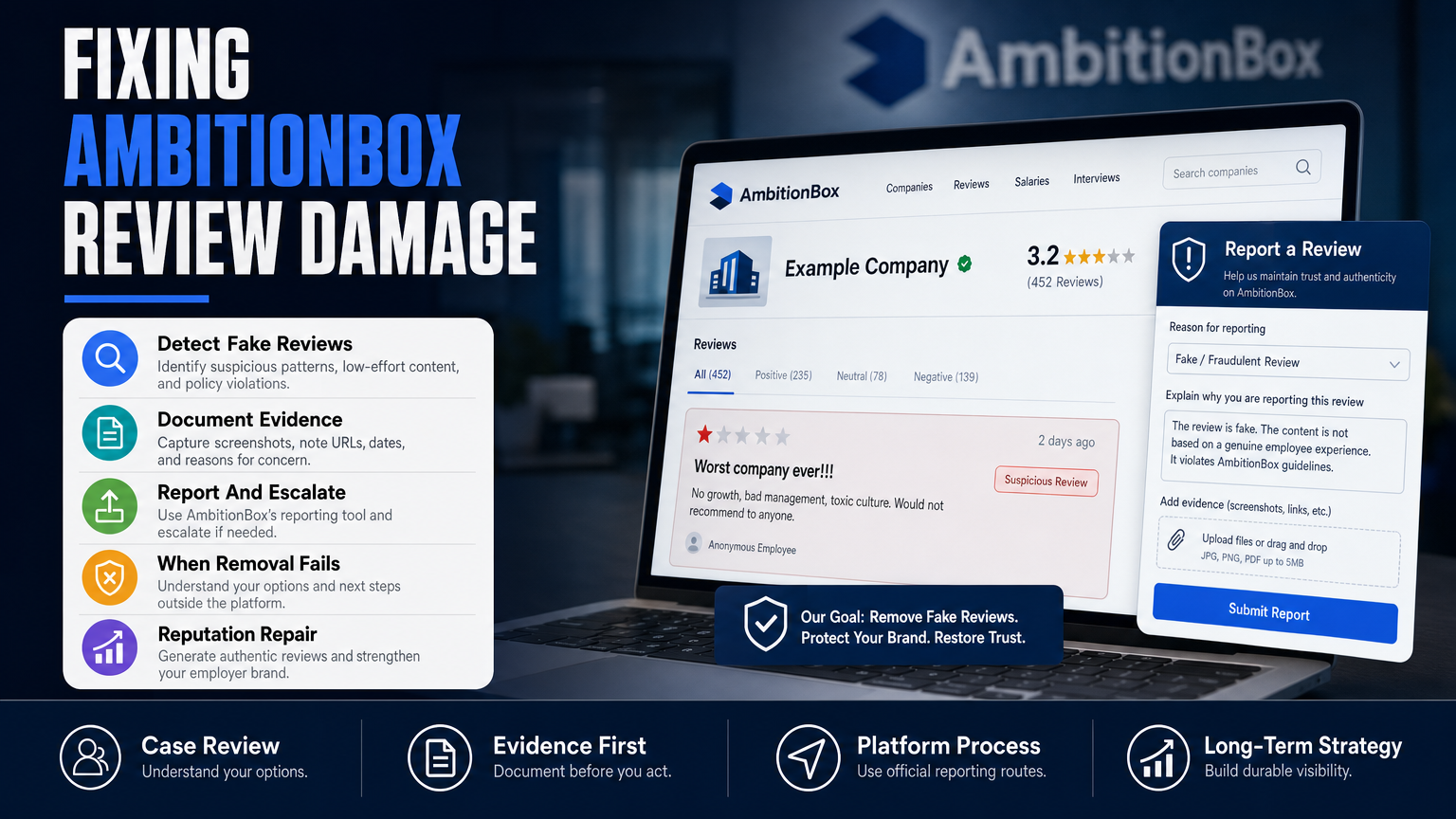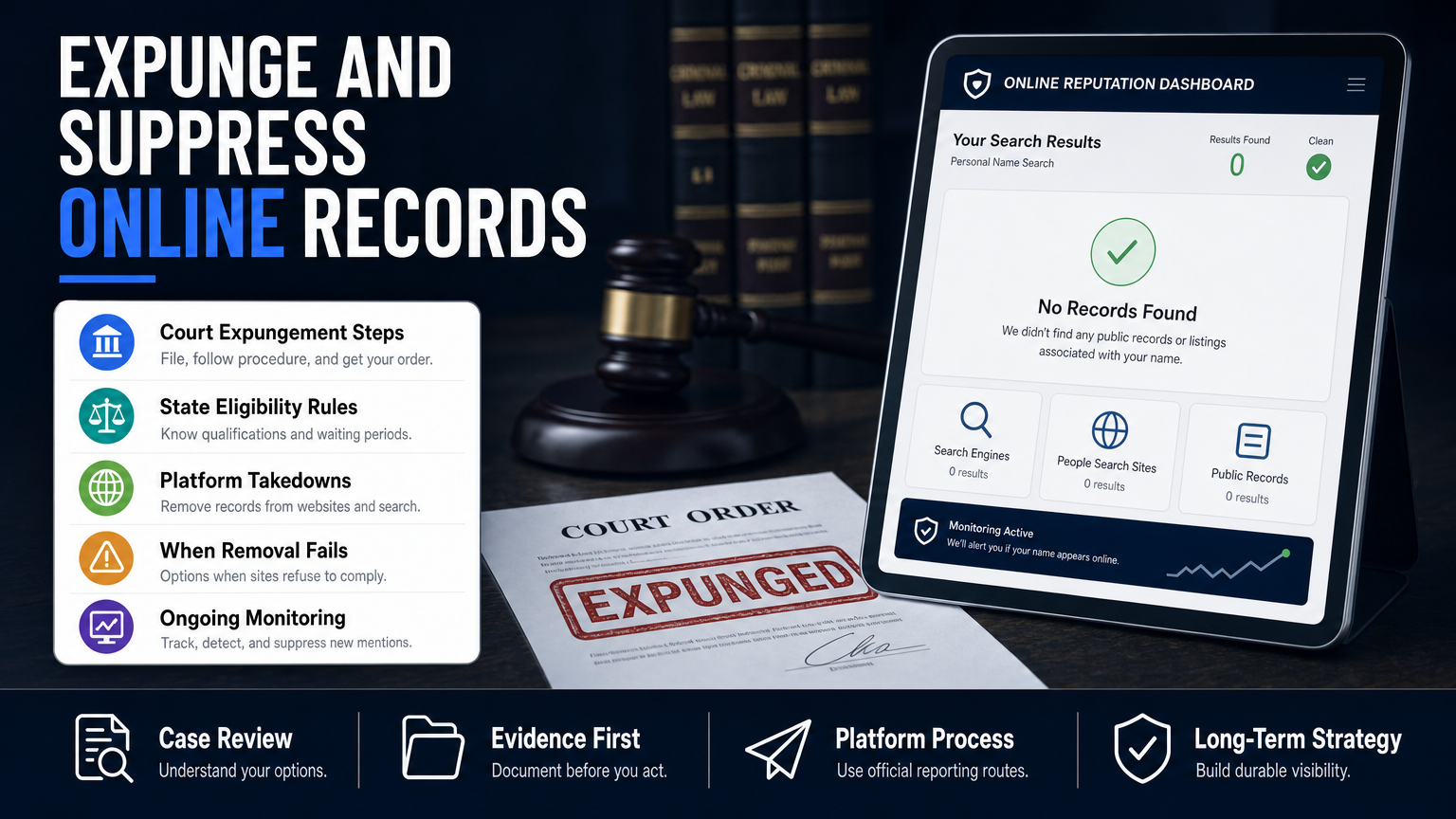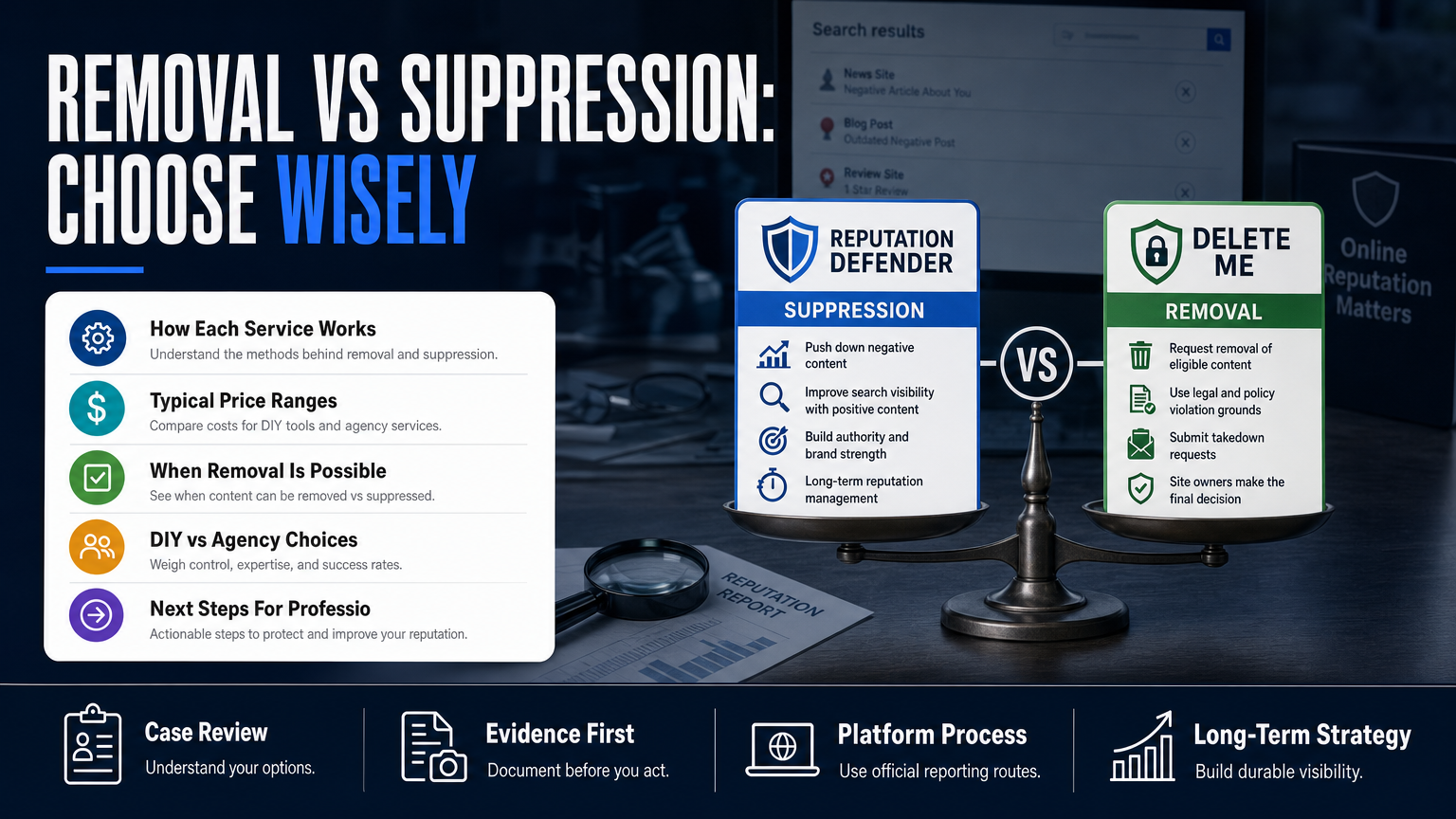
Quick answer: how long Google removal takes
Google removal timing varies by request type, evidence, jurisdiction, source status, and review complexity. An outdated-result refresh may be faster than a privacy or legal review, and approval is not guaranteed.
Submit complete URLs and documentation, monitor the request status, verify source changes, avoid duplicate submissions, and recheck affected queries and cached snippets.
If you’ve discovered unwanted information about yourself or your business on Google, one of the first questions you’ll probably ask is, “How Long Does Google Remove Content?” Whether it’s an outdated news article, personal information, a harmful review, or a search result affecting your reputation, understanding the removal timeline is essential before taking action.
The answer isn’t always straightforward. Google doesn’t own most of the content you see in search results—it simply indexes webpages published by other websites. Because of this, the time required to remove content depends on several factors, including where the content is hosted, whether it violates Google’s policies, and whether the original publisher removes or updates the page.
This guide explains How Long Does Google Remove Content?, what influences the process, realistic timelines, and what you can do if harmful information continues appearing in search results.
Understanding Google’s Role in Content Removal
Before discussing timelines, it’s important to understand how Google Search works.
Google is a search engine, not the publisher of most online content. It continuously crawls billions of webpages, indexes them, and displays relevant results when users perform searches.
This means Google generally cannot remove content simply because someone requests it. In most situations, the original website controls whether an article, image, review, or webpage remains online.
Google may remove certain search results if they violate its published policies, but many reputation-related issues require action from the publisher first.
Understanding this distinction helps set realistic expectations and prevents unnecessary frustration during the removal process.
Can Google Remove Content?
Yes—but only in specific situations.
Google has established policies allowing certain content to be removed from its search results. These policies are designed to protect user privacy and comply with legal requirements rather than resolve every reputation issue.
Examples of content that may qualify include:
- Sensitive personal information
- Non-consensual explicit images
- Certain forms of doxxing
- Copyright violations
- Court-ordered removals
- Some outdated personal information
- Content that violates Google’s removal policies
However, negative news articles, poor reviews, or accurate public records often do not qualify for direct removal unless they meet specific policy requirements.
For Google’s official guidance, readers can review the Google Search Help documentation on removing content from Search.
What Happens After You Submit a Removal Request?
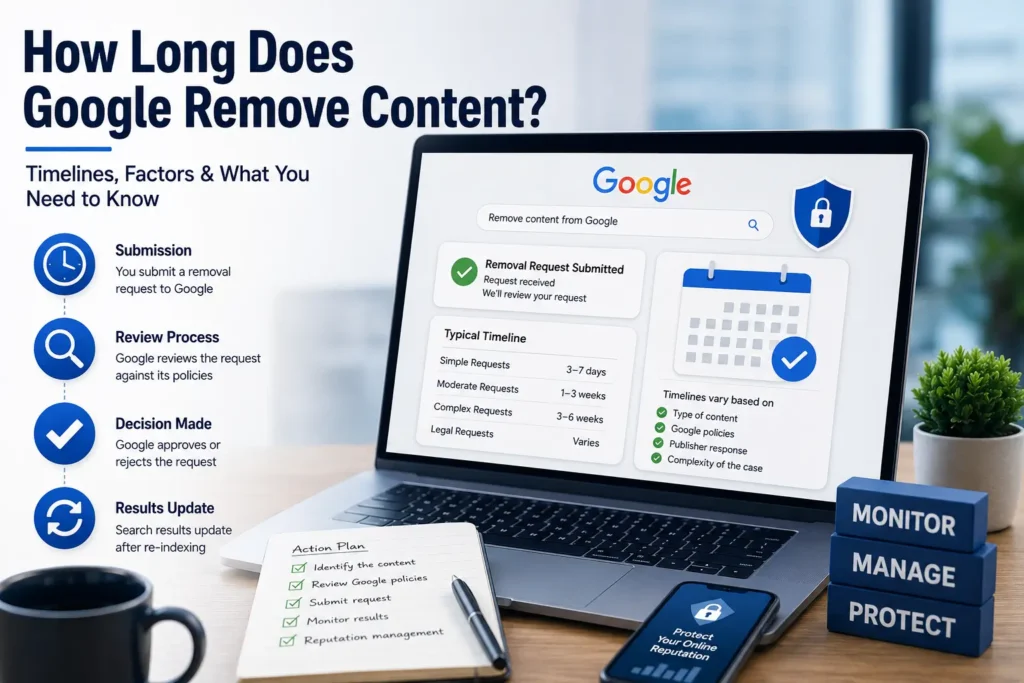
Once a valid request is submitted, Google follows a structured review process rather than removing content immediately.
The process generally includes:
- Reviewing the request.
- Determining whether it meets Google’s published policies.
- Evaluating supporting evidence.
- Making a decision.
- Updating search results if approved.
If the request is approved, Google typically removes or limits the visibility of the content in its search results. If the request is denied, the content usually remains searchable unless additional action is taken with the original publisher.
Because every request is reviewed individually, there is no universal timeline that applies to every case.
Why Removal Times Can Vary
One of the biggest misconceptions is that Google removes content within a fixed number of days.
In reality, several variables influence the timeline, including:
- The type of content involved
- Whether the publisher has already removed the page
- Google’s review queue
- Policy eligibility
- Technical indexing updates
- Whether additional documentation is required
For example, a request involving exposed personal information may be reviewed differently than a request related to an old newspaper article or an unfavorable business review.
This is why two people submitting requests on the same day may receive decisions at completely different times.
Every Reputation Case Is Different
No two reputation challenges are exactly alike.
A business trying to remove fake reviews, an executive dealing with negative news coverage, and an individual requesting the removal of personal information all face different processes, policies, and timelines.
Instead of relying on estimates found online, it’s more effective to evaluate the specific type of content, understand Google’s policies, and determine the most appropriate strategy before submitting a request.
Making informed decisions early often saves time and improves the chances of achieving a better long-term outcome.
How Long Does Google Usually Take to Remove Content?
The most accurate answer is: it depends on the type of content and the removal method.
Some requests may be reviewed within a few days, while others can take several weeks. In more complex cases—especially when the original publisher must be involved—the process may take even longer.
Generally, the timeline depends on:
- The type of content involved
- Whether the request meets Google’s removal policies
- If the publisher has already removed the content
- Google’s current review workload
- Whether additional evidence is required
Because each case is evaluated individually, there is no guaranteed timeframe for every request.
Typical Google Content Removal Timelines
While Google doesn’t publish fixed processing times, these general estimates can help set realistic expectations.
Personal Information Removal
Requests involving exposed personal information, such as home addresses or government-issued identification numbers, are often reviewed relatively quickly when they clearly meet Google’s policies.
Estimated timeline: Several days to a few weeks.
Outdated Search Results
Sometimes a webpage has already been deleted, but Google still displays the old result.
In these situations, Google’s index usually updates after the page is recrawled or after a cache removal request is submitted.
Estimated timeline: A few days to several weeks.
Copyright-Related Requests
Google processes copyright requests through established legal procedures.
The timeline depends on the quality of the submission and whether additional verification is required.
News Articles
Many people search for How Long Does Google Remove Content? because of old newspaper articles.
It’s important to understand that Google usually cannot remove a legitimate news article simply because it’s negative or embarrassing.
If the publisher removes or significantly updates the article, Google may eventually update its search results after re-indexing the page.
If the publisher refuses, other reputation management strategies may be necessary.
Why Some Requests Take Longer Than Others
Several factors can extend the removal process.
The Content Doesn’t Meet Google’s Policies
If the request doesn’t qualify under Google’s published removal guidelines, it may be denied regardless of how harmful the content feels personally.
The Publisher Still Hosts the Content
Even if Google removes a search result in limited situations, the original webpage often remains online.
In many reputation cases, contacting the publisher becomes an essential part of the overall strategy.
Additional Documentation Is Required
Google may request more information before making a decision.
Providing clear, well-organized documentation from the beginning can help avoid unnecessary delays.
Multiple Search Results Are Involved
Sometimes the same information appears on multiple websites.
Each URL typically requires separate evaluation, making larger reputation cases more time-consuming.
What Happens If Google Rejects Your Request?
Receiving a rejection doesn’t necessarily mean you’ve reached the end of your options.
Depending on the situation, you may still be able to:
- Contact the website owner directly.
- Request a correction or content update.
- Submit additional supporting documentation.
- Improve positive search visibility through reputation management.
- Strengthen authoritative online content.
- Reduce the prominence of harmful search results over time.
Many successful reputation strategies involve a combination of publisher communication, search optimization, and long-term reputation management rather than relying on a single removal request.
Can You Speed Up the Removal Process?
While no one can guarantee faster approval, following best practices can improve efficiency.
These include:
- Identifying the correct removal method before submitting a request.
- Providing complete and accurate documentation.
- Using Google’s official removal tools where appropriate.
- Contacting the original publisher when necessary.
- Monitoring the status of your request.
- Avoiding duplicate or incomplete submissions.
Taking a structured approach helps reduce delays and increases the likelihood of a smoother review process.
When Removal Isn’t Possible
Not every piece of online content can be removed.
If Google determines that the content doesn’t violate its policies—or if a publisher refuses to delete an article—you may need to focus on minimizing its visibility instead.
This often involves:
- Publishing authoritative content.
- Improving branded search results.
- Building trusted digital assets.
- Strengthening professional profiles.
- Developing a long-term online reputation strategy.
For many businesses and professionals, improving what appears first in search results can be just as valuable as removing unwanted content.
How Your Reputation Agency Can Help
If you’re searching “How Long Does Google Remove Content?”, you’re probably dealing with information that affects your reputation, business, or peace of mind. While every case is different, having the right strategy can make a significant difference.
At Your Reputation Agency, we help individuals, executives, and businesses navigate complex online reputation challenges with ethical and customized solutions. Rather than relying on one-size-fits-all approaches, we evaluate each situation individually and recommend the most effective course of action based on Google’s policies, publisher guidelines, and your long-term reputation goals.
Our objective is to help you regain control of your online presence while protecting your credibility for the future.
Our Reputation Management Approach
Every reputation challenge begins with understanding the full picture. That’s why our process focuses on strategy before action.
Reputation Assessment
We review the content affecting your online reputation, evaluate its search visibility, and determine the potential impact on your personal or business brand.
Strategy Development
Based on our findings, we create a tailored action plan that may include publisher outreach, search result optimization, reputation monitoring, or long-term digital reputation management.
Reputation Recovery
When direct removal isn’t possible, we focus on strengthening positive online assets, improving branded search results, and reducing the visibility of harmful content through ethical reputation management techniques.
Ongoing Monitoring
Search results change constantly. We continue monitoring your online presence to identify new risks and recommend proactive solutions that help maintain long-term credibility.
Helpful Resources You May Also Find Useful
If you’re dealing with negative search results, these resources may help you better understand your options:
- Remove Negative Content from Google | Expert Guide
- Can Google Remove Search Results?
- Google Review Removal Service
- Mugshot Removal Service
These guides explain different reputation challenges and the strategies available for addressing them.
Why Clients Trust Your Reputation Agency
Online reputation management requires experience, transparency, and realistic expectations. Our clients choose us because we prioritize ethical practices and long-term solutions over quick fixes.
We are committed to providing:
- Confidential consultations
- Customized reputation strategies
- Professional communication
- Transparent recommendations
- Long-term reputation planning
- Search visibility improvement
- Ongoing reputation monitoring
Many clients also review our work through our Google Business Profile where they can learn more about our commitment to professionalism and client service.
Ready to Protect Your Online Reputation?
If harmful search results are affecting your reputation, waiting rarely improves the situation. Taking action early often provides more options and better long-term outcomes.
Whether you’re dealing with outdated content, negative search results, personal information, or online reputation concerns, our team is ready to help you understand your options and build a strategy that fits your goals.
Request a confidential consultation today to discuss your situation and learn how professional online reputation management can help protect your digital presence.
Understanding How Long Does Google Remove Content? is the first step toward making informed decisions about your online reputation. While some content can be removed relatively quickly, other situations require patience, publisher cooperation, or long-term reputation management strategies.
Instead of relying on unrealistic promises, focus on solutions that are ethical, sustainable, and aligned with Google’s policies. By acting early and following the right strategy, you can improve your online presence and reduce the impact of harmful search results over time.
If you’re unsure where to begin, professional guidance can help you evaluate your options and choose the approach that’s most appropriate for your situation.
Frequently Asked Questions
1. How long does Google take to remove content?
The timeline varies depending on the type of content, Google’s policies, and whether the original publisher has removed or updated the webpage. Some requests may take a few days, while others can take several weeks.
2. Can Google remove negative search results?
Google may remove search results that violate its policies, such as certain privacy violations or legal requests. However, accurate news articles or legitimate webpages are generally not removed simply because they are negative.
3. Does Google remove content from websites?
No. Google typically removes search results—not the content itself. To remove content permanently, you usually need to work with the website or publisher that hosts it.
4. What happens if my removal request is rejected?
If your request is denied, you may still have options such as contacting the publisher, requesting corrections, or using reputation management strategies to improve your search results.
5. Can outdated information be removed from Google?
In some situations, yes. If the original webpage has been deleted or updated, Google may remove outdated search results after re-indexing the page.
6. Can reputation management help if Google won’t remove content?
Yes. Professional reputation management focuses on improving positive search visibility, building authoritative online content, and reducing the prominence of harmful search results when direct removal isn’t possible.
7. Should I contact the publisher before contacting Google?
In many cases, yes. Since publishers control their own content, contacting them first may be the most effective option, especially for corrections or content updates.
8. Is there a guaranteed way to remove Google search results?
No. No reputable agency can guarantee removal of every search result. The available options depend on Google’s policies, the publisher’s decisions, and the specific circumstances of each case.
9. When should I seek professional help?
If negative content is affecting your career, business, or personal reputation, consulting an experienced online reputation management agency can help you understand your options and develop an effective strategy.
10. How can I prevent future reputation issues?
Regular monitoring, strong digital branding, publishing authoritative content, and proactive reputation management are among the best ways to protect your online presence over the long term.