Quick answer: can Google remove search results?
Google can remove or de-list some results for exposed personal information, legal requirements, copyright, nonconsensual imagery, doxxing, and other eligible categories. It generally does not remove a result merely because it is negative.
Correct the source first when possible, use the exact Google request form, provide complete URLs and evidence, and remember that de-listing does not necessarily delete the page.
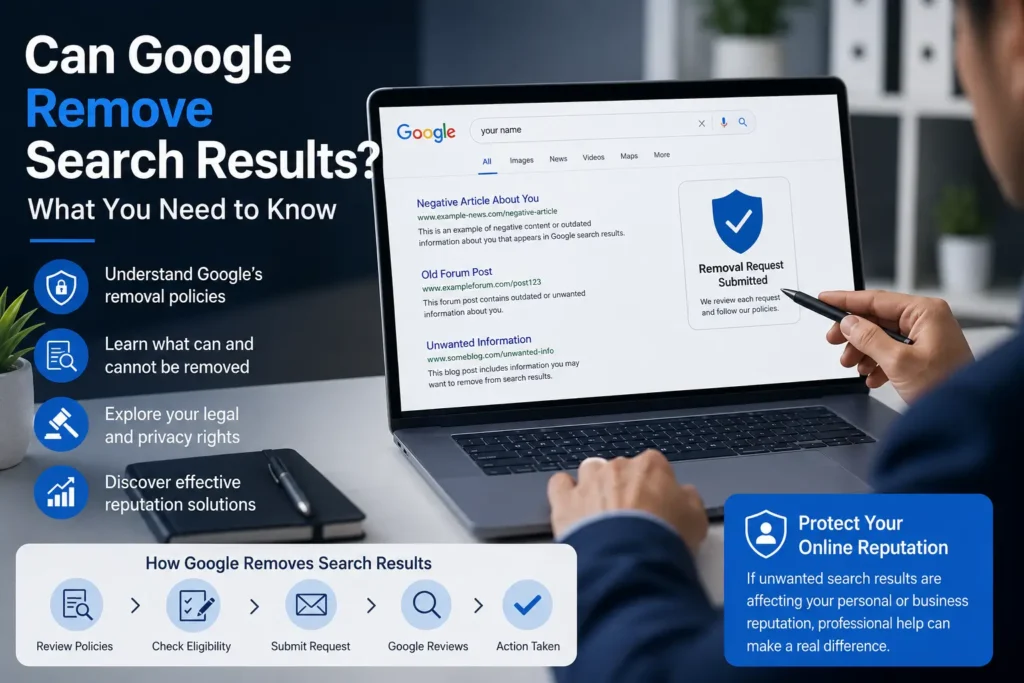
If you’ve ever searched your name or business online and found negative or outdated content, you’ve probably asked yourself: Can Google Remove Search Results?
It’s a common question, especially for business owners, professionals, executives, and individuals whose online reputation directly affects opportunities and public trust. A single search result can influence hiring decisions, customer confidence, investment opportunities, and even personal relationships.
The good news is that Google does remove certain types of content under specific circumstances. However, many people misunderstand what Google can—and cannot—do. Google usually doesn’t own the content that appears in search results; it simply indexes webpages published by third-party websites.
Understanding Can Google Remove Search Results? starts with knowing the difference between removing content from Google Search and removing it from the original website. In this guide, we’ll explain when removal is possible, what alternatives exist, and how to protect your online reputation when direct removal isn’t an option.
What Does It Mean to Google Remove Search Result?
Many people believe that removing a search result automatically deletes the webpage itself. In reality, these are two completely different processes.
A Google search result is simply a link that appears in Google’s index. The original content remains on the publisher’s website unless the website owner removes or updates it.
For example:
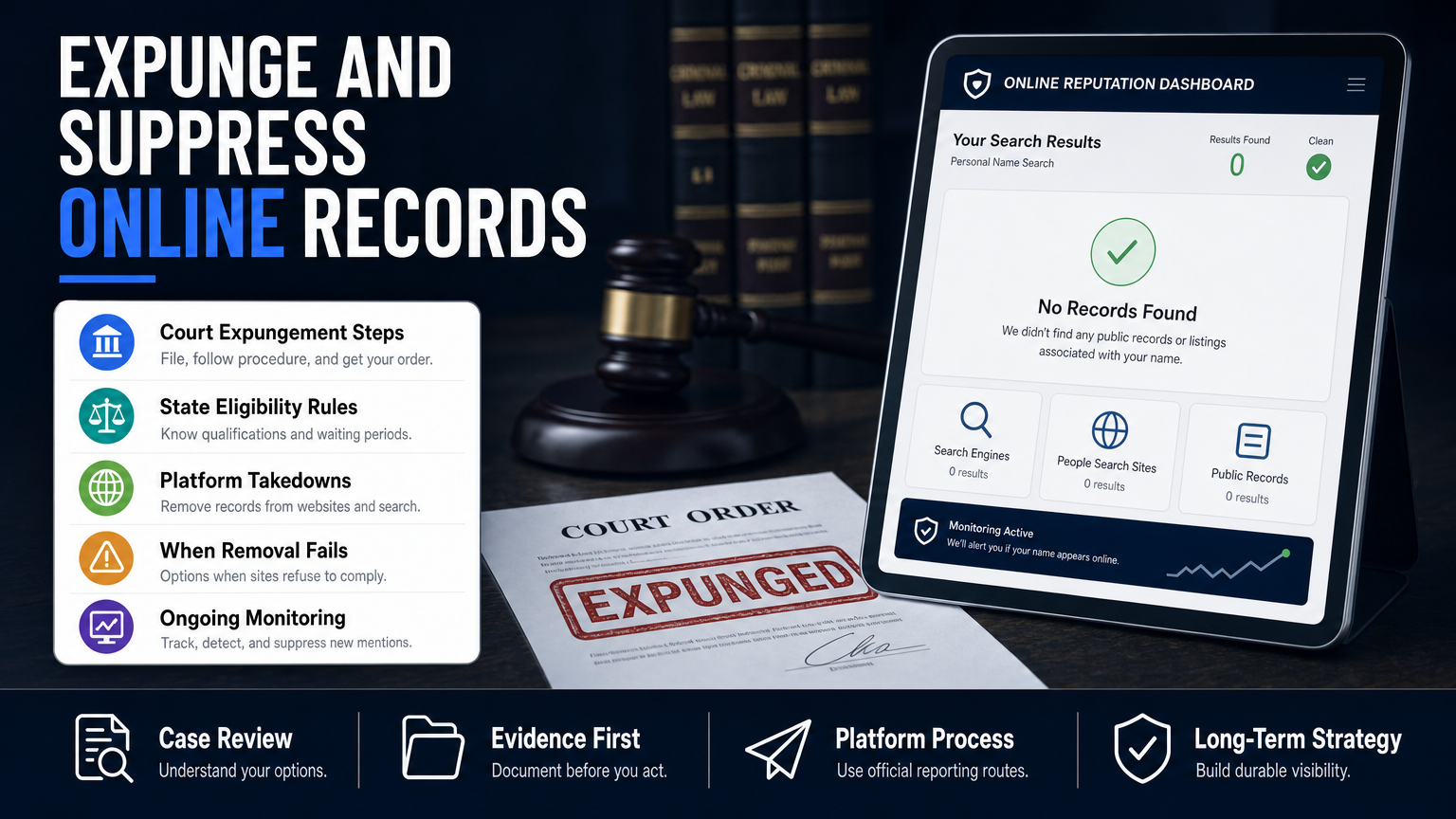
- A newspaper article may disappear from Google Search but still exist on the publisher’s website.
- A webpage removed by the publisher may continue appearing temporarily in Google until Google’s index is updated.
- Some content cannot be removed from Google unless it violates Google’s policies or legal requirements.
Understanding this distinction helps set realistic expectations before beginning any reputation management strategy.
Can Google Remove Search Results?
The answer is yes—but only in specific situations.
Google has published policies that allow certain types of content to be removed from search results when they meet strict eligibility requirements. These policies are designed to protect user privacy, personal safety, and legal compliance rather than to remove content simply because it is negative or embarrassing.
Google may consider removing search results involving:
- Sensitive personal information
- Identity theft risks
- Financial account details
- Explicit non-consensual images
- Certain legal removal requests
- Doxxing or personal safety concerns
- Some outdated personal information that creates significant risk
Each request is reviewed individually, and approval depends on whether it meets Google’s published removal guidelines.
When Google May Remove Search Results
Although every request is evaluated on its own merits, there are several situations where Google provides formal removal processes.
Sensitive Personal Information
Google may remove search results that expose information capable of creating identity theft or financial fraud risks, including bank account numbers, government-issued identification numbers, passwords, or confidential financial information.
Non-Consensual Explicit Content
Google has removal policies covering certain explicit images or videos shared without consent. These requests are treated seriously because they involve privacy and personal safety.
Doxxing and Personal Safety
If search results expose private contact information with malicious intent or create a credible safety risk, Google may review requests for removal under its personal information policies.
Legal Requirements
Some search results may be removed following valid legal requests or court orders, depending on applicable laws and Google’s legal review process.
When Google Usually Will Not Remove Search Results
Many reputation-related issues do not automatically qualify for removal.
Google generally does not remove search results simply because they contain:
- Negative reviews
- Critical opinions
- Accurate news articles
- Public court records
- Customer complaints
- Negative blog posts
- Unfavorable business information
If the content is lawful and does not violate Google’s policies, it will often remain visible even if it negatively affects someone’s reputation.
This is why many businesses and professionals combine removal requests with broader online reputation management strategies instead of relying on Google alone.
Why This Matters for Your Reputation
Today, Google Search is often the first place customers, employers, journalists, and investors look when researching an individual or business.
Even one highly visible negative result can shape public perception before someone visits your website or speaks with you directly.
Understanding Can Google Remove Search Results? is the first step toward making informed decisions about your online reputation. In many cases, removal is only one part of the solution, while reputation management, positive content development, and search result optimization provide a more sustainable long-term strategy.
What Should You Do If Google Won’t Remove Search Results?
If Google declines your removal request, it doesn’t mean you’re out of options. In fact, many reputation issues are resolved without removing the search result itself.
The key is understanding why Google rejected the request. If the content doesn’t violate Google’s policies, you may need to work directly with the website owner or implement a broader online reputation management strategy.
Rather than focusing only on removal, many businesses and professionals improve what people see first by strengthening their positive online presence.
Contact the Website Publisher First
Because Google usually doesn’t own the content it indexes, contacting the publisher is often the most effective first step.
If an article contains factual errors, outdated information, or privacy concerns, you can submit a professional request asking the publisher to:
- Correct inaccurate information
- Update outdated content
- Remove sensitive personal information
- Consider removing the article entirely
Be respectful, provide supporting evidence, and clearly explain why the content should be reviewed. A well-documented request is more likely to receive serious consideration than an emotional or aggressive message.
Submit a Google Removal Request (When Eligible)
If the content qualifies under Google’s removal policies, you can submit a request through Google’s official removal tools.
Google may review requests involving:
- Personal financial information
- Government-issued identification numbers
- Doxxing or personal safety concerns
- Certain explicit images shared without consent
- Specific legal requests
For the latest eligibility guidelines, refer to Google’s official documentation:
https://support.google.com/websearch
Remember that submitting a request does not guarantee approval. Each case is reviewed individually.
Strengthen Your Online Reputation Instead of Waiting
If a search result cannot be removed, improving your overall online presence is often the most effective long-term solution.
This may include:
- Publishing authoritative content
- Improving your personal or business website
- Building trusted media mentions
- Optimizing professional profiles
- Creating valuable educational resources
- Encouraging authentic customer reviews
Over time, these efforts can improve search visibility and help more relevant, positive content appear higher in search results.
If you’d like to learn more about this approach, our guide on How Search Result Suppression Works explains how positive content can help reduce the visibility of unwanted search results.
Other Reputation Management Options
Depending on the situation, additional strategies may provide better results than focusing solely on Google removal.
Examples include:
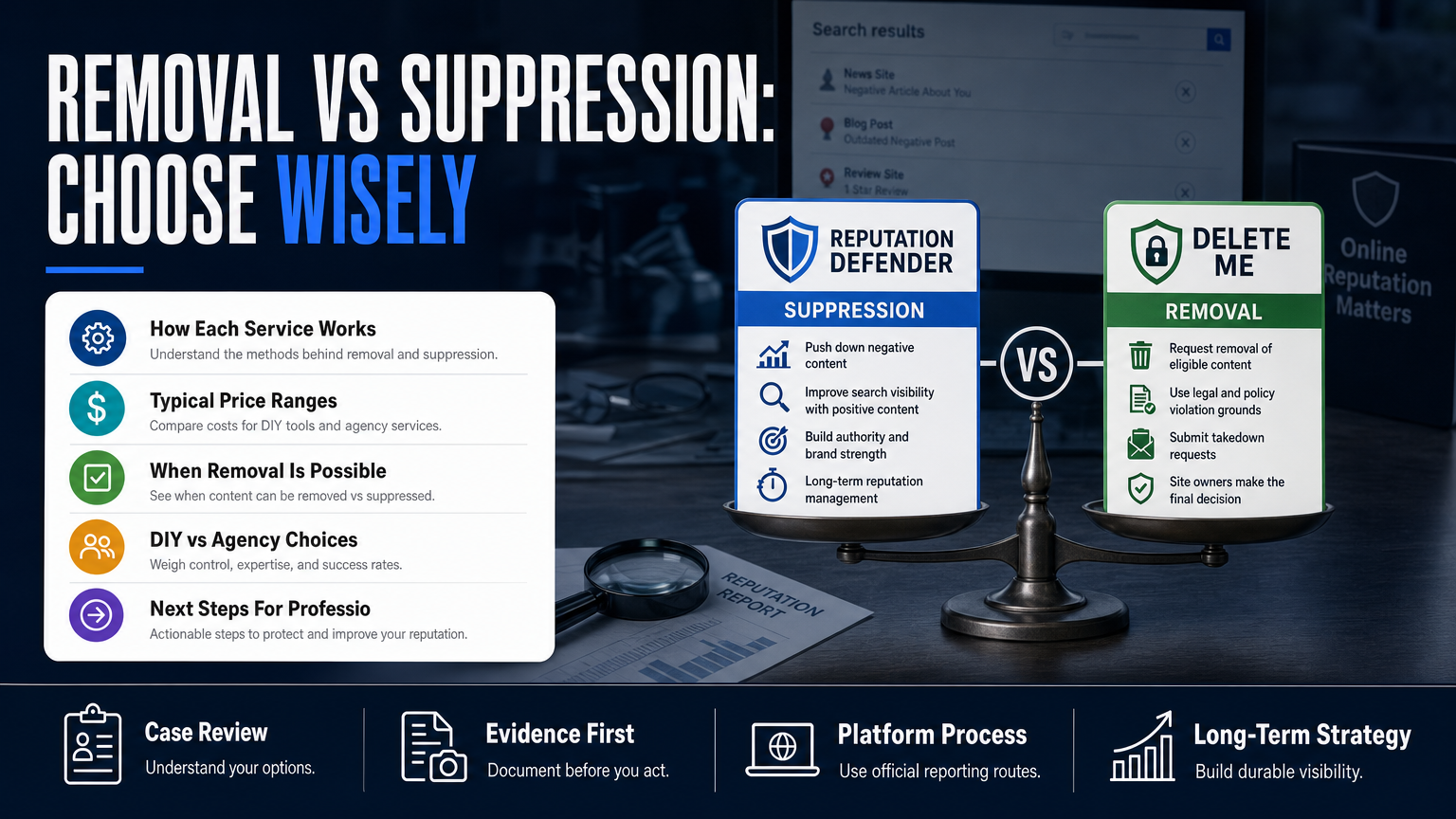
Search Result Suppression
Instead of deleting content, suppression strategies improve the ranking of positive and authoritative pages so harmful content becomes less visible.
Negative Content Management
If inaccurate or damaging information is affecting your reputation, developing a structured response strategy can often reduce its long-term impact.
You may also find our guide on Remove Negative Content from Google helpful if you’re dealing with persistent negative search results.
Google Review Removal
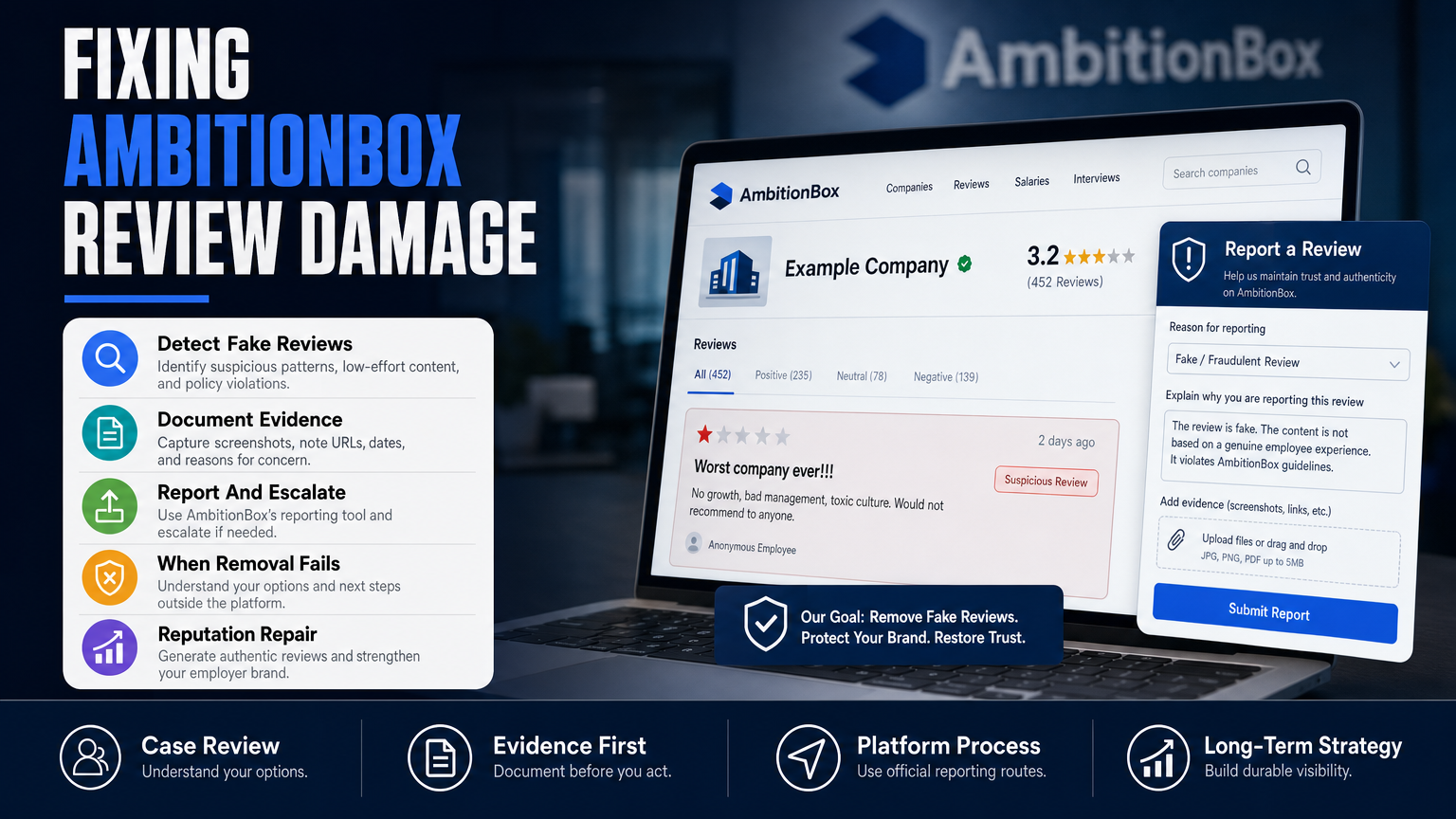
Sometimes the issue isn’t an article—it’s fake or policy-violating reviews.
If that’s your situation, our Google Review Removal Service explains how businesses can address reviews that violate Google’s policies.
Personal Information Removal
If search results expose sensitive personal data, removing that information should be a priority.
Our guide on Remove Personal Information from Data Broker Sites explains practical steps for protecting your privacy online.
A Real-World Example
Imagine a business owner who discovers an eight-year-old news article ranking on the first page of Google. Although the article accurately reported a lawsuit at the time, the case was later dismissed.
Google declines the removal request because the article doesn’t violate its policies.
Instead of giving up, the business owner works with reputation professionals to:
- Update professional business profiles
- Publish helpful industry content
- Improve search visibility for positive assets
- Earn trusted media mentions
- Strengthen branded search results
Over time, the outdated article becomes significantly less visible as newer, more relevant content gains prominence.
This illustrates why reputation management is often a more sustainable solution than relying solely on removal requests.
Why Professional Guidance Matters
Every online reputation challenge is different.
Some cases involve privacy concerns, while others involve news articles, reviews, forum discussions, or outdated content. Choosing the wrong approach can waste valuable time and may even draw more attention to the issue.
Working with experienced reputation professionals helps you understand which strategies are appropriate, realistic, and aligned with search engine policies.
At Your Reputation Agency, we focus on ethical, long-term reputation management solutions designed to protect credibility while helping clients make informed decisions based on their unique circumstances.
Take Control of Your Online Reputation
If negative search results are affecting your business or personal reputation, don’t wait for the problem to grow.
Whether you’re exploring removal options, search result suppression, or a broader reputation management strategy, our team can help you evaluate your situation and recommend the most effective path forward.
Request a confidential consultation today and discover how Your Reputation Agency can help protect your online reputation with customized, long-term solutions.
So, Can Google Remove Search Results? The answer is yes—but only under specific circumstances.
Google may remove search results that violate its policies, involve sensitive personal information, or meet certain legal requirements. However, most negative news articles, reviews, blog posts, and public records do not qualify simply because they are unfavorable.
If direct removal isn’t possible, there are still effective ways to protect your online reputation. Strategies such as publisher outreach, search result suppression, positive content creation, and proactive reputation management can significantly improve what people see when they search for your name or business.
The most important step is acting early. The longer unwanted search results remain visible, the more influence they can have on your personal brand, business reputation, and future opportunities.
Build a Stronger Online Reputation
If you’re struggling with negative Google search results, you don’t have to handle the situation alone.
At Your Reputation Agency, we help individuals, executives, and businesses develop customized reputation management strategies designed to improve search visibility and protect long-term credibility.
Whether you’re dealing with outdated articles, harmful online content, negative reviews, or search results that no longer represent who you are today, our team can evaluate your situation and recommend the most effective approach.
Many clients first discover us through our educational resources, verified customer reviews, and Google Business Profile before requesting a confidential consultation. Our focus is always on ethical, transparent, and sustainable reputation management—not unrealistic promises.
Ready to take control of your online reputation?
Contact Your Reputation Agency today for a confidential reputation assessment and discover the right strategy for your situation.
Frequently Asked Questions
Can Google remove search results?
Yes. Google can remove certain search results when they violate its content removal policies or meet specific legal and privacy requirements. However, most lawful content remains indexed.
Can Google remove negative news articles?
Generally, no. If a news article is accurate and complies with Google’s policies, Google is unlikely to remove it. In some cases, contacting the publisher or using reputation management strategies may be more effective.
Does removing a Google search result delete the webpage?
No. Removing a search result only affects Google’s index. The original webpage usually remains available unless the publisher removes or updates it.
How long does Google take to review a removal request?
Review times vary depending on the request type and complexity. Some requests are processed within days, while others may take several weeks.
What if Google rejects my request?
If your request is denied, you may still have other options, including contacting the website owner, requesting corrections, or improving your online reputation through positive content and search optimization.
Can businesses remove fake Google search results?
Businesses can request removal if the content violates Google’s policies. Otherwise, reputation management and search result suppression strategies are often the most effective alternatives.
What is search result suppression?
Search result suppression is an online reputation management strategy that improves the visibility of positive, relevant content so less favorable search results become less prominent over time.
Is reputation management better than removing content?
It depends on the situation. In many cases, combining removal requests with reputation management produces stronger long-term results than relying on removal alone.
Can negative search results affect my business?
Yes. Negative search results can influence customer trust, hiring decisions, partnerships, investment opportunities, and overall brand perception. Managing your online reputation proactively helps reduce these risks.
Where can I learn more about Google’s removal policies?
Google provides official guidance through its Help Center, including information about content removal requests, privacy policies, and legal processes. Reviewing Google’s documentation is the best way to understand which types of content may qualify for removal.