Why Plastic Surgeons Are Increasingly Targeted by Reputation Attacks
In the digital-first era of 2026, the intersection of aesthetic medicine and online perception has become a volatile battleground. Plastic surgeons, once viewed as pillars of trust and clinical excellence, are now finding their professional legacies increasingly targeted by complex, multi-layered reputation attacks. This phenomenon is not merely an inconvenience; it represents a significant shift in how digital warfare is waged against high-stakes professional practices. As we navigate 2026, understanding the underlying mechanisms of these attacks is no longer optional—it is a critical component of risk management for every aesthetic professional.

The Structural Vulnerabilities of Aesthetic Medicine
The plastic surgery industry is uniquely susceptible to digital destabilization due to factors that are inherent to the craft itself. Unlike general medicine, where success is measured by diagnostic accuracy or pathology resolution, plastic surgery is weighed on the scales of perception and aesthetics.
The subjectivity of beauty means that patient psychological processing can lead to dissatisfaction even when surgical outcomes are technically flawless.
The filter-culture paradox created by social media has distorted patient expectations to defy biological reality.
High-intensity competition in major urban centers has incentivized unethical actors to employ competitor sabotage to weaponize algorithms against established practitioners.

The New Frontier: AI and Synthetic Disinformation
By 2026, the barrier to executing a reputation attack has effectively disappeared. The rise of sophisticated Large Language Models (LLMs) has allowed attackers to scale their efforts with unprecedented precision.
Synthetic Reviews and Algorithmic Manipulation
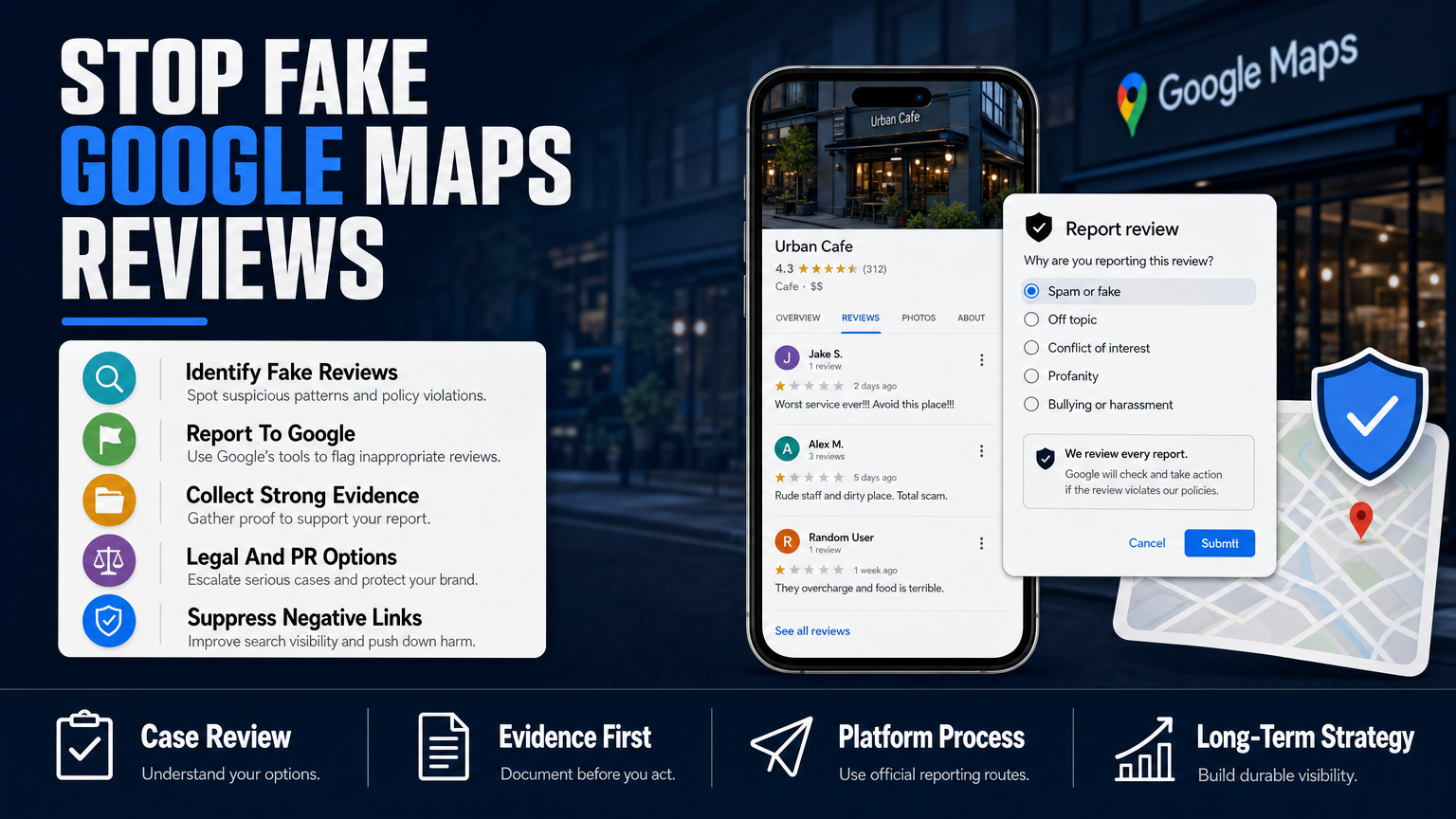
The most insidious threats today are not disgruntled individuals, but coordinated bot-driven campaigns. Attackers utilize AI to generate hundreds of hyper-realistic reviews that mimic human linguistic patterns, effectively bypassing the basic spam filters of major platforms.
When a surge of negative, AI-generated reviews hits a practice, the platform’s algorithm instantly reclassifies the clinic as low-trust or high-risk.
The death of local visibility occurs when an algorithm flags a profile, removing the surgeon from the consideration set of potential high-intent patients.
Attackers have developed automated harassment systems that report legitimate positive reviews, keeping the practice in a state of permanent defensive struggle.
Beyond the Screen: Legal and Financial Repercussions
While the attack takes place in the digital realm, its consequences are felt in the physical practice. The cumulative weight of these campaigns can be devastating.
Professional Stigmatization: When a surgeon’s digital footprint is dominated by controversy, it invites unnecessary scrutiny from regulatory boards and medical insurance carriers.
Increased CAC (Customer Acquisition Costs): Practices forced into a defensive posture must spend significantly more on crisis management to drown out the noise of the attack.
The Erosion of Clinical Authority: Constant digital friction chips away at trust, making even the most skilled surgeon appear questionable to prospective patients.
Strategic Framework: How to Defend Your Professional Brand
The “wait-and-see” approach is obsolete in 2026. Successful surgeons are adopting proactive, aggressive defense strategies to safeguard their reputations.
The Proactive Defensive Architecture
Algorithmic Literacy: Surgeons must view their digital profile as an asset that requires continuous optimization.
Documenting the Reality: Given the subjectivity of patient satisfaction, rigorous maintenance of detailed, pre-and-post-operative documentation acts as the only viable shield against defamation.
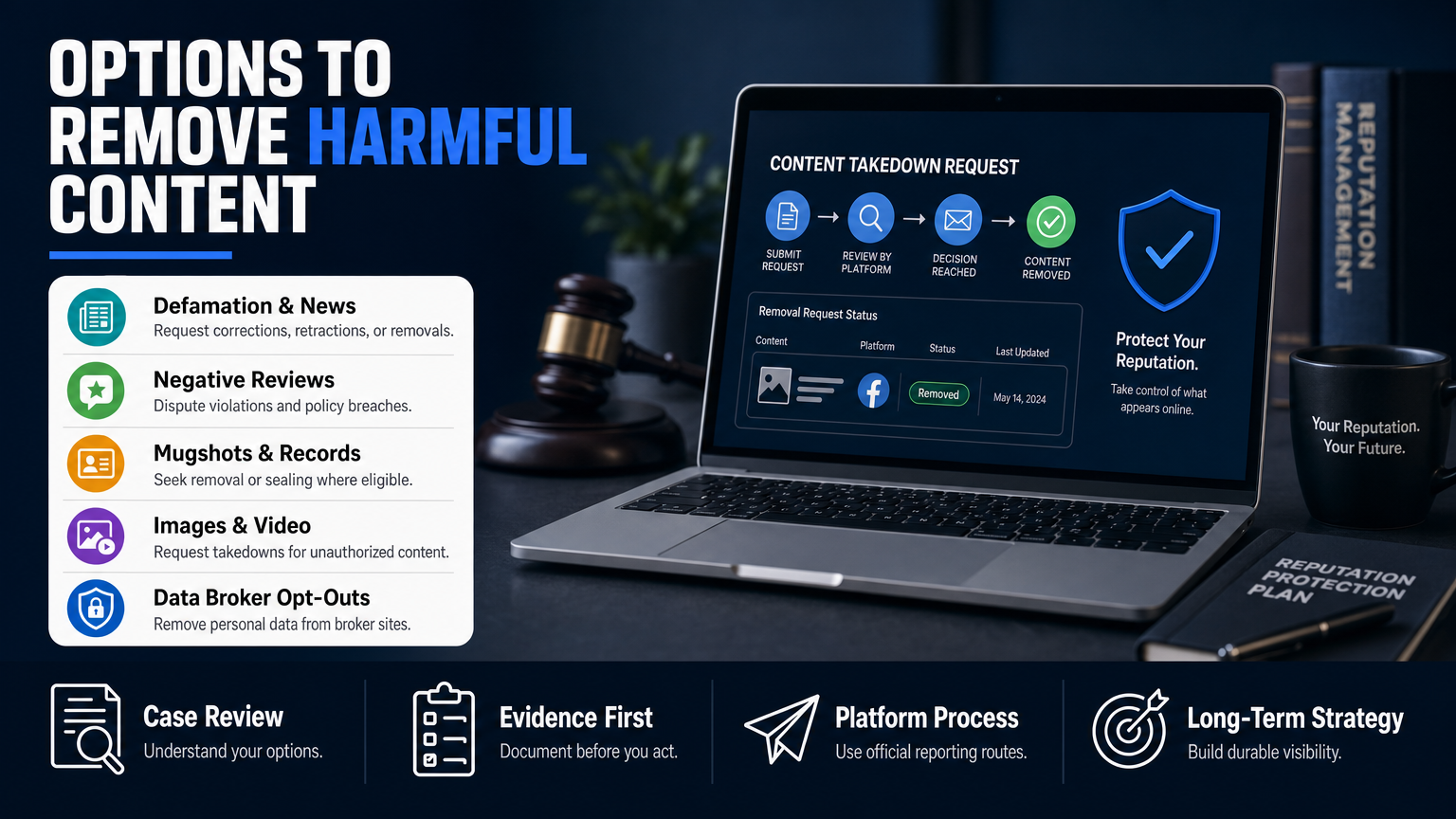
Strategic Silence vs. Engagement: The most common mistake is entering into a public debate; the strategy for 2026 is to report the content through official platform channels and ignore public baiting.
Common Pitfalls: Where Surgeons Go Wrong
Even highly reputable professionals can accelerate their own reputation damage by failing to adapt to the new digital climate.
The Emotional Trap: Replying with anger or personal defense validates the attacker’s narrative.
The “Buying” Fallacy: Attempting to counter-attack by purchasing positive reviews is a disastrous strategy that leads to permanent profile suppression.
Ignoring the Signals: A sudden drop in local ranking is rarely a fluke; ignoring early warning signs allows damage to compound.

Expert Recommendations for 2026
To thrive in this environment, industry experts recommend a transition toward a “Reputation-First” model of practice management.
Sentiment Monitoring: Deploy AI-driven social listening tools capable of flagging a “coordinated attack” within hours.
Content Shielding: Flood the first page of Google with high-value content, including peer-reviewed insights, to create an “authority moat.”
Digital Consent Protocols: Use standardized, digitally-signed consent forms to delineate risks, significantly reducing the “I didn’t know” narrative often used in smear campaigns.
FAQ: Navigating Digital Reputation Risks
Why are plastic surgeons specific targets?
Plastic surgeons are targeted because aesthetic results are highly subjective and competitive markets incentivize reputation sabotage to improve search rankings.
How do I identify an AI-driven attack?
Signs include a sudden influx of negative reviews that share stylistic choices, occur in a compressed timeframe, or originate from accounts with no prior history.
Should I respond to a review that I know is fake?
Publicly engaging is discouraged; instead, document the evidence and utilize the platform’s official reporting tools.
Can I sue someone for an online attack?
Litigation is possible but expensive and slow, which is why most experts prioritize SEO reputation repair instead.
What is the best long-term defense?
Building a digital footprint so robust and transparent that a few coordinated attacks cannot diminish your credibility.
In summary, the digital landscape of 2026 demands that plastic surgeons view their reputation not as a static outcome, but as a dynamic asset that requires consistent, strategic protection. By understanding the mechanisms behind AI-driven disinformation and the competitive nature of modern aesthetic markets, practitioners can proactively build a “reputation moat” that safeguards their clinical authority against coordinated smear campaigns.
Ultimately, silence in the face of digital volatility is no longer a viable strategy for long-term growth. Investing in authoritative content, meticulous sentiment monitoring, and professional crisis management ensures that your practice remains resilient, allowing you to focus on what matters most: providing exceptional patient care while maintaining the trust you have worked years to build.
Are you ready to fortify your professional legacy and defend your clinic from digital sabotage? Take control of your online presence and secure your future by scheduling a confidential reputation audit with our team of experts today.