What are data brokers?
What are data brokers? They are companies that collect information from public records, commercial sources, apps, websites, and partners, then combine it into profiles used for marketing, identity verification, risk analysis, or people-search services.
Seven facts consumers should know
- Brokers may collect data without a direct relationship with you.
- Profiles can include contact details, relatives, purchases, and inferred interests.
- Information can be outdated, incomplete, or linked to the wrong person.
- Different brokers obtain data from different source networks.
- Opt-out rights and response deadlines vary by law and company.
- Deleted profiles may return when new source data arrives.
- Effective privacy management requires records and recurring checks.
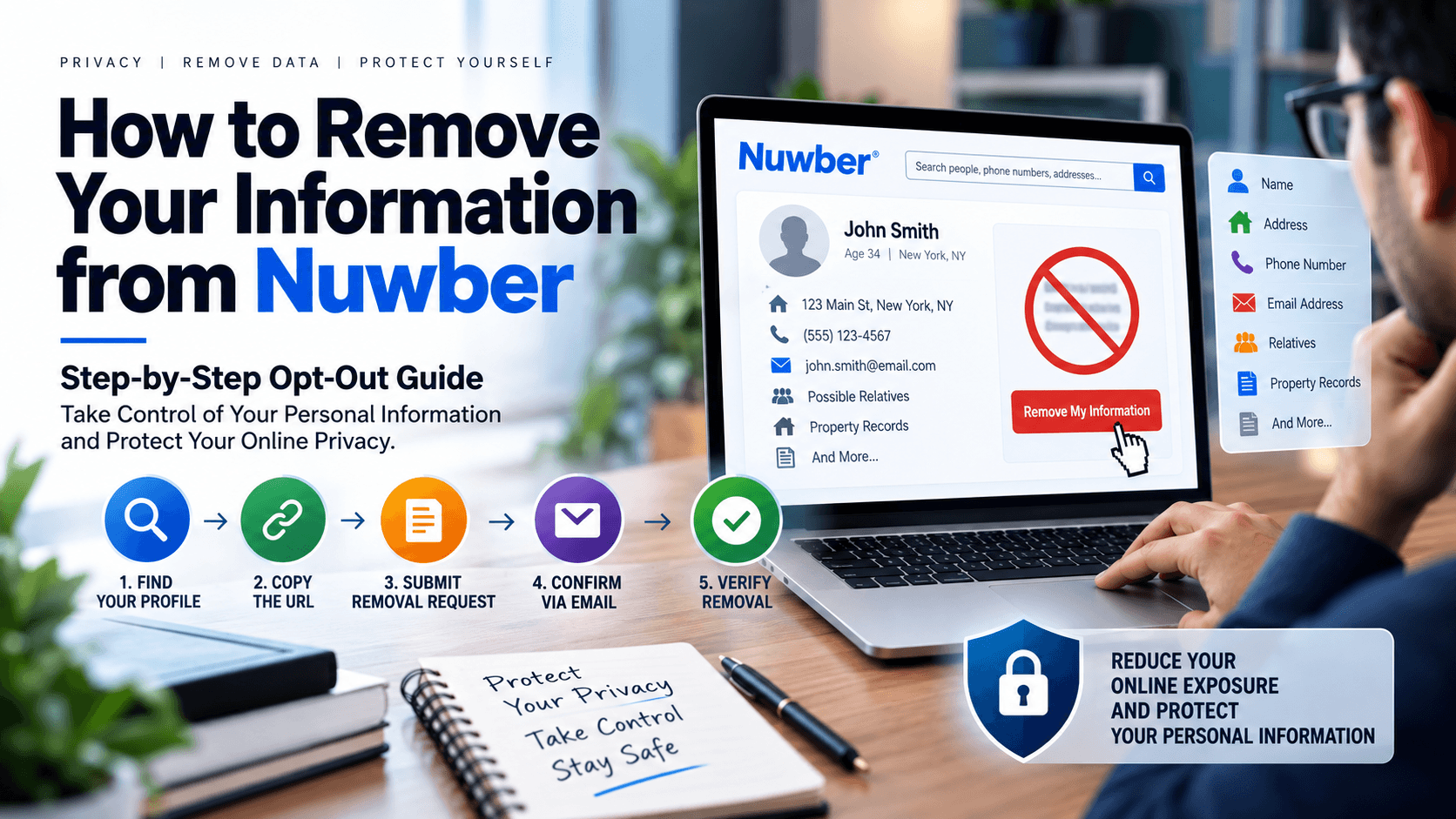
Start by identifying the exact profile URL, following the broker’s official opt-out process, and keeping confirmation emails. The FTC provides background on data brokers and privacy.
Every time you browse a website, sign up for a service, or even just make a purchase, your personal information is being collected. But where does it all go?
The answer: data brokers. These companies specialize in buying, selling, and aggregating personal data, often without your knowledge.
Understanding data brokers is key to protecting your privacy and safeguarding your online reputation.
What Are Data Brokers?
Data brokers are companies that collect personal information from a variety of sources—both public and private—and then sell it to other companies or individuals.
They often gather:
- Names, addresses, phone numbers, and emails
- Social media activity and online browsing habits
- Purchase history and subscription data
- Employment history, income estimates, and property ownership
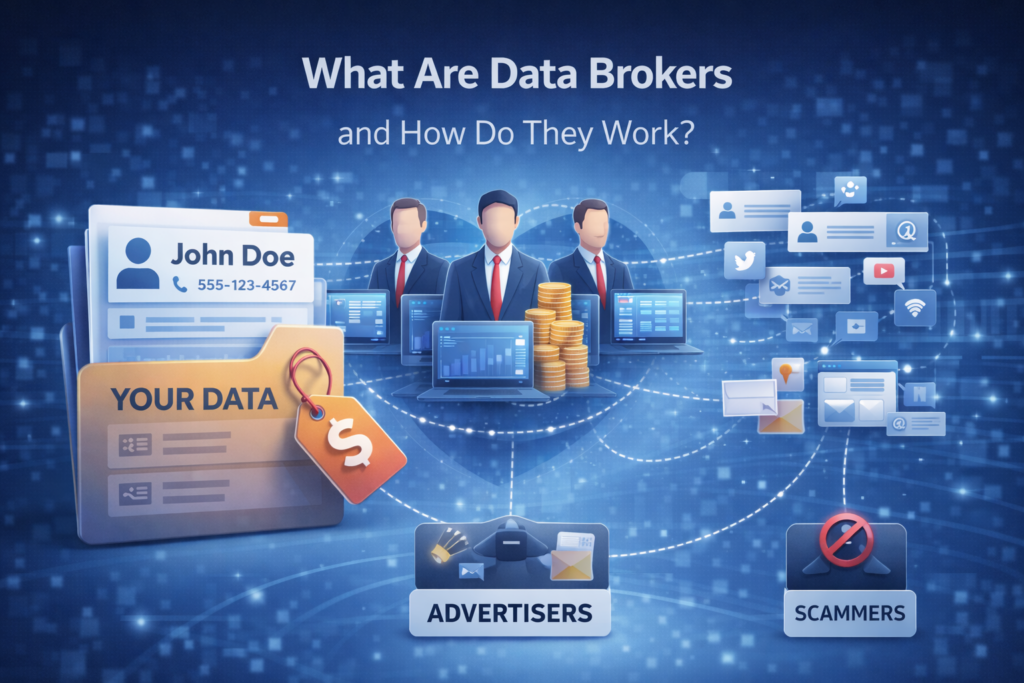
Once collected, this data is packaged, sold, and resold to marketers, advertisers, and even scammers.
How Data Brokers Operate
- Collecting Data – Data brokers pull information from public records, social media, e-commerce websites, surveys, and more.
- Aggregating Data – They organize this data into detailed profiles for individuals.
- Selling Data – Companies purchase these profiles for marketing, lead generation, or risk assessment.
- Reselling Data – Profiles may be sold multiple times across different industries.
Your personal information is a commodity, and data brokers are the middlemen profiting from it.
Why This Matters to You
- Privacy Risk – Your information can be exposed to unwanted parties.
- Identity Theft – Hackers and scammers can access leaked or sold data.
- Reputation Risk – Old or inaccurate data can appear online, damaging your reputation.
- Spam and Marketing – You may receive unsolicited calls, emails, and ads targeting your habits and preferences.
Simply put, data brokers control a lot of your personal information, often without your consent.
How to Protect Yourself
- Regularly opt out of major data broker sites (Spokeo, Whitepages, BeenVerified, etc.)
- Remove sensitive information from public social media and online accounts
- Use privacy tools like VPNs, ad blockers, and anti-tracking software
- Consider professional services for comprehensive data removal and ongoing monitoring
Why Professional Help Is Better Than DIY
Manual removal is time-consuming and often incomplete:
- Dozens of data brokers exist, many with complex opt-out processes
- Removed information can reappear quickly without monitoring
- Some brokers ignore DIY removal requests
Professional negative content removal services ensure your personal data is removed permanently and monitored for future exposure.
Take Control of Your Data Now
If your personal information is being tracked, sold, or displayed online, manual efforts alone may not be enough.
Professional services provide complete removal and ongoing protection, giving you peace of mind and control over your online reputation.
Learn more about negative content removal and how to protect your online reputation
Final Thoughts
Data brokers operate quietly, but their impact on your privacy, safety, and reputation is significant.Understanding how they work—and taking action to remove your information—is the key to regaining control of your online life.