Why Doctors Fear Viral Complaints More Than Bad Reviews
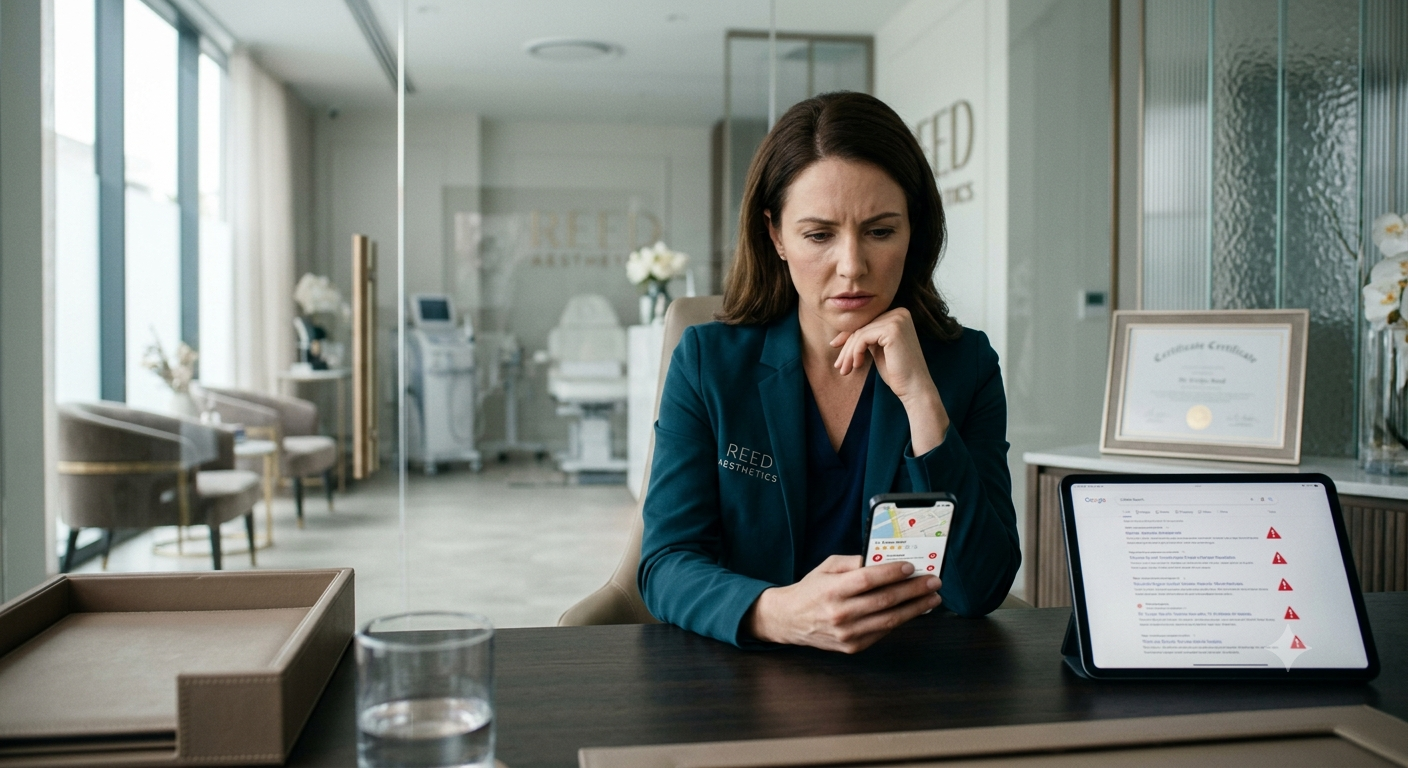
In the modern medical landscape, a doctor’s professional standing is no longer defined solely by their clinical expertise or bedside manner, but by their Medical Defamation Defense. While a standard bad review is often seen as a localized nuisance, a viral complaint possesses the catastrophic potential to reach thousands of potential patients, colleagues, and hospital administrators in a matter of minutes. Doctors fear these viral moments because they bypass traditional feedback channels, creating a public spectacle that can permanently erode the trust necessary for a functional physician-patient relationship. Effectively managing your Medical Defamation Defense has become the primary shield against the unpredictable nature of viral misinformation.

The Mechanics of Medical Virality
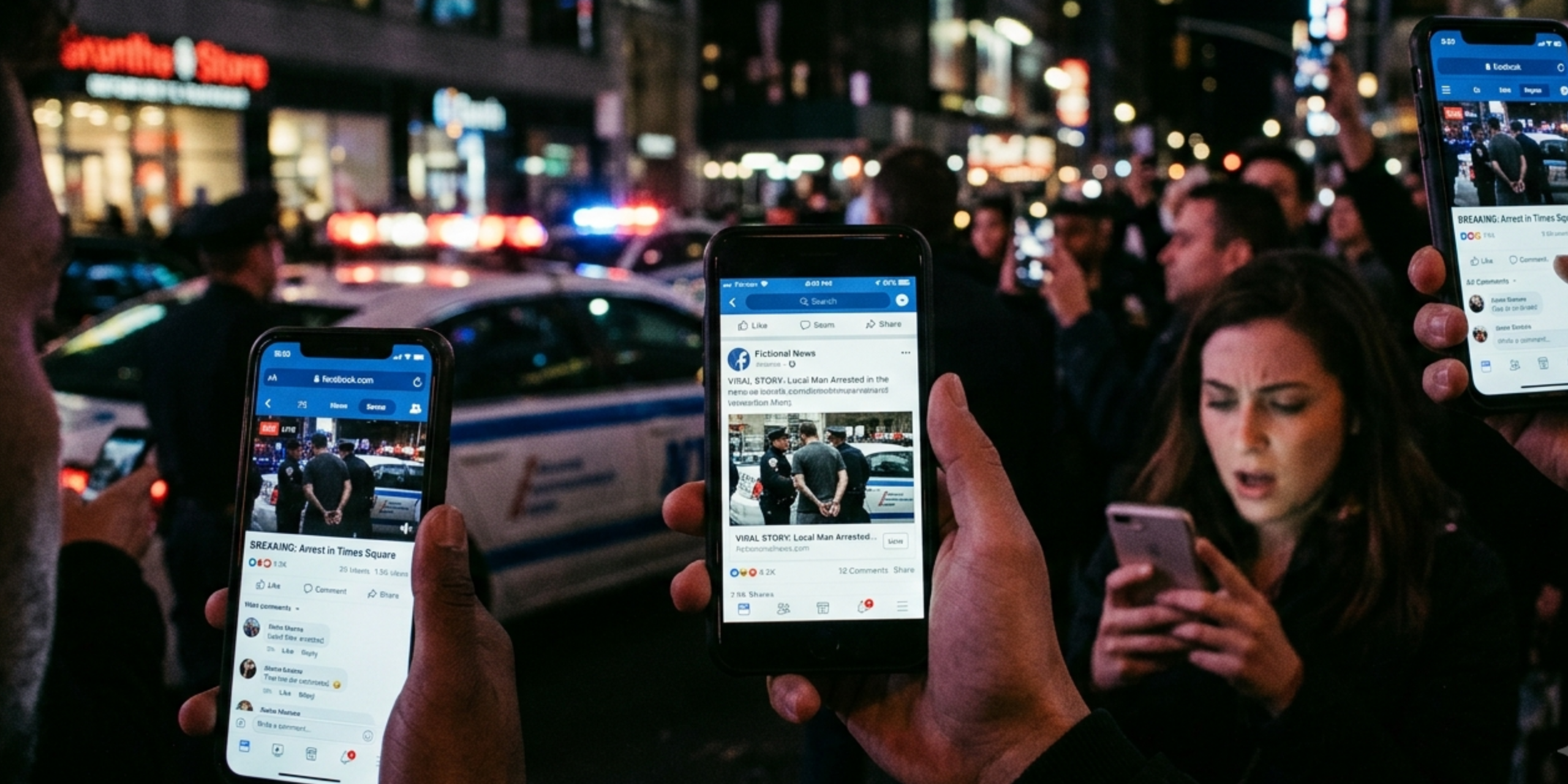
The fear of viral complaints is rooted in the unique way medical experiences are shared on social media platforms. Unlike a standard review, a viral complaint is designed for engagement, often focusing on emotional storytelling that triggers immediate empathy from a large, unverified audience. This high-velocity sharing ensures that a doctor’s Medical Defamation Defense can be put to the test before they have even been made aware that a complaint exists. The platform algorithms prioritize these stories because they generate massive amounts of interaction, effectively pinning the negativity to the top of the feed for weeks.
Because medical encounters are private, the doctor is often restricted by patient confidentiality laws, which creates a massive, insurmountable disadvantage during a viral crisis. The public expects a response, yet the physician is legally bound to silence, allowing the viral complaint to serve as the only side of the story that is ever told. This creates a vacuum of information that is quickly filled by rumors, speculation, and the collective anger of the online mob. If your Medical Defamation Defense is not already anchored in overwhelming positive sentiment, this imbalance can be fatal to your clinical practice.
The viral nature of these complaints also means that the content is often cross-posted to news sites, forums, and community groups, effectively mirroring the attack across the entire internet. What began as a single tweet or post becomes an inescapable reality that follows the doctor through every search query. A proactive strategy is essential, as the viral genie cannot be put back in the bottle once it has escaped. Clinics must understand that the speed of the internet is inherently antagonistic to the slow, methodical nature of medical due process.
Protecting your Medical Defamation Defense from such virality requires moving beyond reactive PR and into the realm of technical suppression. When a complaint goes viral, you are no longer just dealing with a disgruntled patient; you are dealing with a search engine crisis that requires high-level mitigation. Clinics that lack the tools to address these viral surges are essentially sitting ducks, waiting for the next social media trend to decide their professional fate. Investing in protective monitoring is the only way to intercept these issues before they achieve full virality.
Ultimately, doctors must realize that their Medical Defamation Defense is a public asset that is being monitored by their peers and employers alike. A viral complaint is not just a personal matter; it is a professional liability that can lead to credentialing issues, insurance complications, and a drastic loss in new patient volume. By recognizing the mechanics of virality, doctors can better prepare themselves to defend their names, ensuring that one bad experience does not dictate the trajectory of a lifelong medical career.
The Asymmetry of Patient Confidentiality
The most frustrating aspect of managing a doctor’s Medical Defamation Defense is the profound asymmetry created by HIPAA and similar privacy laws. While a patient is free to broadcast their version of a medical encounter—however inaccurate it may be—the physician is legally prohibited from sharing their perspective on the case. This means that a doctor cannot simply “set the record straight” without risking their license or facing severe legal repercussions. Viral complaints thrive on this silence, interpreting it as an admission of guilt or a sign of arrogance, further fueling the fire.
This forced silence is why many doctors feel defenseless when a viral attack occurs, as they are essentially being punched while their hands are tied behind their back. If your Medical Defamation Defense is not proactively managed through the use of high-authority, positive content, you have nothing to balance the scales. The viral complaint will naturally dominate the narrative because it is the only information being discussed, and the silence from the doctor is viewed by the public as indifference. This is the exact moment where your clinical brand either holds steady or collapses.
Without the ability to counter with clinical facts, doctors must rely on professional services to perform the necessary digital cleanup. Using resources like a professional Google Review Removal Service can help manage the noise, but the real challenge is navigating the social media platforms where the viral story lives. You need to leverage specialized strategies, such as Facebook Content Remove services, to ensure that defamatory content is addressed appropriately. You must navigate the legal and policy frameworks of these platforms with the precision of a surgeon.
The public, unfortunately, does not understand the constraints of medical confidentiality, and they do not care about the legalities of the situation. They only respond to the emotional weight of the complaint, which is why a doctor’s Medical Defamation Defense is so fragile. If you do not have a team that understands how to manage these specific constraints, you will find yourself overwhelmed by a public opinion that is entirely divorced from clinical reality. The goal is to minimize the visibility of the smear without violating privacy or engaging in a public argument that only invites more scrutiny.
Doctors must shift their strategy from “explaining” to “suppressing” when a viral complaint breaks the bounds of privacy. By focusing on your overall Medical Defamation Defense, you ensure that the negative story is surrounded by positive, verified information about your care. This is the only way to maintain a high-value presence online while respecting the legal and ethical boundaries of your profession. Silence should not mean vulnerability; silence should be a strategic choice supported by an robust, invisible wall of positive digital assets.
The Impact on Professional Credentialing
For a physician, a viral complaint can cause ripple effects that extend far beyond the clinic, potentially impacting hospital privileges and board certifications. Administrators and insurance panels are increasingly monitoring the Medical Defamation Defense of the doctors they credential, treating online viral events as a signal of potential risk. If your name is linked to a viral smear campaign, you may find yourself facing unnecessary audits or difficult conversations with your employer. The digital footprint you leave is now a standard part of your professional background check.
The fear is not just about losing patients; it is about losing the professional freedom and stability that comes with a clean record. When an administrator sees a viral complaint during an annual review, they are not looking at the clinical facts; they are looking at the potential for future headaches. This creates a situation where your Medical Defamation Defense determines your employability, regardless of how many years you have spent honing your craft. It is a harsh reality that underscores the necessity of maintaining a pristine digital profile at all times.
To mitigate this risk, doctors must take steps to Remove Negative Reviews and other damaging content that could be flagged by automated monitoring systems. When a viral complaint persists, it is a constant, flashing red light for anyone reviewing your professional credentials. By keeping your search results clean, you ensure that your professional life remains focused on medicine rather than on managing the fallout from a single online encounter. This is a level of professional hygiene that every modern doctor must prioritize.
A viral complaint is a visible, public, and permanent mark that can be used against you by anyone looking to discredit your work. If your Medical Defamation Defense is not managed, you are effectively leaving your credentials exposed to public scrutiny. You have worked too hard to allow an anonymous, viral smear to threaten your board standing or your ability to practice at top-tier facilities. Proactive reputation management is the only way to safeguard the professional path you have spent your entire adult life building.
Doctors need to realize that in the eyes of their peers, a negative viral presence is viewed as a failure of leadership and management. Your Medical Defamation Defense is a reflection of how you oversee your clinic, your staff, and your communications with patients. By ensuring that your online footprint is professional and positive, you demonstrate that you are in full control of your practice. This is the image that hospitals and insurance providers want to see, protecting you from the damaging effects of viral negativity.
The Long Tail of Search Results
The truly terrifying aspect of a viral complaint is the “long tail”—the way it stays at the top of search results long after the actual event has been forgotten. A viral story might be the talk of the town for three days, but it can live on Google for three years. This means that every single person who searches your name in the future will be greeted by the negative viral content before they see your CV, your publications, or your clinic’s website. Your Medical Defamation Defense becomes a permanent hostage to a temporary moment of viral anger.
This is why doctors must understand that “letting it blow over” is not a strategy; it is a recipe for long-term failure. The search engines are automated systems that do not differentiate between a fair complaint and a malicious, viral smear. They see high engagement, they see your name, and they rank the content higher, reinforcing the negative narrative with every passing day. If you don’t take action to push that content down, you are essentially allowing it to permanently define your professional legacy to every future potential patient.
You must utilize advanced recovery techniques to reclaim the first page of Google, which is where 90% of your professional credibility resides. Remove Negative Videos and other highly visible media types are critical in this effort, as they are often the most prominent results of a viral complaint. By controlling the search results, you ensure that your actual accomplishments—your successes, your patient care, and your professional integrity—are the primary things a searcher encounters. This is the only way to ensure your future remains bright.
Ignoring the long tail of viral content is a decision to let the past dictate your future earnings and opportunities. Every patient that chooses not to call because they saw an old, viral complaint is a lost patient you can never win back. Protecting your Medical Defamation Defense means being as vigilant about your digital presence as you are about the cleanliness of your surgical instruments. It is a necessary investment in the longevity of your practice and the safety of your reputation.
When you see a viral complaint, you must treat it with the same urgency as a medical emergency. You need to identify it, isolate it, and apply the appropriate treatment to keep it from spreading. A professional reputation management team provides the surgical precision required to remove the viral tumor before it creates a systemic issue for your career. This is not about censorship; it is about ensuring that the digital record of your work is fair, accurate, and professional.
The Emotional Toll on the Physician
The emotional strain of dealing with a viral complaint is often the hidden cost that few people discuss. A doctor who is the target of a viral attack may experience high levels of stress, anxiety, and even burnout as they grapple with the sudden loss of their professional privacy. Their Medical Defamation Defense feels like an extension of their personal identity, and when it is smeared, it feels like a personal attack that they cannot escape. This emotional weight can lead to a degradation in quality of care, which only creates more opportunities for further complaints.
Physicians are not trained to deal with the ruthless nature of the internet, where facts are secondary to feelings and viral engagement. The fear of another viral moment can cause doctors to become overly defensive, changing the way they interact with patients out of anxiety. This creates a clinical environment that is less welcoming and less human. By securing your Medical Defamation Defense, you are not just protecting your business; you are protecting your peace of mind and your ability to focus on what you do best.
Doctors deserve to work without the constant shadow of a potential viral smear campaign looming over them. When you know that you have an expert team protecting your Medical Defamation Defense, you can return to the work of healing without the fear of the next social media post. This is a form of professional support that is just as important as your malpractice insurance. It provides the security you need to practice with confidence and empathy, knowing that your name is being defended.
The negative impact of viral complaints on a doctor’s mental health is well-documented, yet the solution—professional protection—is still underutilized. If you don’t have a plan in place, the uncertainty of what might happen next is almost as damaging as the viral event itself. Having a proactive Medical Defamation Defense provides the structural support you need to stay resilient in a digital world. You are in control of your destiny, and that control starts with the digital presence that you cultivate.
It is important for doctors to realize that they are not alone in this fight and that a viral attack is not a reflection of their medical skill. Many of the most respected physicians have had to face these challenges in the digital age. By taking proactive steps to manage your Medical Defamation Defense, you show that you are a modern, tech-savvy doctor who understands the realities of the market. You are not a victim of the internet; you are an active participant who is ensuring their professional integrity remains beyond reproach.
The Ripple Effect on Clinic Staff
A viral complaint rarely just hits the doctor; it ripples through the entire clinic, affecting the morale of nurses, receptionists, and administrative staff. When the Medical Defamation Defense of the clinic is compromised, the staff feels the brunt of the fallout during every patient interaction. They are the ones who answer the phone to angry calls and deal with the skepticism of patients who have seen the viral content. This constant, unnecessary pressure can lead to high turnover and a drop in overall service quality.
A damaged Medical Defamation Defense also makes it extremely difficult to maintain a positive and motivated office environment. When your brand is under attack, your team feels that their hard work is being undermined, leading to a sense of defeatism. You need to keep the clinic’s digital image clean to preserve the pride that your staff takes in their work. This is a critical component of clinic management that is often overlooked until the damage has already been done.
You must demonstrate to your staff that you have a plan to handle these situations, providing them with the peace of mind they need to do their jobs. By managing your Medical Defamation Defense, you show your team that you are a leader who stands up for the clinic and the work you do together. This builds a sense of loyalty that is invaluable in a high-pressure medical environment. Your staff are your first line of defense, and they need to feel supported by a brand that is respected in the public eye.
Consider the cost of recruiting and training new staff because of a toxic work environment caused by an damaged Medical Defamation Defense. The loss of institutional knowledge and the disruption of patient care are massive costs that are directly linked to your digital footprint. By taking care of your reputation, you are investing in the stability and retention of your entire team. This is a strategic move that pays dividends in both staff satisfaction and patient outcomes.
A strong, positive Medical Defamation Defense creates a professional atmosphere that attracts high-caliber candidates and retains the best talent. When your staff knows that the clinic’s digital image is being professionally managed, they can focus on delivering excellent care without worry. This is how you build a world-class aesthetic or medical practice: by ensuring that every member of the team feels proud to be part of a brand that is held in high regard by the public.
Algorithmic Bias and Engagement
The internet is inherently biased toward viral negativity, as the algorithms that power search engines, social media, and review sites are programmed to maximize clicks. A viral complaint about a doctor is like gold to these algorithms, which will push the content to the top of your results and keep it there as long as it gets clicks. This is why a simple bad review can evolve into a full-blown Medical Defamation Defense crisis—it is the algorithm’s way of feeding the desire for controversy. Understanding this is key to building a counter-strategy.
To fight back, you must understand how to influence the same systems that are harming you. You need to create more engagement on positive content than the negative story is generating. This is a technical process of content distribution and optimization that is vital to protecting your Medical Defamation Defense. As Harvard Business Review has noted, an effective strategy is required to control the narrative in an age where negative sentiment can spread in seconds. You are essentially entering a competition for visibility with the viral post, and you need professional help to win.
If you don’t fight fire with fire, you are essentially letting the algorithm decide the value of your career. A professional team knows how to optimize your content so that it outranks the negative viral stories, shifting the balance of power in your favor. This is not about manipulating the truth; it is about ensuring that the truth—that you are an excellent, safe, and professional doctor—is the first thing patients see. Your Medical Defamation Defense deserves to be backed by technical expertise that knows how to manipulate the search landscape effectively.
The fear of these algorithms is what keeps many doctors awake at night, but it shouldn’t have to. When you have a professional defense in place, you can influence the digital environment to favor your clinical achievements and patient success stories. This is the only way to ensure that your practice remains robust in the digital age. Don’t be a victim of the algorithm; be the one who understands it and uses it to bolster your professional standing.
Remember that the algorithm is just a machine, and it can be learned and leveraged. By consistently populating the web with high-quality, positive content, you build a fortress around your Medical Defamation Defense that protects it from the unpredictable nature of viral complaints. This is a long-term commitment that is essential to any medical professional who values their name and their future. With the right strategy, you can make the machine work for you, ensuring that your clinical work is the focus of your digital presence.
A doctor’s professional legacy is fragile in the digital age, where a single viral moment can threaten years of dedicated service. When your Medical Defamation Defense is compromised by viral complaints, the future of your career and the stability of your practice are put at risk. By taking a proactive approach to monitoring, suppressing malicious content, and implementing an expert-led content management strategy, you ensure that your clinical expertise remains the defining narrative for every patient searching for your services online. Protecting your name is not just a marketing effort; it is a professional responsibility to yourself, your staff, and the patients who rely on your care.
Take Control of Your Narrative Today
Don’t let malicious smear campaigns or viral complaints dictate the success of your practice or threaten your professional standing. If you are ready to secure your brand’s future and establish a robust Medical Defamation Defense, we are here to help you clean up your digital footprint and regain control of your online presence.