What Online Defamation Really Means (And What It Doesn’t)
In an age when a tweet can end a career and a Facebook post can shape public opinion overnight, understanding what online defamation really means has become essential for anyone living in the United States.
From Los Angeles entrepreneurs to New York politicians, the internet has blurred the line between free speech and false accusation.
And while freedom of expression is one of the cornerstones of American democracy, it’s also one of the most misused shields for spreading misinformation.
The urgency of this topic isn’t just legal—it’s human. In cities like Dallas or Chicago, small businesses have lost contracts because of defamatory blog posts, and healthcare professionals have seen their practices collapse due to fake online reviews.
The question isn’t only what online defamation really means, but how it directly impacts your livelihood, your credibility, and your future in a digital society where information, true or false, never disappears.
Understanding the Problem: What Online Defamation Is (and Isn’t)
So, what qualifies as online defamation? Legally speaking, it’s a false statement presented as fact that causes harm to a person or entity’s reputation.
Unlike general insults or harsh opinions, defamation requires a clear untruth—and damage.
However, many Americans confuse defamation with criticism. Saying “a restaurant in Miami served me cold food” isn’t defamation—it’s opinion.
Claiming “that restaurant uses expired meat,” if untrue, could be. The distinction matters because U.S. law protects open discussion while penalizing falsehoods presented as fact.
What online defamation doesn’t mean is censorship. Reporting a post that violates defamation laws doesn’t infringe on free speech—it enforces accountability.
The challenge for professionals, especially in sectors like politics, medicine, and education, lies in proving intent and harm. In recent years, courts in California and Texas have ruled that proving malice—especially in public figures’ cases—is fundamental before any content can be legally removed.
Real Examples from Across the U.S.
In 2022, a Boston-based financial advisor sued an anonymous Reddit user who claimed he had misused client funds.
The accusation was false, but it spread rapidly, costing him several contracts. A Massachusetts judge ordered Reddit to disclose the user’s identity under a defamation claim.
The case highlighted how online defamation can begin with a single post but have massive financial consequences.
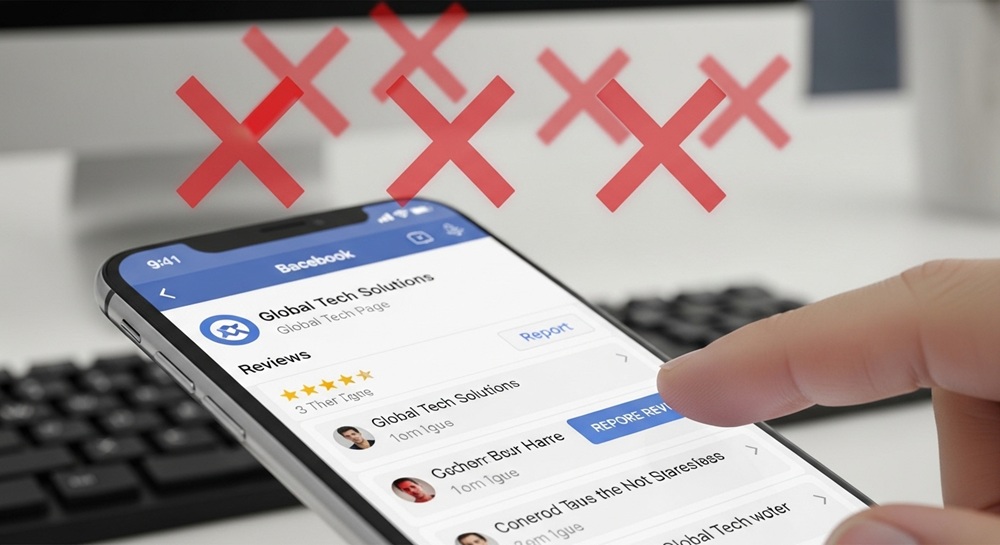
Similarly, a Las Vegas hotel chain faced fake Google reviews alleging criminal activity by its management. The damage to bookings was immediate.
While the reviews were removed after legal complaints, the company spent months rebuilding its public image through SEO and PR strategies.
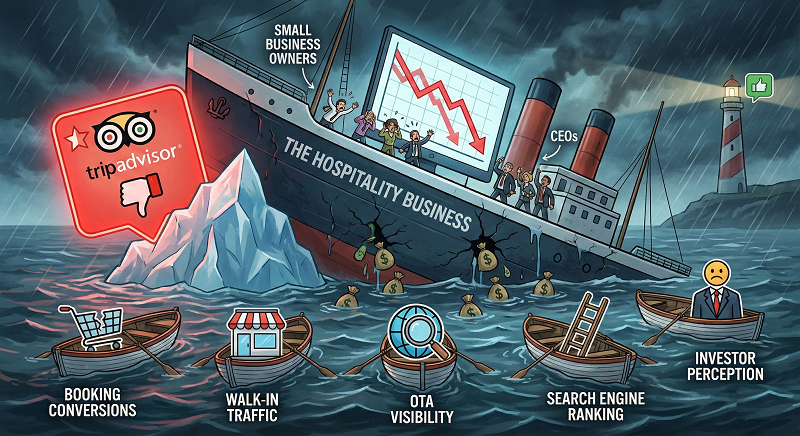
These stories illustrate the new frontier of reputation warfare in the digital U.S.—where perception travels faster than truth.
Businesses and individuals who don’t actively monitor their online presence often realize too late that they’ve become victims of defamation.
How to Protect Yourself from Online Defamation
Preventing and addressing online defamation starts with education.
The first step is to monitor your digital footprint—set up alerts for your name or brand, regularly check Google search results, and track reviews across platforms.
If you find false content, act quickly but strategically. Contact the platform directly with documentation proving the statement’s falsity.
Major platforms like Google, Yelp, and Facebook have specific procedures for handling defamation claims. However, when a post goes viral or appears on private blogs, professional help becomes essential.
A reputable online reputation agency can help you use SEO suppression, legal takedown notices, and strategic content creation to neutralize defamatory content.
At this stage, having experts who understand both the legal framework and search algorithms makes all the difference.
And remember: online defamation cases can escalate fast. Acting early not only increases your chances of removal—it also reduces long-term reputational damage and financial loss.
Frequently Asked Questions About Online Defamation
1. Is online defamation illegal in the United States?
Yes. Defamation—both libel (written) and slander (spoken)—is a civil offense. Online defamation cases are typically handled in state courts and can lead to financial compensation.
2. How can I prove that I was defamed online?
You must show the statement was false, publicly published, harmful to your reputation, and not protected as an opinion. Screenshots and timestamps are vital evidence.
3. Can I sue someone for posting fake reviews?
Yes, if the review contains false statements that cause measurable harm. Many U.S. businesses have successfully sued for libel over fabricated reviews.
4. What if the person who defamed me is anonymous?
Your legal team can request a court order to compel platforms to reveal the author’s identity if there’s enough evidence of defamation.
5. Can I remove defamatory content from Google?
Yes, through Google’s legal removal process or with the help of a reputation management agency that understands de-indexing and suppression tactics.
Economic and Cultural Implications of Defamation in the U.S.
In a culture where personal branding equals currency, online defamation has become a business risk. A single false statement can influence elections, cancel careers, or devalue companies overnight. Cities like San Francisco, home to the country’s biggest tech hubs, face growing ethical debates about platform responsibility. Should algorithms prioritize truth, or clicks?
Meanwhile, the rise of AI-generated misinformation adds new layers of complexity. False content no longer comes from humans alone, and proving authorship is harder than ever. For American professionals, digital literacy and proactive reputation management are now as essential as financial planning.
Looking Toward the Future: Building a Culture of Digital Responsibility
The future of online defamation law in the United States will likely evolve toward stronger privacy protections and clearer accountability for platforms. However, waiting for regulation isn’t enough. Individuals and businesses must take control of their digital narrative now.
Understanding what online defamation really means—and what it doesn’t—empowers people to defend truth, not suppress voices. The internet isn’t just a battlefield of opinions—it’s a mirror of integrity.
At Your Reputation Agency, we specialize in protecting professionals, brands, and public figures across the United States from defamatory content. Whether through legal removal, SEO suppression, or proactive content strategies, we restore the credibility your name deserves.
✨ Your reputation is your most valuable asset—protect it before it’s attacked.
👉 Visit yourreputation.agency for a confidential consultation today.
Follow us on social media:
Don’t forget to read our blog. Here is a link to our previous post: How to Remove a Blog Post That Damages Your Reputation