
Trustpilot fake reviews can quietly erode revenue, trust, and brand equity—especially for small business owners, SaaS founders, e-commerce operators, and digital marketing managers who depend on online credibility. A sudden one-star review with no identifiable customer record is more than frustrating; it’s a commercial risk.
The reality is simple: Trustpilot requires proof. Saying “this is fake” won’t cut it. If you want action taken against Trustpilot fake reviews, you must approach the dispute process strategically and with documentation.
Below are six practical, field-tested tactics that help businesses challenge false reviews effectively.
Understanding How Trustpilot Evaluates Fake Reviews
Before disputing Trustpilot fake reviews, it’s important to understand what the platform actually removes.
What Trustpilot Removes
Trustpilot will investigate and potentially remove:
- Reviews without a real transaction
- Promotional spam
- Competitor attacks
- Policy violations
They do not remove reviews simply because they are negative. That distinction matters. Many brand managers waste time arguing tone instead of focusing on verifiable breaches of Trustpilot guidelines.
Why Evidence Matters More Than Emotion
Trustpilot operates under consumer transparency policies. Their moderation team evaluates:
- Transaction confirmation
- User account behavior
- IP patterns
- Content violations
If your dispute lacks data, the review stays. The platform prioritizes documented facts over claims.
6 Tactics to Challenge Trustpilot Fake Reviews
1. Flag Immediately
Speed matters. The moment you identify potential Trustpilot fake reviews, flag them through your business dashboard.
Delays can weaken your case, especially if the reviewer becomes inactive or edits the content. Immediate action signals credibility and protects your response timeline.
Best Practice
Flag under the most accurate violation category. Misclassification slows investigation.
2. Request Proof of Purchase
If there is no transaction record, that’s your strongest leverage point.
Ask the reviewer (through Trustpilot’s system) to provide:
- Order number
- Invoice copy
- Account email
- Date of service
If they cannot verify a purchase, Trustpilot may remove the review.
Why This Works
Trustpilot fake reviews often collapse when proof is requested. Competitor posts and coordinated attacks rarely withstand verification requests.
3. Submit Transaction Logs
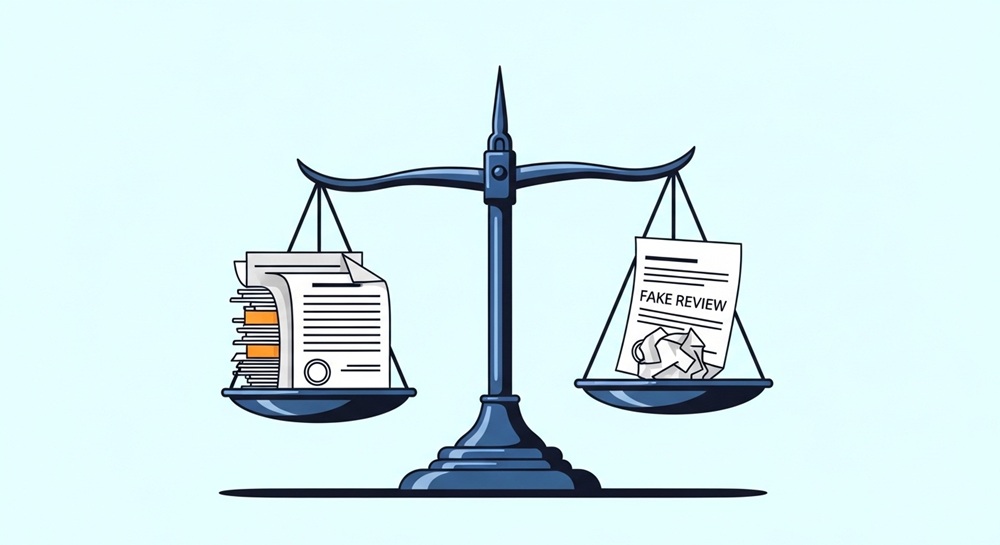
Don’t rely on verbal claims. Provide structured documentation:
- CRM exports
- Payment processor logs
- Booking records
- Subscription IDs
Trustpilot investigators respond to clean, timestamped evidence.
Pro Tip for SaaS & E-commerce Brands
Include screenshots showing customer lookup results. Visual confirmation strengthens your submission.
4. Document Inconsistencies
Many Trustpilot fake reviews contain factual errors.
Look for:
- Incorrect product names
- Wrong pricing details
- Nonexistent service claims
- Timeline contradictions
Highlight these inconsistencies clearly in your dispute submission.
Example:
If a review claims a refund was denied within 24 hours, but your refund policy states 7 business days, document it.
Precision wins cases.
5. Respond Publicly — But Carefully
Even while disputing Trustpilot fake reviews, respond professionally.
Avoid defensive language. Instead:
- Acknowledge concern
- State that no transaction record exists
- Invite direct contact
Public responses demonstrate transparency. Potential customers often read your reply more closely than the original complaint.
6. Track Coordinated Activity
Patterns matter. If multiple Trustpilot fake reviews appear within hours, especially using similar language, document the pattern.
Look for:
- Repeated phrasing
- Similar account creation dates
- Rating clusters
- Geographic anomalies
When evidence suggests coordinated behavior, Trustpilot takes investigation more seriously.
If you’re dealing with repeated fake reviews, professional dispute management can dramatically increase removal success. Many businesses partner with experienced reputation specialists through a structured review protection strategy to manage escalation effectively.
4 Ways to Protect Your Rating on Better Business Bureau
While Trustpilot fake reviews impact star ratings, the Better Business Bureau (BBB) works differently.
The BBB Focuses on Complaint Records
The BBB isn’t about star ratings — it’s about complaint history and responsiveness.
You cannot remove valid complaints. You can manage them strategically.
1. Respond Quickly
Speed affects your BBB grade. Delayed responses suggest negligence.
Even if resolution takes time, acknowledge receipt immediately.
2. Provide Documentation
Attach proof:
- Delivery confirmations
- Email threads
- Signed contracts
- Refund receipts
Transparency improves credibility.
3. Close Complaints Professionally
Maintain calm language. Even when a complaint feels unfair, professionalism influences your public business profile.
The BBB rewards responsiveness. Silence damages your grade.
4. Dispute Factually Incorrect Statements
If a complaint includes incorrect claims, submit formal documentation.
Be precise. Emotional rebuttals rarely succeed.
If fraudulent complaints are hurting your rating, structured dispute processes significantly improve outcomes.
Common Pain Points Businesses Face
Small business owners and startup founders often struggle with:
- Sudden rating drops
- Revenue decline after negative spikes
- Competitor sabotage
- Review extortion
- Resource drain from manual disputes
Digital marketing managers and ORM specialists understand the deeper issue: trust signals directly impact conversion rates.
Trustpilot fake reviews distort those signals.
FAQ: Trustpilot Fake Reviews
Can businesses remove Trustpilot fake reviews?
Businesses cannot delete reviews directly. However, they can flag reviews and submit evidence to request removal if policies are violated.
How long does Trustpilot take to review disputes?
Most investigations take several days, though complex cases involving multiple Trustpilot fake reviews may take longer.
What evidence increases removal success?
Transaction logs, proof of purchase absence, documented inconsistencies, and evidence of coordinated behavior.
Can competitors post fake reviews?
Yes. Competitor attacks are one of the most common forms of Trustpilot fake reviews, especially in competitive SaaS and local service markets.
Should I respond publicly to fake reviews?
Yes. A measured, professional response builds credibility while the dispute is under review.
Strategic Takeaway
Trustpilot fake reviews are not removed through frustration—they’re removed through structured evidence, policy alignment, and consistency.
For e-commerce founders, brand managers, and PR professionals, the solution isn’t panic. It’s documentation, timing, and disciplined execution.
Reputation is an asset. Protecting it requires process, not emotion.