Spotting Fake Profiles Before They Cause Damage
Spotting Fake Profiles has become a critical skill in the modern United States, where digital identities influence hiring decisions, political perceptions, patient trust in medical providers, and consumer behaviour across all industries.
In a country where nearly 64% of Americans have experienced or been targeted by online impersonation attempts (according to the Identity Theft Resource Center), the challenge is no longer whether fake accounts exist—it’s whether individuals and companies can detect them early enough. Spotting
Fake Profiles before they cause damage is essential in a climate where misinformation, AI-generated personas, and coordinated manipulation campaigns distort reality faster than institutions can correct it.
Spotting Fake Profiles and the Growing Threat Against U.S. Professionals
Spotting Fake Profiles matters because the consequences reach far beyond digital inconvenience.
Why do fake accounts harm U.S. professionals and institutions so aggressively? In sectors like healthcare, finance, and politics, a single fabricated account can redirect clients, manipulate voters, or push harmful narratives.
The FBI’s Internet Crime Report notes that impersonation schemes cost Americans over $1.3 billion in losses in 2023, much of it linked to fraudulent profiles mimicking real people or respected brands.
This illustrates why executives in Chicago, medical practices in Houston, or tech startups in San Jose increasingly rely on systems for spotting fake profiles before the damage escalates.
Because trust is the currency of American transactions, anything that threatens credibility threatens revenue itself.
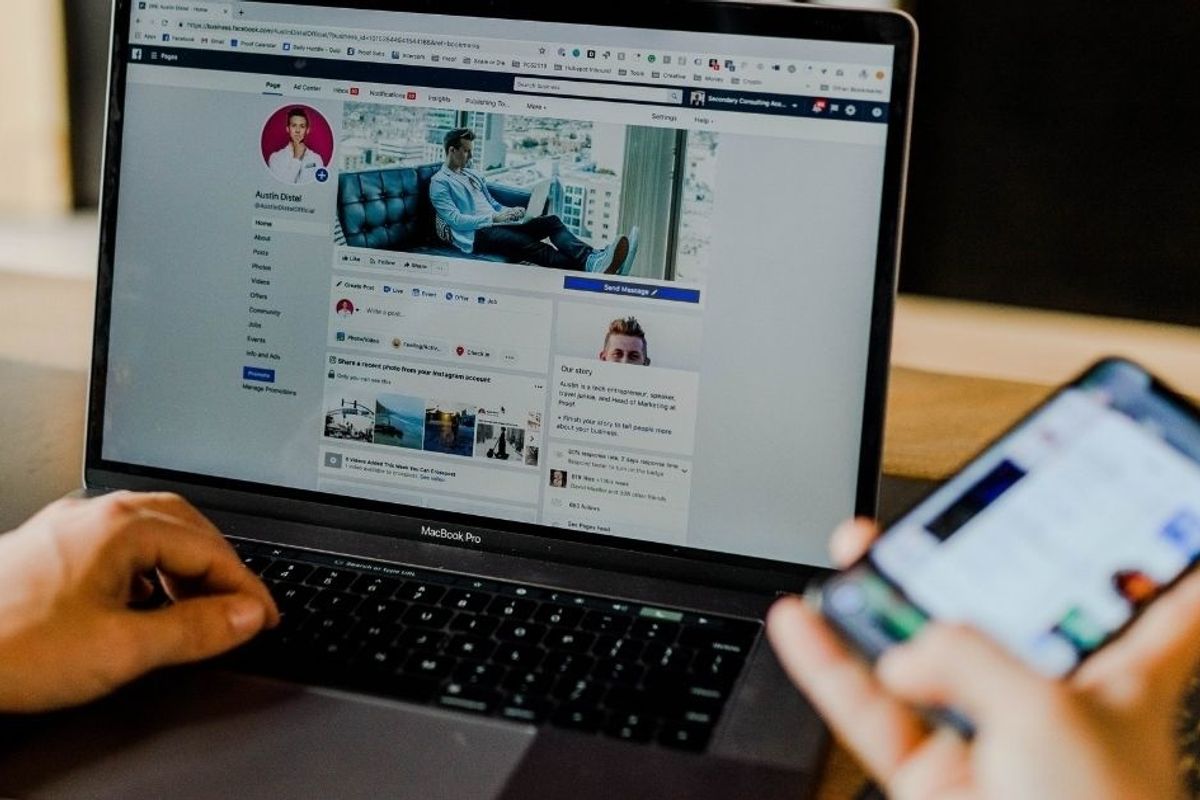
Spotting Fake Profiles Across U.S. Cities and Industries
Spotting Fake Profiles becomes even more important when considering how widespread impersonation has become across U.S. cities.
In Miami, hospitality businesses reported a surge of fraudulent Instagram accounts copying their promotions.
In Seattle, software engineers discovered LinkedIn profiles using their identities to solicit remote-job payments.
In Atlanta, several local politicians faced TikTok impersonators spreading altered videos to influence community sentiment.
These cases underline a consistent truth: fake accounts adapt to the environment they enter.
Whether targeting consumers, voters, patients, or business owners, impersonators take advantage of fast-moving digital communication to deceive before they can be detected.
Spotting Fake Profiles early offers the only meaningful line of defense.
Building Preventive Strategies
Spotting Fake Profiles requires attention, not panic. The goal is to identify suspicious elements without escalating situations publicly.
A measured, corporate approach often produces better outcomes. Behavioural inconsistency, mismatched photos, unusual posting patterns, and engagement from foreign IP locations often signal risk, yet the real power lies in documentation.
Screenshots, timestamps, and archived links support claims when reporting impersonation to Meta platforms, TikTok, or professional services that remove TikTok content.
Even more importantly, maintaining a strong digital presence through social media reputation management reduces the likelihood of being impersonated.
Verified profiles, consistent branding, and proactive publishing make it more difficult for fake accounts to appear credible.
Spotting Fake Profiles becomes easier when users recognise your authentic tone, imagery, and communication habits.
Strengthening your online ecosystem remains a strategic way to stay ahead of digital impersonators.

Frequently Asked Questions
1. Why is Spotting Fake Profiles so important for Americans today?
Because fake identities manipulate consumer behaviour, influence politics, and damage reputations, making Spotting Fake Profiles a necessary daily practice.
2. Which signs help with Spotting Fake Profiles quickly?
Inconsistent details, low activity, mismatched photos, and suspicious links often reveal why Spotting Fake Profiles early prevents harm.
3. Can businesses lose revenue if Spotting Fake Profiles is ignored?
Yes. Fake accounts can mislead customers, mimic promotions, or redirect payments, proving that Spotting Fake Profiles protects economic stability.
4. Does Spotting Fake Profiles help with legal claims?
Accurate documentation gathered while Spotting Fake Profiles strengthens evidence for impersonation, fraud, or defamation cases.
5. What tools support Spotting Fake Profiles long-term?
Monitoring services, verification tools, and reputation-management experts improve the process of Spotting Fake Profiles consistently.
Closing Reflection
The future of online safety in the United States depends on how well individuals and institutions adapt to a digital world built on both opportunity and risk.
Spotting Fake Profiles is no longer optional—it is a civic, economic, and professional necessity.
By identifying impersonation early, documenting it correctly, and responding strategically, Americans protect not only their identities but also the trust that keeps businesses and communities functioning.
The strongest defence is awareness supported by clear action, long before damage becomes irreversible.
If you need confidential support in Spotting Fake Profiles, removing impersonators, or restoring your online identity, Your Reputation Agency is prepared to intervene quickly and effectively.
Contact Your Reputation Agency today to Rebuild Your Search and restore the online credibility your work deserves.
Follow us on social media:
Don’t forget to read our blog. Here is a link to our previous post: Brand Online Crisis: 5 Powerful Steps When Someone Uses Your Identity