Step-by-Step: Reporting Defamation on Meta Platforms
In an age where opinions travel faster than facts, Reporting Defamation on Meta Platforms — which include Facebook and Instagram — has become an urgent necessity for professionals, entrepreneurs, and public figures across the United States, especially those already managing broader social media reputation management challenges.
Every day, false accusations, doctored screenshots, and defamatory posts circulate on these platforms, influencing public perception and, in many cases, causing measurable harm to businesses and individuals.
The Federal Trade Commission (FTC) has noted a 27% increase in consumer reports linked to misinformation and online defamation since 2022.
In major U.S. cities like New York, Los Angeles, and Miami, these digital attacks don’t just damage reputations — they also affect trust, client relations, and even political or financial stability.
Knowing how to navigate Meta’s systems for Reporting Defamation is now an essential skill for any American professional seeking to defend their integrity online.
The Growing Problem: Why Defamation Thrives on Meta Platforms?
Meta Platforms are built to encourage engagement — likes, comments, and shares drive visibility. Unfortunately, this same mechanism makes them fertile ground for defamation.
False statements spread rapidly because emotional, sensational content gets prioritized by algorithms. That means a single defamatory post can reach tens of thousands before any fact-check occurs.
Consider a small business owner in Houston whose restaurant was falsely accused of health violations in a viral Facebook post.
Despite the claim being entirely fabricated, the post received over 15,000 shares in two days, cutting weekly revenue by nearly half. Situations like this often require formal Facebook content removal to stop the spread and limit further damage. The local health department later confirmed there were no violations, but the damage was already done.
This type of case illustrates why Reporting Defamation quickly and correctly is crucial.
Defamation laws vary by state, but the general principle remains consistent: statements that are false, published publicly, and cause reputational harm qualify as defamation.
On Meta Platforms, these are often disguised as “opinions” or “reviews,” yet when presented as factual, they cross the line into unlawful territory.
How to Begin Reporting Defamation to Meta Platforms?
When it comes to Reporting Defamation, the process starts with evidence. Before submitting any report, users should take screenshots, copy URLs, and note timestamps of the defamatory content.
This documentation is critical if escalation becomes necessary.
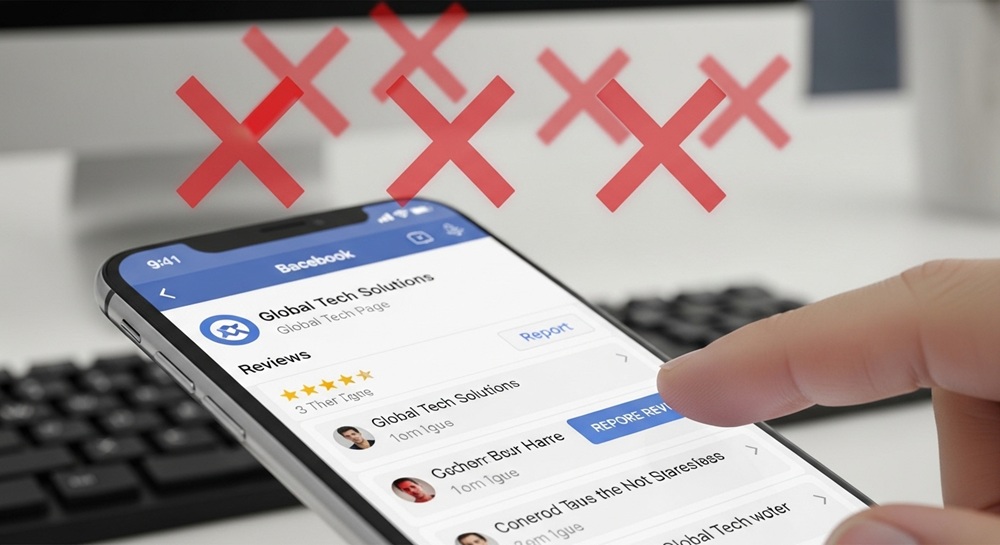
Next, navigate to the specific post or comment on Facebook or Instagram. Click the three dots in the corner, select “Report Post,” and choose “Defamation” or “False Information.”
Meta’s review teams will then evaluate whether the post violates their Community Standards, which explicitly prohibit false or misleading statements that could harm an individual or business.
If the post is not immediately removed, additional steps include:
Submitting a Legal Removal Request through Meta’s dedicated reporting form for defamation and false information.
Citing specific sections of the law relevant to your state.
Providing supporting documentation such as court orders, cease-and-desist letters, or media corrections.
Meta’s transparency reports show that more than 63% of content flagged under defamation or misinformation policies in the U.S. was reviewed within 48 hours, and approximately 41% resulted in partial or full removal.

Real Cases and Regional Context
In Chicago, a medical practice faced anonymous posts on Facebook falsely claiming it engaged in malpractice.
After Reporting Defamation with proper documentation — including medical licensing verification — Meta removed the content within three days.
In contrast, a Florida realtor’s experience shows why professional support matters. Despite multiple reports, defamatory posts remained online for weeks. O
nly after working with a digital reputation firm specializing in Meta takedowns did the content finally disappear. The difference? Legal precision and a clear demonstration of factual harm.
Across industries, these cases highlight a common truth: platforms act faster when Reporting Defamation requests are well-documented and backed by legal reasoning rather than emotional appeals.
Practical Guidance for U.S. Professionals
The key to success in Reporting Defamation lies in maintaining composure and evidence. Avoid public responses that could escalate the situation or feed algorithms with engagement. Instead, focus on private, structured communication with Meta’s support systems.
If a defamatory post affects business operations, you may also notify search engines like Google to request link removals under their Defamatory Content Policy.
Additionally, contacting legal counsel ensures your rights under state defamation laws — such as those in California, Texas, and New York — are fully leveraged.
For ongoing attacks, digital reputation management firms can help suppress harmful links through search engine optimization (SEO) techniques while pursuing official removals. This dual strategy — legal and digital — protects both your brand’s integrity and search visibility.
Frequently Asked Questions
1. How long does it take for Meta to remove defamatory content?
Typically, Meta reviews reports within 24–72 hours, though complex cases may require legal documentation to expedite action.
2. Can I report defamation anonymously?
Yes, but providing your identity and supporting evidence often increases the chances of successful removal.
3. What if Meta refuses to take down defamatory content?
You can escalate the issue through a formal legal notice or court order requiring removal under defamation laws.
4. Are screenshots enough evidence for Reporting Defamation?
Yes, but include URLs, timestamps, and usernames to strengthen your case.
5. Can businesses use third-party services to handle reports?
Absolutely. Reputation management firms and law offices specialize in Meta takedowns and legal coordination for complex defamation cases.
Looking Ahead: Accountability in the Digital Age
As social media becomes the new public square, Reporting Defamation will continue to play a pivotal role in protecting truth and transparency.
The challenge isn’t just deleting false content — it’s ensuring that public discourse remains ethical, verified, and lawful.
In the U.S., where free speech and accountability coexist uneasily, every report filed for Reporting Defamation contributes to redefining online responsibility. For entrepreneurs, politicians, and health professionals, this isn’t just a defensive act — it’s an investment in digital credibility.
At Your Reputation Agency, we assist individuals and organizations in Reporting Defamation, removing harmful content, and restoring trust through strategic, evidence-based reputation management.
If false information on Facebook or Instagram is harming your image, don’t wait.
Contact Your Reputation Agency today to begin Reporting Defamation effectively and reclaim control of your online narrative.
Follow us on social media:
Don’t forget to read our blog. Here is a link to our previous post: Can You Legally Delete Defamatory TikTok Videos?