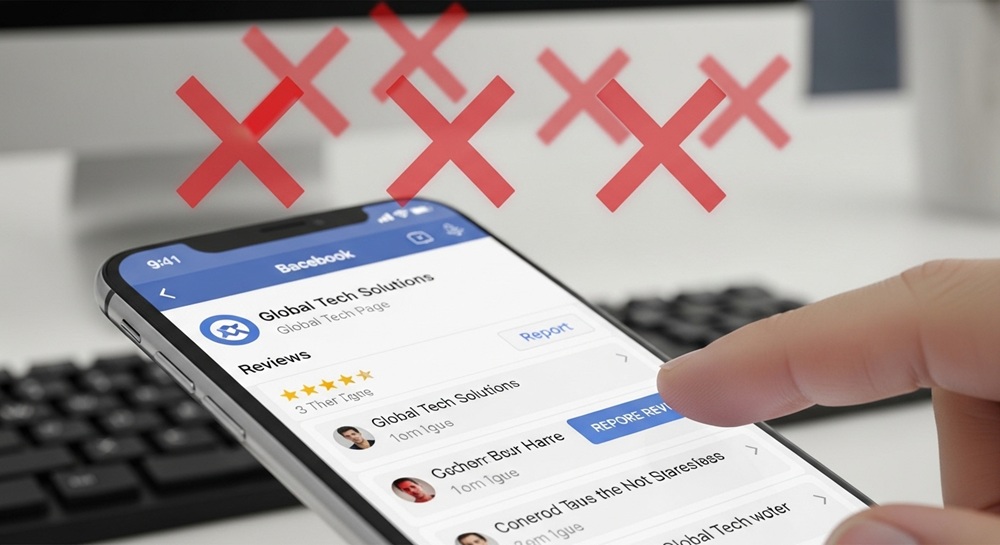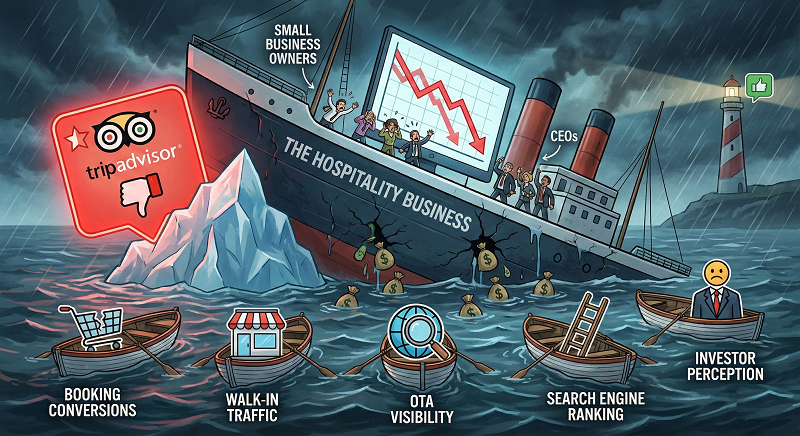
Step-by-Step: Requesting Google to Remove False Results
In a world where a single Google search can determine credibility, understanding how to Remove False Results is no longer optional—it’s a necessity.
Across the United States, from New York to Los Angeles, professionals and companies face the growing challenge of inaccurate or misleading information appearing online—often requiring formal Google content removal procedures to correct the record.
Whether it’s an outdated report, a fabricated review, or a defamatory blog post, false content on Google can cost businesses contracts, jobs, and public trust. So, that’s why personal reputation management is important.
The issue has become so widespread that even the Federal Trade Commission (FTC) has begun to monitor cases where misinformation directly affects consumer behavior.
In today’s digital economy, where 93% of online experiences start with a search engine, knowing how to request Google to Remove False Results can mean the difference between a lost opportunity and a restored reputation.
Why False Results Can Damage U.S. Professionals and Institutions?
When harmful or misleading links dominate search results, perception becomes reality. In the American marketplace, reputation is currency—and false content can devalue it overnight.
Consider a small business owner in Dallas, Texas, who discovered a misleading article accusing his company of tax evasion.
The story, though proven false, ranked second on Google for months, driving clients away and prompting costly legal consultations.
Similarly, a Chicago medical practice faced declining appointments after a competitor anonymously published fake patient complaints.
Both professionals turned to legal and SEO experts to Remove False Results and restore the truth.
These real-world examples illustrate how misinformation undermines not just individuals but entire communities of trust.
From Wall Street firms to Silicon Valley startups, the challenge is universal: the internet amplifies everything—true or false.

How Google Handles Requests to Remove False Results?
Google’s removal process focuses on compliance with its
Content Removal Policies. While the platform values free expression, it allows users to request deletions for specific reasons, including defamation, outdated personal information, or legal violations.
The first step to Remove False Results is submitting a formal request through Google’s “Remove Content” form.
Supporting documentation is crucial.
Provide clear evidence that the content is false, harmful, or violates your rights under U.S. law—such as defamation statutes, privacy regulations, or copyright infringement.
In more complex cases, a court order may be required to compel Google or the original publisher to act.
Interestingly, a 2023 Pew Research Center report revealed that 56% of Americans believe Google should do more to help people remove inaccurate information about themselves.
The trend is clear: the demand for digital accountability is growing, and knowing how to navigate this process effectively empowers both individuals and organizations.
Real Examples Across the U.S.
In Los Angeles, a public relations firm successfully helped a film producer Remove False Results tied to a fake harassment claim posted on an anonymous blog.
Using California’s strong anti-defamation laws, their legal team obtained a court order requiring the site’s takedown, after which Google deindexed the link within weeks.
Meanwhile, a Miami-based doctor targeted by misleading YouTube videos relied on Google’s removal tools under its “privacy and personal information” policy.
Once verified, the content was removed, and his clinic’s SEO strategy ensured accurate profiles and medical articles replaced the negative results.
These cases prove one point: in the U.S., while the Right to Be Forgotten is not officially recognized, Americans still have viable paths to remove or suppress false, outdated, or defamatory content through Google’s framework—especially when combined with reputation management strategies.
Steps to Request Google to Remove False Results
To effectively Remove False Results, start by identifying each harmful URL and collecting evidence—screenshots, timestamps, and factual documentation.
Then, use Google’s official Content Removal Request Portal. Be precise and factual when describing the violation.
If the request is denied, appeal with additional evidence or pursue alternative methods, such as filing a defamation notice under U.S. law or working with a digital reputation agency.
Once removed, fill the digital gap with verified, optimized content to prevent the false narrative from reappearing.
SEO plays a critical role here; fresh, high-authority material ensures that accurate information outranks any remnants of falsehood.
In industries like finance, healthcare, and politics, this proactive digital strategy is increasingly standard practice.
A well-managed reputation not only protects careers but also builds consumer trust—a cornerstone of modern American success.

Frequently Asked Questions
1. Can Google legally Remove False Results about me?
Yes, if the content violates its terms, including false, defamatory, or personal data exposure. Otherwise, legal support may be needed.
2. How long does the removal process take?
Usually between 30 to 60 days, depending on Google’s review and whether the publisher disputes the request.
3. What if Google refuses to delete the content?
You can escalate by obtaining a legal order or using SEO to suppress the false results effectively.
4. Can businesses also request to Remove False Results?
Absolutely. Both individuals and corporations have the right to request removal of inaccurate or damaging content.
5. Does removing results affect my online visibility?
Only temporarily. Strategic SEO helps rebuild visibility with verified, positive content that ranks higher.
The Future of Truth and Reputation in the Digital Age
Learning how to Remove False Results is more than a technical process—it’s about reclaiming control in a system where algorithms define identity.
In a democracy built on information, truth must be accessible, verifiable, and visible.
As misinformation spreads faster than fact-checks, professionals across the U.S. are realizing that digital reputation management is not a luxury—it’s self-defense.
From New York law firms to Austin tech startups, those who act quickly and strategically are proving that integrity can, indeed, be restored.
At Your Reputation Agency, we help individuals and businesses across the United States Remove False Results, manage defamation cases, and rebuild their digital presence with verified, high-authority content.
Don’t let false or misleading information define your search results.
Contact Your Reputation Agency today to learn how to Remove False Results from Google and reclaim your online credibility.
Follow us on social media:
Don’t forget to read our blog. Here is a link to our previous post: False information: 3 steps to counteract