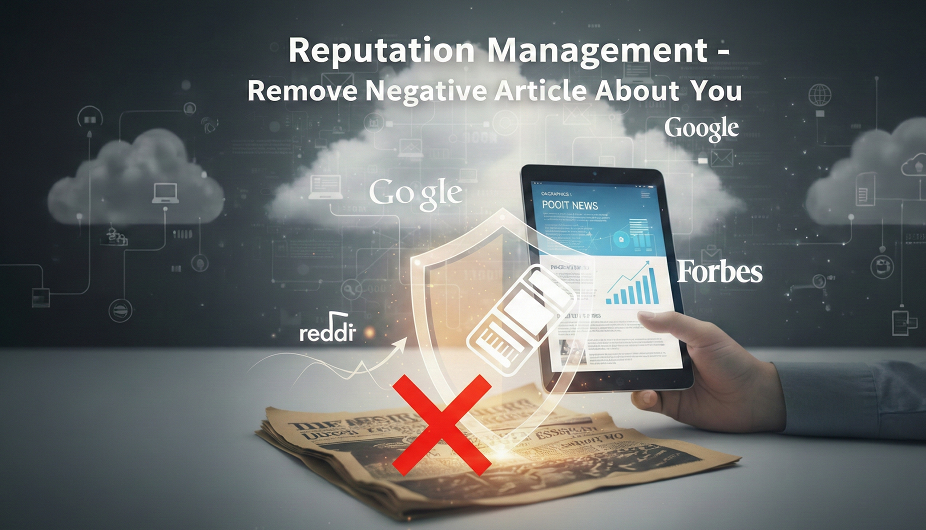
Online reputation management is no longer optional for high-profile professionals. For celebrities, CEOs, politicians, doctors, lawyers, startup founders, and executives who’ve faced lawsuits, arrests, or media scandals, outdated news articles can quietly undermine credibility years after the issue was resolved.
The problem isn’t always accuracy. It’s permanence. A decade-old headline can outrank your recent achievements, shaping perception before you ever get the chance to speak.
Online reputation management strategies for outdated media coverage
Effective Online reputation management begins with understanding how search engines evaluate authority, freshness, and relevance. Old news articles often rank well because they come from established media domains. That authority doesn’t fade quickly.
A proactive Online reputation management plan focuses on three pillars:
Audit and assess the digital footprint
Start with a comprehensive search audit. Look beyond page one. Examine:
- Branded search results
- Image search
- “News” tab results
- Auto-suggest predictions
Identify which articles are still ranking and why. Are they syndicated? Linked by other outlets? Optimized with your full name or company brand?
Evaluate legal and editorial options
In some cases, articles contain factual inaccuracies or outdated information. When that happens, legal counsel may advise pursuing corrections, updates, or removals.
In complex cases, Online reputation management requires collaboration between legal teams and digital strategists. Media outlets may agree to amend headlines or add updates reflecting case dismissals, settlements, or exonerations.
If removal is possible, working with specialists experienced in removing outdated news results from search engines can significantly improve visibility outcomes. Strategic guidance is often necessary when requesting removal from publishers or exploring technical de-indexing solutions through services like YourReputationAgency.
Build Authority that Outranks the Past
Sometimes, removal isn’t realistic. That’s where strategic Online reputation management becomes essential.
Search engines reward relevance and ongoing activity. Publishing authoritative, optimized content tied to your expertise can gradually push negative or outdated stories lower in search results.
This may include:
Controlled digital assets
- Personal websites
- Executive bios
- Thought leadership articles
- Verified social media profiles
A proactive Online reputation management plan ensures these assets are properly structured with schema markup, consistent NAP details (where applicable), and optimized branded keywords.
Media and PR rehabilitation
Securing recent interviews, podcast features, or expert commentary placements creates fresh authority signals. Strategic Online reputation management also involves positioning you within positive, current narratives rather than reacting defensively to old ones.
For corporate executives after a crisis, this might mean publishing transparency reports. For doctors or lawyers previously investigated, it could involve highlighting professional certifications, awards, and case successes.
Suppression through relevance engineering
Suppression is often misunderstood. It’s not about hiding the truth; it’s about recalibrating what search engines deem most relevant today.
Long-term Online reputation management is about consistent publication, backlink acquisition, and entity optimization. Google increasingly evaluates entities — people and brands — through structured knowledge signals. Strengthening your entity profile helps ensure accurate, updated information surfaces first.
Managing Public Perception after Lawsuits or Media Scandals

For individuals previously arrested, charged, or involved in public controversy, the emotional toll can be just as damaging as the professional one. Clients frequently report:
- Lost partnerships
- Speaking engagement cancellations
- Investor hesitation
- Reduced patient or client inquiries
Professional Online reputation management advisors understand that speed matters. The longer outdated coverage dominates search results, the more entrenched that narrative becomes.
Transparent Online reputation management practices also involve preparing clear, factual statements addressing past events. When appropriate, publishing a well-crafted personal statement can shift public perception by demonstrating accountability, growth, or clarification.
Monitoring and continuous defense
Modern Online reputation management blends proactive creation with defensive monitoring. Automated alerts, sentiment tracking tools, and regular SERP reviews allow rapid response to new developments.
Consistent Online reputation management ensures that if new coverage appears, it doesn’t gain unchecked visibility. Authority compounds over time. The stronger your digital foundation, the less impact isolated negative content will have.
Ultimately, Online reputation management protects not just search results, but opportunity. For high-profile professionals, reputation is currency. While old news articles may linger online indefinitely, they don’t have to define your present or your future.
With the right strategy, authority can be rebuilt, narratives can be updated, and search results can reflect who you are today — not who you were at your lowest moment.