5 Mistakes That Make Online Defamation Worse (and How to Avoid Them)
In today’s digital United States, where public opinion often forms faster than facts, few issues are as damaging as online defamation.
From small business owners in Chicago to politicians in Washington D.C., a single misleading post or false accusation can snowball into a reputational crisis with real-world consequences.
Yet, what makes things worse is not just the lie itself—but how victims react to it.
Every day, professionals across the U.S. fall into the same traps: emotional responses, legal missteps, and public silence that only fuel the fire. Understanding the dynamics of online defamation and knowing which actions aggravate it can make the difference between restoring your credibility and losing it forever.
The Reality of Online Defamation in the U.S.
Online defamation occurs when false statements, presented as facts, harm someone’s reputation. But in the American context, where free speech is constitutionally protected, drawing the line between opinion and defamation can be complex.
In states like California and New York, courts frequently deal with digital defamation cases involving influencers, doctors, and entrepreneurs.
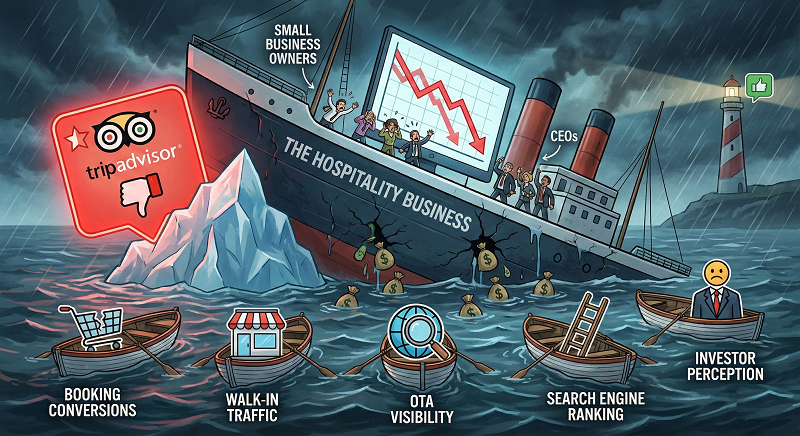
The U.S. economy is deeply tied to digital trust. According to a study by BrightLocal, 87% of American consumers read online reviews before making purchasing decisions, and one negative or fake claim can reduce sales by up to 30%.
That’s why online defamation isn’t just a legal issue—it’s a financial one.
So, what are the biggest mistakes people make when facing defamation online, and how can you avoid making them worse?

1. Reacting Emotionally or Publicly
When someone posts a lie about you online, the natural instinct is to fight back instantly. But reacting in anger—especially on public platforms—often backfires. Emotional comments or defensive posts can appear unprofessional and lend visibility to the false content.
For example, a restaurant owner in Miami who replied harshly to a fake negative review ended up amplifying the post, which went viral. Later, the situation required professional removal services and PR repair.
The lesson: don’t let emotion guide your digital response.
2. Ignoring the Problem
Another common mistake in cases of online defamation is assuming that silence will make the problem disappear. Unfortunately, Google’s algorithm rewards engagement—meaning that ignored content often remains visible for months or years.
In Austin, Texas, a dentist targeted by false allegations of malpractice chose not to respond.
As a result, the defamatory content stayed on the first page of search results for nearly a year, costing the practice thousands in lost patients.
Taking no action gives defamation oxygen. Instead, the right approach involves documenting the content, consulting a reputation management expert, and initiating legal and SEO suppression measures immediately.
3. Threatening Legal Action Without Evidence
Legal threats made in haste can undermine your credibility. Before taking any legal steps, it’s essential to determine whether the content qualifies as defamation under U.S. law.
Not every hurtful statement is actionable. You need to prove that the post contains false factual claims, was published publicly, and caused measurable harm.
A law firm in Los Angeles, for instance, sent cease-and-desist letters to a critic who had shared legitimate negative opinions.
The backlash damaged the firm’s image far more than the original post. Acting strategically—with clear evidence and legal guidance—is crucial.
4. Trying to Remove the Content Yourself
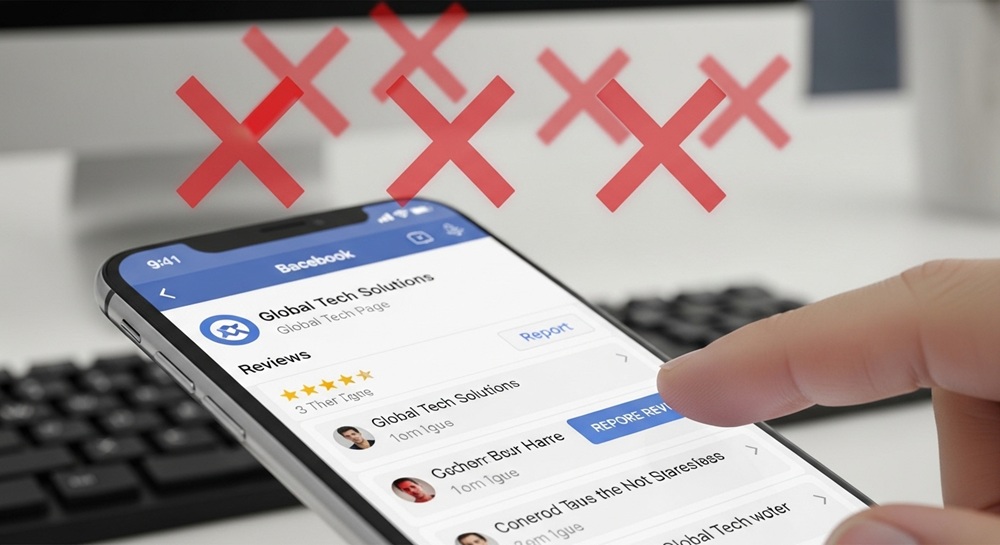
Many people attempt DIY removal tactics, like reporting a link repeatedly or using generic online forms. While this can sometimes work for minor posts, serious online defamation often requires coordinated efforts that combine legal takedowns with SEO suppression.
In Seattle, a real estate agent wasted months trying to remove a defamatory blog post alone. A specialized reputation agency later intervened and successfully had the page de-indexed through a combination of DMCA requests, content audits, and optimized press coverage.
Understanding when to seek professional help is vital—especially in cases involving high-ranking or replicated defamatory content.
5. Failing to Rebuild Your Digital Reputation
Even after removing defamatory content, many individuals forget the final step: rebuilding trust. In today’s digital world, reputation is an ongoing process, not a one-time repair.
Companies in New York’s tech sector have learned this the hard way. After false claims spread across Reddit and Twitter, they not only fought to remove the content but also launched positive branding campaigns, new client testimonials, and verified media features to dominate search results again.
In short, online defamation recovery isn’t just about deleting the problem—it’s about creating a stronger, more credible online presence that outshines it.
5 Frequently Asked Questions About Online Defamation
1. What counts as online defamation in the U.S.?
It’s any false statement presented as fact that causes harm to your personal or business reputation and is shared publicly online.
2. Can I sue someone for defaming me online?
Yes, if you can prove falsity, harm, and publication. Each U.S. state has different statutes of limitation for filing defamation lawsuits.
3. Can Google remove defamatory content?
Yes, Google can remove specific URLs that violate defamation or privacy laws, though it doesn’t delete content from its source.
4. How long does online defamation recovery take?
It depends on the platform and strategy. Legal removals may take weeks, while SEO suppression can take several months.
5. Can an agency help me manage my online defamation case?
Absolutely. Agencies like Your Reputation Agency specialize in ethical content removal, legal coordination, and digital reputation rebuilding.
Looking Forward: Turning Defamation into an Opportunity for Strength
The future of online defamation management in the United States lies in proactive defense. As digital misinformation grows, professionals who understand how to protect their name will lead industries built on trust and transparency.
Reputation isn’t just about what people say—it’s about how you respond. Learning to handle online defamation with strategy, legal insight, and composure will determine whether you’re remembered as a victim of lies or a leader who rose above them.
At Your Reputation Agency, we help clients across the U.S. remove false content, manage digital crises, and rebuild their online credibility.
Your truth deserves visibility.
Visit yourreputation.agency and schedule a confidential consultation today.
Follow us on social media:
Don’t forget to read our blog. Here is a link to our previous post