Online defamation evidence: how to effectively gather evidence
In today’s hyperconnected United States, knowing how to collect evidence of online defamation has become a crucial skill for professionals, businesses, and even public figures—especially as false content often spreads across platforms that later require online reputation management across social networks.
From Miami’s business owners to Los Angeles healthcare executives, anyone can find themselves targeted by false statements online.
The stakes are high: defamation doesn’t just hurt feelings—it damages credibility, erodes trust, and directly impacts economic opportunities.
The U.S. digital ecosystem rewards engagement over truth. Algorithms amplify controversy, not accuracy.
That’s why proving online defamation is less about opinion and more about evidence. Without solid documentation, even the most serious cases can crumble in court.
Learning how to collect evidence of online defamation is, therefore, not just about defense—it’s about reclaiming control of your narrative in a digital world that rarely forgives and never forgets.
Why Evidence Is the Foundation of Your Defense
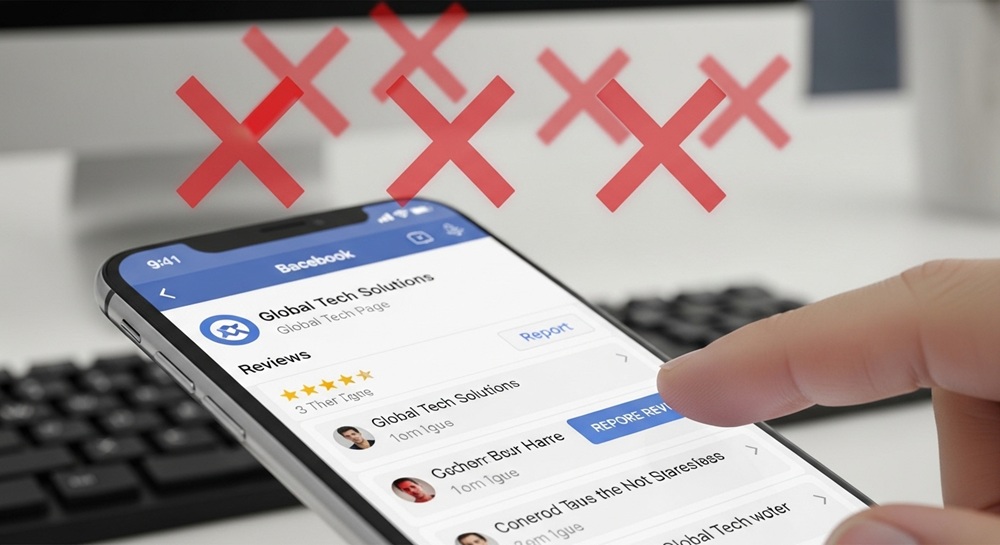
When a false post or review appears, the instinct may be to respond emotionally. But the first—and most powerful—action you can take is to preserve evidence, particularly in cases involving fake or defamatory reviews that may later require negative review removal.
In U.S. defamation law, proof is everything. You must demonstrate that the statement was published, false, damaging, and not protected as opinion or satire.
In cities like New York and Houston, where corporate and political scandals often unfold online, digital evidence determines outcomes.
Screenshots, archived web pages, and timestamps are more valuable than statements of intent.
A tweet deleted an hour later can still be used in legal proceedings—if captured properly.
Understanding how to collect evidence of online defamation means acting before the internet erases your proof.
Time is not on your side. Platforms update constantly, and defamers often delete or edit posts once they sense legal exposure.

Real Examples Across the United States
In San Diego, a small business owner was falsely accused of fraud on Reddit. By the time he contacted a lawyer, the post had been deleted. Luckily, a digital forensics expert had already captured screenshots and metadata—evidence that later supported Reddit comment removal and legal negotiations.
This documentation led to a successful takedown and settlement.
Meanwhile, in Atlanta, a university professor became the target of a false Twitter campaign. Students amplified a misleading story, causing reputational harm.
However, using advanced monitoring tools and metadata extraction, the professor’s legal team demonstrated the posts’ inaccuracy and intent to harm.
These cases highlight that knowing how to collect evidence of online defamation is not just about saving a screenshot—it’s about understanding digital permanence and traceability. Every click, timestamp, and IP log can become a piece of truth.
The Process: How to Collect Evidence of Online Defamation Properly
When you discover defamatory content, avoid interacting with it. Don’t comment, share, or confront the author publicly.
Instead, start documenting everything. Capture full-page screenshots (including URLs and date stamps), use online archiving tools like Wayback Machine, and export metadata where possible.
If the case escalates, certified digital forensics services can extract technical information admissible in court. For entrepreneurs or public figures, collaborating with a reputation management agency ensures that both legal and SEO suppression strategies are aligned.
Remember: in U.S. courts, printed screenshots alone may not suffice. Metadata—such as server logs, IP addresses, and timestamps—strengthen your case and demonstrate authenticity.
Professionals in Los Angeles’s entertainment industry or Washington D.C.’s political sector often rely on hybrid legal-PR teams that combine forensic investigation with narrative management, ensuring evidence supports not only a legal claim but also public perception recovery.

5 Frequently Asked Questions About How to Collect Evidence of Online Defamation
1. What counts as valid evidence of online defamation in the U.S.?
Valid evidence includes screenshots with visible URLs and timestamps, archived copies of pages, metadata, and witness records verifying publication.
2. Can I use screenshots from social media as legal proof?
Yes, but courts prefer certified digital evidence. Screenshots are admissible if accompanied by metadata or official digital verification.
3. What should I do if the defamatory post is deleted?
Use cached pages or tools like Wayback Machine. If unavailable, contact a reputation management expert or digital forensics firm immediately.
4. Should I confront the person who posted the false content?
No. Publicly confronting the defamer can harm your case. Always collect evidence first and seek legal or professional guidance.
5. How long should I keep the evidence?
Indefinitely. Online defamation cases can take months or even years to resolve. Keep backups on secure, encrypted devices or cloud storage.
The Legal and Cultural Landscape of Online Defamation in the U.S.
In a nation where free speech is sacred, the line between defamation and opinion remains blurred. However, U.S. defamation law is evolving rapidly as courts confront social media-driven harm.
States like California and Florida are refining digital libel standards, especially in cases involving influencers and professionals.
American culture’s deep trust in online information makes defamation especially dangerous.
A single tweet or Yelp review can sway consumer perception and election outcomes alike. Collecting evidence not only protects individuals—it preserves public integrity.
As misinformation spreads across platforms like X (formerly Twitter) and TikTok, digital accountability has become an urgent social issue.
Whether you’re a CEO in Seattle or a doctor in Dallas, knowing how to collect evidence of online defamation is now a professional necessity.
Reflection: Truth Needs Evidence, Not Emotion
The future of defamation defense in the United States depends on proactive evidence collection and digital literacy.
The internet’s speed rewards reaction, but the law rewards proof. In this reality, the most powerful response to defamation isn’t outrage—it’s documentation.
Every screenshot, archive, and verified timestamp is a shield against misinformation. Protecting your reputation means building a wall of truth backed by verifiable data.
At Your Reputation Agency, we help professionals and organizations across the U.S. gather, preserve, and present digital evidence of defamation with precision and legal integrity.
Don’t let lies define your legacy—let evidence defend it.
Visit yourreputation.agency today for expert support in collecting and securing online defamation evidence.
Follow us on social media:
Don’t forget to read our blog. Here is a link to our previous post: Online defamation: the worse 5 mistakes