Laws on Online Defamation: 5 Essential Facts Every American Must Know
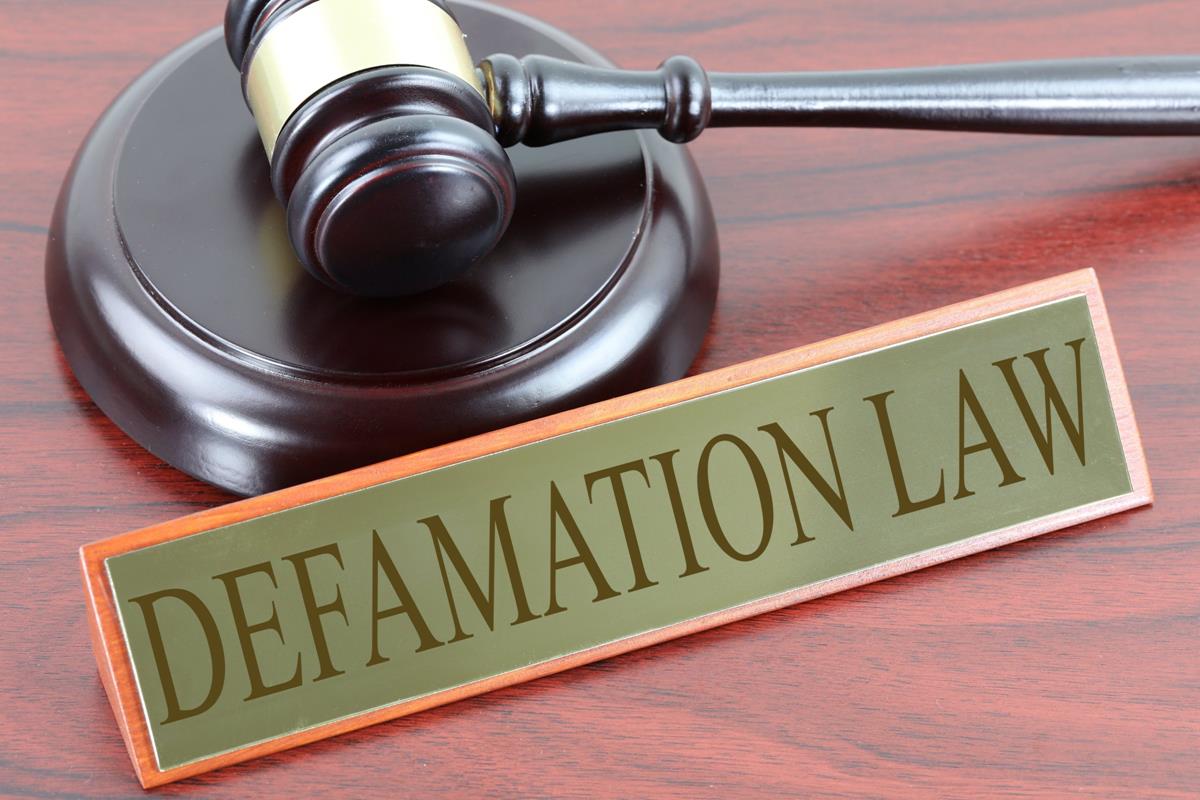
Laws on Online Defamation matter more today than at any other point in U.S. digital life.
When a single tweet can ignite a political fallout or an inaccurate blog post can destroy years of professional credibility, understanding your rights is no longer optional—it’s survival. So, that’s why personal reputation management is important.
Across the United States, from the competitive tech corridors of Austin to the political climate in Washington, D.C., online speech has become a battleground where misinformation spreads faster than corrections.
Therefore, learning how Laws on Online Defamation work is the first step toward protecting your business, your identity, and your future.
But why do these laws feel so complicated, and how can entrepreneurs, doctors, and public figures navigate them without drowning in legal noise?
Laws on Online Defamation and Their Impact on American Professionals
At the centre of Laws on Online Defamation lies a fundamental question: What separates harmful defamation from protected free speech?
For U.S. professionals, the answer often determines the difference between correcting false claims and watching those claims become permanent fixtures on Google search results. So, that’s why Google autocomplete suggestion management is important.
The challenge becomes clearer when we consider public figures. Under U.S. law, a public figure must prove “actual malice”—a difficult standard that requires showing the publisher knew the information was false or acted with reckless disregard.
Entrepreneurs in Los Angeles, healthcare providers in Minneapolis, and real-estate brokers in Charlotte all face the same barrier.
But does this high burden mean justice is out of reach? Not necessarily.
Laws on Online Defamation still give victims powerful tools when the false statement causes measurable damage, such as financial loss or professional harm.
How Cities and Industries Experience Laws on Online Defamation Differently
Examples across the United States help illustrate how Laws on Online Defamation operate in real-world contexts.
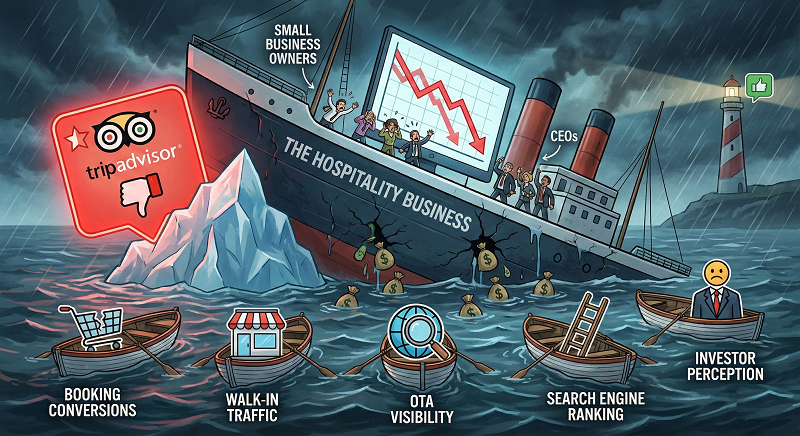
Consider Miami’s hospitality industry, where a viral review can shut down a business overnight.
When a hotel there faced a wave of fabricated accusations on a travel forum, attorneys used Florida’s defamation statutes to force the removal of the claims, saving the business from collapse.
In Seattle’s tech industry, a startup founder endured months of online attacks from a former contractor.
Washington’s courts, applying state-level Laws on Online Defamation, ordered the removal of the defamatory posts and awarded damages.
Meanwhile, in New York’s publishing ecosystem, journalists are protected by strong First Amendment traditions.
So when a physician filed a claim after a magazine misrepresented research findings, the court evaluated whether the statements were fact or opinion—a key distinction under U.S. Laws on Online Defamation.
These cases highlight a recurring question: How do these laws balance free speech with the right to protect one’s reputation?
Practical Guidance for Navigating Laws on Online Defamation
To operate effectively, professionals must understand the practical side of Laws on Online Defamation.
First, evidence is everything. Screenshots, timestamps, communications, and financial impacts often become the backbone of your claim.
Additionally, working privately with the publisher or platform can sometimes produce faster results than immediate legal escalation.
Yet another question arises: Should you respond publicly to defend your name? In many cases, silence is the better strategy while lawyers build a case.
Posting emotionally can backfire and amplify the content you’re trying to suppress.
Instead, strategic communication4—sometimes through a correction request or professional social media reputation management team—aligns with how Laws on Online Defamation operate in the U.S.
Moreover, the Communications Decency Act Section 230 protects platforms, not users.
This means you cannot sue Google, Reddit, or Facebook for defamatory content—they are immune.
You must pursue the individual or organisation responsible.
Understanding this principle saves countless Americans from wasting time—and money—on ineffective legal action.
Frequently Asked Questions Using the Keyword
1. What do U.S. Laws on Online Defamation actually cover?
They address false statements presented as facts that harm a person or organisation’s reputation.
2. Can Laws on Online Defamation force Google to remove content?
Not directly. Platforms are protected, but courts can order the publisher to retract or remove content.
3. Are Laws on Online Defamation different for public figures?
Yes. Public figures must prove actual malice, which is a higher legal standard.
4. How long does a Laws on Online Defamation case take?
It varies by state, but many cases take months to years due to evidence requirements and court backlog.
5. Can businesses use Laws on Online Defamation in cases of fake reviews?
Yes, if the reviews contain provably false statements that cause harm. Professionals can also remove Google reviews to protect your business reputation.
Closing Reflection
Laws on Online Defamation reflect a nation trying to balance free expression with factual integrity.
As digital communication continues to expand—especially through AI-generated content—the need for strong legal literacy grows.
The future of the U.S. information landscape depends not on silencing speech but on insisting that truth holds value.
Protecting your name is more than a right; it’s a responsibility. And with the right guidance, you don’t have to face defamation alone.
If you’re confronting misinformation or harmful online claims, our strategic defamation and reputation management team can help you take action quickly—and quietly—before the damage spreads.
At Your Reputation Agency, we specialise in helping clients build their cases privately, strategically, and effectively.
Because in the digital age, the smartest battles are the ones the public never sees.
Follow us on social media:
Don’t forget to read our blog. Here is a link to our previous post: Lawsuit vs. When to Settle: 5 Powerful Signs to Decide