Every day, your personal information is floating online—sometimes in places you don’t even realize.
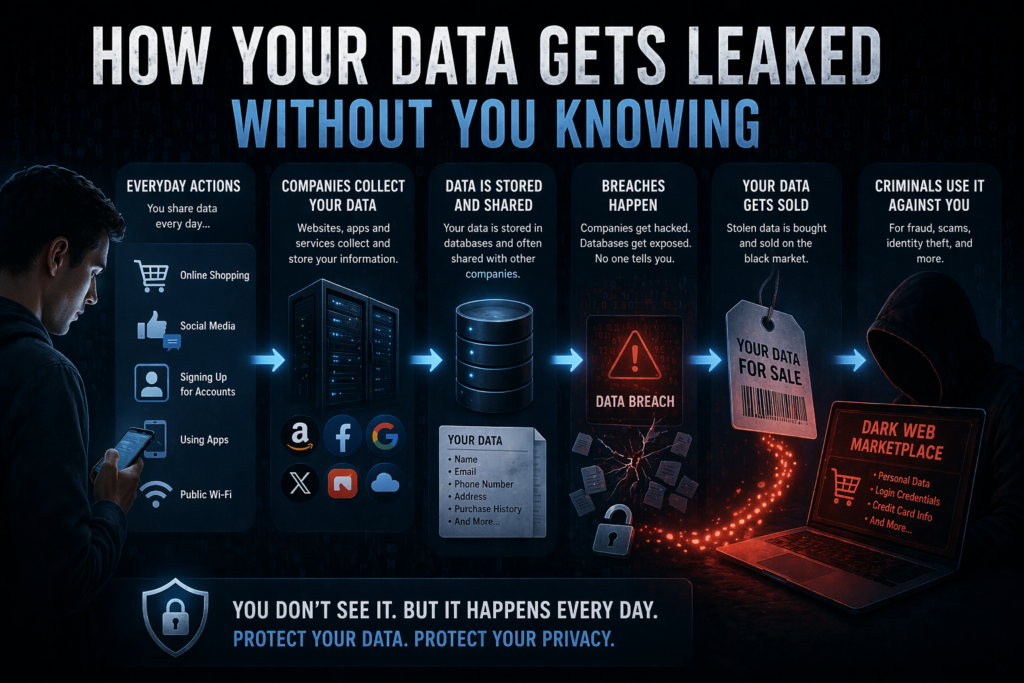
From email addresses and phone numbers to social media activity and purchase history, your data can leak quietly, often without your knowledge.
Understanding how leaks happen is the first step toward protecting your privacy, safety, and online reputation.
How Data Leaks Happen
1. Data Breaches
Hackers target companies that store your information. A breach can expose:
- Emails and passwords
- Credit card and banking info
- Personal identifiers like SSNs and addresses
Even reputable companies are vulnerable, and your data can end up on the dark web quickly.
2. Public Records
Certain records are legally required to be public:
- Court filings
- Property ownership
- Professional licenses
Data brokers often scrape these records, compile profiles, and sell your information without consent.
3. Third-Party Sharing
When you use online services, your data may be shared with advertisers, analytics firms, or partners:
- App permissions can leak contacts and location
- E-commerce platforms can share purchase history
- Free tools or downloads often come with hidden tracking
4. Social Media Oversharing
Even innocent posts can reveal personal details:
- Tagging your location or home
- Sharing birthdays, family, or travel plans
- Linking multiple accounts that expose your identity
Once information is public, it spreads rapidly and is difficult to retract.
5. Scams and Phishing
Some data leaks are intentional:
- Phishing attacks trick you into giving up sensitive information
- Fake surveys or “prize notifications” harvest emails, phone numbers, and more
Even a single click can start a chain reaction of exposure.
The Risks of Ignoring Leaks
- Identity Theft – Hackers can use leaked data to open accounts or make purchases
- Reputation Damage – Outdated or false information can appear in searches
- Harassment – Exposed addresses or phone numbers can attract scammers or stalkers
- Financial Loss – Leaks can affect credit and insurance rates
Unchecked leaks often multiply over time, making them harder to control.
How to Protect Yourself
- Regularly audit your online presence
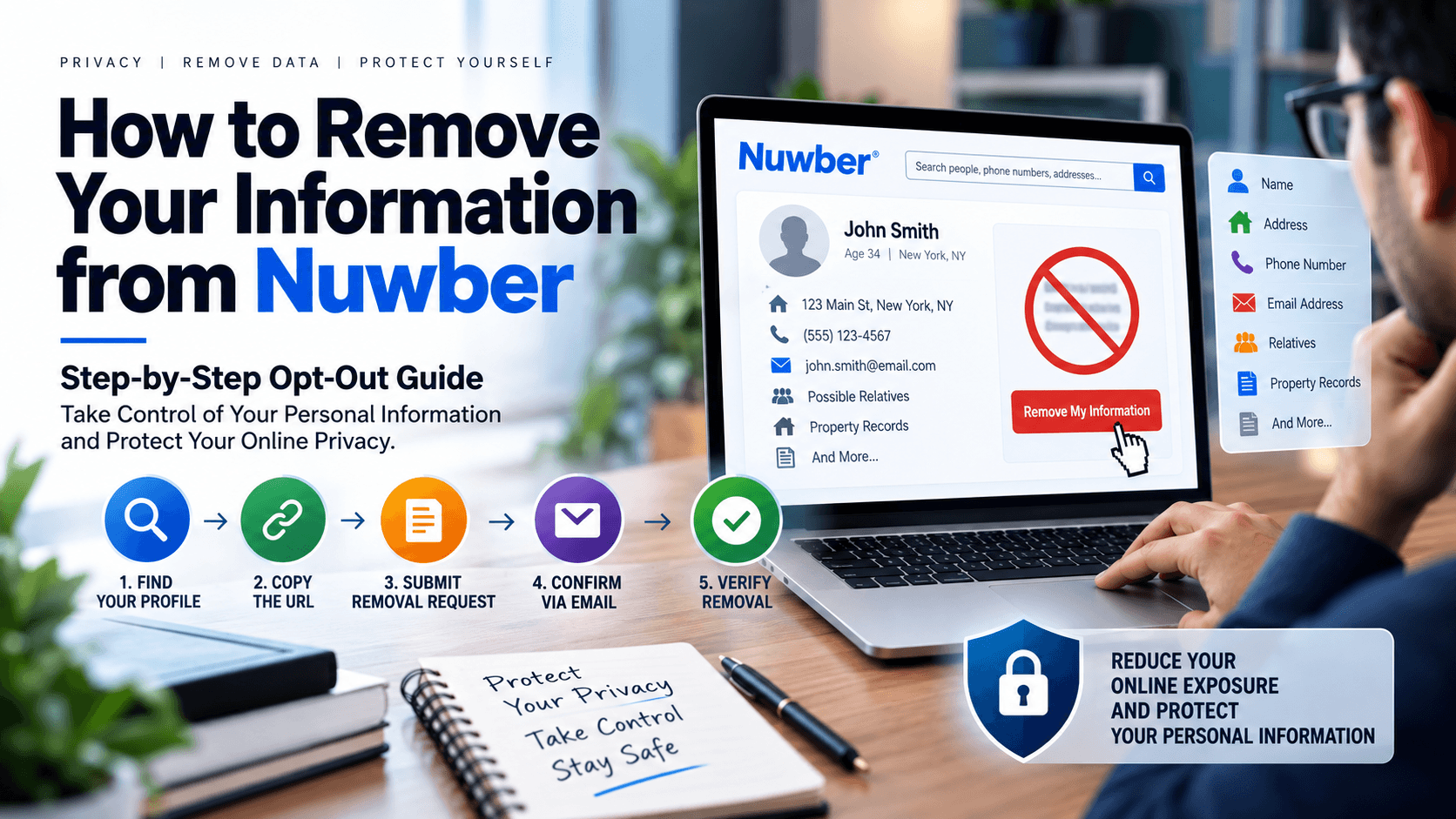
- Remove personal information from data brokers and people search sites
- Strengthen passwords and enable two-factor authentication (2FA)
- Use professional services for comprehensive data removal and monitoring
Manual attempts are rarely enough—leaks are subtle, frequent, and persistent.
Why Professional Help Works Best
- Detects hidden leaks you might never see
- Removes data from dozens of sites simultaneously
- Monitors for new leaks or reappearances
- Saves you time, stress, and reduces security risks
With professionals handling the work, your personal data is protected from leaks before they cause damage.
Take Control of Your Data Now
Data leaks happen quietly, but their impact is loud—identity theft, scams, and reputation damage.
Professional negative content removal services ensure your personal information is removed completely and monitored, keeping your privacy secure.
Learn more about negative content removal and how to protect your online reputation
Final Thoughts
Your personal information is constantly at risk of leaking online.By understanding the risks and using professional removal services, you regain control, privacy, and peace of mind, protecting both your digital footprint and reputation.