How to Remove False Posts from Facebook or Instagram?
In an era where a single post can shape public perception in seconds, knowing how to remove false posts from Facebook or Instagram is no longer optional — it’s essential.
Across the United States, small businesses, doctors, influencers, and even politicians are learning the hard way that false claims on social media can damage credibility faster than any traditional media outlet ever could.
With misinformation spreading through comment sections and stories faster than corrections, it’s vital to understand what rights you have — and what steps to take — before reputational damage becomes permanent, especially when dealing with complex social media reputation management challenges.
The Real Impact of False Posts on American Professionals
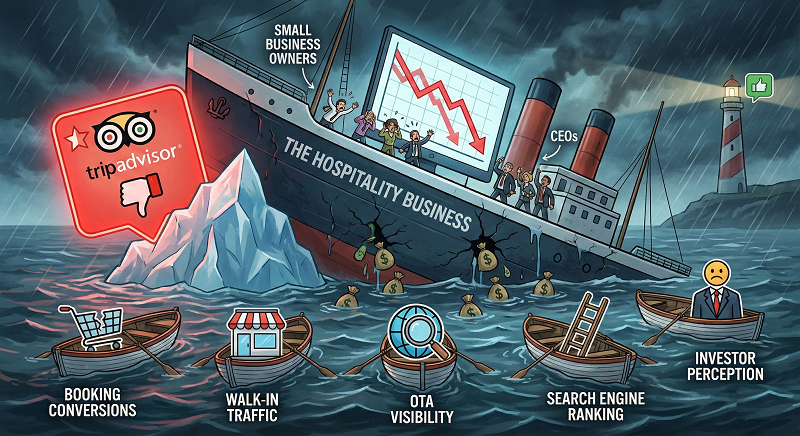
When a misleading or fabricated post appears online, it doesn’t just hurt feelings — it affects real-world outcomes. In Los Angeles, a plastic surgeon lost clients after a fake patient review went viral.
In Miami, a restaurant faced an online boycott because of a manipulated photo posted to Instagram. These incidents reveal the growing importance of understanding how to remove false posts effectively, both legally and through platform tools, including proper Facebook content removal procedures.
According to the Pew Research Center, 53% of Americans say they regularly see inaccurate or false information online, with social media ranking as the most common source.
For entrepreneurs, doctors, and public figures, the stakes couldn’t be higher. The line between free expression and defamation has become razor-thin, and failing to act quickly when false content appears can lead to long-term brand and financial harm.

Understanding the Problem: Why False Posts Spread
False information thrives on emotion. Posts designed to provoke outrage — especially those about politics, health, or money — gain traction because they exploit the algorithms that reward engagement.
Once a false post spreads, even deleting it doesn’t fully solve the problem. Screenshots, shares, and cached links can continue circulating, prolonging the reputational damage.
That’s why knowing how to remove false posts isn’t just about deletion — it’s about mitigation and evidence collection.
Before contacting Facebook or Instagram, it’s crucial to capture screenshots, URLs, timestamps, and usernames.
These records can later serve as proof in takedown requests, retraction demands, or legal proceedings under U.S. defamation law.
Real-World Examples Across the U.S.
Take the case of a Dallas-based real estate broker falsely accused of discrimination in a viral Facebook post. Within days, her company’s listings lost visibility, and clients began withdrawing deals.
After contacting both Meta and a digital reputation firm, the post was reviewed and removed under Facebook’s Community Standards for False Information.
The team also submitted a Defamation vs. Free Speech appeal, proving the post contained fabricated evidence.
In Chicago, a tech startup founder found an Instagram account spreading edited screenshots implying fraudulent business practices. Instead of responding publicly — which could have fueled engagement — the company documented the account’s activities and filed an Intellectual Property and Misrepresentation Report through Instagram’s legal portal.
The content was taken down within 48 hours, and further accounts linked to the same IP address were banned.
These examples highlight that persistence and professionalism are key when you seek to remove false posts. Reacting emotionally or engaging in online arguments only amplifies visibility and harms credibility.
Practical Steps to Remove False Posts
If you discover false content targeting you or your business, take these strategic steps:
First, document everything before requesting deletion — Meta’s review system relies on clear, detailed reports.
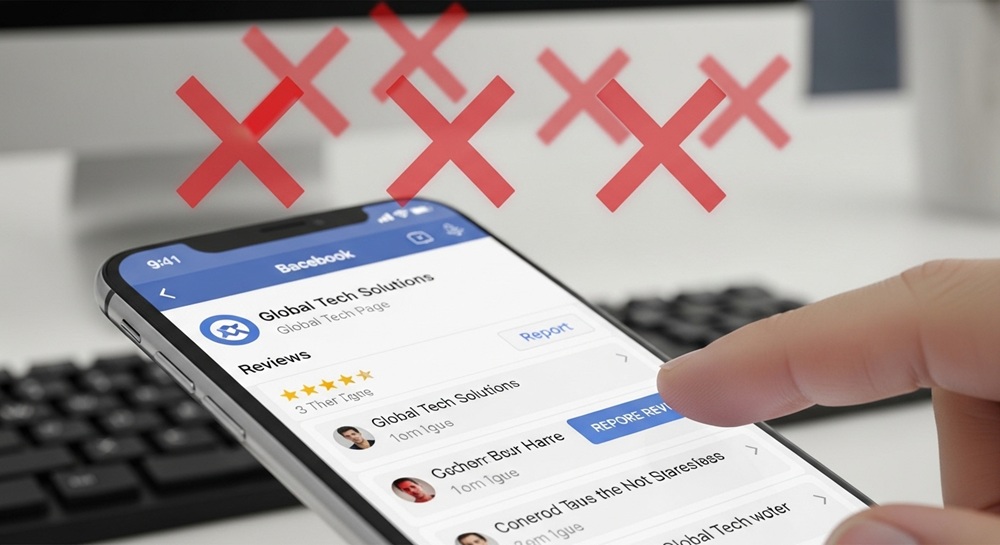
Then, use Facebook’s Report Post feature, selecting “False Information” or “Defamation.” On Instagram, report under “Scam or Fraud” or “False Content.”
If the post violates privacy, include supporting evidence.
If platform tools don’t resolve the issue, escalate to a legal removal process.
Under the Communications Decency Act (Section 230), platforms are generally immune from liability for user content, but they must remove illegal or defamatory material upon notice.
A formal retraction request or legal letter citing defamation, impersonation, or reputational harm can expedite removal.
Finally, use search engine optimization (SEO) to rebuild your online image. Professional reputation management firms specialize in promoting truthful, verified content to suppress false links in Google results.

Frequently Asked Questions
1. How do I remove false posts from Facebook or Instagram?
You can report them directly through each platform’s reporting tools or file a legal removal request if the post violates laws.
2. Can I sue someone for posting false information on social media?
Yes. If the content is defamatory, you can pursue legal action under state defamation laws, which vary across the U.S.
3. How long does it take to remove false posts?
Depending on the case, removal can take from 24 hours to several weeks, especially if legal review is involved.
4. What if the post keeps being shared even after removal?
Request that search engines like Google delist cached versions, and continue monitoring new uploads or reposts.
5. Should I respond publicly to defend myself?
Not immediately. Avoid emotional responses. Seek professional help to remove the post and issue a calm, fact-based statement once it’s resolved.
Looking Forward: Reputation Protection in the Age of Social Media
The ability to remove false posts is now a critical component of modern crisis management.
As misinformation grows, American businesses and professionals must protect their digital identities with vigilance and strategy.
Platforms like Facebook and Instagram are evolving to combat fake news, but personal action remains crucial.
In today’s economy — where one viral lie can undo years of work — knowing when and how to act is a form of empowerment.
Documentation, professionalism, and expert support are your best allies in restoring the truth.
At Your Reputation Agency, we help clients across the United States remove false content, manage defamation crises, and rebuild credibility online.
Our team combines legal expertise with advanced SEO and digital strategy to ensure your truth prevails in every search result.
Don’t let false information define your story. Contact Your Reputation Agency today to remove false posts, restore your reputation, and protect your name from misinformation.
Follow us on social media:
Don’t forget to read our blog. Here is a link to our previous post: Defamation vs. Free Speech: The Legal Line in America