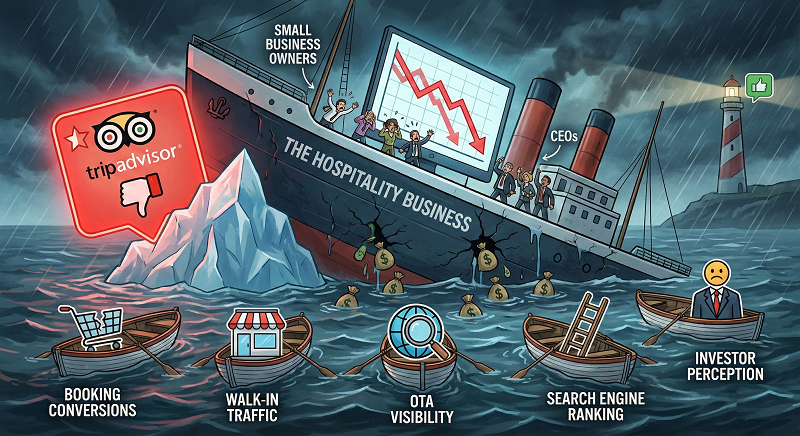

Online defamation can dismantle years of credibility in a matter of days. For small business owners, restaurants, hotels, CEOs, and online eCommerce businesses, a single false accusation online can damage search visibility, reduce bookings, and erode customer trust.
Knowing how to address online defamation quickly, without filing a lawsuit, can protect both revenue and brand authority.
When defamatory content appears in Google reviews, social media posts, or industry forums, the goal is simple: stop the damage, restore reputation, and regain control of the narrative.
What Qualifies as Online Defamation in Business?
Online defamation involves false statements presented as facts that harm a person or company’s reputation. In digital environments, this usually takes the form of written libel rather than spoken slander.
Common examples include:
- False allegations of fraud or criminal conduct
- Fabricated health violations targeting restaurants or hotels
- Competitor-driven smear campaigns
- Fake negative reviews designed to damage credibility
- Misleading blog posts harming a CEO’s personal brand
It’s important to separate genuine criticism from online defamation. A negative customer experience is not defamation. However, a knowingly false claim that causes reputational harm may qualify under defamation law.
Understanding that distinction prevents overreaction while strengthening legitimate claims. Also, an experienced reputation management agency is one of the best ways to tackle such situation.
Immediate Steps to Handle Online Defamation Without Litigation
Most cases of online defamation can be resolved without stepping into a courtroom. Strategic action is often faster and far less expensive than filing a lawsuit.
Document the Evidence First
Before responding, gather proof:
- Screenshots with timestamps
- Direct URLs of the defamatory content
- Usernames and account details
- Supporting documents that disprove the claims
Proper documentation strengthens removal requests and establishes credibility when communicating with platforms or legal representatives.
Evaluate Whether It Meets the Legal Standard
Online defamation requires false statements presented as facts—not opinions. A harsh review stating “service was disappointing” is not defamation. A fabricated accusation claiming theft or illegal activity is far more serious.
For business owners, taking a measured approach protects reputation while avoiding unnecessary escalation.
File Platform-Based Removal Requests
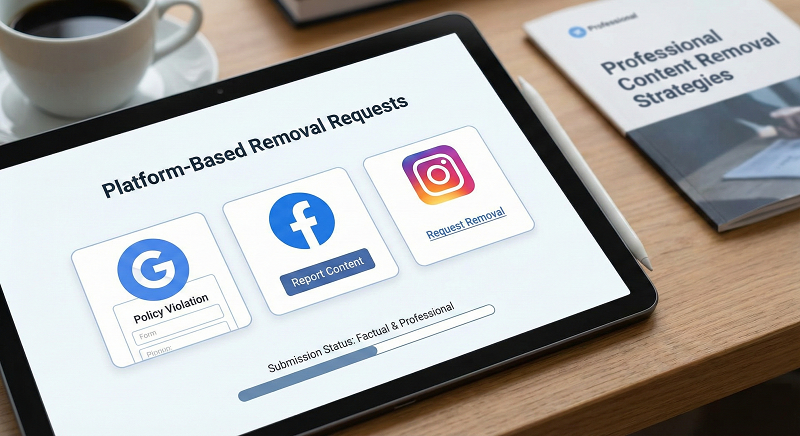
Most major platforms—Google, Yelp, Facebook, Instagram, and YouTube—have policies addressing harassment and defamatory content. Submit a formal complaint referencing specific policy violations.
Keep your language factual and professional. Avoid emotional arguments. Provide evidence clearly and concisely.
In complex situations, working with experts who specialize in professional negative content removal strategies can significantly improve the chances of successful removal, especially when search engine visibility is involved.
Why Platform Enforcement Works
Many cases of online defamation are removed when platforms recognize clear policy breaches. Acting quickly limits long-term reputational harm and prevents further spread.
Using Cease and Desist Letters Strategically
A cease and desist letter is often highly effective in resolving online defamation. It demonstrates seriousness without immediately pursuing legal action.
A strong letter should:
- Identify the defamatory statements
- Explain why they are false
- Request removal within a specific timeframe
- Outline potential legal consequences
Many individuals remove harmful content once they understand the legal exposure involved.
Protecting Your Online Reputation Proactively
Handling online defamation reactively can be stressful. A proactive online reputation management strategy reduces vulnerability.
Strengthen Positive Search Visibility
When authoritative, optimized content ranks above defamatory material, the impact decreases significantly. Businesses should invest in:
- SEO-optimized blog content
- Positive customer reviews
- Press features and media mentions
- Executive thought leadership
For hotels and restaurants, reputation drives bookings. For eCommerce brands, it directly impacts conversions. For CEOs, it influences partnerships and investor trust.
Encourage Authentic Reviews
A steady stream of genuine positive reviews dilutes isolated defamatory posts. Encourage satisfied customers to share honest experiences, especially on Google and industry-specific platforms.
Never fabricate reviews. Authenticity builds long-term credibility.
Monitoring and Early Detection of Online Defamation
Consistent monitoring helps detect online defamation before it escalates. Set up alerts for your business name, leadership team, and brand variations.
Early detection allows faster removal requests and reduces reputational damage.
Focus on Resolution, Not Retaliation
Online defamation feels personal, particularly for entrepreneurs who built their brand from the ground up. However, reacting impulsively often amplifies the issue. A structured response—documenting evidence, leveraging platform policies, issuing cease and desist communication, and strengthening search presence—usually resolves the matter without court involvement.
For small business owners, restaurants, hotels, CEOs, and online eCommerce operators, the objective isn’t revenge. It’s reputation protection and business continuity.
Handled strategically, online defamation becomes a temporary obstacle—not a permanent threat to your brand.
FAQs
What proof do I need for defamation?
To prove online defamation, you must show that a false statement was presented as fact and shared with others. Collect screenshots, URLs, timestamps, and copies of the content before it is deleted. You should also document how the statement caused reputational or financial harm, such as lost clients, negative reviews, or revenue decline. Clear evidence makes removal requests and legal claims much stronger.
How to stop someone from defaming you online?
Start by documenting the defamatory content and reporting it through the platform’s complaint process. If the statements are clearly false, send a formal cease and desist letter requesting immediate removal. In many cases, firm action combined with platform enforcement or professional reputation support can stop online defamation without going to court. Acting quickly helps prevent long-term damage.
What is the punishment for defamation in USA?
In the United States, defamation is typically handled as a civil lawsuit rather than a criminal offense. If proven, the person responsible may be required to pay financial damages for reputational harm, lost income, or emotional distress. Some states still have criminal defamation laws, but penalties usually involve fines, and jail time is extremely rare.