Online reviews influence buying decisions faster than most marketing campaigns. Platforms like Sitejabber have become a trusted resource for consumers researching brands, services, and products before committing to a purchase. While positive feedback can strengthen credibility, fake or malicious reviews can quickly damage a company’s reputation.
For small business owners, e-commerce brands, digital marketing professionals, ORM specialists, startup founders, and customer experience managers, learning how to Fight Fake Reviews on Sitejabber has become an essential part of reputation management.
When fraudulent feedback appears on a public platform, ignoring it rarely works. Instead, brands need a structured response strategy. Below are six proven approaches businesses use to Fight Fake Reviews on Sitejabber and maintain credibility online.
Why Businesses Must Fight Fake Reviews on Sitejabber
Before exploring the strategies, it’s important to understand why companies prioritize efforts to fight fake reviews on Sitejabber.
Sitejabber reviews are often indexed quickly by search engines and can appear in brand-related search results. When potential customers see negative or suspicious feedback, it directly affects trust and conversion rates.
For many organizations, the challenge isn’t just reputation damage — it’s identifying which reviews are legitimate and which are fabricated. Competitors, disgruntled individuals, or automated spam accounts sometimes generate fake feedback designed to undermine a brand.
Knowing how to systematically Fight Fake Reviews on Sitejabber helps businesses regain control of their online narrative.
1. Flag Suspicious Content Immediately
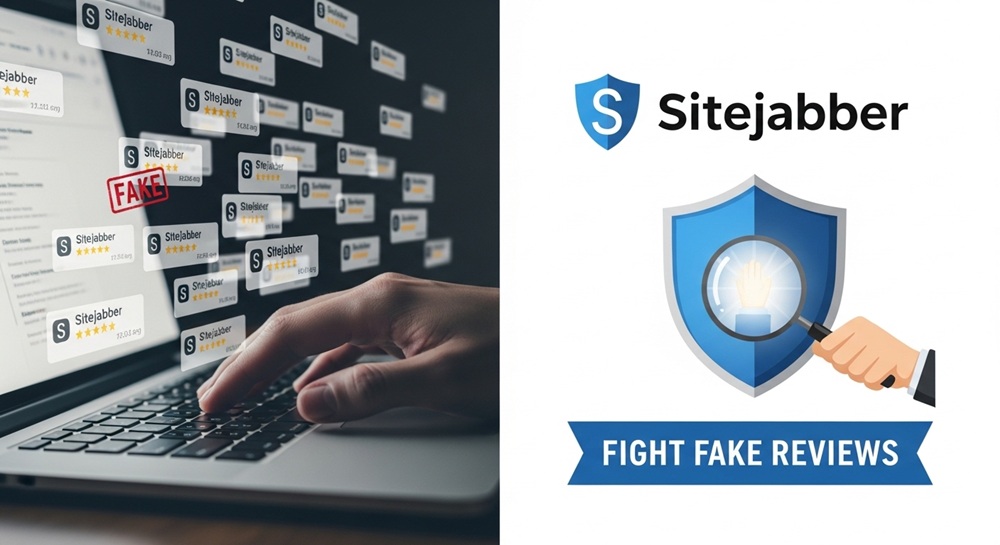
One of the most direct ways to Fight Fake Reviews on Sitejabber is by flagging suspicious reviews through the platform’s reporting system.
What qualifies as suspicious content?
Indicators of potentially fake reviews
- Reviews with no transaction evidence
- Generic complaints without specific details
- Multiple reviews posted within minutes
- Profiles created solely to leave negative feedback
Why quick action matters
The faster a suspicious review is reported, the easier it is for moderation teams to investigate patterns.
Businesses that actively monitor feedback often detect suspicious activity early, making it easier to Fight Fake Reviews on Sitejabber before they influence larger audiences.
2. Provide Proof of No Transaction
Another effective method to fight fake reviews on Sitejabber is demonstrating that the reviewer never interacted with your business.
How businesses verify customer activity
Most legitimate customers leave identifiable traces:
- Order confirmations
- Customer support tickets
- Billing records
- CRM activity logs
If a reviewer claims a transaction that never occurred, presenting this evidence significantly strengthens your dispute.
Documentation improves credibility
Platforms like Sitejabber take disputes more seriously when companies provide clear data showing no record of the alleged transaction.
Many reputation management professionals consider this one of the most reliable ways to Fight Fake Reviews on Sitejabber.
3. Document Duplicate Review Patterns
Fake reviews often appear in patterns rather than isolated incidents. Identifying these patterns helps companies more effectively Fight Fake Reviews on Sitejabber.
Common patterns businesses observe
Coordinated review attacks
Multiple negative reviews appearing within a short time frame.
Similar language across accounts
Different profiles posting nearly identical complaints.
Newly created accounts
Profiles that exist solely to publish one negative review.
Tracking suspicious activity
Keeping internal documentation allows brands to show moderation teams evidence of coordinated behavior.
Businesses serious about protecting their reputation often combine monitoring tools with structured reporting systems. For companies dealing with persistent reputation threats, resources like professional reputation management guidance and reputation recovery strategies for businesses can provide additional insight.
By maintaining organized records, organizations gain stronger leverage when they Fight Fake Reviews on Sitejabber.
4. Respond Publicly to the Review
While removal requests are important, public responses also play a key role when businesses Fight Fake Reviews on Sitejabber.
Why public responses matter
Potential customers often read both the review and the company’s reply. A calm, professional response demonstrates transparency and accountability.
Effective response structure
Acknowledge the concern
Even if the review appears fake, maintain professionalism.
Clarify the issue
State that your records show no transaction or interaction.
Offer verification
Invite the reviewer to contact support with order details.
Reputation impact
When readers see a thoughtful response, they’re less likely to assume the complaint is legitimate.
Brands that consistently respond professionally strengthen their credibility while they Fight Fake Reviews on Sitejabber.
5. Track Repeat Offenders
Some fake reviews originate from the same individuals using multiple accounts. Monitoring repeat activity helps companies better Fight Fake Reviews on Sitejabber.
How repeat offenders operate
Multiple usernames
A single individual may create several accounts to post negative feedback.
Similar writing styles
Repeated phrasing or identical complaints can reveal patterns.
Targeted attacks
Sometimes specific competitors or individuals repeatedly target a brand.
Why monitoring matters
Keeping a log of usernames, timestamps, and review text allows businesses to present stronger evidence when disputing fraudulent reviews.
Organizations that systematically track this information are more successful when they Fight Fake Reviews on Sitejabber.
6. Escalate Denied Disputes
Sometimes a review remains active even after being reported. In these situations, companies should escalate the dispute.
When escalation becomes necessary
Review violates platform guidelines
For example:
- False accusations
- Harassment
- Claims without evidence
Moderation decisions appear inconsistent
If similar reviews were removed previously but one remains.
Escalation steps
Submit additional documentation
Provide screenshots, transaction records, or evidence of coordinated attacks.
Reference platform guidelines
Highlight specific policy violations.
Follow up persistently
Moderation processes can take time, but persistence often leads to resolution.
Businesses that take a structured approach are more successful when they Fight Fake Reviews on Sitejabber over the long term.
When Fake Reviews Become a Coordinated Issue
Occasionally, fake reviews appear repeatedly despite removal attempts. This may indicate a coordinated campaign.
In these cases, companies may need broader reputation management strategies that include:
- Search result monitoring
- review platform management
- content suppression strategies
- brand reputation repair
Organizations that proactively Fight Fake Reviews on Sitejabber using these layered strategies are better positioned to protect their credibility.
Frequently Asked Questions
What is the best way to fight fake reviews on Sitejabber?
The most effective approach is a combination of reporting suspicious content, documenting evidence of no transaction, and publicly responding to questionable feedback while requesting moderation review.
Can businesses remove fake reviews from Sitejabber?
Businesses can report and dispute reviews that violate Sitejabber’s guidelines. If sufficient evidence is provided, moderation teams may remove the review.
Why do fake reviews appear on review platforms?
Fake reviews often come from competitors, automated spam accounts, or individuals attempting to damage a company’s reputation.
How can businesses prevent fake reviews?
While prevention isn’t always possible, businesses can minimize impact by monitoring reviews regularly, documenting suspicious patterns, and responding professionally.
Do fake reviews affect SEO and online reputation?
Yes. Fake reviews can influence customer perception and may appear in search results, affecting both reputation and conversion rates.
Final Thoughts
Learning how to Fight Fake Reviews on Sitejabber is now an essential skill for modern businesses. Review platforms heavily influence consumer decisions, and a single misleading review can impact trust.
By systematically reporting suspicious feedback, documenting evidence, tracking patterns, and responding transparently, companies can effectively Fight Fake Reviews on Sitejabber while strengthening their brand credibility.
Businesses that take reputation management seriously understand one important truth: protecting trust online requires vigilance, structure, and the willingness to respond strategically whenever fraudulent reviews appear.