What to Do If a News Site Publishes a False Article
When a false article spreads online, its impact can ripple through a person’s career, company, or even entire community.
In today’s digital media landscape, where misinformation can trend faster than truth, what to do if a news site publishes a false article becomes a question of survival for public figures, business owners, and professionals alike — often requiring coordinated online reputation management across social and search platforms.
From political misquotes in Washington, D.C. to reputation-damaging pieces about small businesses in Austin, false reporting is not only unfair — it can have measurable financial and emotional consequences.
Understanding the Problem: How False Articles Gain Traction
The digital ecosystem of the United States is driven by immediacy. News websites compete for clicks and engagement, which often leads to rushed reporting or unchecked sources.
But what happens when a journalist publishes misleading or false claims about an individual or business?
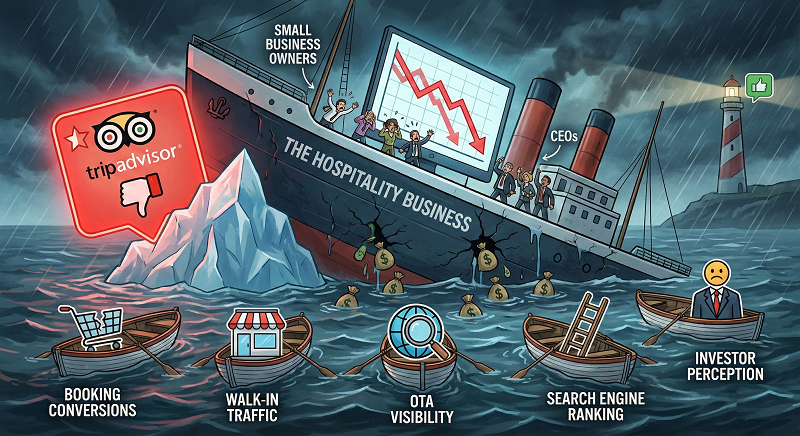
The consequences go beyond embarrassment — they can influence stock prices, consumer behavior, and even elections. Once published, false articles are often amplified through social media shares, negative reviews, and reposted videos — the same pattern seen with viral negative content and misleading imagery.
The American Press Institute reports that over 60% of readers trust a headline before verifying its source. That statistic alone highlights the danger of misinformation.
In cases like the false accusations that spread about a San Francisco tech CEO in 2022, companies have seen investors pull back within hours of publication.
Such real-world examples underline why it’s essential to understand your options quickly and strategically.

Legal Perspective: Your Rights Under U.S. Law
Under U.S. defamation laws, victims of false reporting have the right to demand correction, retraction, or complete removal of harmful content.
However, not every inaccurate article qualifies as defamation. The critical legal distinction rests on intent and harm.
Did the publication knowingly spread false information? Can it be proven that the false article damaged your professional or personal reputation—including triggering negative Google reviews or business losses?
In states like California and New York, where media lawsuits are frequent, defamation claims require demonstrating “actual malice” for public figures — a high legal threshold established by New York Times Co. v. Sullivan (1964).
This means the journalist either knew the information was false or acted with reckless disregard for the truth.
For private individuals, the standard is lower, but the process still demands credible evidence.
Real Examples Across the U.S.
Consider the case of a Miami-based restaurant owner falsely accused of health violations by a local online news outlet.
Within 48 hours, the business lost 30% of its reservations. After proving the article’s inaccuracies and demonstrating quantifiable harm, the owner successfully negotiated a full retraction and public apology.
Similarly, in Chicago, a small political consulting firm was wrongly linked to election manipulation in an investigative blog. By collecting screenshots, timestamps, and web archives as proof, the firm’s attorney forced the outlet to update the piece and remove defamatory language.
These cases reveal the same lesson: acting fast and documenting everything is the key to reclaiming control.
Strategic Steps to Take When a False Article Appears
So, what should you do if a news site publishes a false article about you or your company?
First, avoid emotional reactions on social media. Responding impulsively can magnify the visibility of the false claim. Instead, consult a professional reputation management firm or legal advisor experienced in online defamation.
Document the article immediately — take screenshots, save URLs, and use tools like the Internet Archive’s Wayback Machine.
These records can serve as valuable evidence in takedown requests or legal proceedings.
Then, contact the publication directly, citing inaccuracies and requesting a correction or removal.
If the outlet refuses, report the content to search engines like Google using their Defamatory Content Removal Request form. In cases involving malicious intent or measurable damage, pursue legal action with a defamation attorney.
Firms across Los Angeles, Dallas, and New York now specialize in online defamation recovery, blending legal strategy with digital content suppression to minimize long-term visibility.

Frequently Asked Questions
1. What can I legally do if a news site posts false information about me?
You can file a formal retraction request or, if necessary, a defamation lawsuit, depending on the harm caused and the outlet’s response.
2. How long does it take to remove false content from Google?
If the publisher cooperates, removal can happen within days. Otherwise, Google reviews may take 1–4 weeks, depending on complexity.
3. Can I get compensated for damages caused by false news?
Yes, under U.S. defamation law, victims can recover damages for financial losses and emotional distress.
4. What if the site is hosted outside the U.S.?
International cases are complex but not impossible. Global reputation management firms can coordinate takedown strategies across jurisdictions.
5. Should I respond publicly to the false article?
Not immediately. A measured, factual response through a PR or legal team ensures professionalism and prevents further escalation.
Looking Ahead: Protecting Truth in a Rapid News Cycle
The rise of misinformation underscores the need for proactive reputation defense. As news cycles accelerate and digital algorithms reward outrage over accuracy, understanding what to do if a news site publishes a false article is not just a reactionary skill — it’s a necessary strategy for survival in the digital economy.
Businesses and public figures must view reputation management as a long-term investment, not a crisis response.
Protecting your digital presence means acting quickly, documenting every instance of harm, and aligning with experts who understand both law and technology.
At Your Reputation Agency, specialists in online defamation and content removal help clients across the United States reclaim their narrative — ethically, legally, and effectively.
In a media landscape where perception drives opportunity, truth must always have the final word.
Protect your online reputation today.
Contact Your Reputation Agency to remove false content, restore credibility, and safeguard your digital legacy.
Follow us on social media:
Don’t forget to read our blog. Here is a link to our previous post: Criticism and Defamation: Understanding the Difference Between them