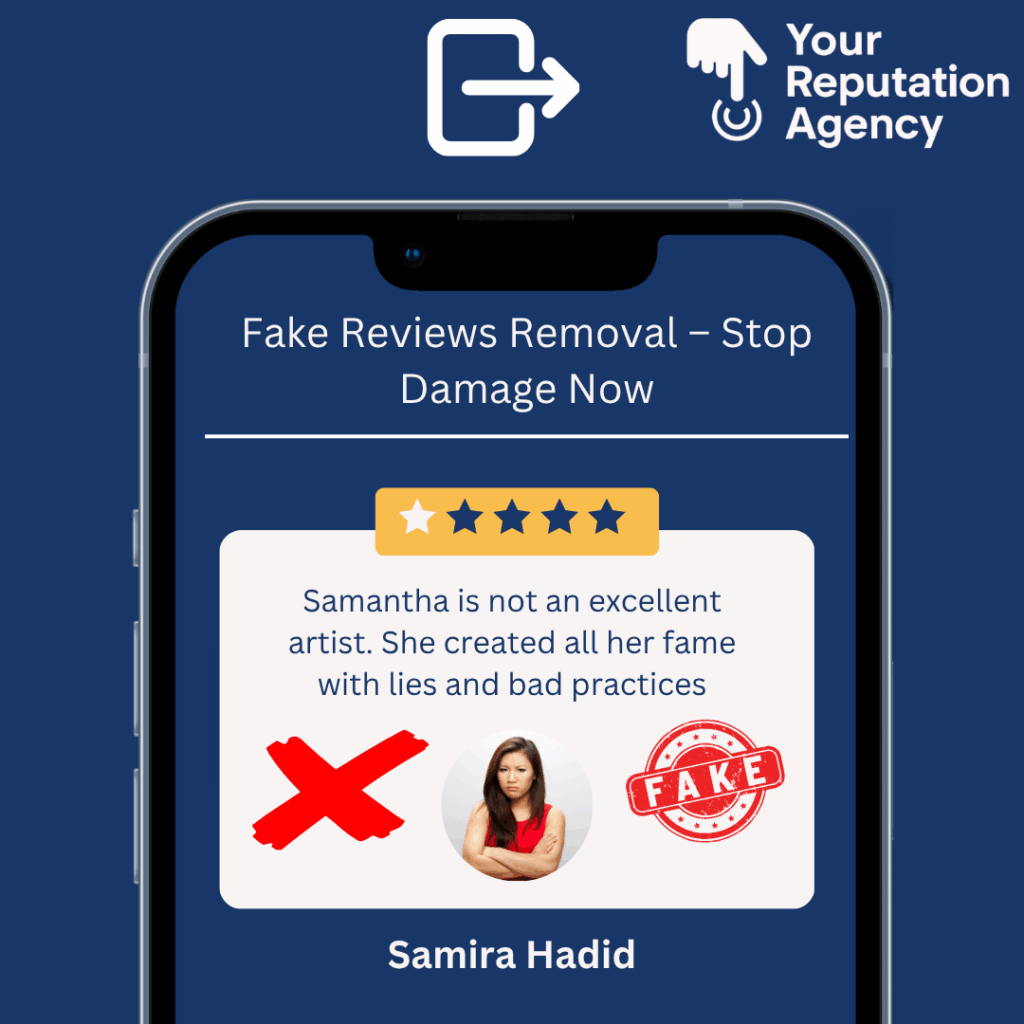
Fake Reviews Removal – Stop Damage Now
Fake reviews can strike without warning. One morning, a business owner checks Google or Facebook and discovers a flood of negative comments written by someone who never purchased anything.
Suddenly, their reputation is in question, sales drop, and frustration grows.
In an era where online perception drives real-world opportunity, knowing how to manage mock reviews has become a matter of survival.
The Hidden Damage Behind Fake Reviews
Fake resume raise uncomfortable questions. How can a competitor harm your business so easily?
Why do platforms allow unverified comments to influence public trust? In both Mexico and the United States, digital reputation is now a powerful economic factor.
Consumers rely on star ratings to make decisions, and algorithms reward engagement, not accuracy.
As a result, false report can push businesses to the edge, especially in competitive markets like hospitality, retail, and local services.
Although U.S. laws punish defamation and the Federal Trade Commission has taken action against fake testimonials, enforcement is inconsistent.
Meanwhile, competitors exploit loopholes because they know a single dishonest comment can discourage hundreds of potential customers.
This reality proves why fake testimonials require a strategic and proactive response.
How to Respond When Competitors Use Fake Reviews
The first instinct is anger, but reacting emotionally online can make the situation worse. A smarter approach begins with documentation, reporting, and strategic communication.
Most platforms allow business owners to dispute fake reviews if they show clear evidence of fraud.
However, removal is not always fast, which is why many companies work with reputation agencies to speed up the process and deploy damage-control tactics.
In Mexico, small businesses often lack the legal tools available in the U.S., so prevention, monitoring, and crisis planning are essential.
In contrast, American companies can combine platform policies, legal resources, and reputation management strategies to weaken the impact of feign reviews.
This cultural difference shows how reputation defense requires not just rules, but expertise.

U.S. Context: Real Consequences in the Marketplace
Fake reviews influence politics, commerce, and culture. In the U.S., a restaurant chain in Illinois lost investors after a competitor organized a fake review attack that went viral on TikTok.
In another case, a mayoral candidate in Arizona faced waves of fabricated accusations disguised as “reviews” on public forums.
These examples prove that online opinion now shapes financial outcomes and voter perception.
For American business leaders, the lesson is clear: ignoring fake reviews is no longer an option.
Frequently Asked Questions
- Are fake reviews illegal in the United States?
Yes. The FTC prohibits fake endorsements, but enforcement depends on reporting and evidence. - Can platforms remove fake reviews quickly?
Sometimes. Google and Yelp may act fast, but complex cases require persistence or professional assistance. - Should I reply to fake reviews publicly?
A measured, factual reply can help, but avoid emotional responses. - Can I sue someone for fake reviews?
Yes, if you can identify the author and prove damages. Legal action is more effective with documentation. - Do reputation agencies really help?
Yes. They combine legal tools, reporting strategies, and SEO to counter fake reviews effectively.
Final Reflection
The internet rewards visibility, not truth. That is why fake reviews can cause such deep harm to honest businesses and public figures.
But damage is not destiny. With discipline, smart strategy, and professional support, it is possible to restore credibility and rebuild trust.
In a noisy digital arena, your reputation is your currency—and defending it is not just smart business, but a necessity for long-term success.
Follow us on social media:
Don’t forget to read our blog. Here is a link to our previous post: Remove a TikTok Video About You – Complete Expert Guide