Content Suppression vs Removal might sound technical, but in the world of online reputation management, it can define the future of a brand, a career, or even a political campaign.
Imagine waking up to see an old, misleading article about your company resurface on Google’s first page. You contact the publisher, but they refuse to delete it.
Does that mean you’re stuck with it forever? Not necessarily — because that’s where content suppression comes in.
This distinction — suppression versus removal — has become crucial in the United States, where freedom of expression collides daily with the right to digital privacy.
Understanding both approaches can make the difference between damage control and long-term recovery.
The Difference Between Suppressing and Removing Content: A Modern Dilemma
To understand the difference between suppressing and removing content, let’s first define what each means. Content removal refers to permanently deleting an article, post, or image from its source. It’s often the preferred solution when material is defamatory, false, or violates privacy laws.
Suppression, on the other hand, focuses on burying harmful content so that it no longer appears prominently on search engines — without actually deleting it from the web.
Both strategies aim to protect online reputation, but their methods differ. Removal provides direct elimination, while suppression relies on SEO optimization, content creation, and strategic visibility control.
For example, if a false news article about a New York entrepreneur remains indexed on Google, suppression can ensure that positive, factual content — like press releases, verified media coverage, and updated biographies — pushes that article off the first page.
Because, let’s face it: what people can’t find, they usually forget.

When Removal Is Possible — and When It Isn’t
Many business owners and public figures assume that if something online is harmful, it can simply be deleted. But the reality in the U.S. is more complex.
Freedom of the press and Section 230 of the Communications Decency Act often protect publishers from liability for user-generated content. That means websites hosting false or outdated information aren’t always required to remove it, even if it damages your reputation.
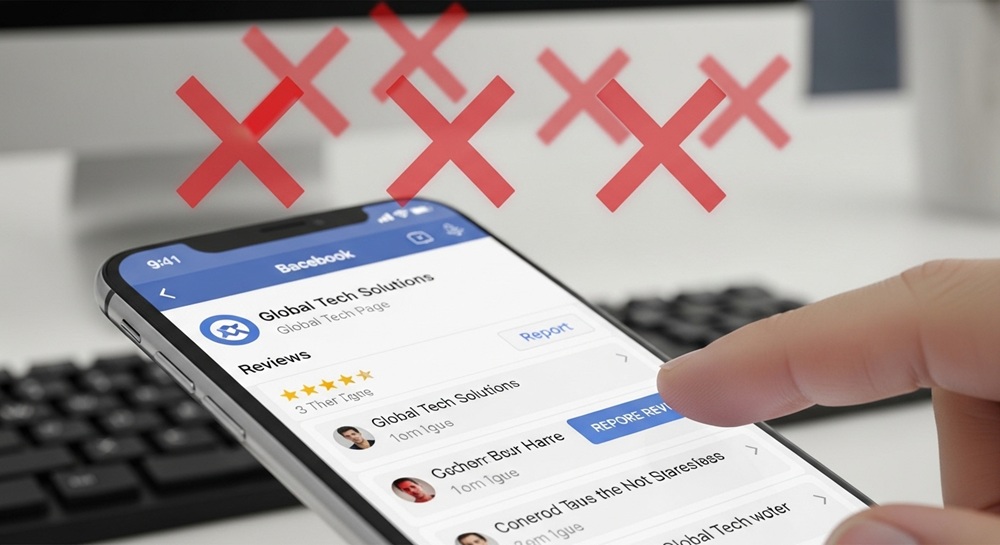
However, legal removal is possible in specific situations. Content that contains personal data (like addresses, medical details, or revenge porn) can be taken down under privacy laws or via direct Google removal requests.
Defamatory content — verifiably false and damaging statements — can also be removed through legal injunctions or court orders.
Still, these processes are often lengthy, public, and expensive. That’s why content suppression is usually the more immediate and strategic alternative for businesses that need fast, discreet solutions.
The U.S. Context: A Culture of Transparency and Digital Memory
In the United States, reputation has become a form of currency. The digital marketplace rewards transparency — but it also punishes mistakes, even long-forgotten ones.
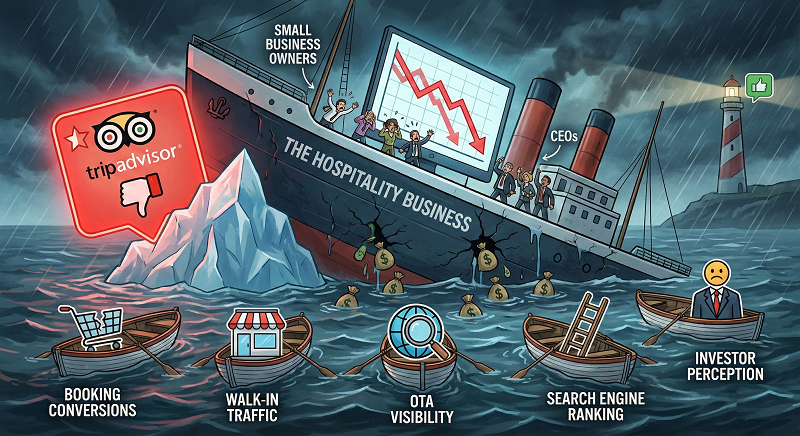
A single negative post can influence hiring decisions, consumer confidence, or stock value.
That’s why the difference between suppressing and removing content is not merely technical — it’s cultural.
Americans tend to value open access to information, which makes complete content removal politically and socially sensitive.
As a result, many brands use suppression to balance public accountability with fairness. The strategy aligns with the nation’s values: freedom of speech on one hand, and the right to redemption on the other.
This approach also reflects economic realities. In 2024 alone, U.S. companies lost an estimated $15 billion due to reputational damage from online misinformation. For many executives and politicians, the choice isn’t whether to act — but how to act effectively.

FAQs About the Difference Between Suppressing and Removing Content
- Is suppression legal in the United States?
Yes. Suppression works through ethical SEO strategies, not deception. It doesn’t alter or hide content illegally — it simply promotes truthful, updated information above outdated or false material. - How long does content suppression take to work?
Typically, results appear within 60–90 days. Suppression uses keyword optimization, backlink building, and new content creation to push unwanted links lower in search rankings. - Can all negative content be removed?
Not always. Defamatory or privacy-violating content can often be removed legally. But opinions, reviews, or news stories usually require suppression rather than deletion. - Does suppression actually fix reputation damage?
Yes. Suppression restores control over first-page visibility — where 95% of online impressions occur — helping rebuild trust and credibility. - Should businesses use both suppression and removal?
Ideally, yes. Removal addresses legally actionable content, while suppression ensures long-term visibility control. Both work best as part of a comprehensive reputation management strategy.
Real Examples: The Digital Balancing Act
Consider a California tech startup accused of labor violations on a small blog. The claims were later proven false, but Google still displayed the article for months. Since the publisher refused to delete it, the company partnered with Your Reputation Agency, combining suppression tactics with verified press releases and positive media coverage.
Within 10 weeks, the negative link dropped to page three — effectively invisible to most users.
Similarly, a public figure in Florida facing politically motivated smears turned to content removal attorneys.
While defamatory posts were legally taken down, suppression strategies helped rebuild their professional image through accurate, verifiable content.
Practical Takeaway: The Power of Perception
The key difference between suppressing and removing content lies in understanding control versus elimination.
You can’t always erase the internet’s memory, but you can manage how it remembers you.
In a country that values both free speech and second chances, the smartest move is not to panic when negative content appears — it’s to act strategically.
Suppression gives you control over visibility; removal gives you legal protection. Together, they form the foundation of modern reputation management.
Your reputation is your digital fingerprint — once damaged, it takes expertise to restore. Whether you’re a small business owner, a CEO, or a public figure, don’t leave your name to chance.
At Your Reputation Agency, we help clients in the U.S. identify the best strategy — legal removal, suppression, or both — to safeguard their online presence. Contact us today to protect your name, your brand, and your future.
Follow us on social media:
Don’t forget to read our blog. Here is a link to our previous post: Why Ignoring Negative Reviews Can Cost You Customers