Can You Sue for Defamation on TikTok or Instagram? Understanding the Truth Behind Online Smears in the U.S.
In today’s digital ecosystem, where a single video can go viral overnight, knowing can you sue for defamation on TikTok or Instagram is no longer an abstract legal question—it’s a necessity.
Social media has democratized influence but also weaponized it. So, that’s why social media reputation is important.
In cities like Los Angeles, Miami, and New York, defamation lawsuits linked to viral posts are becoming increasingly common, often costing victims their careers, businesses, and mental well-being before justice even begins.
A false statement on TikTok or Instagram can reach millions within hours, leaving reputations irreparably damaged.
But what actually counts as defamation on these platforms? And more importantly, can you sue for defamation on TikTok or Instagram if the content is disguised as “just an opinion” or a “personal story”?
Understanding Online Defamation and Its Legal Complexity
In the United States, defamation refers to any false statement presented as fact that harms someone’s reputation.
When written or published online, it’s called libel; when spoken, it’s slander. However, applying these traditional definitions to social media posts is far from simple.
For instance, a viral TikTok alleging that a small business in Houston, Texas “scams customers” may seem like harmless gossip—but if it’s false and causes measurable harm (like loss of clients or job opportunities), it crosses into defamation territory and may qualify for defamatory TikTok content removal.
Courts across the U.S. are now grappling with these cases, as influencers and content creators blur the lines between freedom of expression and misinformation.
The key question remains: can you sue for defamation on TikTok or Instagram if the person behind the content hides behind anonymity or deletes the post? The answer is yes—under U.S. law, individuals and businesses can pursue legal action once evidence of defamation and damages is established.

Real Cases in the United States: When a Post Crosses the Line
In Los Angeles, a beauty influencer was sued after falsely accusing a rival of using unsafe products. The video garnered over 500,000 views in less than 48 hours.
Despite being deleted, screenshots and archives served as evidence in court. The plaintiff not only won the case but also regained her professional reputation through strategic reputation management.
Similarly, in New York City, a restaurant owner took legal action against a viral Instagram account that falsely claimed the establishment had health code violations.
The post led to a 40% drop in reservations within a week. Once proven false, the account owner faced damages and was ordered to issue a public apology.
These cases highlight that, in the digital age, the old saying still applies: words have consequences.
And knowing can you sue for defamation on TikTok or Instagram can empower victims to protect their digital integrity before the damage becomes permanent.
What Makes Defamation on Social Media Different?
Unlike newspapers or television, platforms like TikTok and Instagram amplify defamation through algorithms that reward engagement—meaning lies can spread faster than truth.
Moreover, identifying the original poster can be challenging, especially when content is reshared or stitched thousands of times.
Legal experts emphasize that defamation suits involving social media require timely evidence collection. Capturing screenshots, URLs, and timestamps is essential. The longer a defamatory post remains online, the greater its reach—and the more difficult the recovery process becomes.
At the same time, public opinion plays a huge role. Americans often form judgments before legal facts surface. In this environment, can you sue for defamation on TikTok or Instagram isn’t just about law—it’s about regaining credibility in a culture driven by digital perception.
Practical Steps: Protecting Yourself from Online Defamation
If you find yourself defamed online, the first step is not to retaliate publicly. Instead, document every piece of evidence, including user handles, hashtags, and metrics showing the post’s reach.
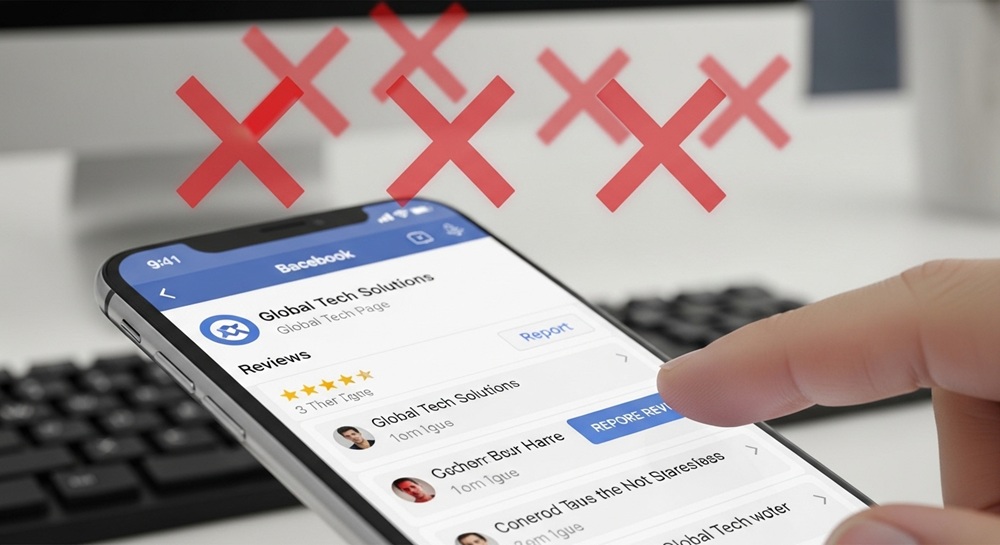
Next, report the content to TikTok or Instagram using their defamation or harassment policies. In cases involving Instagram-specific misinformation, this often overlaps with Instagram content removal processes. While these platforms can remove or flag the post, only legal action can permanently address the damage.
Working with a reputation management agency allows victims to combine legal tools with digital strategy—using SEO suppression, media transparency, and content removal requests to restore balance.
In cities like Chicago and Seattle, professionals increasingly partner with such agencies to handle crises discreetly while maintaining control over their personal brand.
Because in 2025, silence online often speaks louder than words.

5 Frequently Asked Questions About Can You Sue for Defamation on TikTok or Instagram
1. Can you sue for defamation on TikTok or Instagram if the content was deleted?
Yes. If you captured screenshots or metadata before deletion, that evidence remains valid in court.
2. What if the account is anonymous?
Your attorney can file a subpoena to compel TikTok, Instagram, or the ISP to reveal the identity of the user.
3. How much can you claim in damages?
It depends on the harm caused. Economic loss, emotional distress, and reputational damage are all considered.
4. What counts as proof in a social media defamation case?
Screenshots, archived posts, engagement metrics, and verified timestamps are admissible as evidence.
5. Should I respond publicly to clear my name?
Only under strategic advice. Unplanned public responses can worsen the situation or validate the defamatory post.
Reflection: Truth, Law, and the Power of Digital Responsibility
As social media continues shaping opinions faster than facts, Americans face a new reality—reputation is no longer local or private.
A single false statement can reach across the country in seconds. Understanding can you sue for defamation on TikTok or Instagram isn’t about revenge; it’s about restoring balance in a digital world where truth must compete with virality.
In this fast-moving environment, your reputation is your greatest asset—and your most vulnerable one.
Legal protection and strategic reputation management go hand in hand.
At Your Reputation Agency, we help professionals and companies across the U.S. remove false content, gather legal evidence, and rebuild public trust with integrity.
Your name deserves to be defended with facts, not fear.
Visit yourreputation.agency today and take back control of your online image.
Follow us on social media:
Don’t forget to read our blog. Here is a link to our previous post: How to Collect Evidence of Online Defamation Effectively