
Search Engines Privacy: Can You Erase Personal Information Online?
In today’s United States, where personal data can circulate faster than ever, many Americans are asking a critical question: can you erase personal information from search engines?
Whether it’s a decade-old article, an outdated address, or a misleading blog post, the visibility of such data on Google, Bing, or Yahoo can affect your job prospects, reputation, or even safety—especially when sensitive material like photos or identifiers may require removal of negative images to limit exposure.
With over 90% of online experiences beginning on search engines, this concern is no longer hypothetical—it’s deeply personal and increasingly urgent.
The issue strikes at the intersection of privacy and public record.
In cities like New York, San Francisco, and Chicago, professionals often discover that personal details remain publicly accessible long after their relevance has faded. So, that’s why personal reputation management is important.
While the European Union’s “Right to Be Forgotten” has reshaped privacy norms abroad, the United States remains a complex landscape where freedom of information and personal protection collide.
Understanding how to erase personal information from search engines—and when it’s legally possible—is now a fundamental part of managing one’s digital footprint.
The Challenge of Erasing Personal Information in the U.S.
The United States does not have a direct equivalent to the European GDPR’s deletion rights.
Instead, content removal from search engines operates under a patchwork of laws, platform policies, and case-by-case exceptions.
The Federal Trade Commission (FTC) and state privacy acts like California’s Consumer Privacy Rights Act (CPRA) provide some avenues for individuals to request deletion of sensitive information, such as financial data or personal identifiers.
However, freedom of speech laws complicate removal efforts.
News outlets and bloggers can legally publish information if it’s factual and in the public interest.
The key distinction lies in proving inaccuracy, irrelevance, or harm.
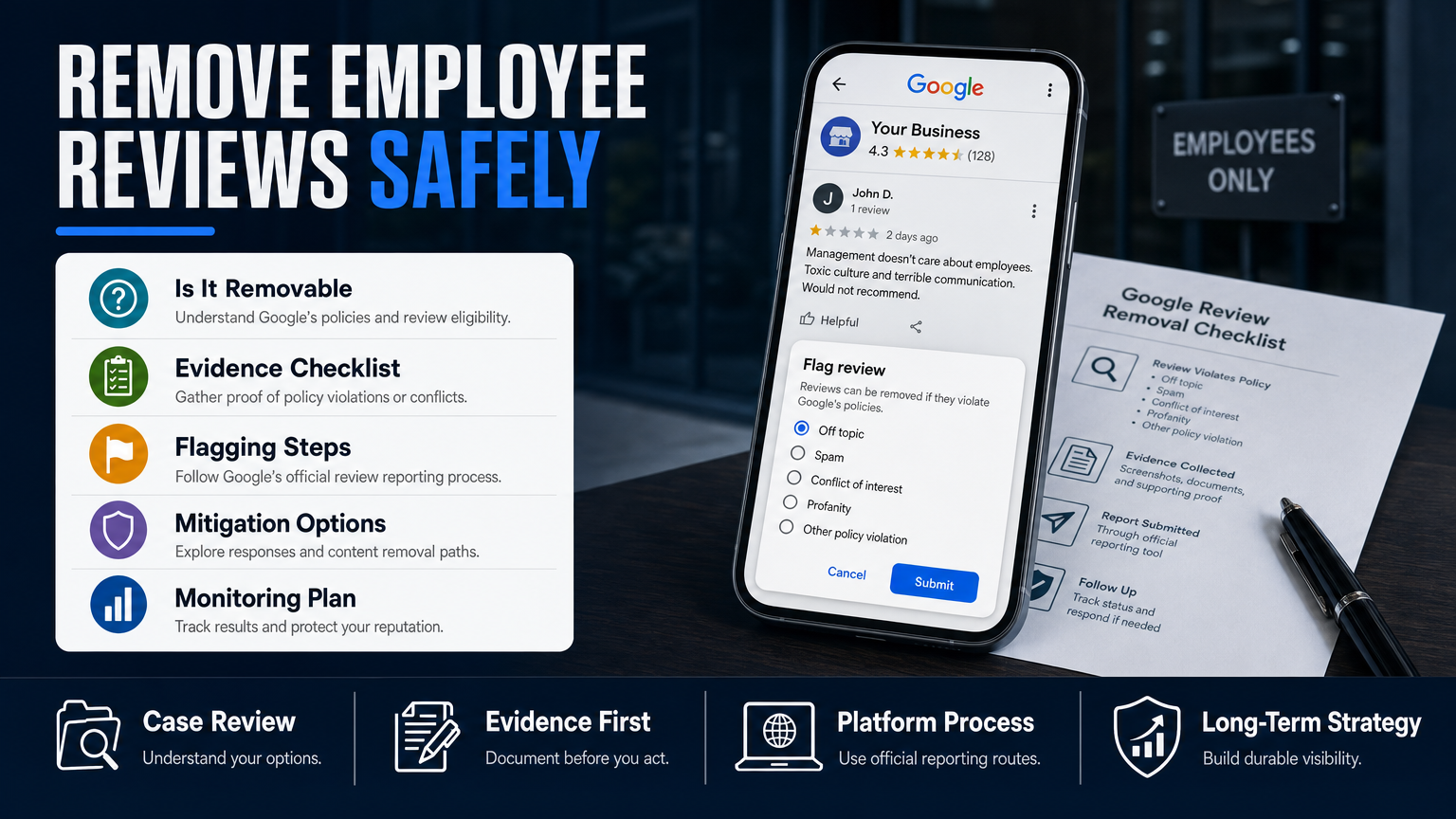
A Search Engines Removal Request may succeed if the content violates privacy policies, constitutes defamation, or exposes personal data such as home addresses, medical records, or intimate photos.
So, can you erase personal information from search engines entirely?
Not always. But you can suppress, deindex, or legally challenge it through structured processes involving Google’s legal removal tools or reputation management services.

U.S. Examples of Search Engine Content Removal
Consider a case in Dallas, Texas, where a real estate agent’s old bankruptcy record appeared prominently in Google results.
Although the event was more than ten years old and legally resolved, the listing continued to harm her business.
Her attorney submitted documentation to Google demonstrating outdated information and lack of public interest. Within 30 days, Google deindexed the page.
In another case from Los Angeles, a doctor falsely accused of malpractice managed to erase personal information from search engines by filing a defamation report, supported by evidence from the California Medical Board confirming no record of wrongdoing.
The post was eventually removed under Google’s “personal information and defamation” policy—while additional reputation risks were addressed through social media reputation management to prevent recurrence.
These cases highlight that search engines respond when you present structured evidence and adhere to their legal processes.
Deletion is not automatic—it’s earned through documentation and persistence.
The Legal and Ethical Balance
Balancing the right to privacy with freedom of expression is a cornerstone of U.S. law.
While search engines act as intermediaries, they are not arbiters of truth.
This means that removing personal information often involves a fine line between legitimate privacy and censorship.
In states like Florida or New York, where digital reputations influence business and politics, legal firms specializing in search engines content removal have emerged to guide individuals through this maze.
They combine technical SEO tactics, legal filings, and negotiation with webmasters to achieve partial or full removal.
Still, one should not overlook the ethical dimension. Every search engines removal request raises broader questions: Where does personal accountability end and privacy begin?
Should outdated yet factual records be deleted, or simply contextualized? These debates shape the evolving landscape of digital reputation in the United States.
Practical Steps to Protect Your Online Identity
Once you’ve filed a Removal Request, it’s equally important to rebuild. Positive digital content—updated LinkedIn profiles, verified news features, or optimized business websites—can help push outdated results down.
Proactive SEO and consistent engagement online can restore your professional image and reduce the visibility of unwanted data.
Working with a professional reputation management agency ensures that your evidence, documentation, and content strategy align with both Google’s algorithm and U.S. legal standards.
Remember, erasing data from search engines is as much about persistence as it is about process.

Frequently Asked Questions
1. Can you completely erase personal information from search engines?
Not always. While sensitive data can be removed, factual public information is usually only suppressed, not deleted.
2. How long does it take for search engines to process a Removal Request?
It typically takes 30–45 days, depending on the complexity of the case and the type of content.
3. What kind of evidence helps with a successful removal?
Official documents proving inaccuracy, outdated relevance, or personal harm increase your chances significantly.
4. Is it legal to pay for removal services?
Yes, as long as the service complies with U.S. laws and search engines’ official removal policies.
5. What if my Removal Request is denied?
You can appeal the decision, file a legal claim, or work on SEO suppression strategies to minimize visibility.
The Future of Privacy and Search Engines
In an age where digital permanence defines reputation, Americans are reclaiming control over their online identities.
Yet, as long as search engines remain the primary gateway to information, the battle between privacy and public access will continue.
For now, the best strategy lies in a mix of legal precision and proactive reputation management.
Removing false or outdated content is only the first step—the true goal is to rebuild trust and control your digital narrative.
At Your Reputation Agency, we specialize in helping individuals and companies protect their integrity, file strategic Removal Requests, and restore their online visibility with ethical SEO and legal precision.
If false or outdated information is affecting your reputation, take the first step toward control.
Contact Your Reputation Agency today to learn how to remove personal data from search engines and rebuild a trustworthy digital identity.
Follow us on social media:
Don’t forget to read our blog. Here is a link to our previous post: Removal Request Evidence: The Powerful Proof You Need to Succeed