Reputation Ransom: Are Influencer Call-Outs the New Professional Extortion?
In the current digital landscape, the power dynamic between brands and content creators has shifted dramatically. While influencers were once seen solely as marketing partners, a new and more controversial trend has emerged: the “Call-Out.” While many of these public critiques are rooted in genuine consumer advocacy, a growing number of businesses are raising a difficult question: Is this accountability, or is it a form of professional extortion?

The Power of the Digital Megaphone
Social media platforms like TikTok, Instagram, and Reddit have given individuals a global stage. When an influencer with millions of followers highlights a brand’s mistake, the impact is instantaneous. However, the line between a legitimate complaint and professional extortion becomes blurred when the threat of a “negative review” or a “call-out video” is used as leverage to demand free products, excessive refunds, or direct payments.
For many small to medium-sized enterprises, a single viral video can destroy years of hard work. This vulnerability has created a breeding ground for what some experts call “Reputation Ransom.”
How the "Call-Out" Cycle Works
The process typically follows a predictable pattern that can feel like a calculated attack:
The Initial Contact: A creator reaches out with a minor grievance or a request for a collaboration that the brand cannot fulfill.
The Ultimatum: The creator implies that if their demands aren’t met, they will “share their experience” with their massive audience.
The Public Shaming: If the brand stands its ground, the influencer releases a highly emotional video. In the age of “cancel culture,” the audience often attacks the brand before hearing the other side.
This cycle is why professional extortion in the digital space is so effective; most brands would rather pay a “ransom” in freebies or cash than face a PR nightmare that lasts for months.
Accountability vs. Extortion
It is vital to distinguish between a customer exercising their right to complain and someone using their influence as a weapon. Legitimate accountability focuses on resolving a specific issue (like a faulty product). In contrast, professional extortion focuses on the punishment or the personal gain of the influencer.
To navigate these murky waters, businesses must adopt a strategy of radical transparency. Keeping records of all communications is no longer optional—it is a survival tactic. When a brand can show that an influencer’s “honest review” was actually preceded by a demand for money, the narrative shifts back in favor of the business.
Protecting Your Brand from Digital Ransom
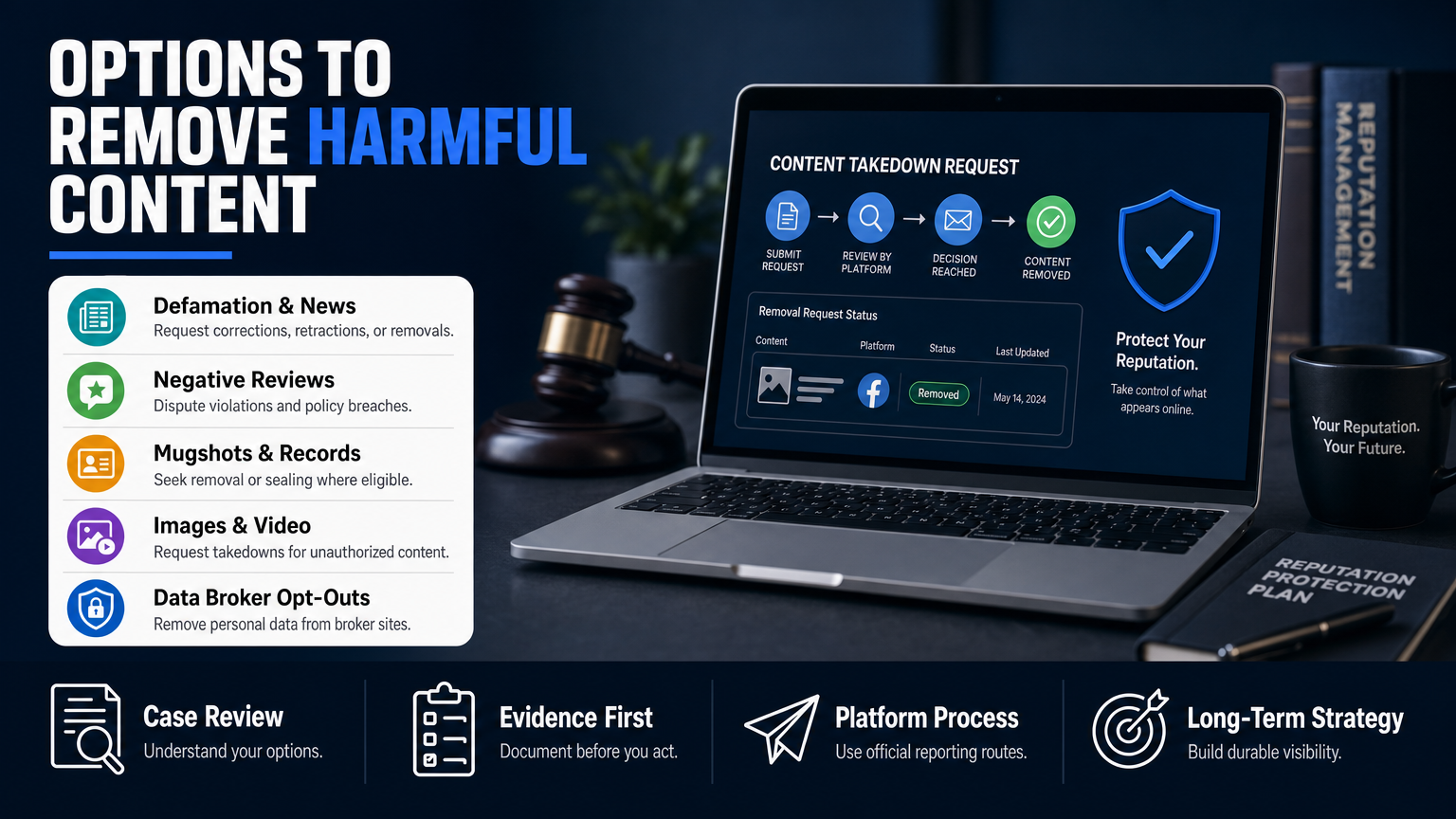
In 2026, protecting your business requires more than just good products; it requires a shield of “Reputation Insurance.” This doesn’t just mean having a lawyer on standby, but having a proactive Online Reputation Management strategy.
Document Everything: Always communicate with creators through official channels where a paper trail is maintained.
Don’t Settle Out of Fear: Giving in to a small demand often leads to larger ones later.
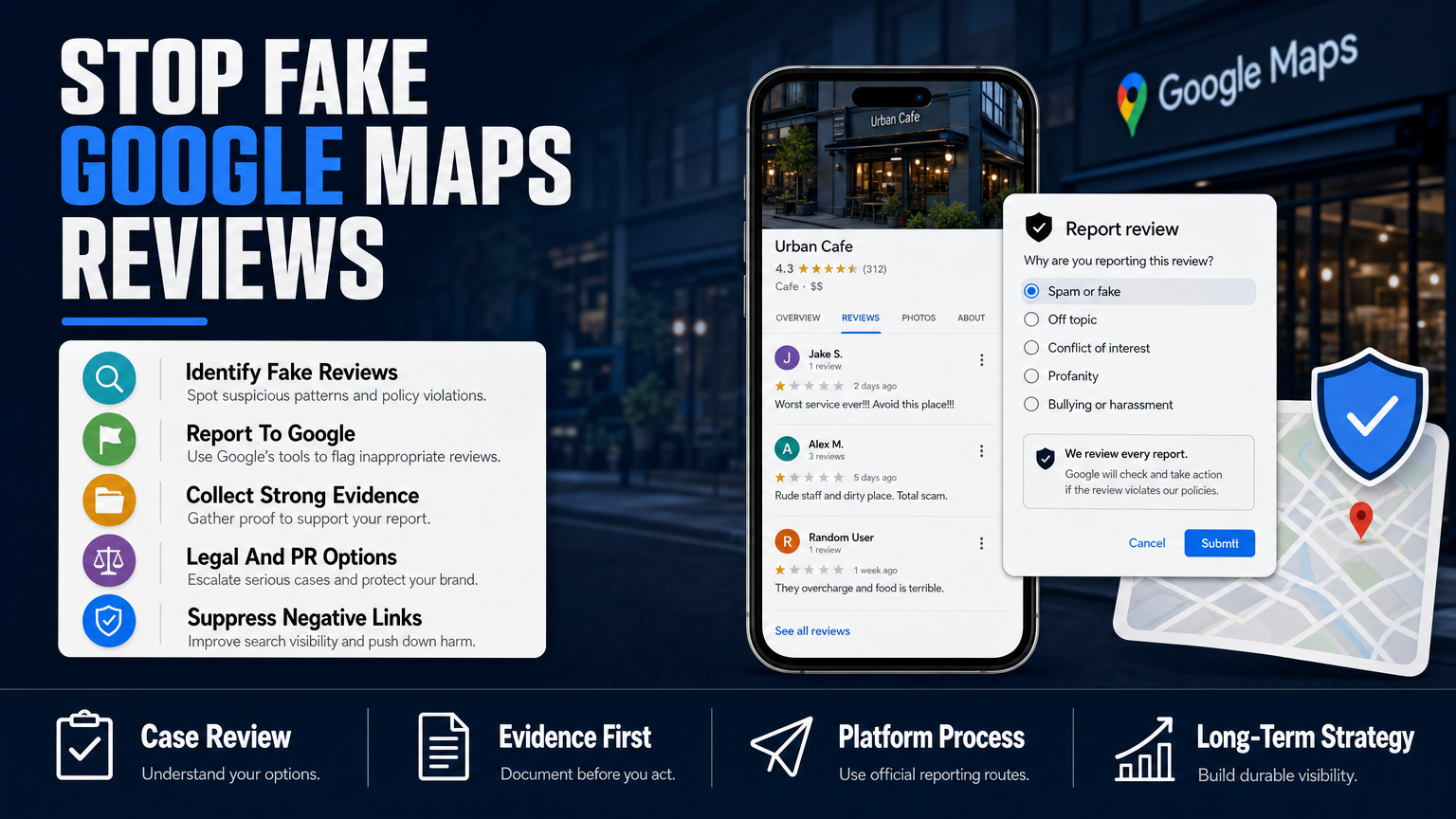
Refer to Guidelines: Using established frameworks, like the Google Business Profile policies, can help you identify and report content that violates terms of service regarding harassment or fake reviews.
FAQ
What qualifies as professional extortion in social media? It occurs when a creator uses their platform to threaten a brand with negative publicity unless they receive specific compensation or benefits that go beyond a standard resolution.
How should a brand respond to a viral call-out? Stay calm and respond with facts. If you have evidence that the call-out was an attempt at extortion, present it professionally without becoming aggressive.
Can I take legal action against an influencer? Yes. If the claims made are demonstrably false and caused financial harm, you may have grounds for a defamation or extortion lawsuit, though this should be a last resort
The rise of the influencer era has brought many benefits to the world of marketing, but it has also introduced new risks. As the boundaries of digital ethics continue to evolve, brands must be vigilant. Professional extortion is a reality of the modern marketplace, but with the right preparation and a commitment to transparency, your reputation can remain bulletproof.
Don’t let your brand become a victim of digital ransom. Learn how to build a resilient reputation that stands up to any “call-out.”