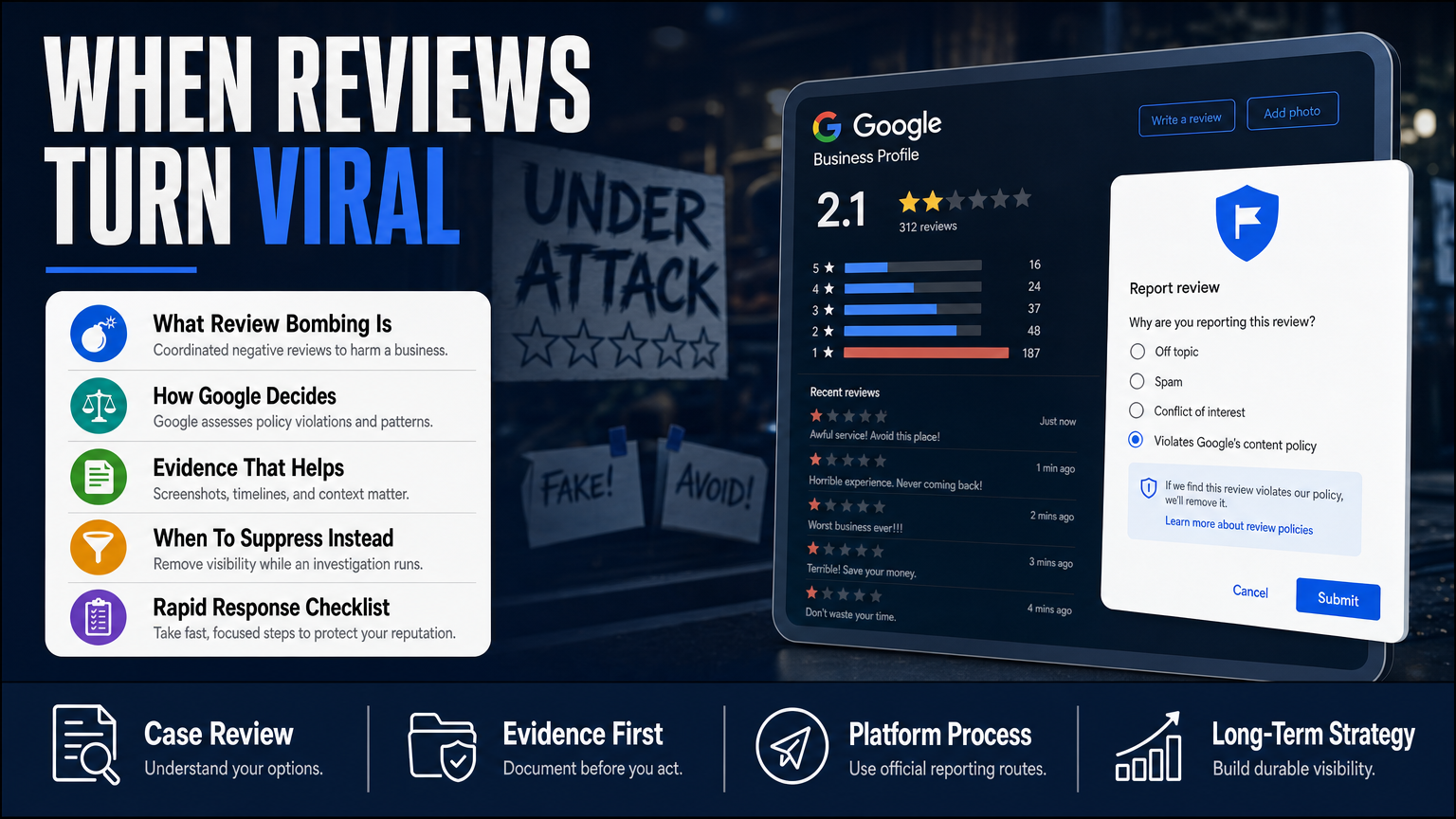


Online reviews shape the public perception of medical professionals more than ever before. For physicians and healthcare organizations, a single misleading review can influence patient trust, referral decisions, and even long-term brand credibility. When a patient posts defamatory claims on Vitals.com, the impact can extend beyond reputation—it can affect patient acquisition and professional credibility.
Understanding how vitals review removal works and what steps can be taken when defamatory content appears is essential for physicians, clinic owners, healthcare administrators, and medical marketing professionals responsible for protecting a practice’s digital presence.
Understanding the Problem: Defamatory Reviews on Medical Platforms
Vitals.com is a widely known physician review platform where patients share experiences about healthcare providers. While many reviews are genuine reflections of patient care, some posts may include exaggerated complaints, false allegations, or statements that cross the line into defamation.
Within the first moments of discovering a harmful post, many doctors begin searching for vitals review removal solutions. The reason is simple—online reviews often appear in search engine results when patients research a physician.
A defamatory review can:
- Damage professional credibility
- Influence potential patients researching providers
- Affect partnerships or referrals
- Create reputational concerns for medical practices
Unlike general consumer reviews, healthcare feedback carries a higher level of sensitivity because it involves patient trust, clinical care, and ethical standards.
Why Defamatory Patient Reviews Appear
Negative reviews do not always mean malpractice or poor care. In many cases, they stem from emotional reactions, misunderstandings, or communication gaps.
However, defamatory content often arises from a few common situations.
Patient Dissatisfaction
A patient who feels frustrated about wait times, billing disputes, or treatment expectations may express their anger online. In some cases, emotions lead to exaggerated claims.
Miscommunication About Medical Outcomes
Healthcare outcomes vary from patient to patient. When results do not match expectations, patients may assume negligence and write accusatory reviews.
Identity Confusion or Mistaken Attribution
Occasionally, a patient may confuse providers or clinics and post complaints under the wrong physician profile.
Competitive or Malicious Activity
Although less common, fabricated reviews can appear due to competitors, disgruntled former employees, or individuals with unrelated grievances.
In these scenarios, vitals review removal becomes a critical concern for medical practices seeking to protect their reputation.
Evaluating Whether a Review Is Defamatory
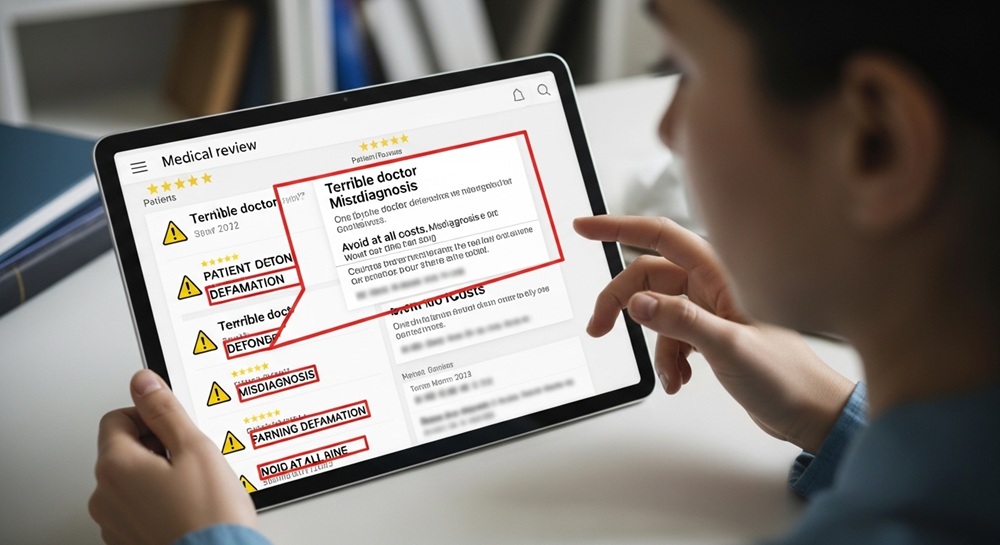
Not every negative review qualifies for removal. Review platforms generally protect patient opinions under free speech policies. However, statements that present false information as fact may cross into defamation.
Indicators That a Review May Be Defamatory
False Statements Presented as Facts
If a review contains claims about malpractice, misconduct, or illegal activity that are untrue, it may violate platform policies.
Personal Attacks or Harassment
Posts that include threats, abusive language, or character attacks may qualify for removal.
Privacy Violations
If a reviewer reveals confidential information about another patient or medical records, the platform may remove the post.
Fake or Fraudulent Reviews
Reviews written by individuals who were never actual patients may also violate platform guidelines.
When these conditions apply, pursuing vitals review removal becomes a realistic option.
Step-by-Step Approach to Addressing a Defamatory Review
Handling negative content requires a calm and strategic response. Reacting emotionally or publicly disputing patient claims can worsen the situation.
Step 1: Document the Review
Before taking action, capture screenshots of the review and record relevant details such as the date, reviewer name, and specific statements.
Documentation helps when submitting a vitals review removal request or seeking legal advice.
Step 2: Review Platform Policies
Vitals.com maintains community guidelines regarding acceptable review content. Carefully reviewing these policies helps determine whether the post violates platform standards.
Focus on areas related to:
- Defamation
- Harassment
- False information
- Fraudulent reviews
Step 3: Submit a Removal Request
Vitals allows physicians or authorized representatives to report reviews that violate guidelines.
When requesting vitals review removal, provide clear evidence that the review:
- Contains factual inaccuracies
- Includes abusive language
- Violates community policies
Concise explanations are often more effective than emotional responses.
Step 4: Avoid Discussing Patient Details
Even when a review is misleading, physicians must comply with HIPAA regulations. Public responses should never disclose patient records or medical details.
Instead, a neutral statement acknowledging feedback while inviting the patient to discuss concerns privately is typically the safest approach.
Step 5: Monitor the Outcome
Removal requests may take time to process. During this period, practices should monitor the listing for additional comments or related posts.
Consistent monitoring is an important part of long-term reputation management.
When Vitals Review Removal Is Possible
Not all reviews are eligible for removal. However, certain scenarios significantly increase the chances.
Policy Violations
Reviews containing harassment, threats, hate speech, or explicit language often violate platform rules.
False Claims of Criminal Behavior
Accusations that a physician committed illegal acts without evidence may qualify as defamatory content.
Reviews From Non-Patients
If it can be demonstrated that the reviewer never received care from the provider, the review may be considered fraudulent.
Duplicate or Spam Reviews
Multiple identical posts from the same user or automated spam accounts can also be removed.
In these cases, requesting vitals review removal through official reporting channels is often successful.
When Removal May Not Be Possible
Some reviews remain online even if they feel unfair. Platforms generally allow opinions or subjective experiences.
Examples include:
- Complaints about wait times
- Perceived bedside manner issues
- Personal dissatisfaction with treatment outcomes
While frustrating, these reviews usually fall under protected user feedback rather than defamation.
When vitals review removal is not possible, physicians must consider alternative strategies.
Alternative Reputation Protection Strategies
When harmful reviews cannot be removed, proactive reputation management becomes essential.
Encourage Genuine Patient Feedback
Positive patient experiences can outweigh isolated negative reviews.
Encouraging satisfied patients to share honest feedback on physician profiles helps balance overall ratings.
Strengthen Online Presence
Publishing educational content, participating in healthcare directories, and maintaining an updated website can improve search visibility.
A strong digital presence helps ensure that negative reviews do not dominate search results.
Implement Review Monitoring Systems
Healthcare organizations often rely on monitoring tools to track new reviews across platforms.
Regular monitoring allows practices to respond quickly when concerns arise.
Improve Patient Communication
Clear communication regarding treatment expectations, appointment scheduling, and billing policies can reduce misunderstandings that lead to negative feedback.
Over time, these steps minimize the need for vitals review removal by preventing review conflicts before they begin.
Best Practices for Responding to Online Reviews
Healthcare professionals must approach review responses carefully.
A balanced response strategy often includes:
- Remaining professional and calm
- Avoiding defensive language
- Encouraging offline communication
- Demonstrating commitment to patient care
Even when a review appears unfair, professional responses reinforce credibility with prospective patients reading the exchange.
Frequently Asked Questions
Can doctors remove reviews from Vitals.com?
Doctors cannot directly delete reviews themselves. However, they can request vitals review removal if the content violates platform guidelines such as harassment, fraud, or defamation.
What qualifies as defamation in a medical review?
Defamation generally involves false statements presented as facts that harm a physician’s professional reputation.
Should physicians respond to negative patient reviews?
Yes, but responses should remain neutral, professional, and HIPAA-compliant without revealing patient details.
How long does review removal take?
Review moderation timelines vary. Platforms typically investigate reports before deciding whether removal is justified.
What should healthcare administrators do if multiple negative reviews appear?
Administrators should evaluate the reviews, monitor feedback patterns, and address operational issues that may contribute to recurring complaints.
Final Thoughts
Online reputation plays a significant role in modern healthcare marketing and patient trust. While review platforms offer transparency for patients, they can also expose physicians to misleading or defamatory claims.
Understanding how vitals review removal works empowers healthcare professionals to protect their digital presence responsibly. By documenting issues, following platform policies, and maintaining professional communication, medical practices can effectively manage online reputation challenges.
More importantly, building strong patient relationships, encouraging authentic feedback, and maintaining consistent review monitoring ensures that a single negative post does not define a physician’s professional reputation.