Request a Retraction Professionally: How to Contact a Journalist the Right Way
In today’s hyperconnected world, one inaccurate headline can reshape a career, damage a business, or erode years of trust. So, that’s why social media reputation management is important.
That’s why understanding how to request a retraction properly has become essential for public figures, professionals, and companies across the United States.
Whether it’s a local report in The Miami Herald or a viral post shared on The New York Times’ digital platform, false or misleading information spreads faster than the truth—and it can take a toll on your reputation long before you get a chance to respond. So, that’s why personal reputation management is important.
The Importance of Knowing How to Request a Retraction
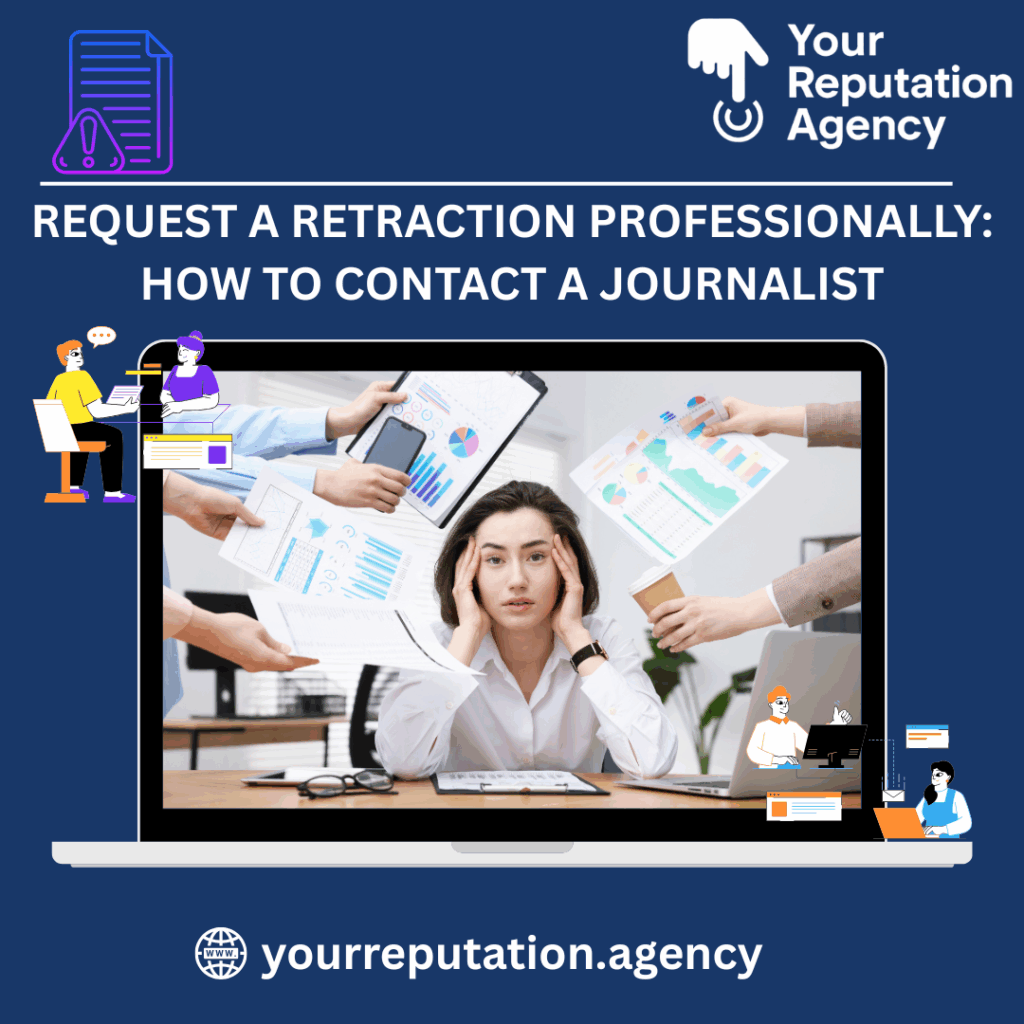
So, what does it really mean to request a retraction? In essence, it’s a formal communication to a journalist or media outlet, asking them to correct or withdraw inaccurate content.
But here’s where it gets complex: tone, timing, and proof determine whether your request is taken seriously or dismissed.
Across the U.S., from Washington D.C. political offices to Silicon Valley tech firms, understanding media ethics and communication etiquette can make the difference between escalation and resolution.
The First Amendment protects free speech and press freedom, but it doesn’t grant the right to defame.
That’s where documentation becomes your strongest ally.
A retraction request grounded in facts—such as official records, timestamps, or direct quotes—often carries more weight than emotional appeals.
Remember, journalists are more likely to respond to clarity and professionalism than confrontation.

Real-World Cases from U.S. Media and Public Life
Consider a case in Los Angeles, where a small business owner faced online defamation after a local blog published an unverified story.
Instead of reacting publicly, the owner’s legal team compiled transaction receipts, client testimonials, and digital logs to request a retraction.
Within a week, the publication issued an update and an apology—proof that facts, not outrage, win the battle for credibility.
Similarly, in Chicago, a political candidate managed to reverse negative coverage by respectfully contacting the editor with supporting documentation.
The correction not only restored trust but also became part of a broader conversation about media responsibility during election cycles.
These examples show that, across industries, the way you approach a retraction request determines whether you repair or worsen the situation.
It’s not just what you say—it’s how, when, and to whom you say it.
Steps and Reflections for a Successful Retraction Request
To request a retraction effectively, first identify the proper contact—usually the editor-in-chief or the journalist responsible for the story.
Then, establish a factual tone: avoid accusations, focus on specific inaccuracies, and include verifiable proof.
Attach relevant evidence—emails, contracts, or official documents—to strengthen your position.
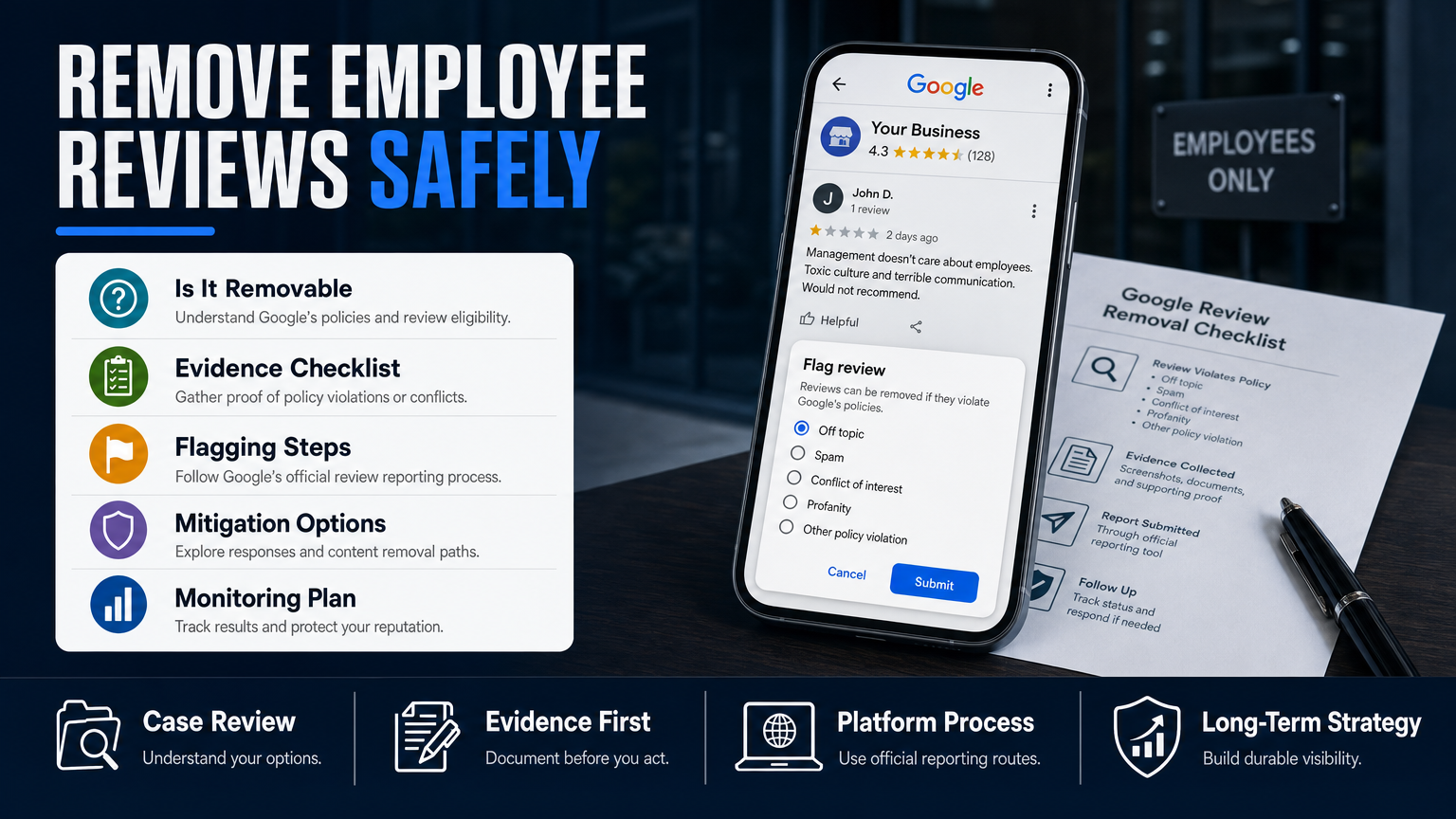
Next, outline how the false information has caused harm, whether it’s reputational damage, business loss, or emotional distress. In many cases, professionals also address lingering fallout by removing negative reviews that continue influencing public perception.
U.S. media outlets are legally bound to consider retraction requests seriously, especially when inaccuracies can be proven.
Under state defamation laws, a well-documented request may even serve as a prerequisite before pursuing legal action.
Finally, be patient but firm. Many outlets follow strict editorial processes for corrections.
A calm, evidence-based dialogue—rather than threats or anger—often leads to faster, more favourable outcomes.
Common Questions About How to Request a Retraction
1. Can anyone request a retraction from a U.S. media outlet?
Yes. Any individual or business misrepresented by false information has the right to request a retraction under U.S. defamation law.
2. How long does it take to process a retraction request?
It varies. National outlets like CNN or The Washington Post may take days to review, while local newspapers often respond within 48 hours.
3. What kind of evidence strengthens a retraction request?
Official records, screenshots, contracts, and dated correspondence are crucial in proving the falsity of claims.
4. Can I still take legal action after requesting a retraction?
Yes. A retraction request often serves as a precursor to litigation, especially in states that recognise it under defamation statutes.
5. What if the journalist refuses to issue a correction?
If your request is ignored or denied, consult a digital reputation management firm or legal counsel to escalate the matter professionally.
Looking Ahead: Rebuilding Trust Beyond Retraction
The act of requesting a retraction is not merely about removing falsehoods—it’s about reclaiming truth and rebuilding trust.
In a media-driven society like the United States, where every search result and tweet shapes perception, reputation has become currency.
For entrepreneurs, politicians, and healthcare professionals, taking swift, fact-based action after a false report can mean the difference between recovery and long-term harm.
The digital landscape rewards clarity and accountability—and those who respond with evidence, not emotion, ultimately control the narrative.
If your reputation has been affected by misinformation or inaccurate reporting, don’t wait for it to fade.
Act decisively, document thoroughly, and communicate professionally.
At Your Reputation Agency, we help individuals and organizations manage and restore their online image with strategy, expertise, and discretion.
Because when misinformation strikes, precision—not panic—wins.
Follow us on social media:
Don’t forget to read our blog. Here is a link to our previous post: Search Engines Privacy: Can You Erase Personal Information Online?